Trip Report: Tracking the Trogons, Costa Rica Birding in January 2026
Ten birders, 11 days, 319 species and six of Costa Rica’s nine trogons. The full trip report from Tracking the Trogons, January 2026.
Tracking the Trogons 2026: 319 Species in 11 Days
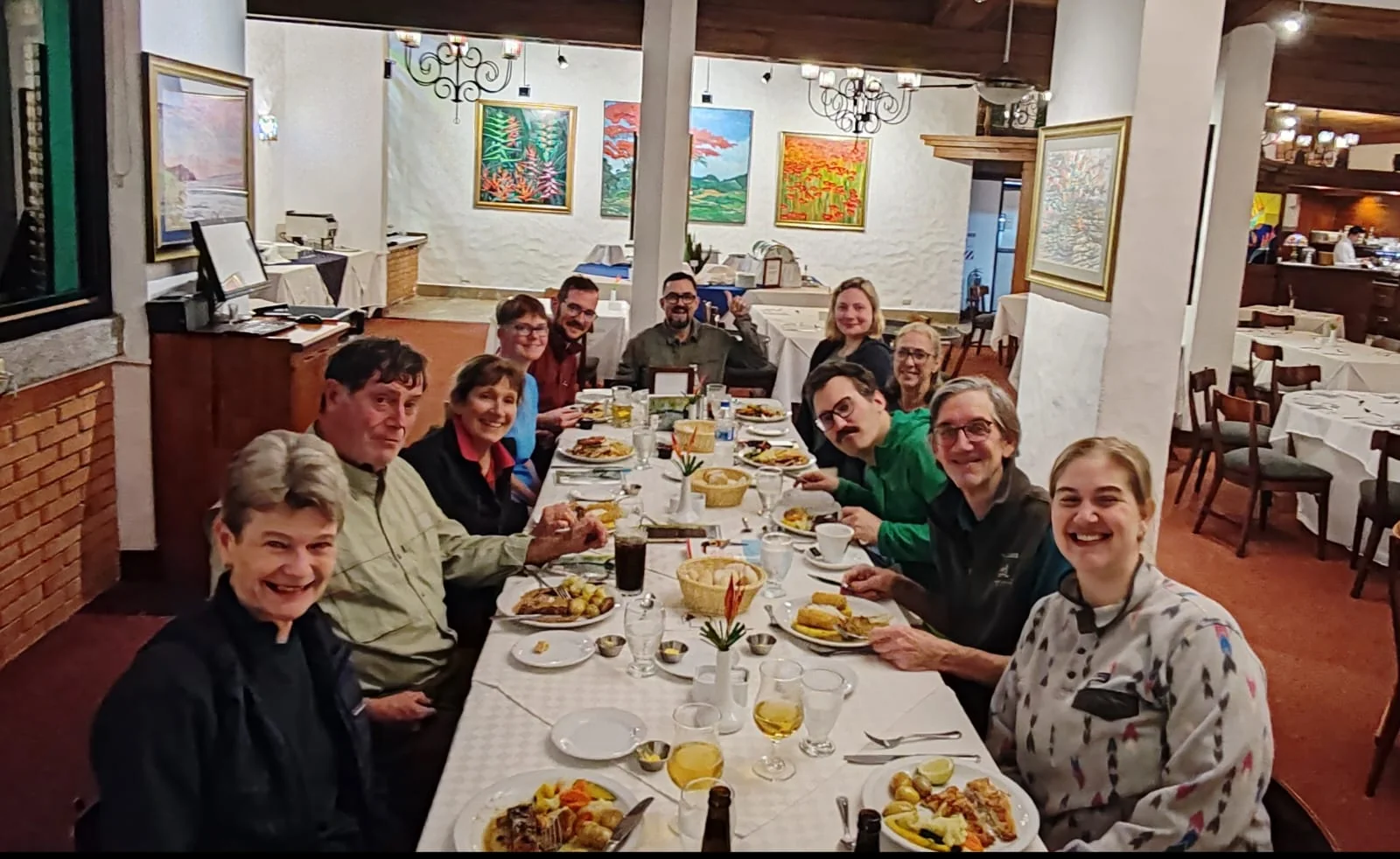
From January 7 to 17, 2026, ten birders from the United States and Germany joined Costa Rican birding guide Mayer Jiménez for our Tracking the Trogons tour. This 11-day small group birding tour had an ambitious goal: search for Costa Rica’s nine species in the trogon family while exploring some of the country’s most productive birding regions. The route started in the Central Valley and traveled through Sarapiquí, Arenal, Monteverde, and the Central Pacific.
By the end of the trip, the group had recorded 319 species and six of Costa Rica’s nine trogon species. The trogons were stars, and an Ornate Hawk-Eagle provided an unforgettable sighting. But for us, the most remarkable part of this trip was the diversity. In essentially nine full days of birding, the group experienced an extraordinary range of birds and habitats across Costa Rica.
Quick Facts – Tracking the Trogons 2026
- Tour length: 11 days
- Group size: 10 participants
- Guide: Mayer Jimenez
- Driver: Victor “Chicho” Gon
- Focus: Costa Rican trogon species
- Total species recorded: 319 (eBird trip report)
- Key habitats: Lowland rainforest, cloud forest, wetlands, dry forest, mangroves
- Signature sightings from the list excerpt include:
- King Vulture
- Ornate Hawk-Eagle
- Keel-billed Motmot
- Mangrove Hummingbird
- Streak-chested Antpitta
Tracking the Trogons 2026 was an exceptional 11-day small group birding adventure that combined outstanding guiding, diverse habitats, and a wonderfully engaged group of travelers.
Led by expert Costa Rican guide Mayer Jimenez and supported by our trusted driver Victor “Chicho” Gon, the trip brought together ten birders from the United States and Germany with a shared goal: to experience Costa Rica’s birdlife deeply and to locate all six species of trogons found in the country.
Related tour: Tracking the Trogons – Costa Rica Birding Group Tour
The Birding Starts at Hotel Bougainvillea
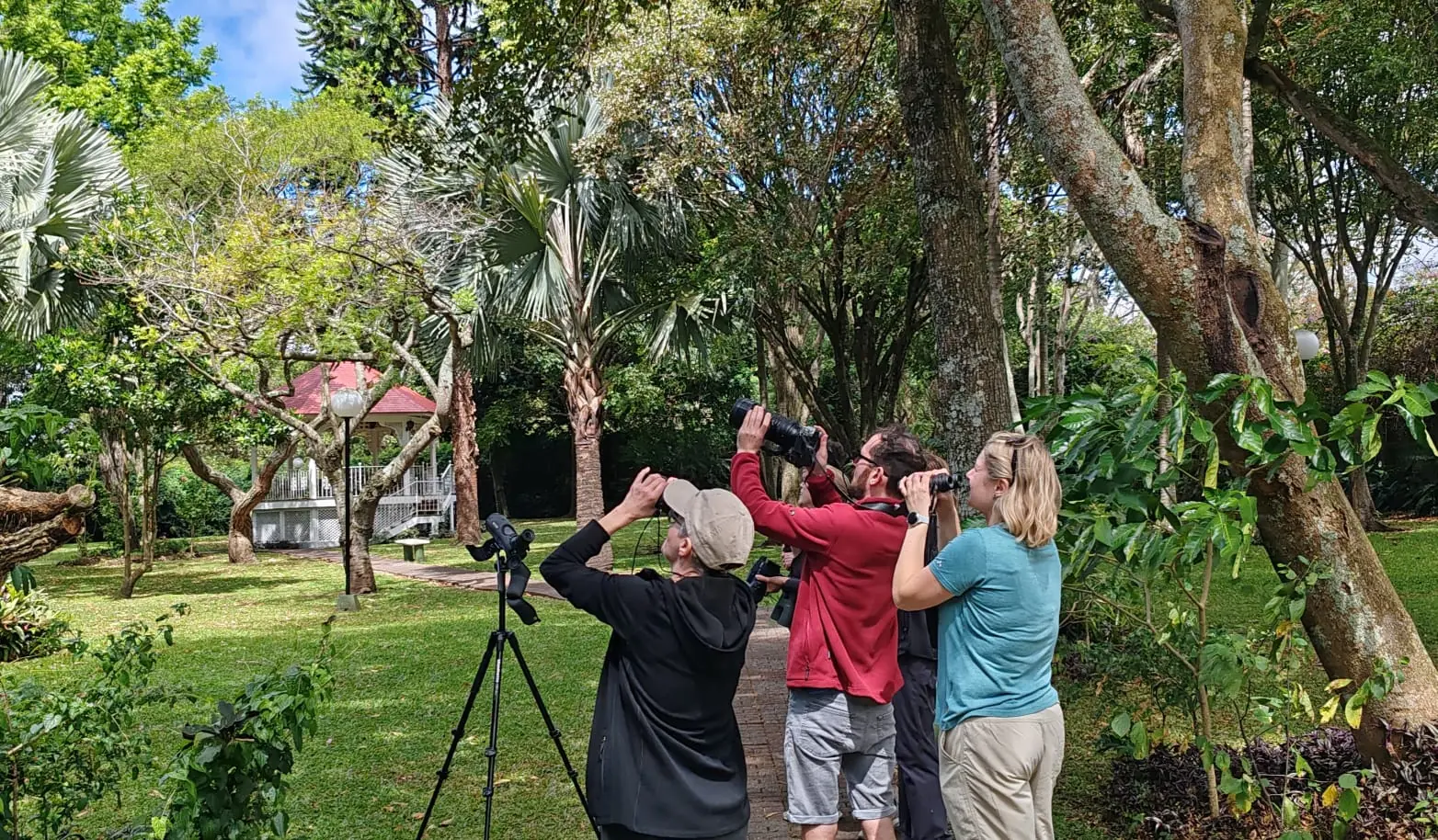
The trip began at Hotel Bougainvillea in Costa Rica’s Central Valley. Its gardens gave arriving guests a chance to start birding before the full group had even assembled.
Lesson’s Motmots, roosting owls, hummingbirds, tanagers, and flycatchers quickly filled those first lists. It set the tone for the trip. Birding would rarely be limited to scheduled excursions. Birding opportunities seemed to pop up everywhere, around the lodges and along the road.
By the welcome dinner, the group was already comparing sightings. Mayer would lead the birding, while longtime Costa Rica Focus driver Victor “Chicho” Gon handled the driving and logistics.
Caribbean Lowlands: Trogons, Rainforest and Great Green Macaws
The next morning, the group headed toward Sarapiquí. A birding stop in Braulio Carrillo broke up the drive before two nights at Tirimbina Rainforest Lodge. The warm, humid Caribbean lowlands brought overnight rain and some wet mornings. Mayer adjusted plans around the weather, while lodge grounds and forest trails kept the birding productive between showers.
One exciting moment happened right at Tirimbina. The unmistakable calls of Great Green Macaws drew everyone’s attention overhead. The group quickly located two of these spectacular birds as they flew across the forest. Great Green Macaws are always a special sighting, and seeing them together over the rainforest gave the group another memorable moment without ever leaving the lodge grounds.
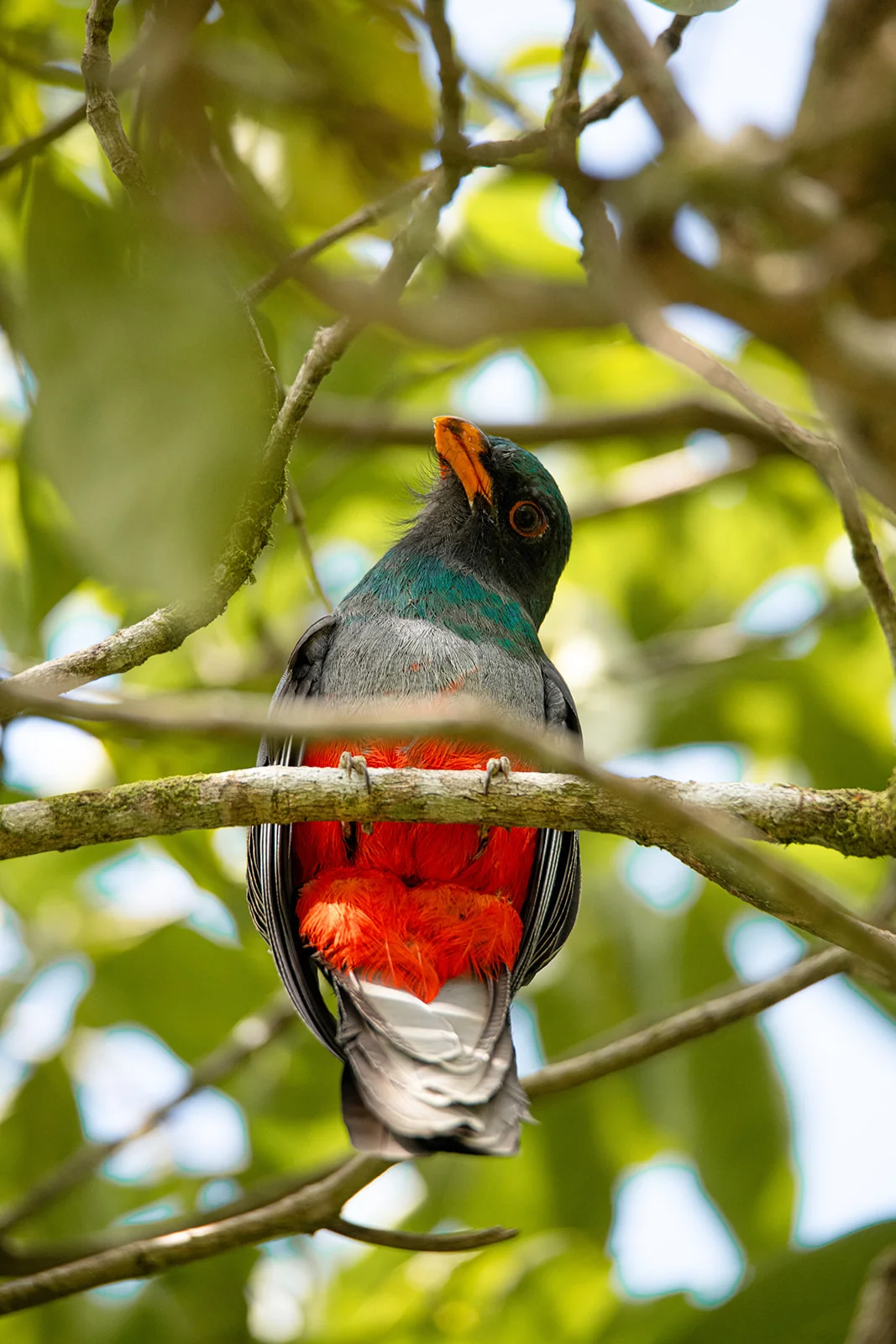
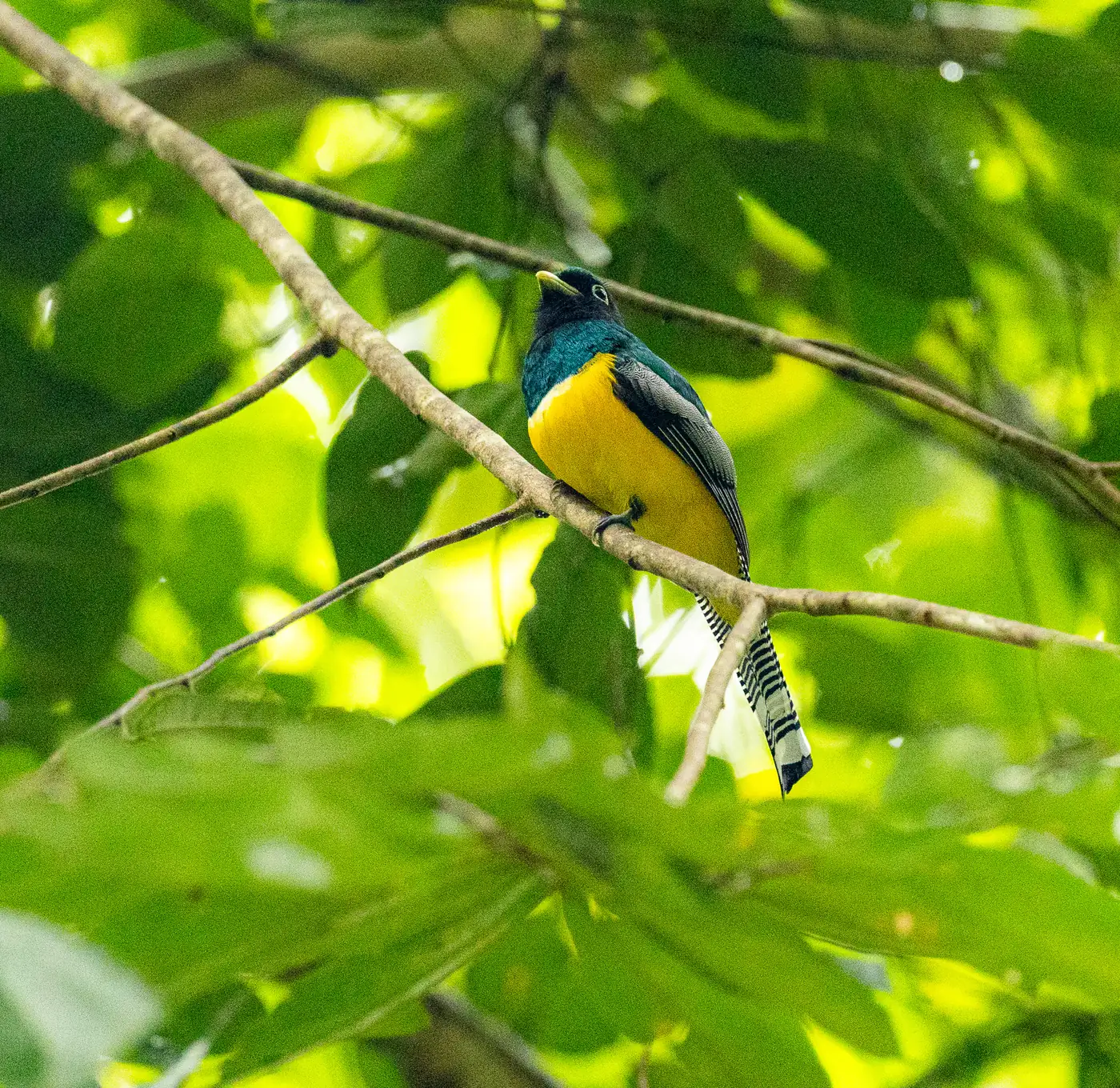
At La Selva Biological Station, the trogon hunt gathered momentum with both Slaty-tailed Trogon and Black-throated Trogon. A short distance away another Black-throated Trogon appeared at Tirimbina. Antbirds, manakins, owls, parrots, and colorful tanagers added to the growing list.
A visit to Cope’s Gardens also gave the group a chance to search for forest species and the elusive Crested Owl. The rainy mornings were a reminder that birding Costa Rica in January does not mean dry conditions everywhere.
Arenal: Looking for One Raptor and Finding Another
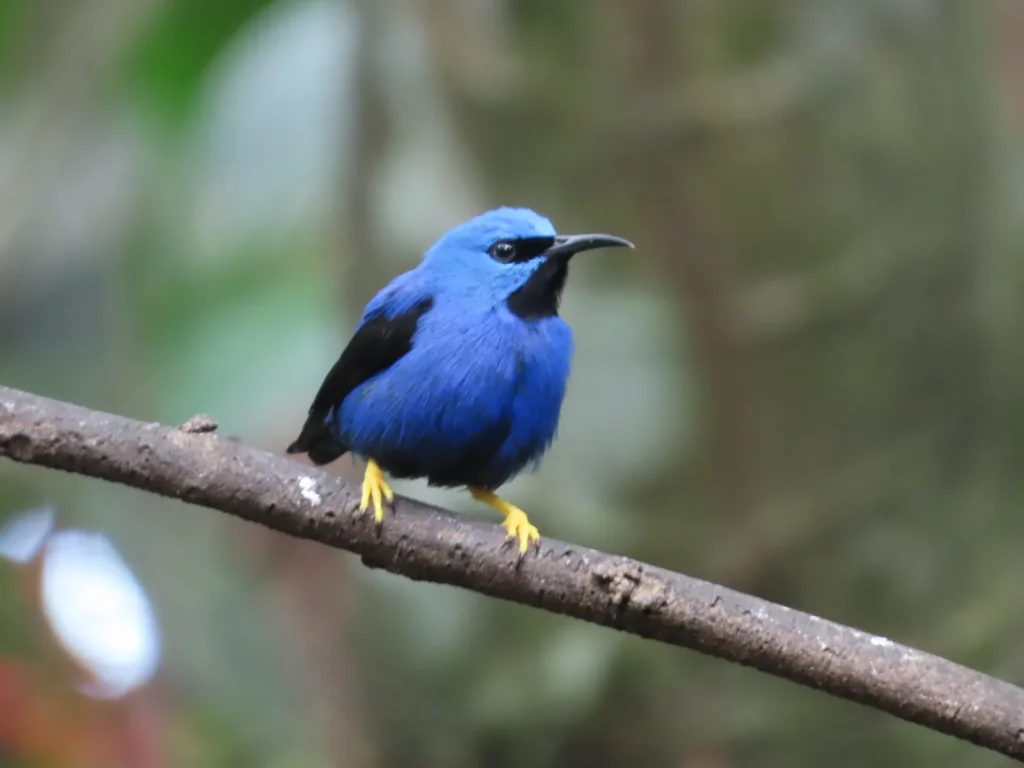
The journey continued toward Arenal, with a stop at the Cinchona feeders along the way. Hummingbirds were a major part of the show. By the end of the trip, the group would record 28 hummingbird species.
The group spent two nights at Arenal Observatory Lodge, bordering Arenal Volcano National Park. Forest, gardens, feeders, and trails provided full days of birding close to the lodge.
One target was the Semiplumbeous Hawk, a forest raptor that has become increasingly difficult to find. This time, it did not cooperate. Arenal delivered an unexpected highlight. An Ornate Hawk-Eagle appeared, giving the group a memorable look at one of Costa Rica’s most impressive raptors.
This is one of the things we love about birding in Costa Rica. A target may stay hidden while something completely unexpected steals the show. Across the trip, the group recorded 15 raptor species.
Monteverde: The Quetzal Finally Appears
The drive around Lake Arenal into Monteverde brought another change in habitat. Warm foothill forests gave way to cooler cloud forest and a new collection of birds. The group spent two nights at Hotel de Montaña Monteverde and birded the Monteverde Cloud Forest Reserve and Curi Cancha.
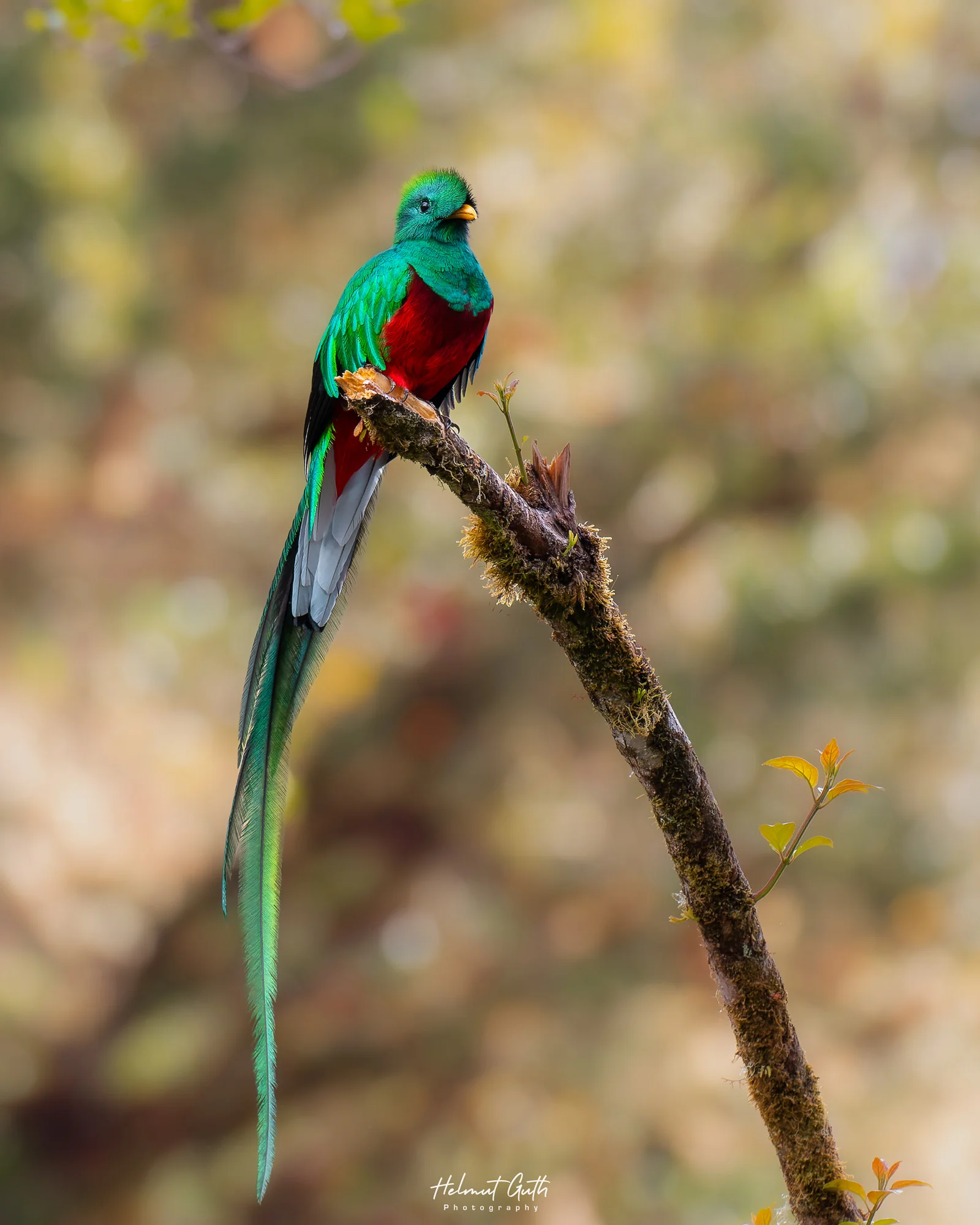
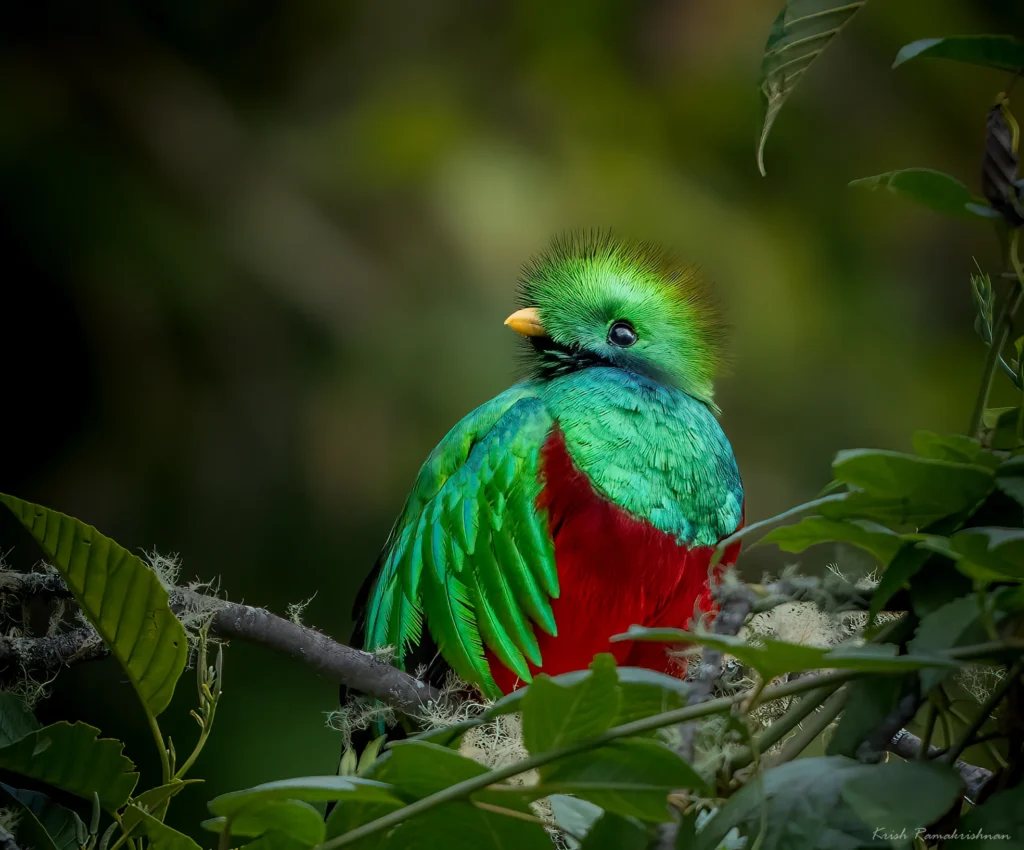
They had heard a Resplendent Quetzal earlier in the journey but had not seen one. It was the group’s number one target, so finding one had become a priority. At the Monteverde Cloud Forest Reserve, patience finally paid off. When the quetzal appeared, quiet cheers went around the group as everyone tried to celebrate without disturbing the bird. After days of hoping for a good look, they finally had their quetzal.
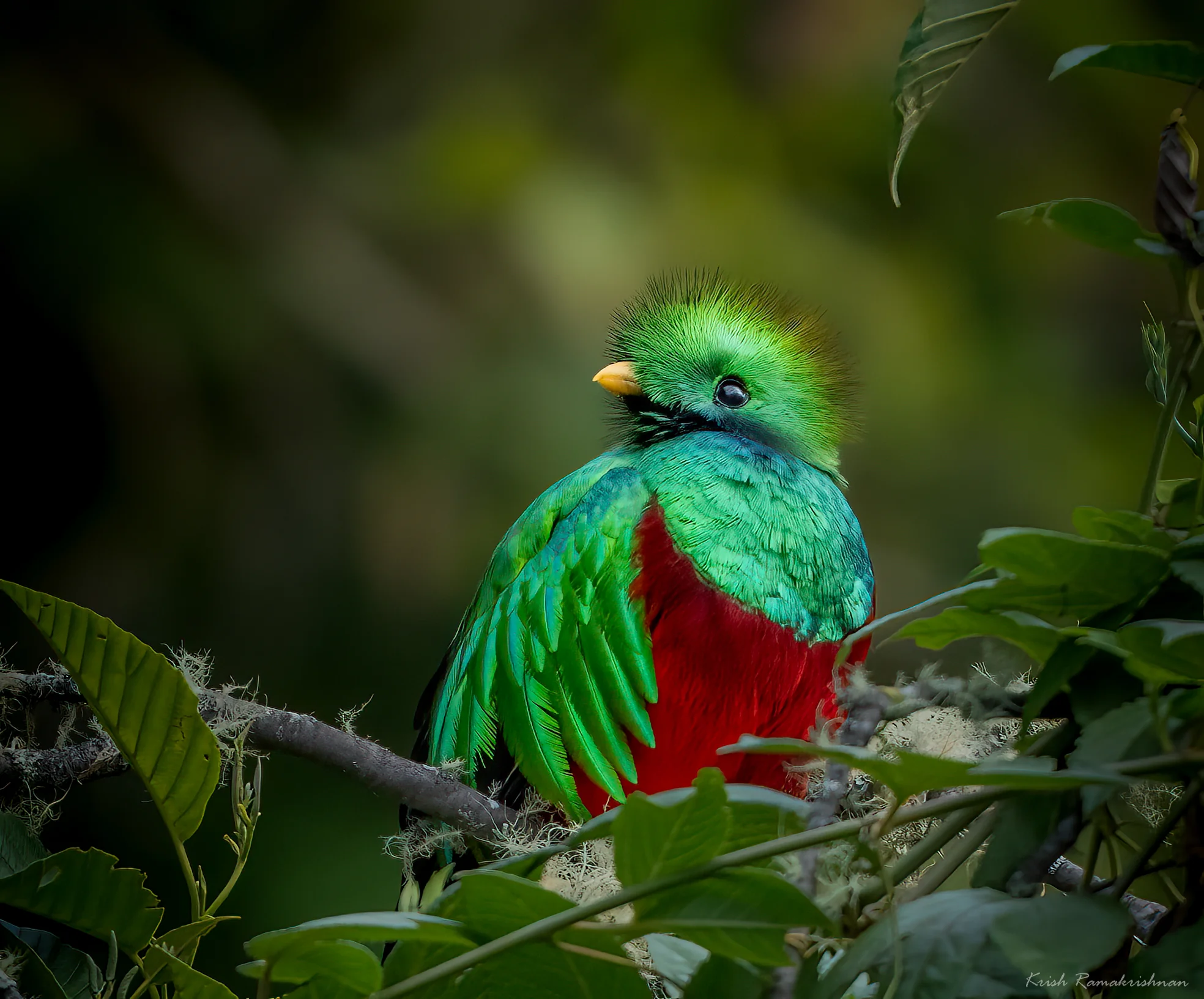
The trogon count continued at Curi Cancha with a Collared Trogon. Mixed flocks, hummingbirds, tanagers, motmots, and other cloud forest species kept everyone busy.
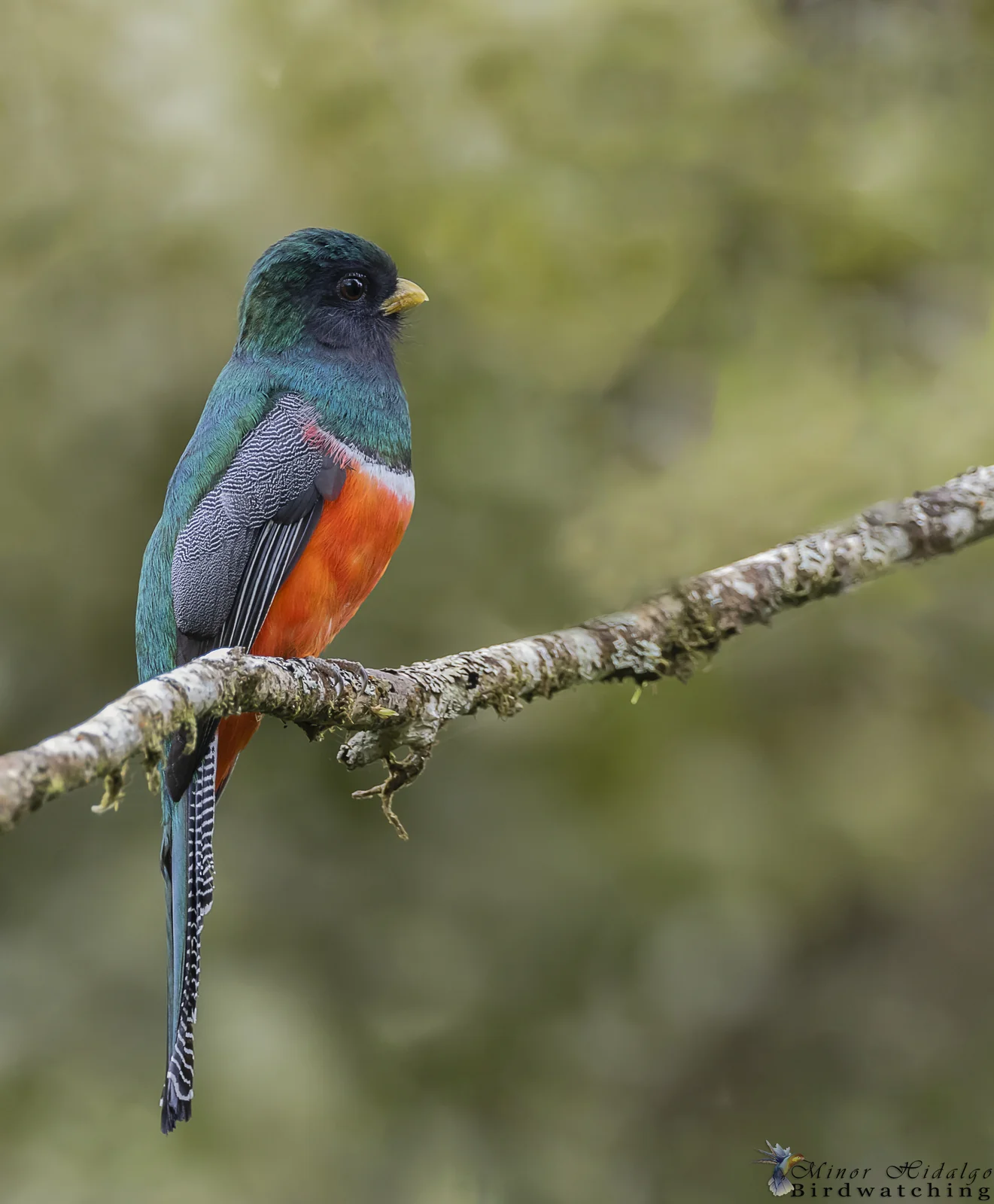
Evenings brought another favorite part of the trip. The group compared photographs, shared stories, and worked through the day’s species list with Mayer before starting all over again the next morning.
From Monteverde to the Pacific
On January 14, the group continued toward the Pacific. Cloud forest gave way to open country and tropical dry forest. Blue skies and sunshine also replaced the wetter Caribbean weather.
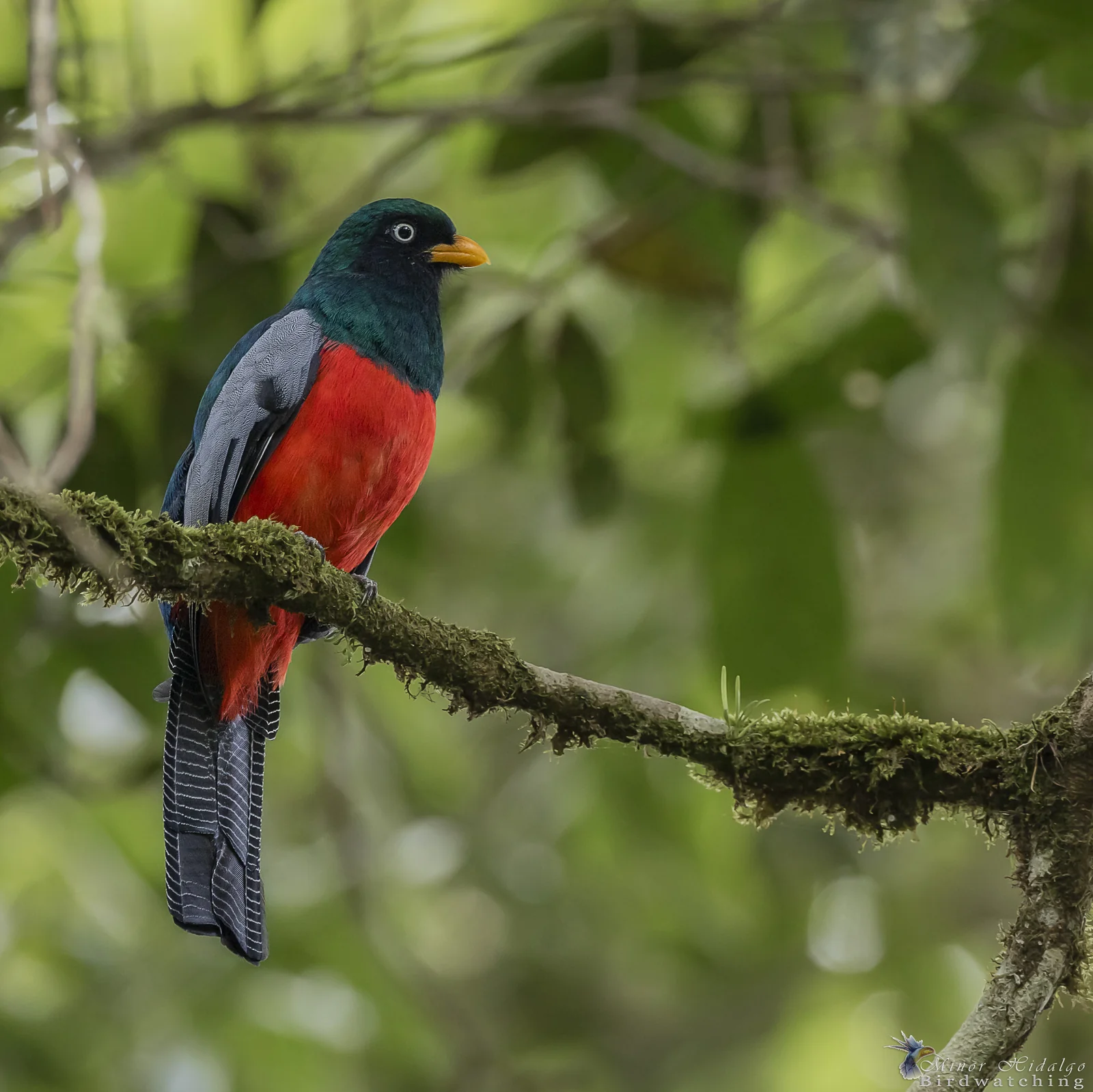
A Black-headed Trogon appeared on the road from Monteverde toward Las Juntas. Another was found during a side trip to La Ensenada Lodge.
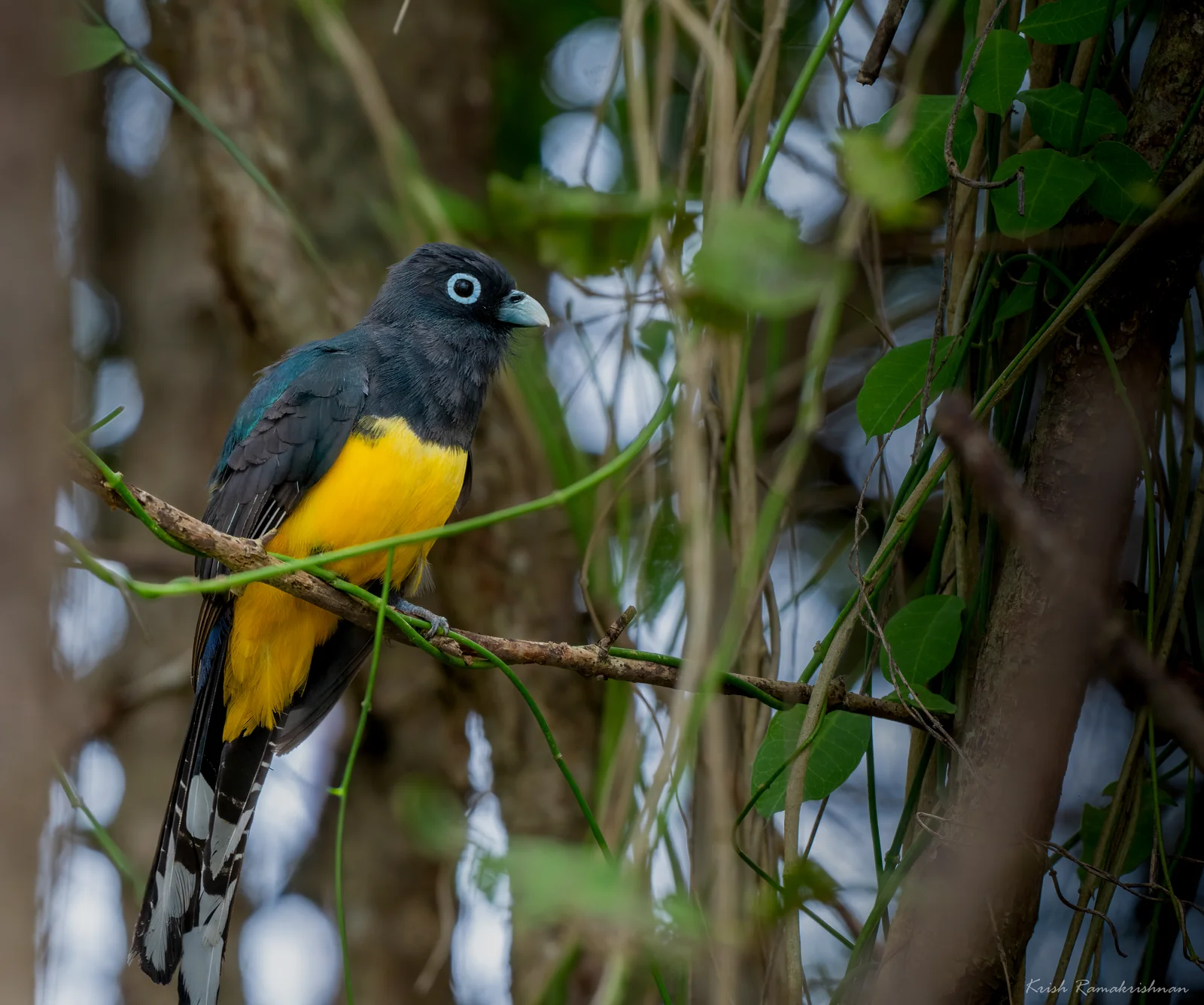
La Ensenada also provided excellent views of White-throated Magpie-Jays. These large, social birds are difficult to overlook, and eight were recorded during the tour. From there, the group headed to Cerro Lodge for two nights in the Central Pacific.
Carara National Park and Scarlet Macaws
Carara National Park was one of the major birding days of the trip. Carara sits where the drier forests of northwestern Costa Rica meet the wetter Pacific forests to the south. The combination brings an impressive variety of birds to the area. The trogon hunt continued with another Graceful Black-throated Trogon.
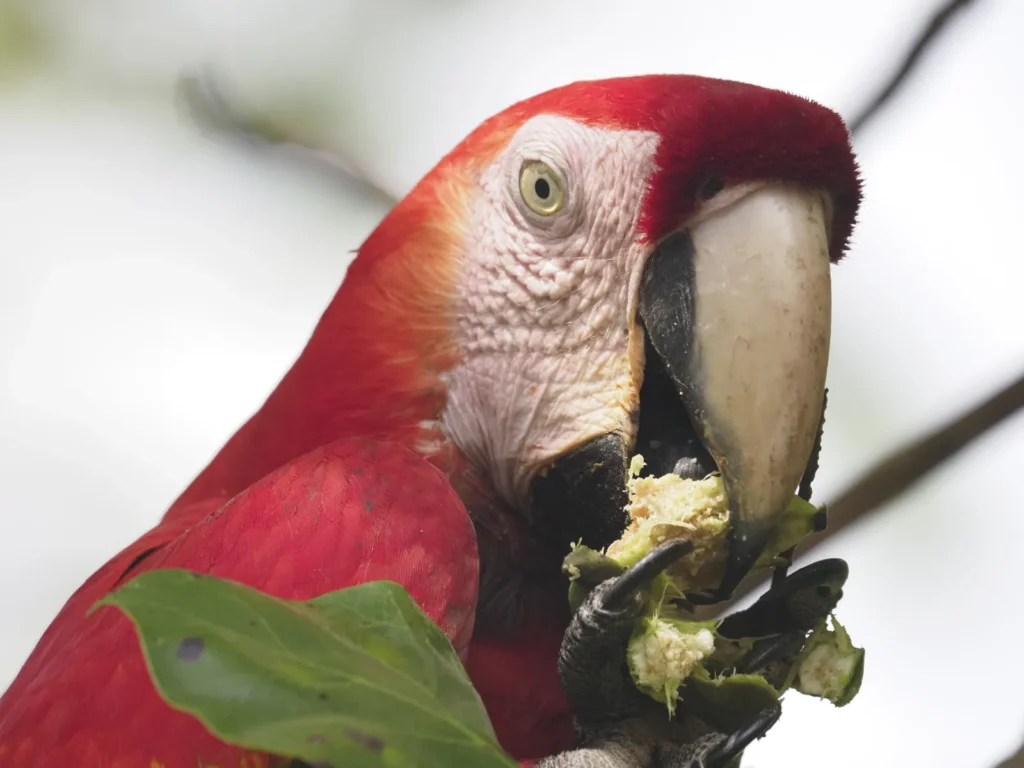
Scarlet Macaws provided one of the day’s unforgettable moments. The group watched Scarlet Macaws at close range around an active nesting area. The photographers had plenty of chances to capture the action.
Manakins, antbirds, woodcreepers, toucans, parrots, and tanagers added still more forest species. Even late in the trip, enthusiasm had not slowed. One guest joked that Mayer seemed ready to keep everyone birding “around the clock.”
Mangroves, Coastal Birds and One More Trogon
The final full day brought yet another habitat.
A private boat trip through the Tárcoles River estuary explored mangroves, river channels, mudflats, and coastal habitat. The boat captain joined Mayer as a local guide and extra set of eyes. Birds including herons, egrets, shorebirds, kingfishers, Roseate Spoonbill, Boat-billed Heron, and Magnificent Frigatebirds added still more variety.
A Mangrove Hummingbird was another important find. This Costa Rican endemic became one of 28 hummingbird species recorded during the tour.
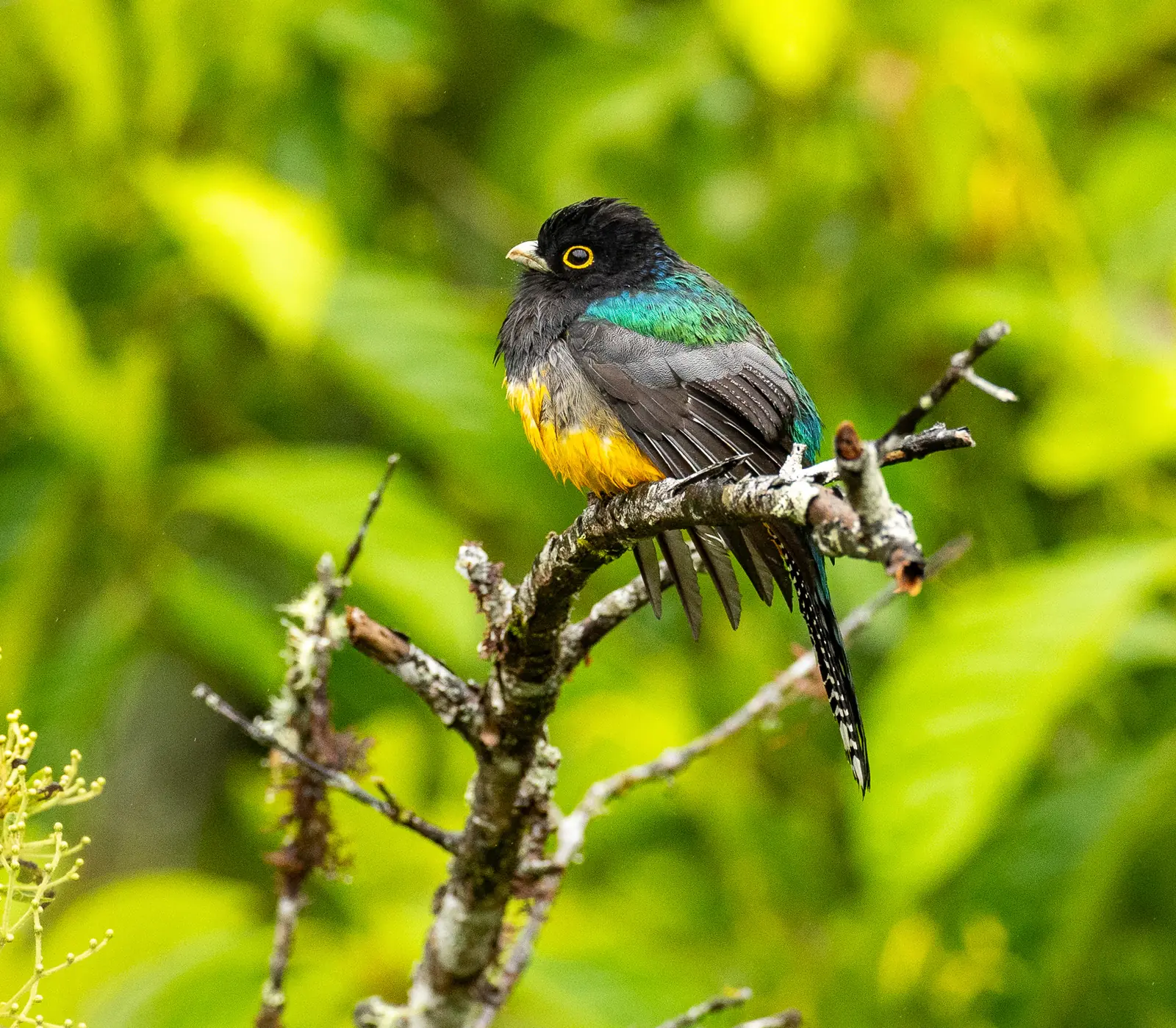
After the boat trip, the group returned to the Central Valley. Tracking the Trogons was not quite finished. On January 16, a Gartered Trogon became the sixth member of the trogon family recorded on the trip.
Tracking the Trogons
Could the group find all nine members of Costa Rica’s trogon family? Not quite, but they came away with six.
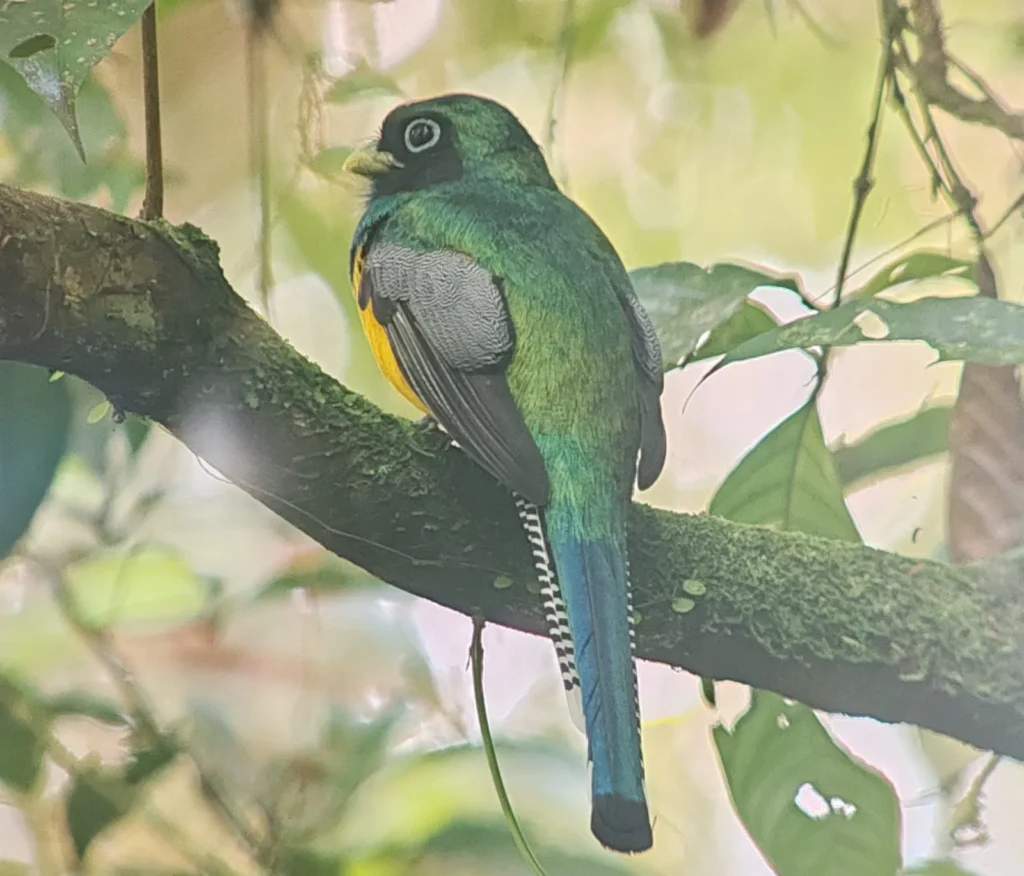
Slaty-tailed Trogon and Graceful Black-throated Trogon started the count in the Caribbean lowlands. Resplendent Quetzal and Collared Trogon followed in Monteverde. Black-headed Trogon appeared on the way to the Pacific. Finally, Gartered Trogon joined the list on January 16, just one day before the tour ended.
Birds rarely cooperate with a checklist, and that uncertainty is part of the fun.
319 Species and Remarkable Diversity
The final count reached 319 species across 40 eBird checklists. The trip produced 28 hummingbird species, 15 raptors, seven owls, six members of the trogon family, five motmots, four toucans and toucanets, 11 parrots and parakeets, and four manakins.
Other highlights included King Vulture, Keel-billed Motmot, Streak-chested Antpitta, Masked Tityra, Great Curassow, Mangrove Hummingbird, honeycreepers, and an impressive variety of tanagers.
With ten birders, everyone brought different life lists and personal favorites. The diversity itself may have been the true highlight.
What Was Birding Costa Rica in January Like?
This trip showed why January weather in Costa Rica cannot be described with one forecast.
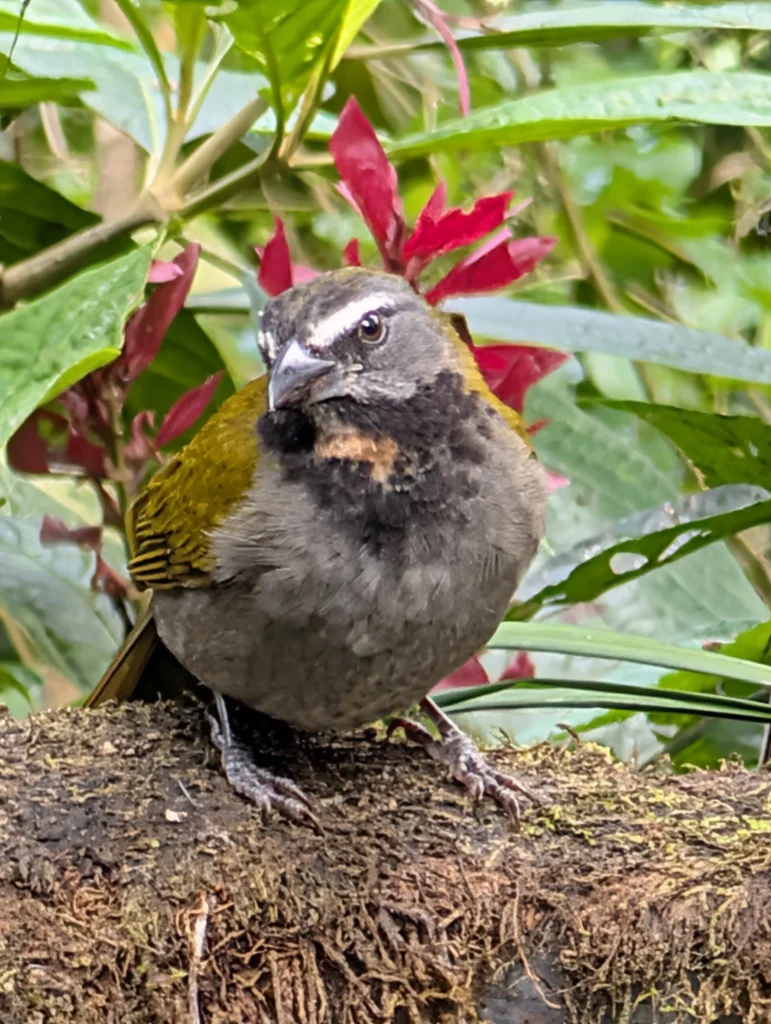
The Caribbean lowlands brought overnight rain and wet early mornings, but the birding remained productive. Monteverde was cooler. On the Pacific side, blue skies and sunny conditions arrived during the region’s drier season.
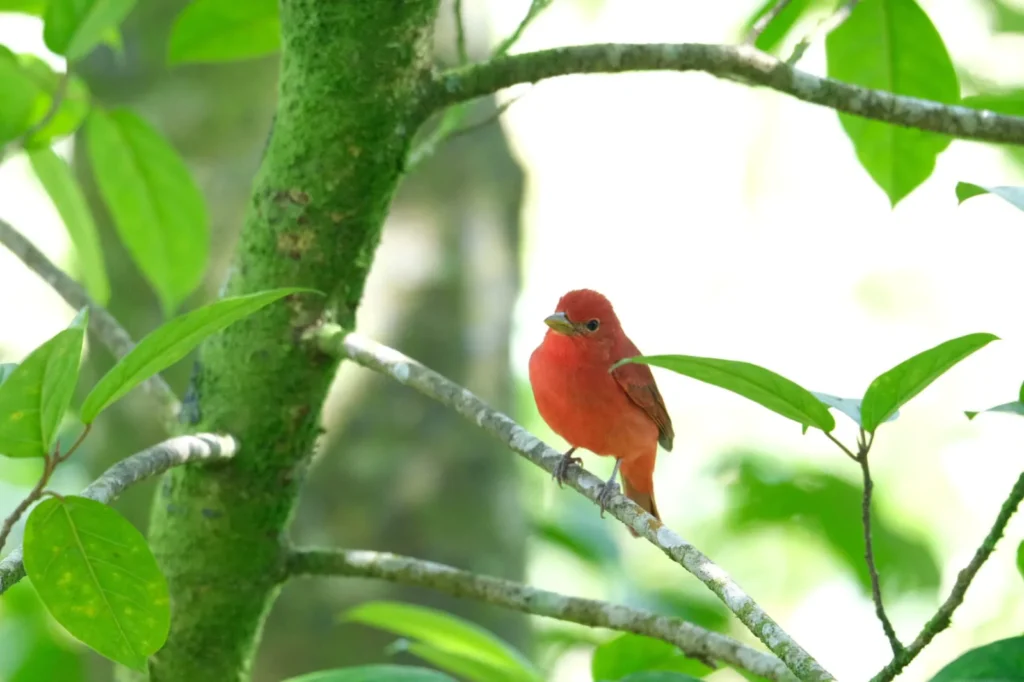
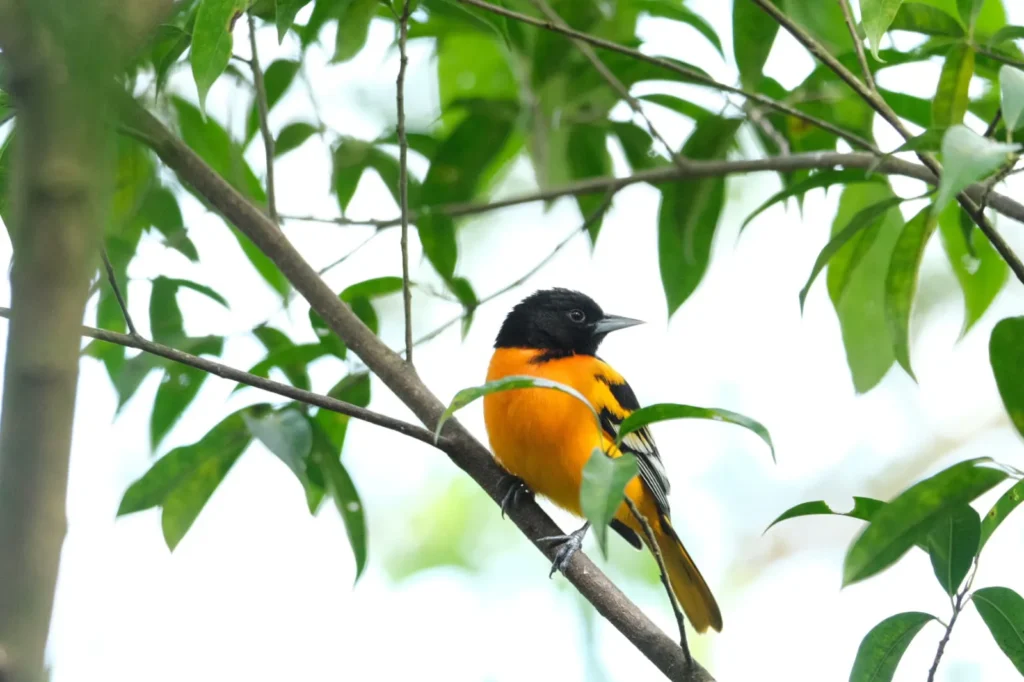
Winter migrants added to the diversity. Species included Golden-winged Warbler, Black-and-white Warbler, Tennessee Warbler, Chestnut-sided Warbler, Kentucky Warbler, American Redstart, Baltimore Oriole, Summer Tanager, and Wood Thrush.
Looking for a Costa Rica Birding Tour in 2027?
Our January 7 to 17, 2027 Tracking the Trogons departure is already sold out, but we welcome guests to join the waitlist. If you’re hoping to travel in 2027, explore our Small Group Tours for other birding and photography departures.
The next available departure runs January 7 to 17, 2028, and reservations are now open. We look forward to welcoming another small group of birders and seeing which trogons, and unexpected surprises, the next tour will bring.
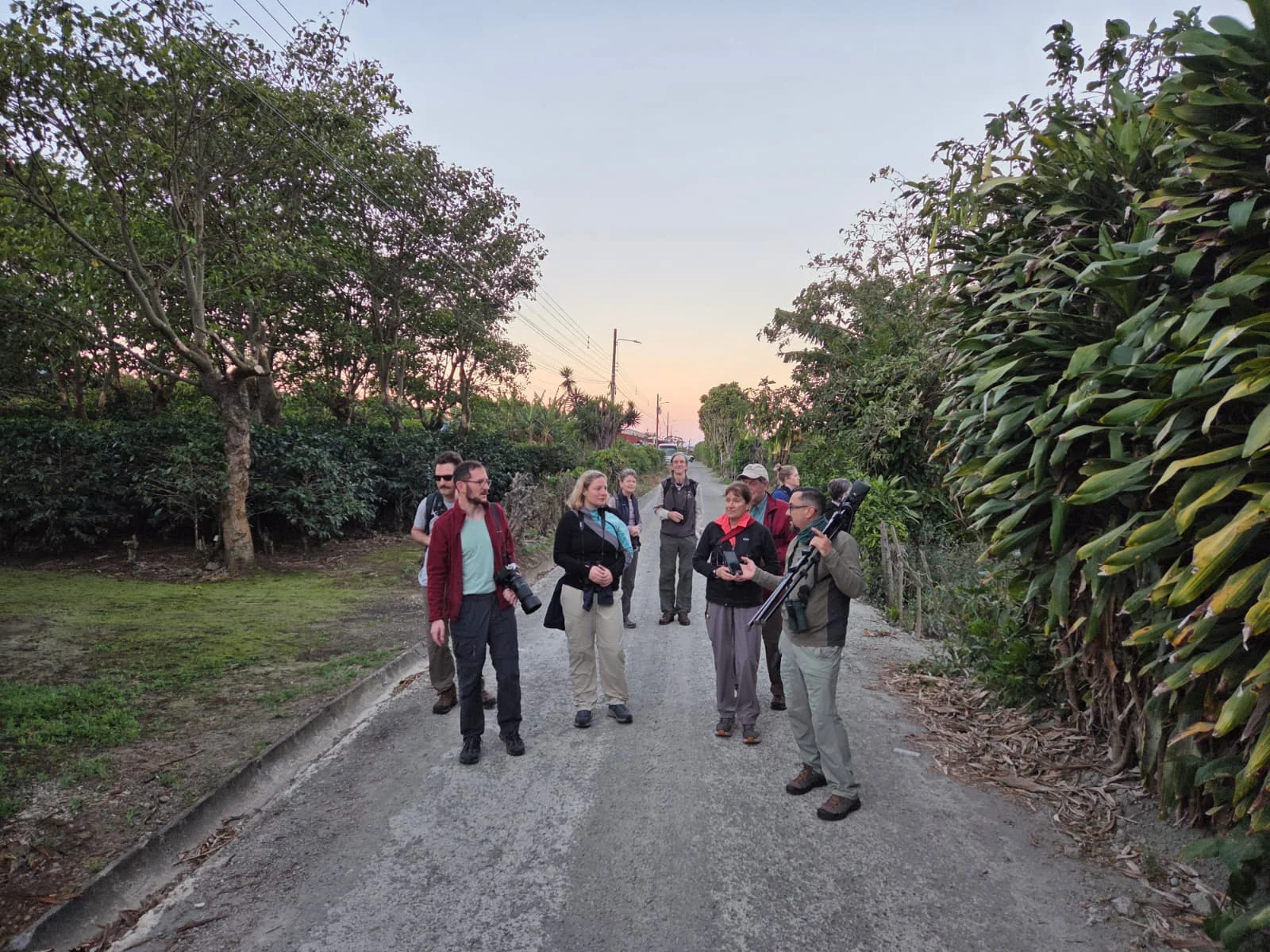
Costa Rica Birding Trip Report January 2026
Full species list: Tracking the Trogons 2026 on eBird.
Ready to Join a Future Tracking the Trogons Tour?
If this trip report sounds like your kind of birding—small group, full days, expert local guiding, and a route designed for high diversity—take a look at the full itinerary and upcoming dates here:
Tracking the Trogons – Costa Rica Birding Group Tour
Frequently Asked Questions
How many species did the group see in Costa Rica in January?
The group recorded 319 species during Tracking the Trogons 2026. This Costa Rica bird list trip included 28 hummingbird species, 15 raptors, seven owls, six members of the trogon family, five motmots, 11 parrots and parakeets, and four manakins.
Which trogons can you see in Costa Rica in January?
Costa Rica is home to nine members of the trogon family. Tracking the Trogons recorded six: Resplendent Quetzal, Slaty-tailed Trogon, Black-headed Trogon, Gartered (Violaceous) Trogon, Graceful Black-throated Trogon, and Collared Trogon. The three they missed have more specific ranges. Birders looking for Elegant Trogon need to visit the northern Pacific. Braulio Carrillo National Park is one of the most reliable areas for Lattice-tailed Trogon. For Baird’s Trogon, birders need to travel farther south along the Pacific. January can offer excellent opportunities to find trogons, but sightings are never guaranteed.
Is January a good month for a birding tour in Costa Rica?
Yes. January is part of Costa Rica’s high travel season and an excellent month for birding. The Pacific side is in its dry season, while the Caribbean lowlands remain humid and can receive rain year-round. Winter migrants add even more species to the resident bird diversity.
When is the next Tracking the Trogons tour?
The January 7 to 17, 2027 departure is sold out. The next available Costa Rica group birding tour runs January 7 to 17, 2028. This small group birding tour in Costa Rica follows the same route and again focuses on trogons and Costa Rica’s remarkable bird diversity.
Trip Report: Tracking the Trogons, Costa Rica Birding in January 2026
Get a Free Quote
See Most Recent Posts
Trip Report: Tracking the Trogons, Costa Rica Birding in January
Ten birders, 11 days, 319 species and six of Costa Rica’s nine trogons. The full trip report from Tracking the…

Birding San Gerardo de Dota: Quetzals, Highland Birds and How
San Gerardo de Dota is Costa Rica’s quetzal valley. How to get there, where the guides find Resplendent Quetzals, the…

How Much Does a Costa Rica Birding Tour Cost? What
A Costa Rica birding tour with Costa Rica Focus typically costs $3,400 to $7,400 per person for 8 to 11…