Birding Monteverde, Costa Rica: Cloud Forest Species, Reserves and When to Go
Monteverde is one of Costa Rica's most celebrated birding destinations. Which reserves to visit, the birds to look for, and when to go.
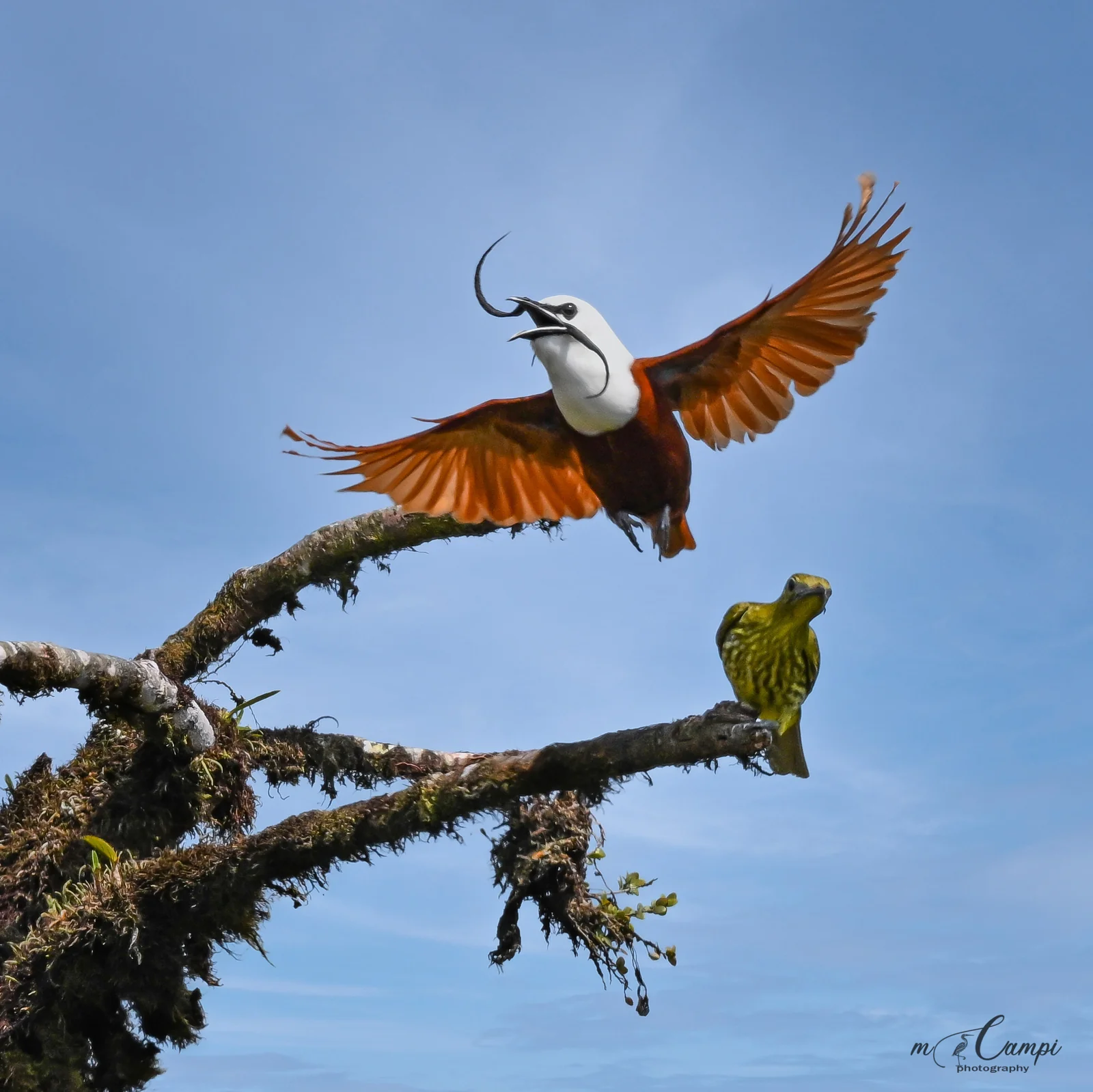
Monteverde is one of Costa Rica’s most celebrated birding destinations. Straddling the Continental Divide, its cool, misty forests protect an extraordinary range of habitats and birdlife. Birders come from around the world to see Monteverde’s remarkable birds. Resplendent Quetzals, Three-wattled Bellbirds, Black-breasted Wood-Quail, Northern Emerald Toucanets, Black Guans, and an impressive variety of hummingbirds are among the highlights.
But birding Monteverde, Costa Rica is about much more than finding a quetzal. Changes in elevation, moisture, forest maturity, and exposure create noticeably different habitats within a relatively small area. Visiting more than one reserve gives birders a much better opportunity to experience the birds of Monteverde, Costa Rica.
Why Monteverde Is Such an Important Birding Destination
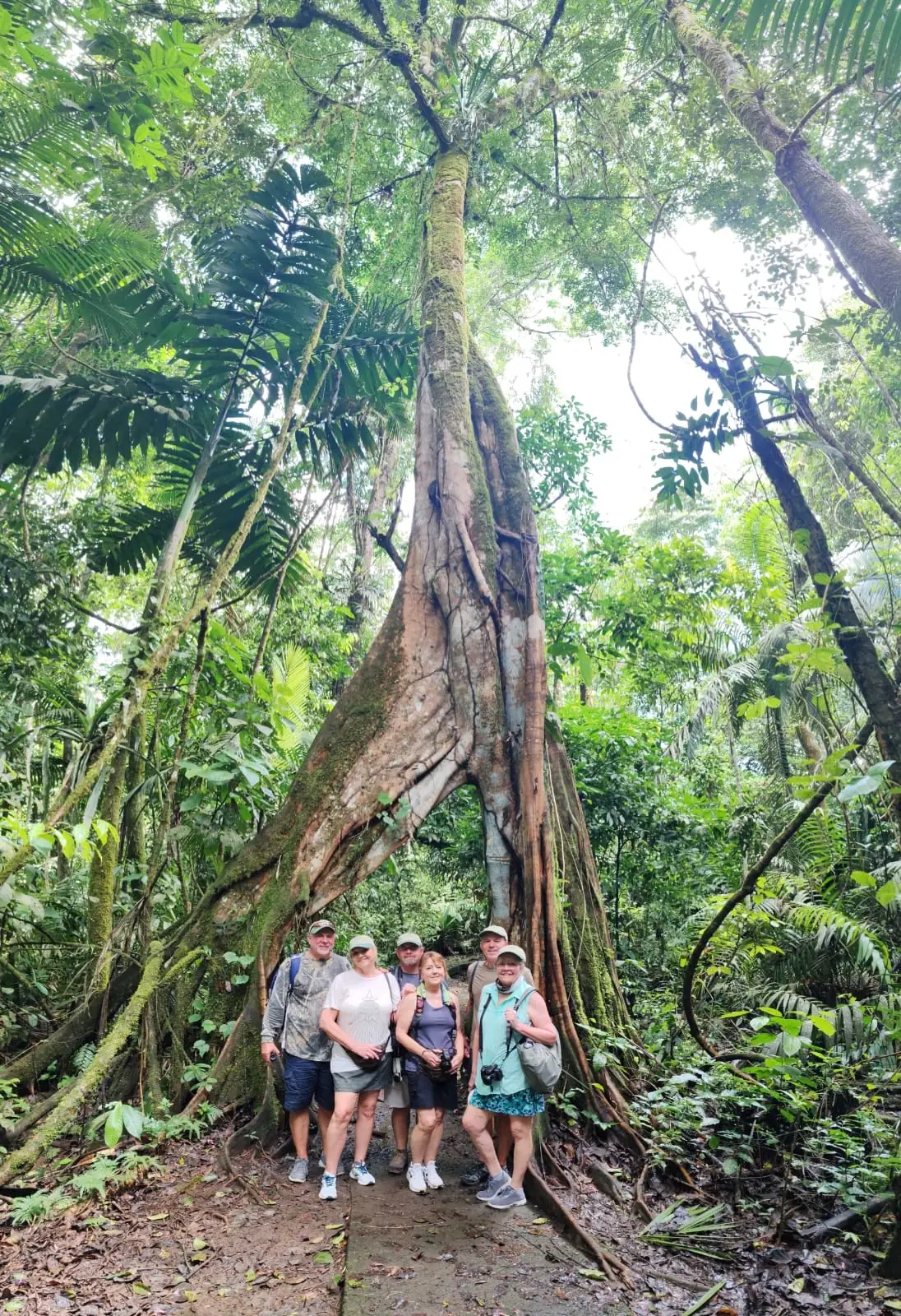
Monteverde lies high in the mountains of northwestern Costa Rica. Here, moisture-laden air rises along the Continental Divide. Clouds and mist move through the forest, supplying moisture directly to the vegetation and creating the lush environment we know as cloud forest.
Trees support remarkable communities of mosses, ferns, orchids, bromeliads, and other epiphytes. Fruiting trees provide food for quetzals, toucanets, guans, and other species, while flowers attract hummingbirds and insects support countless forest birds.
Even relatively small changes in elevation can influence which bird species occur. Primary forest, secondary growth, forest edge, open areas, and exceptionally wet high-elevation cloud forest create distinctly different birding opportunities.
The Best Monteverde Reserves for Bird Watching
Three reserves stand out for birders: Monteverde Cloud Forest Reserve, Curi Cancha Reserve, and Santa Elena Cloud Forest Reserve. Each provides a distinctly different experience.
Monteverde Cloud Forest Reserve
The Monteverde Cloud Forest Reserve protects the largest amount of untouched, pristine primary forest among the area’s principal reserves. The forest remains largely untouched, creating the classic cloud forest environment for which Monteverde became famous.
Walking here is an experience in itself. Huge trees rise above dark earth while vines, mosses, ferns, bromeliads, and orchids cover seemingly every available surface. The air feels cool, damp, and earthy. At times, you can almost taste the forest when you breathe.
For birders, that magnificent forest also creates a challenge. The canopy is dense, and birds can disappear into layers of foliage almost instantly. Patience and careful listening are particularly important here.
Trails range from moderate to more strenuous, with longer loops and steeper sections than those at Curi Cancha. The reserve also reaches the Continental Divide, where weather can change quickly and mist, wind, and moisture are all part of the experience.
Curi Cancha Reserve
Curi Cancha Reserve is different, and that is precisely what makes it such an important complement to the primary cloud forest.
The property combines primary forest, thriving secondary forest, forest edge, gardens, and open areas. Some of the land was formerly pasture and has since regenerated, creating a transition forest with a variety of habitats.
For bird watching in Monteverde, those open areas and forest edges can be extremely productive. Less-dense vegetation makes birds easier to locate, observe, and photograph, while species that favor forest edges and secondary growth add to the diversity.
Curi Cancha’s trails are generally easier to navigate, with broad, well-defined dirt paths and relatively gentle terrain. Its combination of habitat and visibility can make the reserve seem more active than the dense primary forest. It does not necessarily have “better” birds; many birds are simply easier to see.
Birders have recorded more than 200 species in the reserve, including Resplendent Quetzal, Three-wattled Bellbird, Orange-bellied Trogon, Keel-billed Toucan, and numerous hummingbirds.
Santa Elena Cloud Forest Reserve
At a slightly higher elevation, Santa Elena offers another variation on Monteverde’s cloud forest.
The reserve lies along a mountain ridge that captures considerable moisture. This creates an exceptionally lush forest filled with epiphytes. Mosses, ferns, orchids, bromeliads, and other plants cover trees and branches throughout the forest. In places, Santa Elena takes on the character of a true dwarf or elfin cloud forest.
It feels deep, dark, and remarkably quiet. Vegetation can be incredibly thick, making birds challenging to locate even when you know they are nearby. Trails also tend to be wetter and more rugged than those at Curi Cancha.
The slightly higher elevation can change the mix of species. That makes Santa Elena worth considering rather than treating it as another version of the Monteverde Cloud Forest Reserve. On clear days, viewpoints can reveal the Caribbean slope and even Arenal Volcano in the distance. But this is cloud forest, and mist is part of what makes Santa Elena what it is.
Which Monteverde Reserve Is Best for Birdwatching?
No single reserve is best for every birder.
Curi Cancha is often an excellent choice for seeing and photographing a wide variety of species. Its forest edges and open areas provide better visibility. Monteverde Cloud Forest Reserve offers extensive, pristine primary cloud forest, while Santa Elena adds slightly higher elevation and an exceptionally wet, dense forest environment.
For serious birders, combining Curi Cancha’s transition forest with one of Monteverde’s primary cloud forests provides a more complete experience.
Birds to Look for in Monteverde
The greater Monteverde region supports hundreds of bird species, but several are especially associated with birding here.
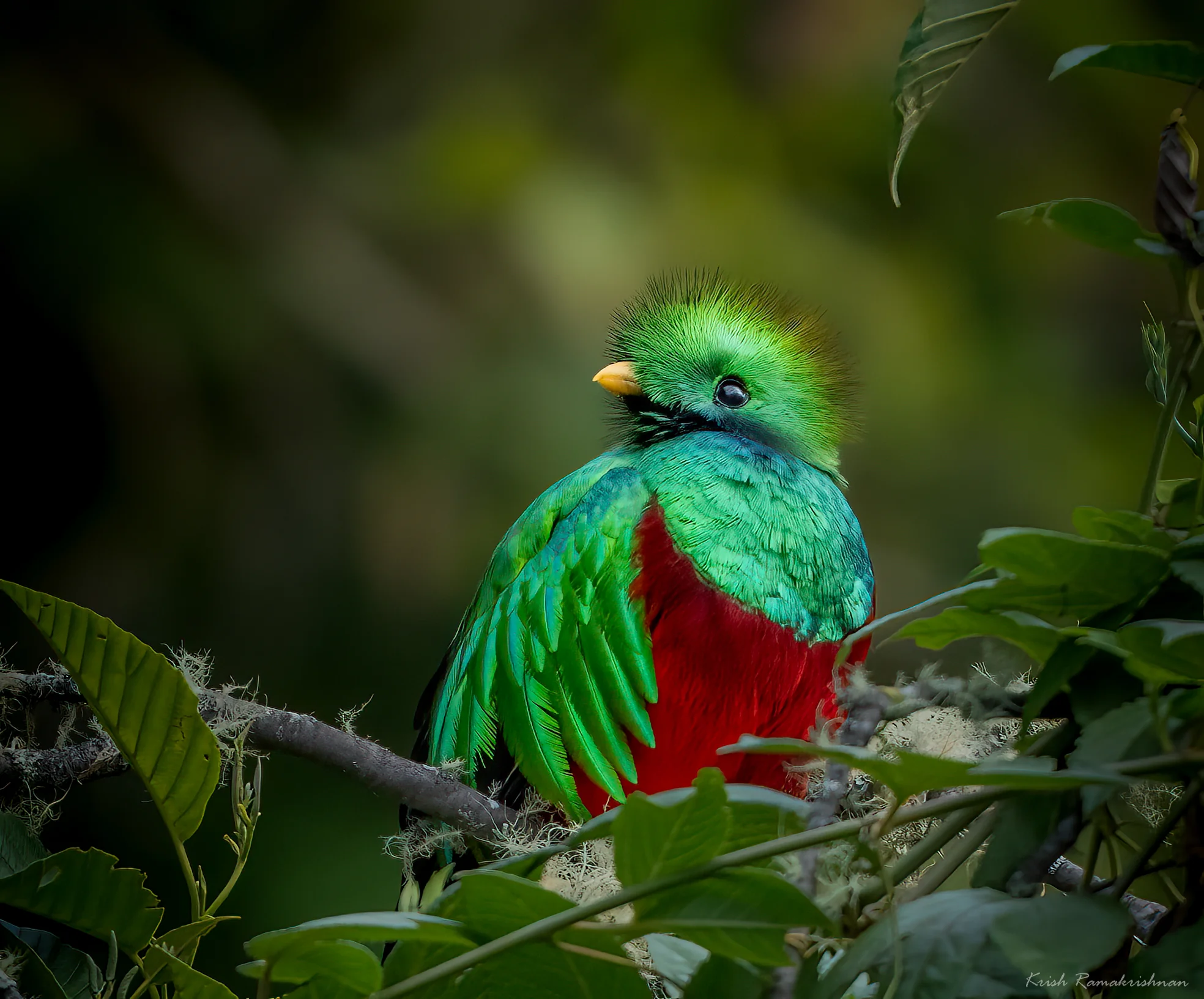
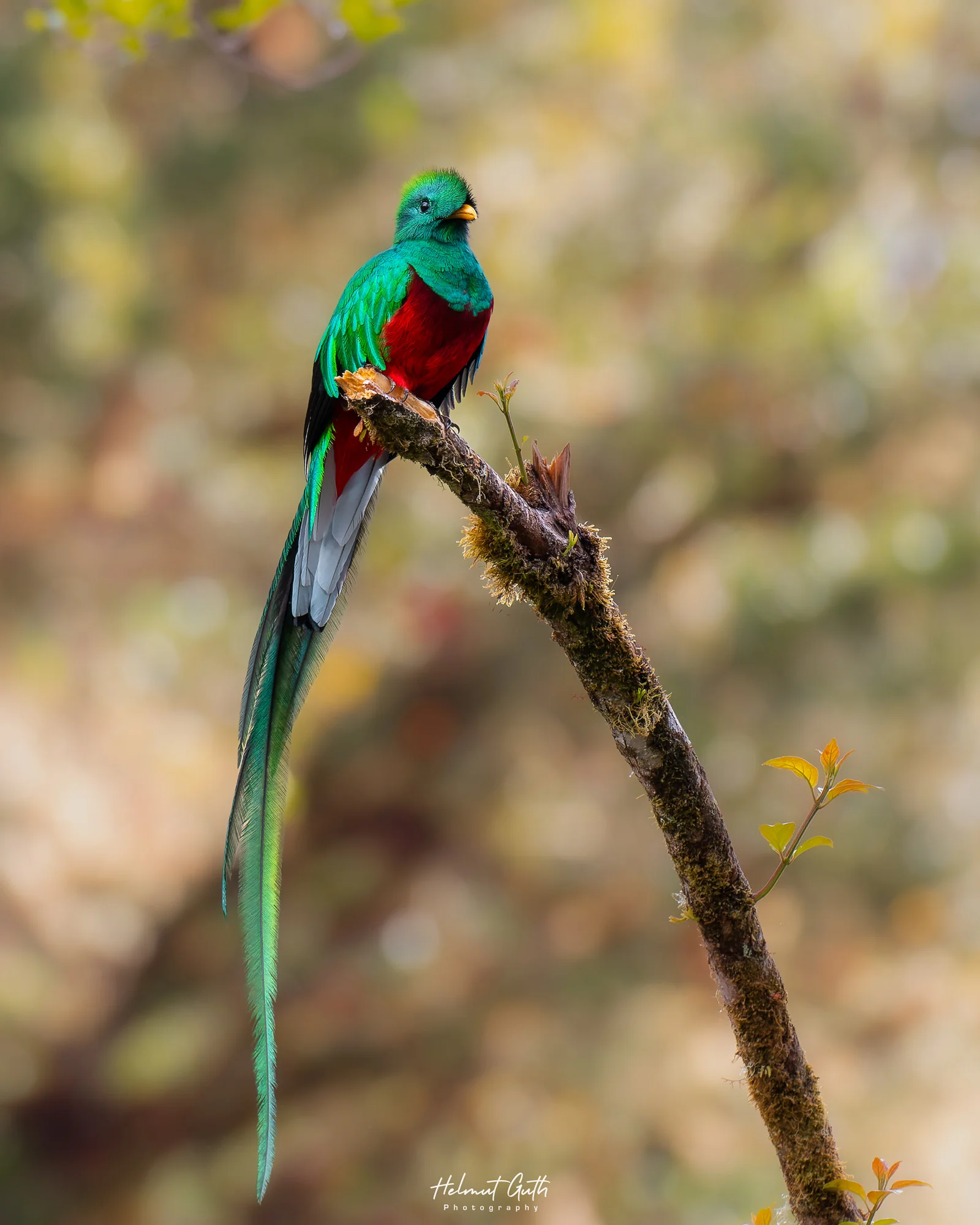
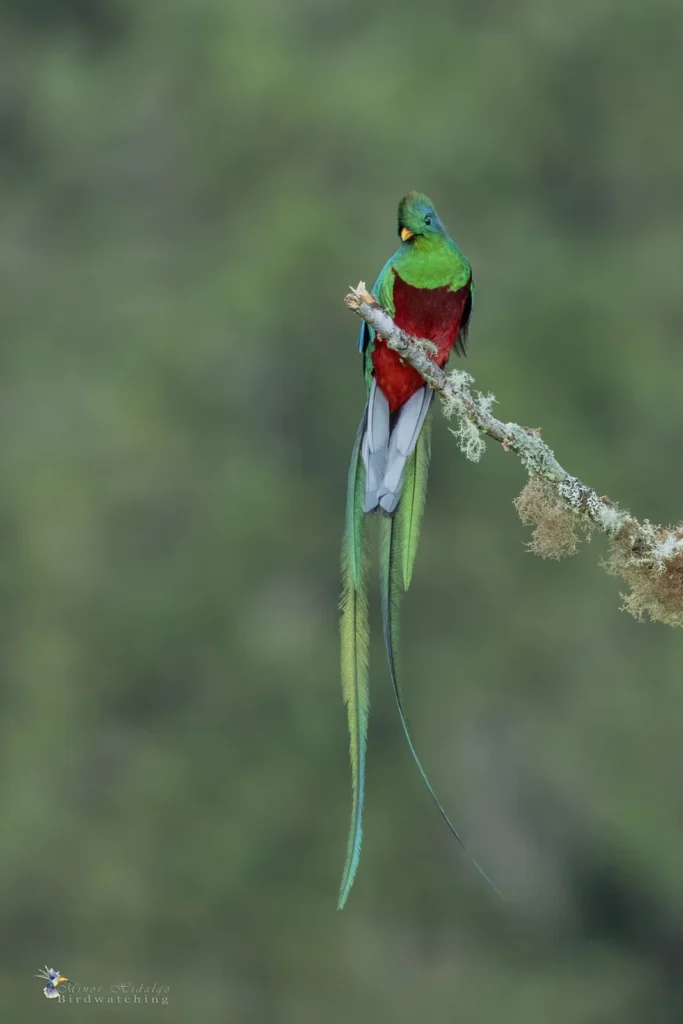
Resplendent Quetzal
For many visitors, the Resplendent Quetzal sits at the top of the target list.
Monteverde’s forests provide the fruiting trees and nesting habitat these spectacular birds require. Quetzals feed heavily on fruits from trees in the laurel family. They also consume insects and other foods.
Their brilliant green plumage can be surprisingly difficult to spot in dense foliage. During breeding season, the extraordinary elongated upper tail coverts of the male make an unforgettable sight as he moves through the cloud forest.
Quetzals undergo seasonal movements in response to breeding and food availability. A knowledgeable Monteverde bird guide who knows where birds have recently been feeding or nesting can substantially improve the chances of finding them.
Three-wattled Bellbird
You may hear a Three-wattled Bellbird long before you see one.
The male produces one of the most distinctive sounds in the Monteverde forest. Its remarkably loud, metallic call comes from high in the canopy. Even after hearing one, locating the bird can take time.
Bellbirds are seasonal visitors to the higher elevations around Monteverde and move to lower elevations during other parts of the year. Their presence and calling activity make certain months particularly exciting for birders.
Hummingbirds of Monteverde
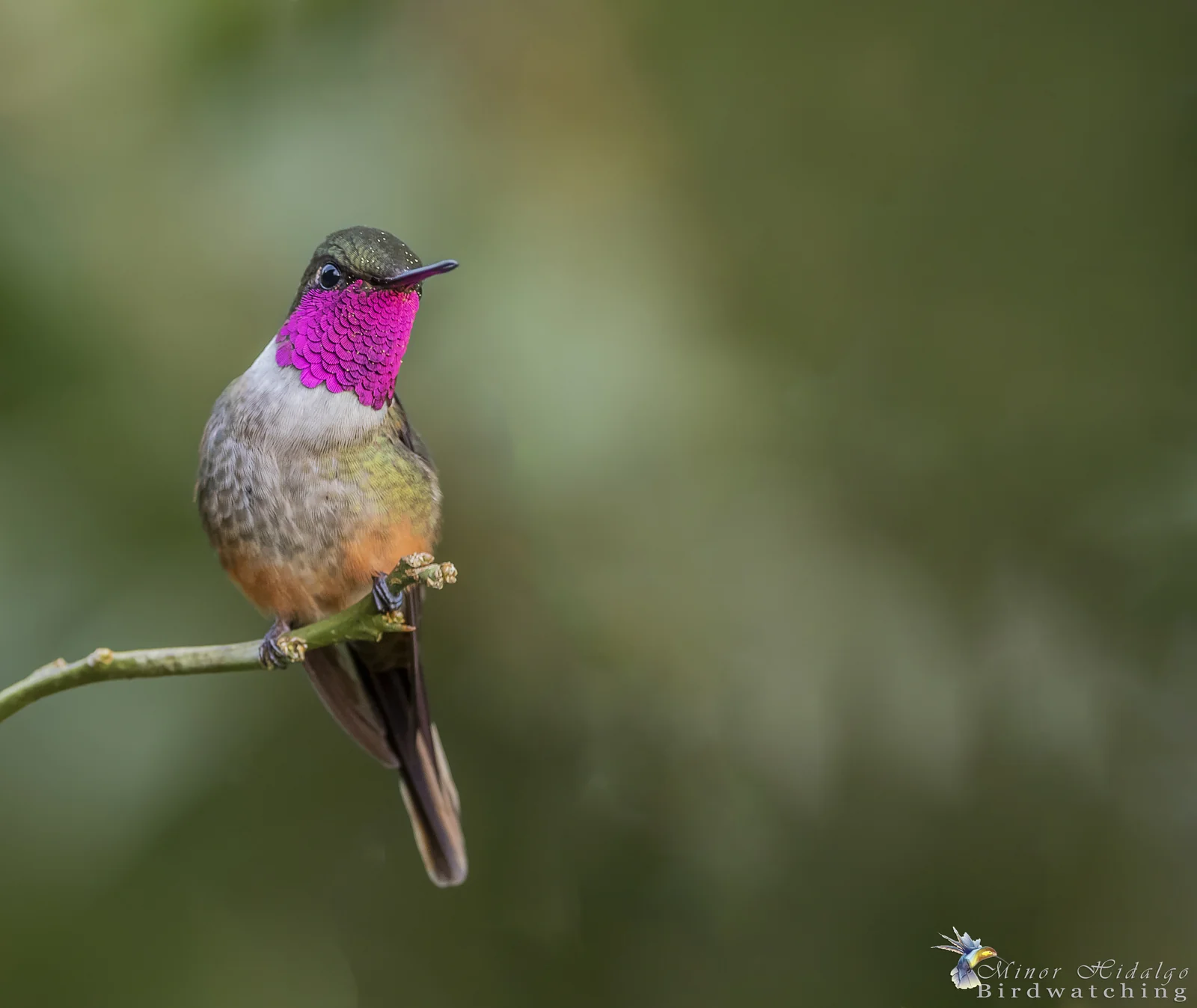
Monteverde is also an outstanding destination for hummingbirds. The large, deep-purple Violet Sabrewing is among the most memorable, while other species occupy different elevations and habitats throughout the region.
Hummingbird gardens can be particularly rewarding because several species may appear within a relatively small area, providing excellent opportunities to observe and photograph them.
More Monteverde Birds
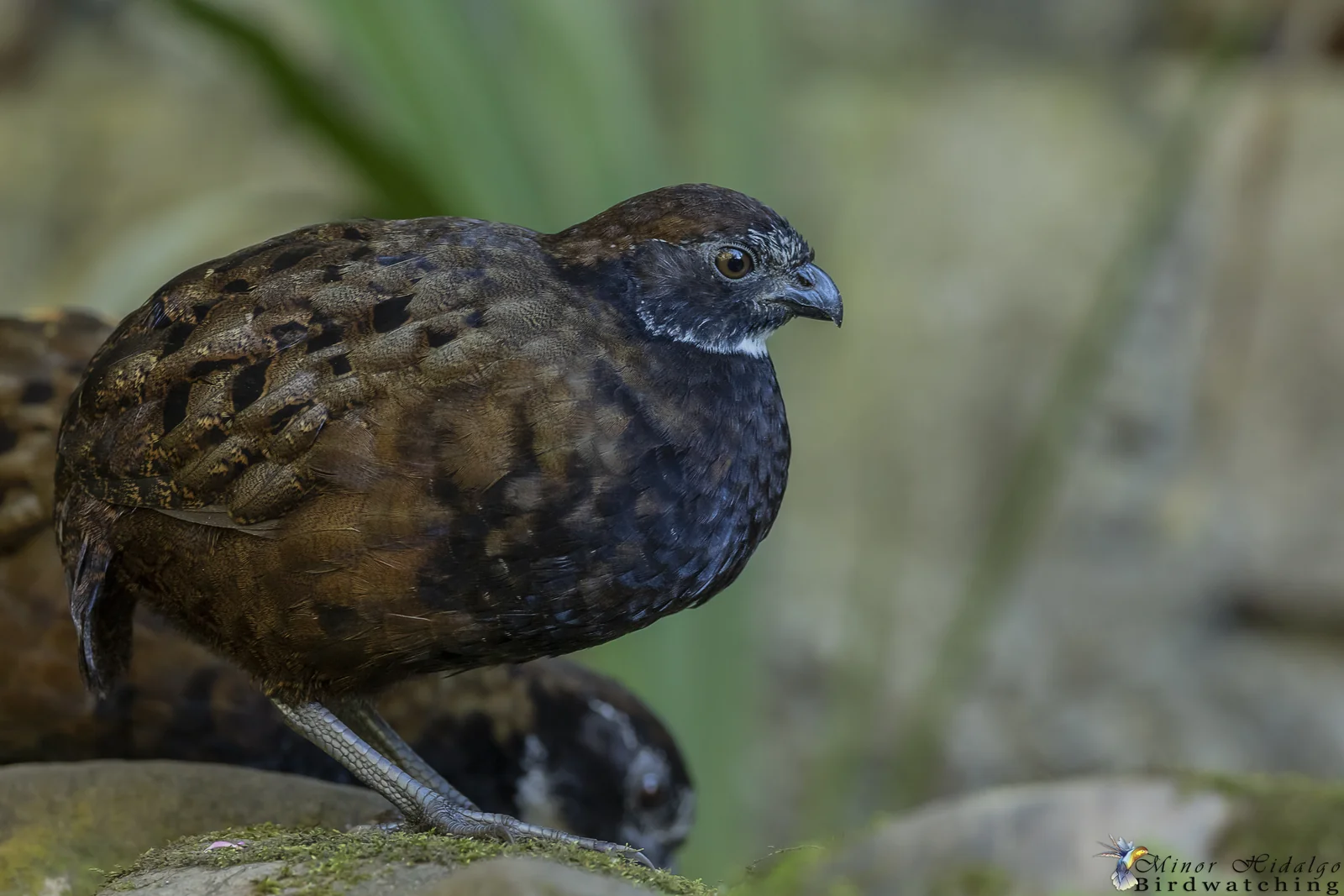
The headline species are only the beginning. Depending on habitat, elevation, season, and luck, birders may encounter Black-breasted Wood-Quail, Emerald Toucanet, Keel-billed Toucan, Black Guan, Orange-bellied Trogon, woodcreepers, flycatchers, tanagers, warblers, and mixed feeding flocks.
Migratory birds from North America add another dimension during their winter season in Central America. One moment, you may be searching the forest floor for a wood-quail; the next, following a mixed flock through the canopy or watching hummingbirds compete around flowering plants.
When Is the Best Time for Birding in Monteverde?
Monteverde offers excellent birding throughout the year, but the experience changes with the seasons.
Costa Rica’s dry season generally brings less rainfall and easier trail conditions, although Monteverde’s elevation and location mean mist, wind, and showers can occur even during the drier months.
Seasonal bird movements are often more important to birders than simply choosing between the dry and green seasons. Resplendent Quetzals move between elevations as breeding activity and food availability change. Three-wattled Bellbirds are seasonal in the higher Monteverde forests and become much more conspicuous when males are calling. North American migrants add to the species mix during the northern winter.
For birders with a particular target, the best time to visit therefore depends on the species they most hope to see.
Do You Need a Guide for Birding Monteverde?
No. Experienced birders can enjoy excellent birding independently, but a good local tour guide can make an enormous difference.
Cloud forest birding can be challenging. Birds call from dense vegetation, move quietly through the understory, join fast-moving mixed flocks, or remain high in a canopy that can be difficult to see through.
Local guides also know what has been happening recently, where a quetzal has been feeding, where bellbirds have been calling, or which trail has been particularly productive.
A private Monteverde bird watching tour can also focus on individual interests. A dedicated lister may concentrate on difficult targets. A photographer may prefer fewer species and more time with individual birds in areas with better visibility.
Planning Your Monteverde Birding Experience
A single morning cannot show you everything Monteverde offers. Two or more birding sessions allow you to experience different habitats and reserves. A strong itinerary might combine Curi Cancha with the primary forest of the Monteverde Cloud Forest Reserve or the higher, wetter habitat at Santa Elena.
Early mornings generally provide excellent birding, but rain, mist, and wind are normal parts of the cloud forest. Photographers should also consider visibility: forest edges, gardens, and secondary growth often provide more light and clearer views than the dark interior of primary forest.
A Monteverde bird tour works best when created around the birds rather than simply around the most famous reserve. When planning a bird watching tour, Monteverde offers enough habitat diversity to make more than one birding session worthwhile.
Frequently Asked Questions About Birding Monteverde
What birds can you see in Monteverde?
Resplendent Quetzal, Three-wattled Bellbird, Violet Sabrewing, Emerald Toucanet, Black Guan, Black-breasted Wood-Quail, Orange-bellied Trogon, and numerous hummingbirds are among the species birders may encounter.
Where is the best birding in Monteverde?
Curi Cancha, Monteverde Cloud Forest Reserve, and Santa Elena all offer excellent birding. Curi Cancha generally provides easier visibility, while Monteverde and Santa Elena offer denser primary cloud forest.
Can you see the Resplendent Quetzal in Monteverde?
Yes. Monteverde is an important area for Resplendent Quetzals. No one can guarantee a sighting, but knowledgeable local guides can improve your chances by following recent feeding and nesting activity.
Which Monteverde reserve is best for birdwatching?
Curi Cancha is often a strong choice for easier observation and photography. Dedicated birders should consider combining it with Monteverde Cloud Forest Reserve or higher-elevation Santa Elena. Any of the three reserves can produce sightings of many beautiful birds. Arrange a quality guide for your birdwatching tour and enjoy the top species of the cloud forest.
Do you need a bird guide in Monteverde?
No, but a guide can greatly improve the experience. Local guides bring valuable knowledge of bird calls, habitats, recent sightings, and seasonal movements. A guided night tour is also an exciting option to experience the cloud forest in a new way.
What is the best time of year for birding in Monteverde?
Monteverde offers birding throughout the year. The best time depends on your target species because quetzals, Three-wattled Bellbirds, and North American migrants have different seasonal patterns. The birds of the Monteverde cloud forest are always waiting for you.
Birding Monteverde, Costa Rica: Cloud Forest Species, Reserves and When to Go
Get a Free Quote
See Most Recent Posts
Trip Report: Tracking the Trogons, Costa Rica Birding in January
Ten birders, 11 days, 319 species and six of Costa Rica’s nine trogons. The full trip report from Tracking the…

Birding San Gerardo de Dota: Quetzals, Highland Birds and How
San Gerardo de Dota is Costa Rica’s quetzal valley. How to get there, where the guides find Resplendent Quetzals, the…

How Much Does a Costa Rica Birding Tour Cost? What
A Costa Rica birding tour with Costa Rica Focus typically costs $3,400 to $7,400 per person for 8 to 11…