Best Time for Birding in Costa Rica: A Month-by-Month Guide
Costa Rica has no single birding season. A month-by-month guide to Pacific and Caribbean weather, quetzal season, migrant arrivals and the best time of day to bird.
When is the best time to visit Costa Rica for birding? Costa Rica has no single birding season. Most of the birds people travel here to see are resident birds. What changes throughout the year are the weather and bird activity. Migration, nesting, and fruiting trees can all affect which birds you see and where you find them.
Understanding Costa Rica’s geography also matters. Many visitors assume the rainy and dry seasons affect all of Costa Rica in the same way. They don’t. The differences are important.
The Pacific side has distinct wet and dry periods. The Caribbean side follows a different weather pattern. Costa Rica also has dramatic changes in elevation, from hot tropical lowlands to cool cloud forests. The best time for birding in Costa Rica depends on where you want to go and what you hope to see. There is no single Costa Rica birding season that works best for every birder.
Pacific vs. Caribbean: Understanding Costa Rica’s Birding Weather
Weather may influence your travel dates if you plan to spend significant time birding on the Pacific side. December through April generally brings the most sunshine and least rain to Pacific destinations. This is the period most people think of as Costa Rica’s dry season. Birders who prefer consistently sunny days may favor dry season birding on the Pacific side of Costa Rica.
May through July marks a transition. Rainfall increases, particularly in the afternoon, and the countryside turns brilliantly green. Gardens flourish, flowering plants attract hummingbirds, and fruiting trees can become centers of bird activity. Morning birding is highly productive.
August through November brings the rainiest period to much of the Pacific side. That doesn’t mean birding stops. Early mornings frequently provide productive time in the field before afternoon rains arrive.
The Caribbean side tells a different story.
The Caribbean has no defined dry season like the Pacific. Throughout the year, you can wake to sunshine, encounter a rain shower, and find yourself back in sunshine again. Rain and sunshine remain possible throughout the entire year.
For birders, that distinction matters. During the Pacific rainy season, consider spending more time in the Caribbean lowlands and foothills. You can still include carefully planned visits to Pacific destinations.
Costa Rica Birding Month by Month
| Months | What Birders Can Expect |
|---|---|
| December to January | Dry season on the Pacific, and Caribbean birding remains productive. North American migrants have arrived. Birding in December and January combines resident birds with North American migrants. |
| February to March | Sunny conditions continue on the Pacific. Resplendent Quetzal nesting activity increases in the highlands. February and March are especially popular. Birders can combine the highlands, Pacific habitats, and other regions. |
| April | The Pacific dry season begins winding down. Many North American migrants begin their journey north. |
| May to June | The Pacific becomes greener as rainfall increases. Lush gardens produce excellent bird activity. The Caribbean remains filled with activity. |
| July | Pacific landscapes remain lush and green. Mornings often bring good birding conditions before showers develop later in the day. |
| August to September | Rain increases on much of the Pacific side. The Caribbean remains an excellent option, and the first North American migrants begin appearing by mid to late September. |
| October to November | The wettest period on the Pacific coincides with peak fall migration. Large numbers of North American migrants arrive or pass through Costa Rica. |
What Is the Best Time of Day to Birdwatch?
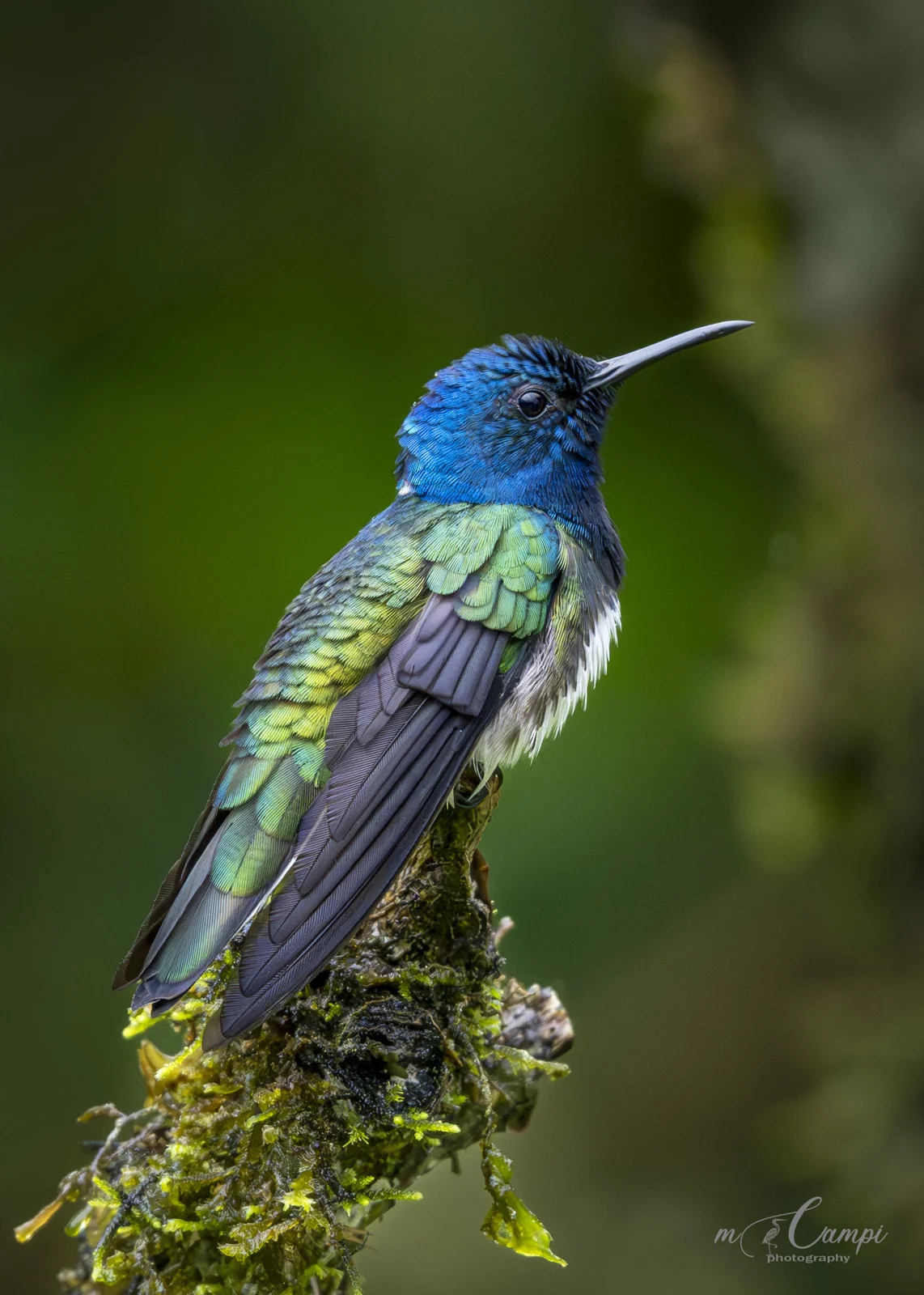
Regardless of the month, early morning is the best time of day to birdwatch.
Birds wake hungry and active. They begin feeding, calling, and moving through the forest soon after daylight. Those first few hours often provide some of the day’s most productive bird watching.
Temperatures also remain cooler in the morning. As the tropical heat builds, birds and other wildlife often retreat into the shaded forest. This can make them more difficult to see.
Late afternoon provides another productive time for birding. Temperatures begin to fall, birds become more active again, and many species feed before heading to their evening roosts.
Rain can create another surprisingly good opportunity. A passing shower doesn’t necessarily ruin a day of birding. Once the rain stops, birds often emerge from the forest and perch in exposed areas or patches of sunlight to dry their feathers. Some of our most productive birding can happen immediately after a rainfall.
Is the Rainy Season a Bad Time to Bird in Costa Rica?
No. Green season birding in Costa Rica can be excellent. Costa Rica’s Pacific and Caribbean regions follow different weather patterns. Rain on the Pacific doesn’t mean poor birding throughout the country. Different parts of the country can experience completely different weather on the same day.
Even during the Pacific rainy season, mornings often provide good opportunities before afternoon showers develop. A knowledgeable birding guide can adjust the day’s plans around local weather conditions and bird activity.
Don’t automatically avoid the rainy season if Pacific species appear on your target list. You simply need to plan wisely.
When Is Quetzal Season in Costa Rica?
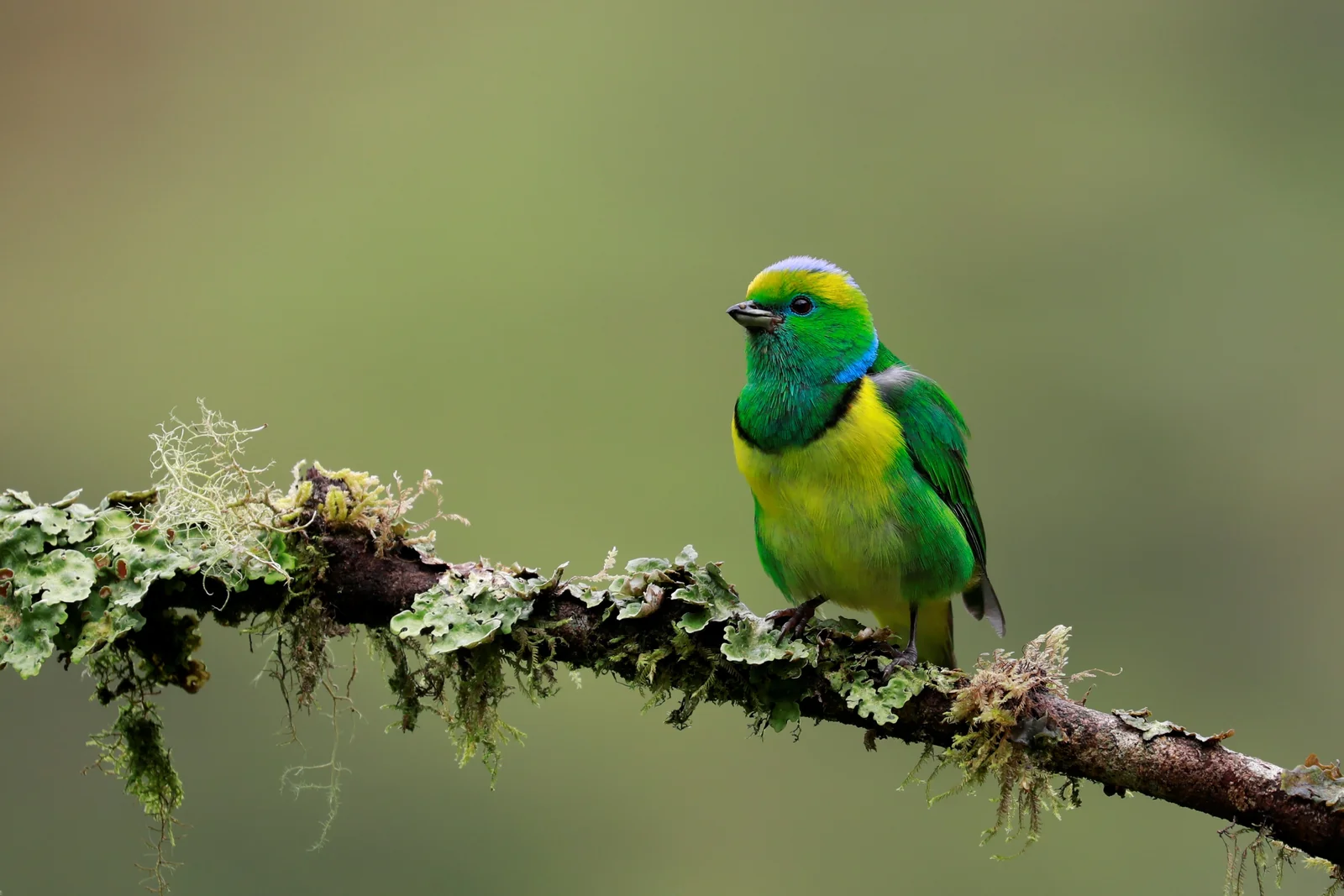
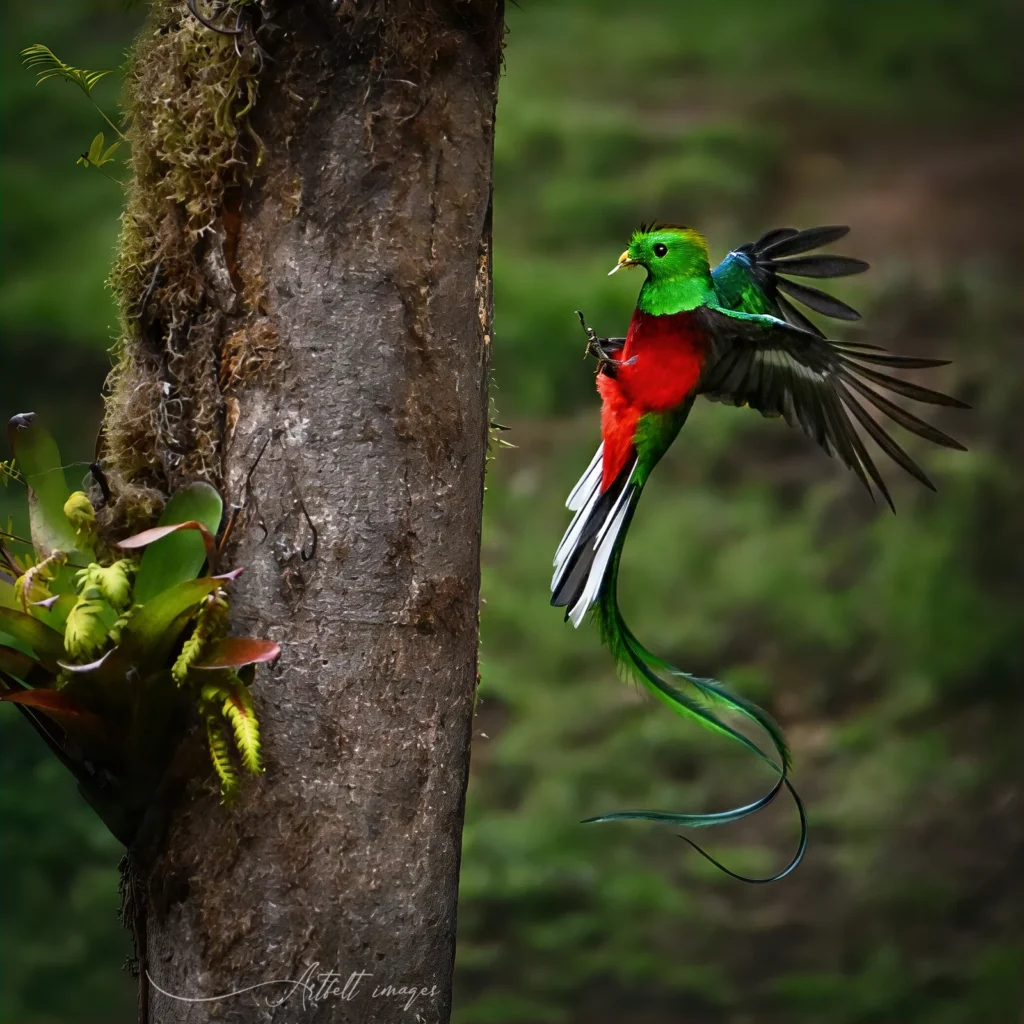
The Resplendent Quetzal lives in Costa Rica throughout the year. You do not have to travel during a particular month to have an opportunity to see one. The nesting season runs from late January through May. Quetzal activity increases from February through April. Pairs establish nests, chicks hatch, and adults make frequent trips to feed their young.
That increased activity can make quetzals easier to locate. It also gives birders an opportunity to observe behaviors they won’t necessarily see at other times.
Outside nesting season, quetzals don’t disappear. Experienced guides know the highland habitats, feeding areas, and fruiting trees that quetzals use throughout the year.
When Do North American Migrants Arrive?
The Costa Rica bird migration season brings a wide variety of visiting birds. They join a country already rich in resident species. North American migratory birds generally begin arriving in mid to late September. Common migratory species include warblers, vireos, shorebirds, and raptors. The number and variety of migrants increase significantly during October and November.
By late March and early April, many begin their northward journey toward breeding grounds in North America.
Birders may recognize many of these migrants from home. In Costa Rica, visiting reserves and national parks, you can see them alongside toucans, trogons, hummingbirds, and Scarlet Macaws. That combination adds to the fun of birdwatching in Costa Rica.
Does the Best Time Change Depending on Which Birds You Want to See?
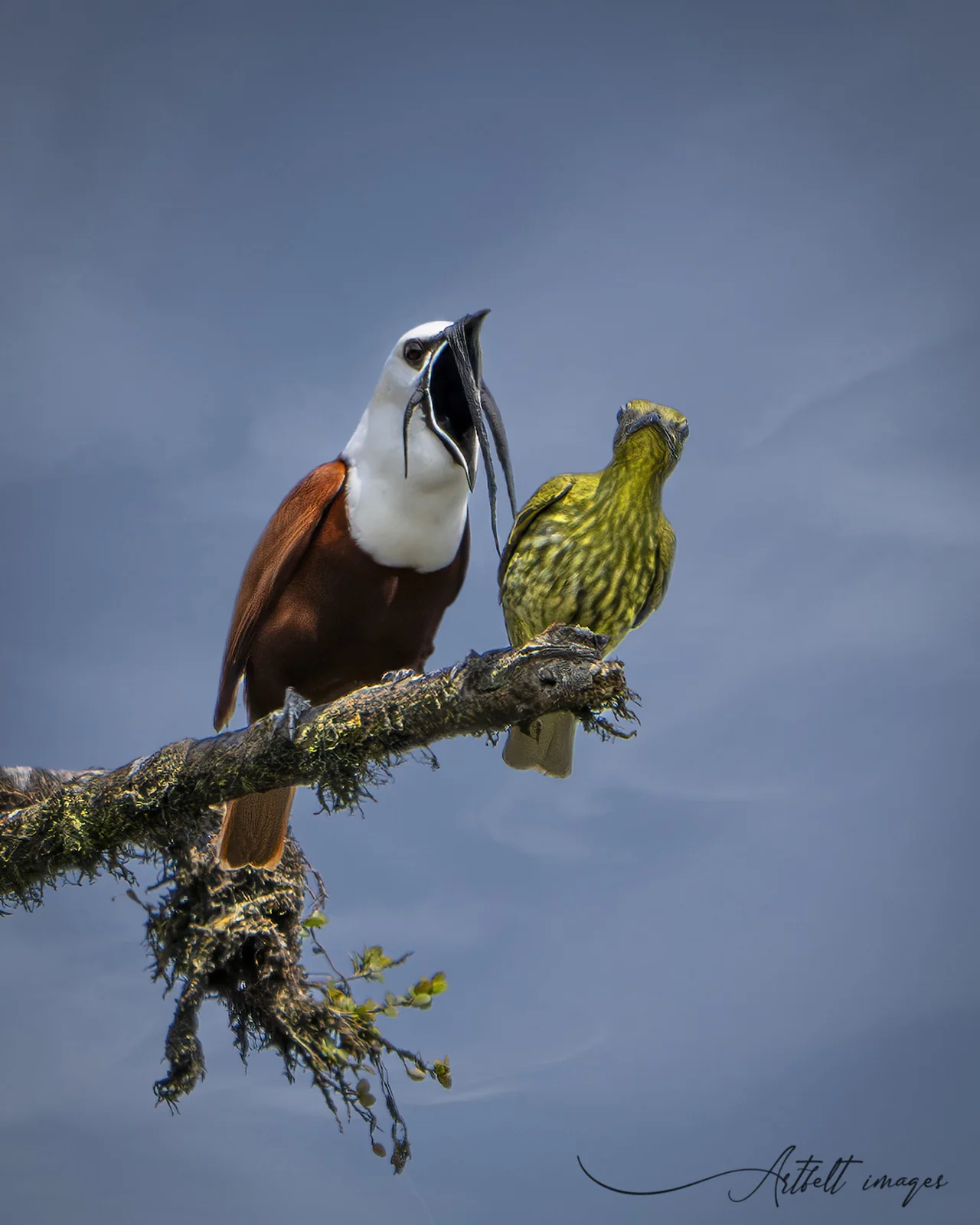
Yes, and this may be the most important consideration when deciding the best time to bird watch in Costa Rica. Many Costa Rican species remain in the country year-round, but that doesn’t mean they’re equally easy to find every month. Nesting behavior, food availability, and seasonal movements can all affect where birds occur and how conspicuous they become.
The Three-wattled Bellbird provides a perfect example. Bellbirds make seasonal movements within Costa Rica. During nesting season, males produce their extremely loud, metallic calls. That vocal activity makes locating them considerably easier during certain times of the year.
This is where a target list becomes important.
If your dream trip revolves around a particular bird or group of birds, start with those species. Don’t choose your travel dates based only on which month has the least rain.
Start with the birds. Determine where they occur, whether they make seasonal movements, and when their behavior makes them most detectable. Then build the trip plan around those factors.
So, When Should You Go Birding in Costa Rica?
For sunshine and extensive Pacific birding, consider December through April. These months provide the most predictable dry-season conditions.
If you don’t mind some rain and enjoy lush, green landscapes, May through July can be beautiful. During the wetter months of August through November, consider spending more time in Caribbean destinations. October through March offers the greatest overlap between North American migrants and Costa Rica’s resident species. Resplendent Quetzals nest from late January through May, with increased activity from February through April.
But after years of planning birding trips throughout Costa Rica, our answer remains remarkably simple:
The best time of year for birding in Costa Rica is the time that matches the birds you want to see and the regions you want to explore.
Costa Rica offers extraordinary bird watching every month of the year. Instead of searching for one perfect season, plan around habitats, target species, migration, and regional weather. This approach can help maximize your bird count.
That’s how you choose the right time to go birding and make the most of every morning in the field.
Frequently Asked Questions About the Best Time for Birding in Costa Rica
When is the best time to visit Costa Rica for birding?
There is no single best season. Most of the birds people travel to see are residents, so what changes through the year is weather and bird activity. December through April brings the most predictable dry conditions on the Pacific side, while the Caribbean side has no true dry season and stays productive year-round. The best time is the one that matches the birds you want to see and the regions you want to explore.
Is the rainy season a bad time to bird in Costa Rica?
No. Green season birding can be excellent. Rain on the Pacific does not mean poor birding across the country, and different regions can have completely different weather on the same day. Even during the Pacific rainy season, mornings usually provide good opportunities before afternoon showers develop.
When is quetzal season in Costa Rica?
Resplendent Quetzals live in Costa Rica year-round. Nesting runs from late January through May, with activity increasing from February through April, when pairs establish nests and adults make frequent trips to feed their young. That activity makes them easier to locate, but experienced guides find quetzals in the highlands at any time of year.
When do North American migrants arrive in Costa Rica?
Migrants generally begin arriving in mid to late September, and their numbers and variety increase significantly during October and November. By late March and early April, many begin their northward journey. October through March offers the greatest overlap between migrants and resident species.
What is the best time of day to birdwatch?
Early morning, regardless of the month. Birds wake hungry and active, and those first few hours are often the most productive. Late afternoon is another good window as temperatures fall, and the period right after a rain shower can be surprisingly productive as birds emerge to dry their feathers.
Does the best time depend on which birds you want to see?
Yes. Many species are present year-round but are not equally easy to find every month. Nesting behavior, food availability and seasonal movements all affect where birds occur and how conspicuous they are. If you have target species, start with them, learn when their behavior makes them most detectable, and plan your dates around that rather than around the driest month.
Best Time for Birding in Costa Rica: A Month-by-Month Guide
Get a Free Quote
See Most Recent Posts
How to Choose a Birding Tour Company in Costa Rica
Guides, group size, local knowledge, flexibility and in-country support matter more than the itinerary. What to look for and what…

The Agami Heron: Where to See Costa Rica’s Most Elusive
The Agami Heron is one of Costa Rica's most striking and elusive wetland birds. Where to see it, when to…

Birding in Costa Rica in May: Weather, Bird Activity, and
May is a strong month for birding in Costa Rica — breeding activity, soft photography light, quiet reserves, and better…