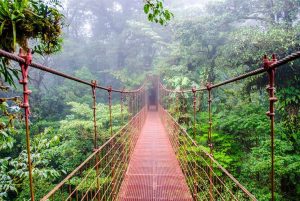
Tucked into the Talamanca Highlands below Cerro de la Muerte, San Gerardo de Dota is a beautiful mountain valley and one of Costa Rica’s premier birding destinations. The cloud forests of the Savegre Valley are famous for their year-round population of Resplendent Quetzals and are home to many of Costa Rica’s highland specialties. San Gerardo de Dota birding combines quetzals, Talamanca endemics and near-endemics, and an impressive variety of birds across a range of elevations, making the valley an important stop on a birding trip to Costa Rica.
Getting to San Gerardo de Dota and How Long to Stay

San Gerardo de Dota is about 54 miles (87 km) from San José, with a driving time of approximately 2 to 3 hours. The route follows the Inter-American Highway (Route 2) into the Talamanca Highlands, climbing to Cerro de la Muerte before descending into the Savegre Valley. The road is paved but mountainous and winding, with fog, slow-moving trucks and limited shoulders in some areas.
San Gerardo de Dota elevation changes considerably throughout the area. Cerro de la Muerte reaches 11,322 feet (3,451 meters) above sea level, while much of the productive birding takes place lower in the valley. Savegre Hotel is at approximately 7,220 feet (2,200 meters), while Paraíso Quetzal Lodge sits higher at about 8,500 feet (2,600 meters). These changes in elevation give birders access to different habitats and species within a relatively small area.
For birders, our guides recommend a minimum of two nights in San Gerardo de Dota. Photographers often benefit from two to three nights, particularly when targeting specific species or allowing extra time to photograph Resplendent Quetzals, including opportunities for birds in flight and nesting.
Resplendent Quetzals in San Gerardo de Dota

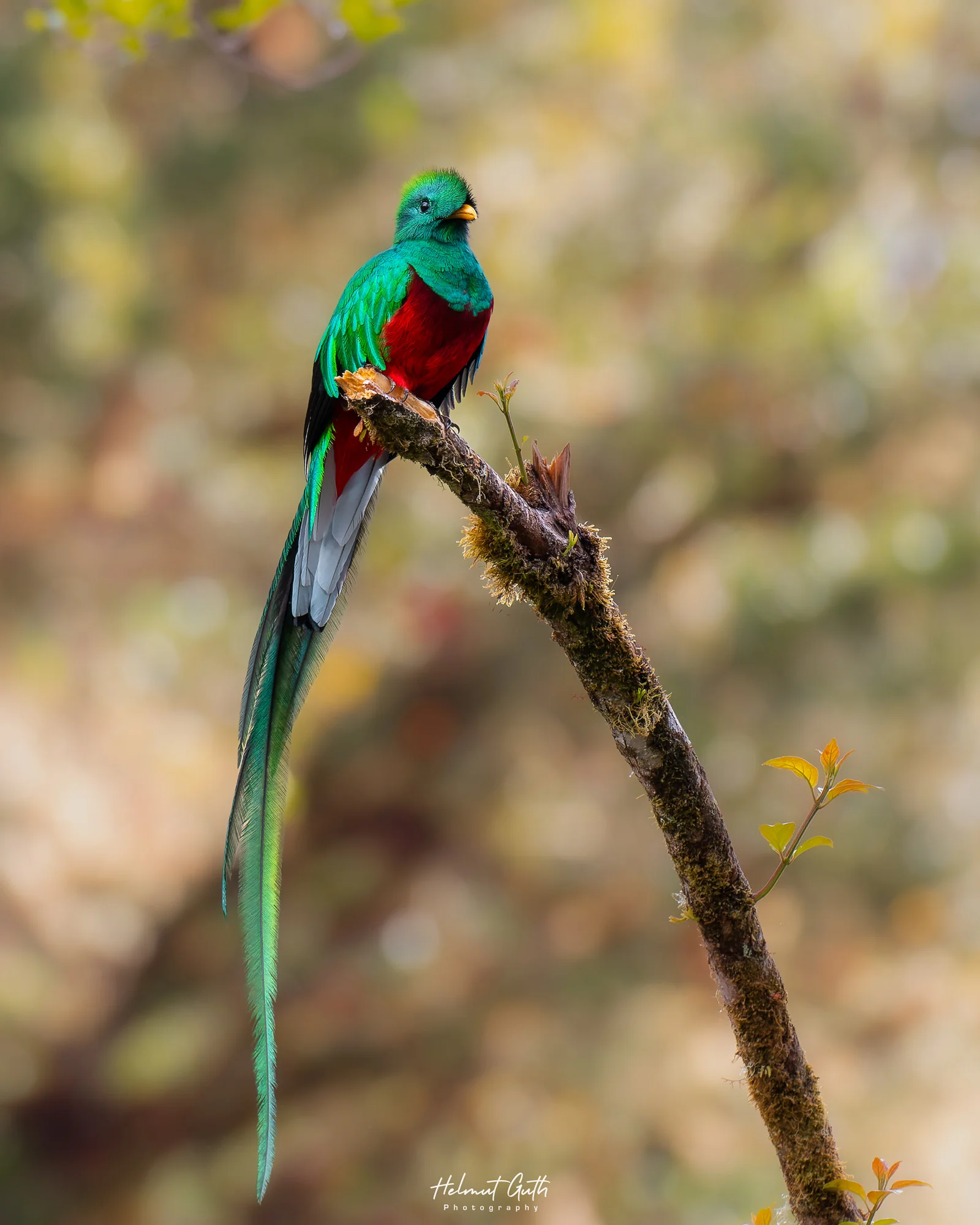
San Gerardo de Dota is one of the most reliable places to see the Resplendent Quetzal in Costa Rica, with birds present in the valley throughout the year. Nesting season runs from January through May, with peak activity from February through April. During this period, quetzals are more active as they gather nesting material and later make frequent trips to feed their chicks.
Our guides are exceptional at finding quetzals, but several areas are especially productive. The grounds and forests around Savegre Hotel are excellent for birding, and our guides regularly find quetzals throughout the valley and into Los Quetzales National Park. At Paraíso Quetzal Lodge, guests can visit private properties participating in the Kábek Conservation Program, where local families have restored habitat and planted native wild avocado trees that provide important food for quetzals.
A typical quetzal tour in San Gerardo de Dota begins around sunrise, usually about 5:45 a.m. Birding continues until approximately 8:00 a.m., followed by breakfast and another morning session until lunchtime. After a midday break, birding often resumes around 2:00 or 3:00 p.m.
Quetzals are present year-round, but finding them outside nesting season can require more patience. Like other trogons, they may perch quietly for long periods, and despite their brilliant colors, they can be surprisingly difficult to spot among the forest vegetation. During nesting season, their increased activity makes them easier to locate and creates more opportunities to observe and photograph them.
Other Birds of the Savegre Valley and Where to Find Them

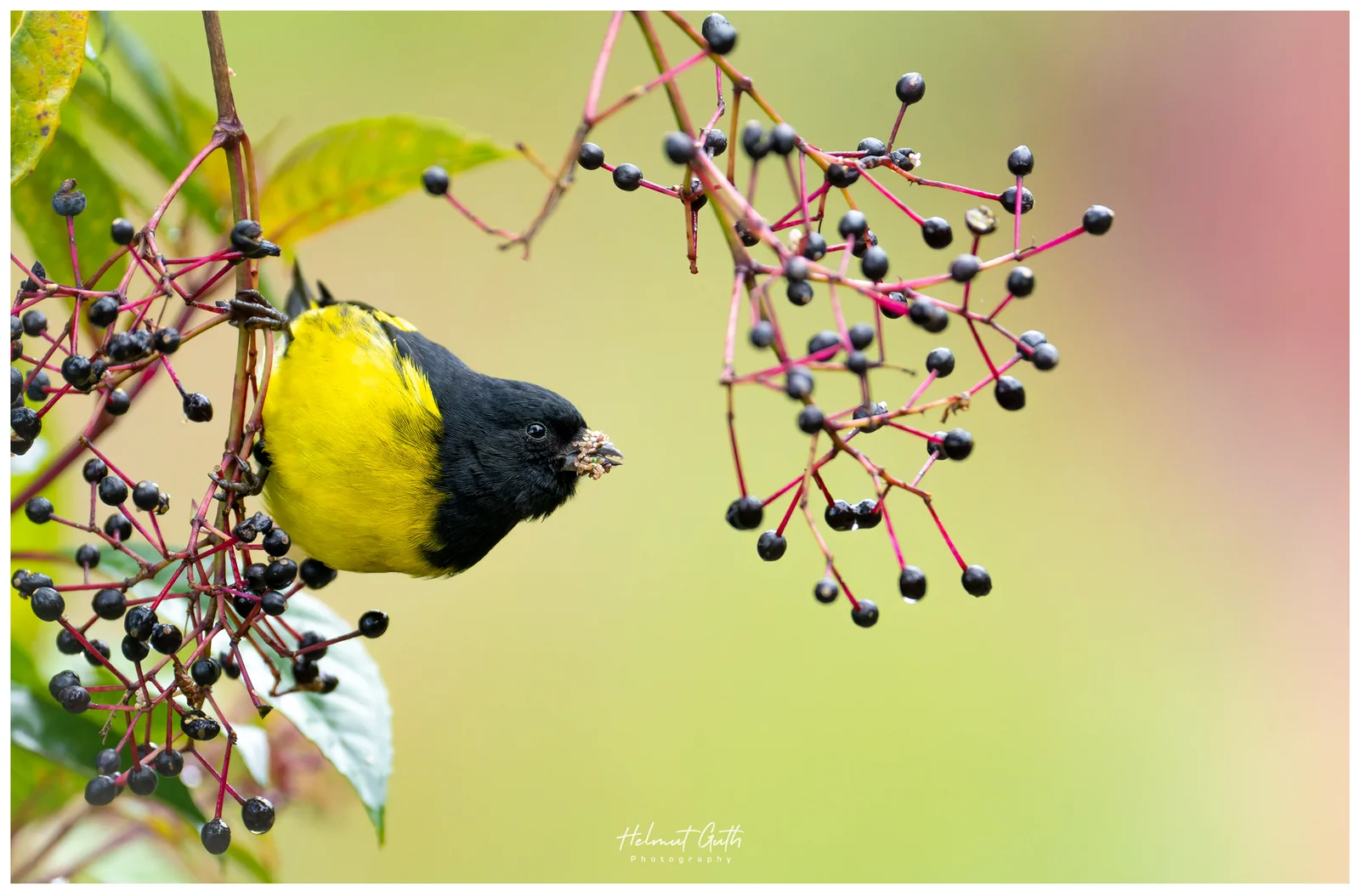
The Resplendent Quetzal may be the star of San Gerardo de Dota, but the Talamanca Highlands support an exceptional variety of highland birds. Many are regional endemics or near-endemics with ranges largely restricted to the mountains of Costa Rica and western Panama. Black Guan, Fiery-throated Hummingbird, Volcano Hummingbird, White-tailed Emerald, Ruddy Treerunner, Dark Pewee, Long-tailed Silky-flycatcher, Spangle-cheeked Tanager, Sooty-capped Chlorospingus, Yellow-winged Vireo and Golden-browed Chlorophonia are among the specialties birders come here to find.
Savegre Private Reserve and Trails
The private reserve surrounding Savegre Hotel offers some of the most productive forest birding in the valley. Trails begin around the gardens and orchards and climb into mature high-elevation forest, allowing birders to explore different habitats and elevations.
La Quebrada Trail passes through beautiful highland forest and is productive for many of the Talamanca specialties. Visitors look for the Highland Tinamou, Dusky Nightjar, Silvery-throated Jay and the Rufous-browed Peppershrike. La Catarata Trail follows the Savegre River and is particularly useful for finding species associated with fast-moving mountain streams, including American Dipper and Torrent Tyrannulet. Our guides also find quetzals along these trails.
Batsú Gardens

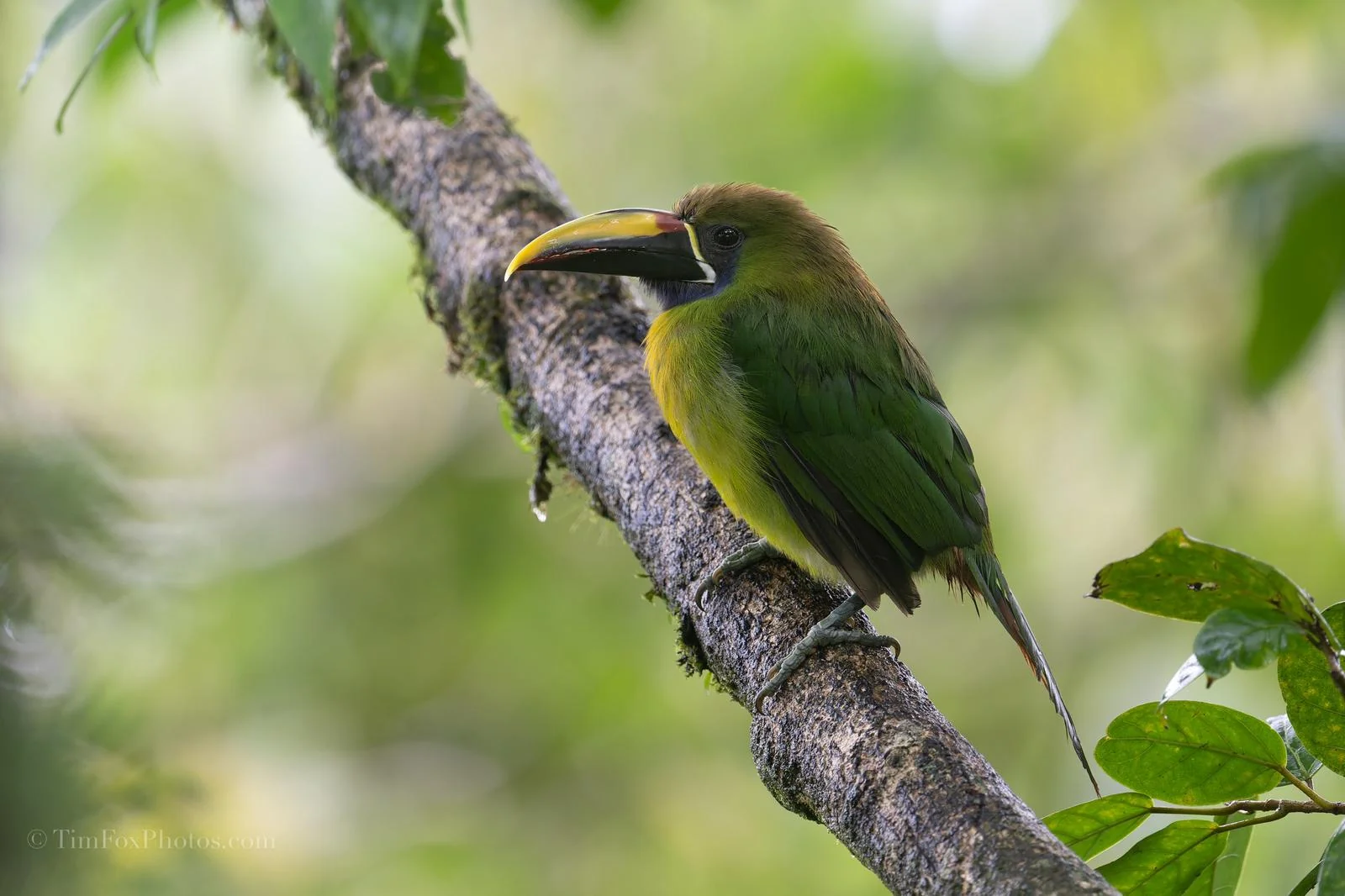
Batsú Gardens combines forest habitat, gardens and feeding stations, making it particularly productive for both birders and photographers. Fiery-throated, Volcano and Scintillant Hummingbirds are among the possibilities, along with the Spotted Wood-Quail, Northern Emerald-Toucanet, Golden-browed Chlorophonia and Long-tailed Silky-flycatcher. The comfortable viewing areas also allow birders to spend time watching activity around the feeding stations rather than continually moving along a trail.
Paraíso Quetzal Lodge
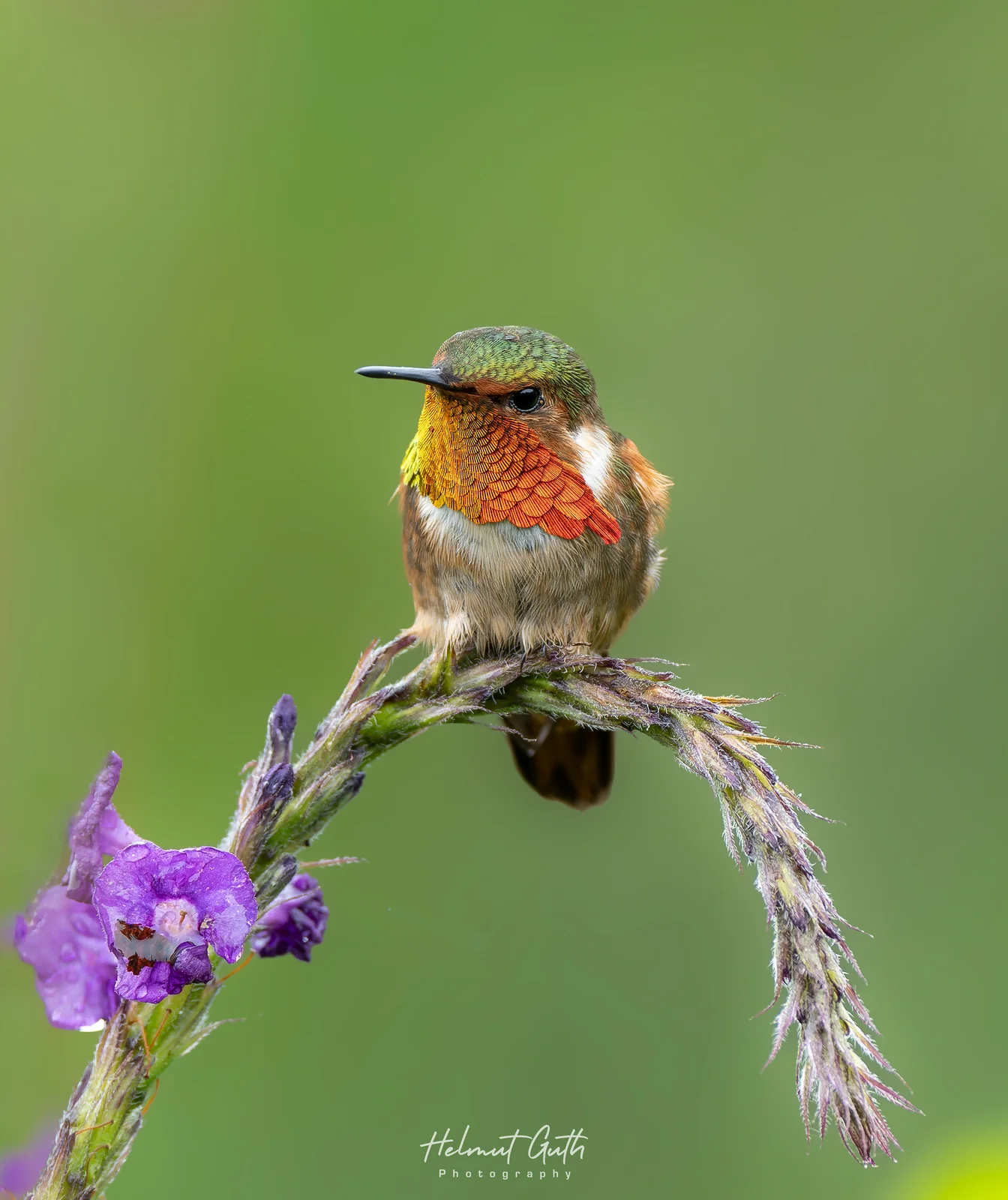
Paraíso Quetzal Lodge offers several birding experiences in one location. The gardens surrounding the lodge attract a variety of highland birds, while a private hummingbird garden provides close views of species such as Fiery-throated and Volcano Hummingbirds. The lodge also has access to private properties used for quetzal viewing, including land participating in the Kábek Conservation Program.
Providencia Road
The quiet roads through and around the valley can produce excellent birding without requiring a formal trail. Providencia Road winds through forest habitat and can be productive for trogons, Sulphur-winged Parakeets, Flame-throated Warbler and other highland species. Night birding in this area provides opportunities to search for owls and other nocturnal wildlife.
Los Quetzales National Park and Los Robles Trail

Los Quetzales National Park protects high-elevation forest surrounding the San Gerardo de Dota area. Within the park, the Los Robles Trail passes through impressive oak forest, including trees reaching more than 60 meters in height. Birds to look for include Costa Rican Pygmy-Owl, Silvery-throated Jay and Spotted Wood-Quail, along with other highland forest species.
Los Santos Forest Reserve
This private reserve borders Los Quetzales National Park. It is heavenly for bird watchers and general nature enthusiasts too. Ocelots and jaguars have been spotted here, as well as tapir and anteaters.
Cerro de la Muerte and the Páramo

The highest elevations of Cerro de la Muerte offer an entirely different birding experience. Above 3,000 meters (9,840 feet), the forest gives way to páramo, a cool, windswept habitat of grasses, dwarf bamboo and low-growing vegetation. The páramo of Cerro de la Muerte is the northernmost páramo in the world, reaching 3,491 meters (11,453 feet), with vegetation dominated by small bamboo, grasses, Indian paintbrushes, asters and lupines. There are only two locations in Costa Rica that offer the chance for páramo bird species, and Cerro de la Muerte is the best.
This specialized habitat supports birds that are difficult or impossible to find in the valley below. Timberline Wren, Volcano Junco, Large-footed Finch, Yellow-thighed Finch, Sooty-capped Chlorospingus and Sooty Thrush are important high-elevation targets, making a visit to the páramo an important addition to birding San Gerardo de Dota.
Miriam’s Quetzals
Miriam’s Quetzals is a favorite highland stop where birders can watch the gardens and feeding stations from a comfortable viewing terrace. Many bird species, including hummingbirds, tanagers and woodpeckers, regularly visit the property, providing excellent viewing and photography opportunities. Quetzals may also visit the aguacatillo trees surrounding the property.
La Georgina
This friendly local restaurant is well known for its fantastic hummingbird feeders and splendid gardens. It is a great place to stop for lunch or dinner and to enjoy the wide variety of bird species that visit the grounds.
Where to Stay in San Gerardo de Dota

Savegre Hotel Natural Reserve & Spa: Our top choice for birders in the valley, with a 500-acre private reserve, extensive forest trails, beautiful gardens and excellent birding right from the property.
Paraíso Quetzal Lodge: Located at a higher elevation above the valley, with productive lodge gardens, a private hummingbird garden and access to private properties used for Resplendent Quetzal viewing.
Gema del Bosque: A family-run mountain lodge specializing in birdwatching and photography, with forest habitat, bird-friendly gardens, a hummingbird garden and easy access to Los Quetzales National Park.
Lauráceas Lodge: A small, family-run lodge with spacious rooms, a botanical garden that attracts highland birds and an excellent restaurant featuring locally produced ingredients.
Suria Lodge: A small, comfortable lodge in the Savegre Valley with gardens, an on-site restaurant and convenient access to the area’s birding locations.
Trogon Lodge: Surrounded by gardens and forest, with good birding on the property and easy access to the wider San Gerardo de Dota area.
Toucanet Lodge: A small, budget-friendly lodge with comfortable rooms, mountain views and an on-site restaurant, offering a good-value base for birding the San Gerardo de Dota area.
Sueños del Bosque Lodge: A small, rustic property beside the Savegre Reserve, with an on-site pond, trails and convenient access to birding throughout the valley.
Dantica Cloud Forest Lodge: Comfortable rooms surrounded by high-elevation forest and gardens, with on-site trails and birding around the property.
Cabinas El Quetzal: Unique rustic cabins with river views and the amenities visitors expect, in a cloud forest location well placed for the attractions and activities of the area.
Best Time to Visit San Gerardo de Dota
Birding in San Gerardo de Dota is productive year-round. Quetzal season in Costa Rica coincides with the nesting period. In San Gerardo de Dota, nesting runs from January through May, with peak activity from February through April. Quetzals remain in the valley throughout the year, but their increased activity during nesting season can make them easier to find and photograph. For month-by-month detail, see our guide to the best time for birding in Costa Rica.
December through April generally brings drier conditions to the Talamanca Highlands, while May through November is wetter, with more frequent rain and cloud cover from September to November. Migratory birds add to the diversity from roughly October through March.
Because of the elevation, San Gerardo de Dota weather is much cooler than Costa Rica’s lowlands throughout the year. Mornings and evenings can be quite chilly, particularly at the higher elevations around Cerro de la Muerte, so birders should bring warm layers and rain protection regardless of the month.
San Gerardo de Dota Tours with Costa Rica Focus
San Gerardo de Dota is one of the key birding destinations we include in Costa Rica itineraries and is featured in our Privately Guided and Private Independent trips and our Small Group tours. All our birding guides know the Savegre Valley and surrounding Talamanca Highlands extremely well, including productive locations for Resplendent Quetzals and the region’s highland specialties.
Guests traveling on a Private Independent itinerary can also spend time birding with professional local guides who know the region extremely well. We can arrange a San Gerardo de Dota quetzal tour as part of their stay, while still allowing them the flexibility of traveling independently between destinations.
For guests with particular target species or photography goals, we can customize the time spent in the valley and the birding locations visited.
Other Things to Do in San Gerardo de Dota

San Gerardo de Dota is best known for birding, but there are other ways to enjoy the mountains and Savegre Valley, particularly for non-birding companions.
Coffee Tours: The small town of Santa María de Dota is in one of Costa Rica’s best-known coffee-growing regions. Local coffee tours introduce visitors to the production process and, naturally, include an opportunity to taste the finished product.
Rio Savegre Waterfall: The Savegre Waterfall is reached by a forest trail that crosses several bridges on the way to the falls. It’s a pleasant way to experience the scenery and forest of the Savegre Valley away from the birding trails.
Horseback Riding: Horseback riding offers another way to explore the highland landscape, with rides along mountain trails, through oak forest and across clear mountain streams.
Trout Fishing: The cool, clear mountain streams of the Talamanca Highlands are well suited to trout fishing. Local lodges can help guests arrange a fishing outing and provide information about equipment.
White Water Rafting on the Savegre River: Guests staying in the area can reach the Savegre River in just under 2 hours. The Savegre River provides exceptional rafting, offering class III and IV rapids, beautiful scenery and a thrilling adventure. It is one of the top rivers on the Pacific.
Local Artisans Gallery: The Dantica Gallery is a showplace for local artisans to present their handmade crafts and works of art. From paintings, wood carvings and jewelry to hats and clothing, if you are looking for one-of-a-kind souvenirs or special mementos of your trip to Costa Rica, this gallery is the perfect place.
Flora and Fauna Tour: This activity takes guests along a private forest trail that runs parallel to the Ojo de Agua, one of the clearest rivers in Central America. Visitors walk beneath the ancient oak trees with their guide, learning about the many plant species that populate the forest, including bromeliads, orchids, ferns and mosses.
Frequently Asked Questions
Where is San Gerardo de Dota and how do you get there?
San Gerardo de Dota is in Costa Rica’s Talamanca Highlands, about 54 miles (87 km) from San José. The drive takes approximately 2 to 3 hours via the Inter-American Highway (Route 2) and Cerro de la Muerte.
When is the best time to see a Resplendent Quetzal in San Gerardo de Dota?
Resplendent Quetzals live in San Gerardo de Dota year-round. Nesting season runs from January through May, with peak activity from February through April, when the birds are generally more active and easier to locate.
Can you book a quetzal tour in San Gerardo de Dota?
Yes. Costa Rica Focus can arrange private quetzal or birdwatching tours with experienced guides who know the Savegre Valley and surrounding highlands extremely well.
What other birds can you see in San Gerardo de Dota?
The region is home to many highland specialties, including Fiery-throated Hummingbird, Volcano Hummingbird, Flame-throated Warbler, Black Guan, Long-tailed Silky-flycatcher, Golden-browed Chlorophonia and many others.
Where should birders stay in San Gerardo de Dota?
Savegre Hotel Natural Reserve & Spa is our top choice for birders, but there are several excellent options throughout the valley and surrounding highlands, including Paraíso Quetzal Lodge, Gema del Bosque and smaller locally owned lodges.
How many days do you need in San Gerardo de Dota?
We recommend a minimum of two nights for birders. Bird photographers may prefer two to three nights, particularly when targeting specific highland species or allowing additional time to photograph Resplendent Quetzals.