Birding in Costa Rica in May: Weather, Bird Activity, and Fewer Crowds
May is a strong month for birding in Costa Rica — breeding activity, soft photography light, quiet reserves, and better lodge availability. Here's what to expect.
Why May is a Great Time for Birding in Costa Rica
May is often overlooked when planning a birding trip to Costa Rica. Many travelers associate it with the start of the rainy season and assume conditions won’t be ideal. In reality, May can be one of the most enjoyable and productive times to visit, especially for those who understand how conditions shift across the country and how that affects bird activity.
Is May a Good Month for Birding in Costa Rica?
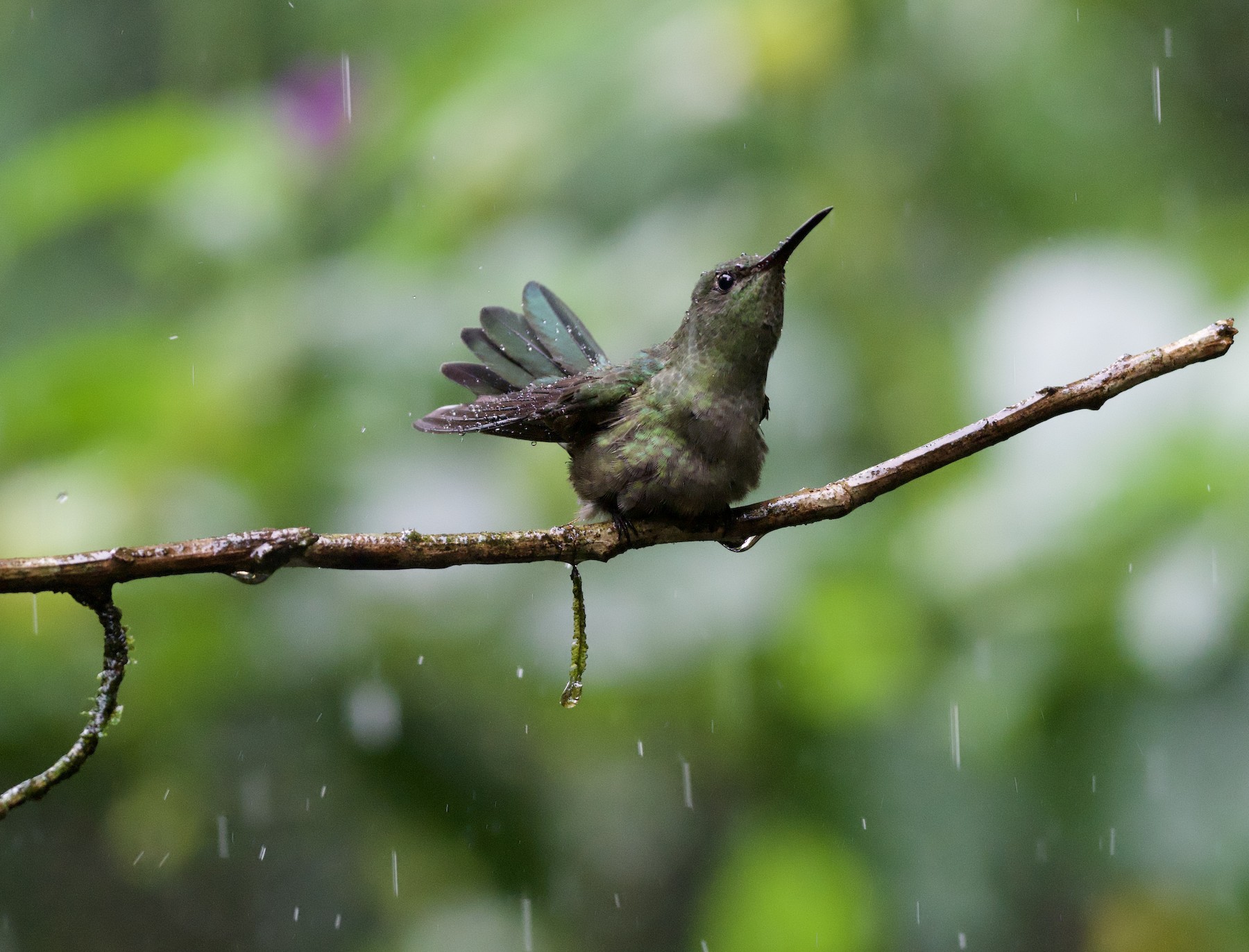
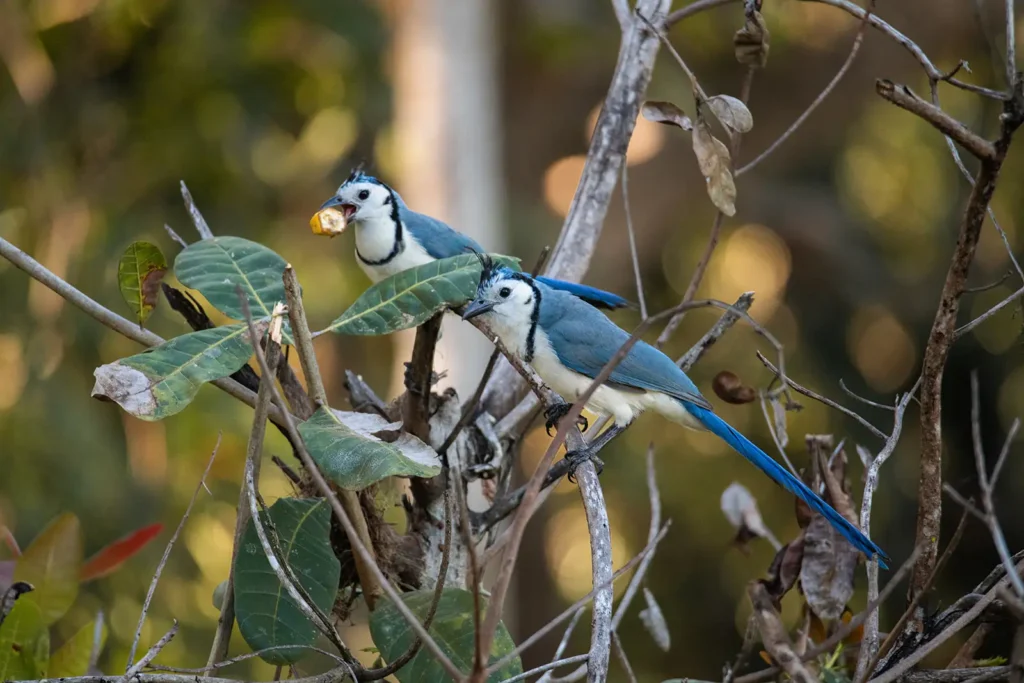
Yes. May is a transition month rather than a wet one. The rains return to the Pacific slope, but they typically arrive as short afternoon showers rather than all-day systems. Mornings — the hours that matter most for birding — are usually clear and highly active.
Three things make May work:
- Breeding activity is still underway. Many resident species remain vocal and territorial, which makes them easier to locate.
- The first rains restart the food supply. Fresh vegetation, fruiting trees, and insect emergence pull birds into the open.
- High season is over. Trails, reserves, and lodges are quiet, and the best guides are available.
The trade-off is that the northbound migration has largely passed through by mid-May. If your goal is migrant volume, choose autumn. If your goal is resident species, breeding behavior, and photography conditions, May is one of the strongest months on the calendar.
Costa Rica Weather in May: What to Expect by Region
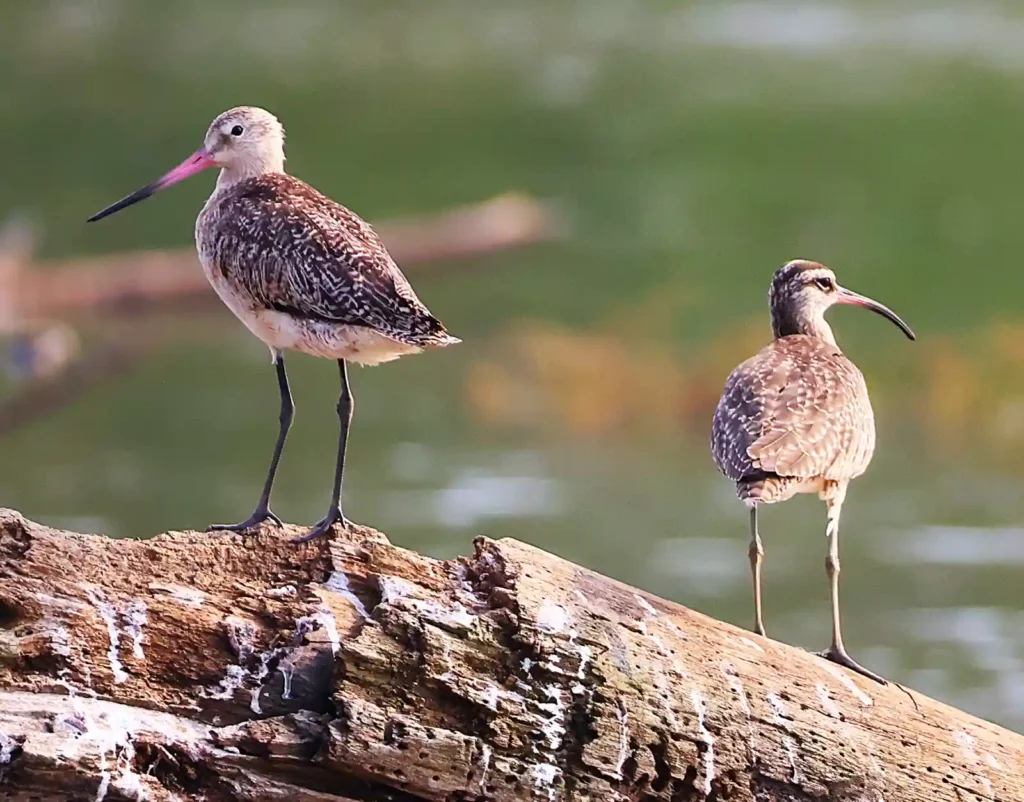
Costa Rica doesn’t have one climate. Weather in May varies significantly across the country’s slopes and elevations, which is exactly why the month rewards a well-planned multi-region itinerary.
Pacific Slope
May is the first month of the rainy season on this side of the country. Mornings often feel like the dry season — clear, warm, and active — with rain building in the afternoon. Guanacaste and the Central Pacific green up quickly after months of drought, and the change in vegetation triggers a visible jump in bird activity.
Caribbean Slope
The Caribbean lowlands don’t follow the same dry/wet cycle. Rain is distributed more evenly across the year, so conditions in May are broadly similar to any other month. This is what makes May such a good time to combine regions: the Caribbean side stays reliable while the Pacific side is at its most dynamic.
Highlands and Cloud Forest
Cloud forest is cloud forest year-round — expect mist, cool temperatures, and changeable conditions in the Talamancas and Monteverde. May sits at the tail end of the Resplendent Quetzal breeding season, which typically runs from February through June, so adults are often still active around nest sites and feeding recently fledged young.
Bird Activity in May: Breeding Season Meets the First Rains
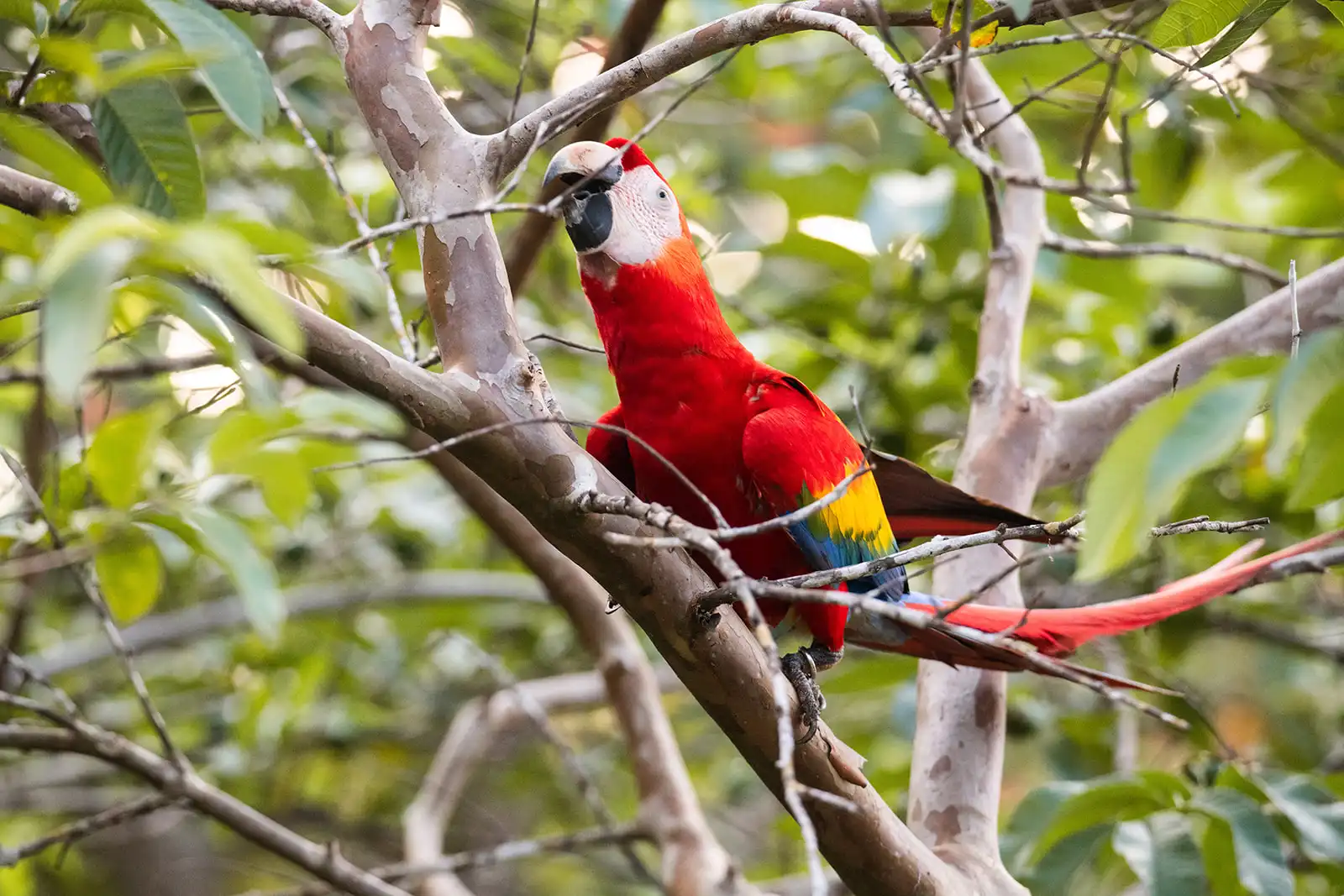
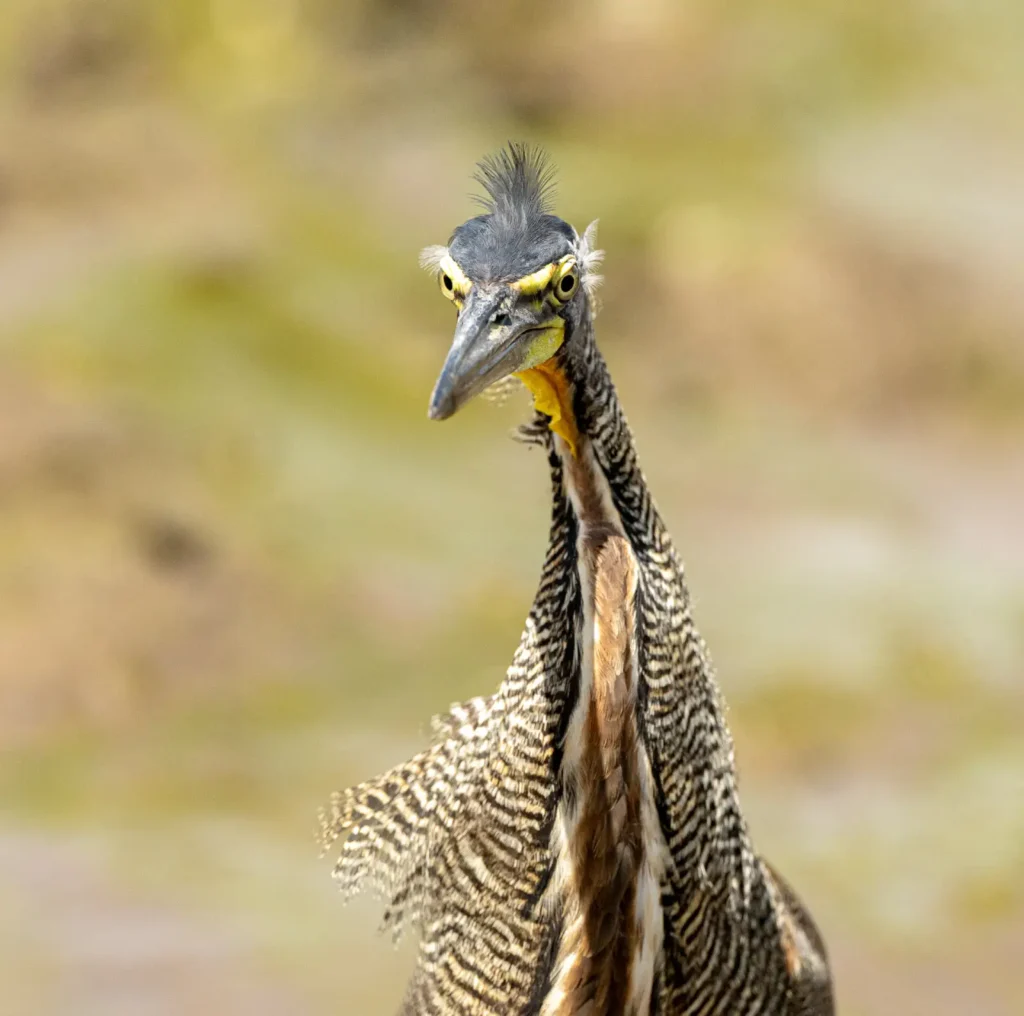
This transition period brings a noticeable change in bird activity. Many species are still in breeding mode, which means birds are more vocal and easier to locate. Territorial behavior is often more pronounced, and early mornings can be especially active as birds take advantage of cooler temperatures and increased food availability. Mixed flocks remain active, and there’s a good balance of resident species across a variety of habitats.
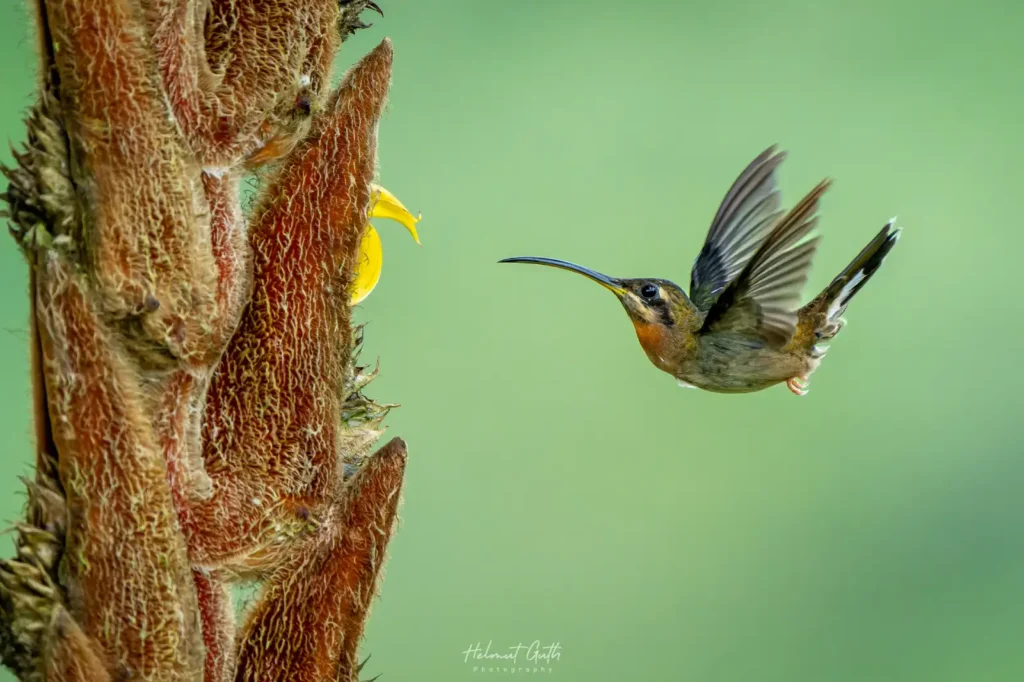
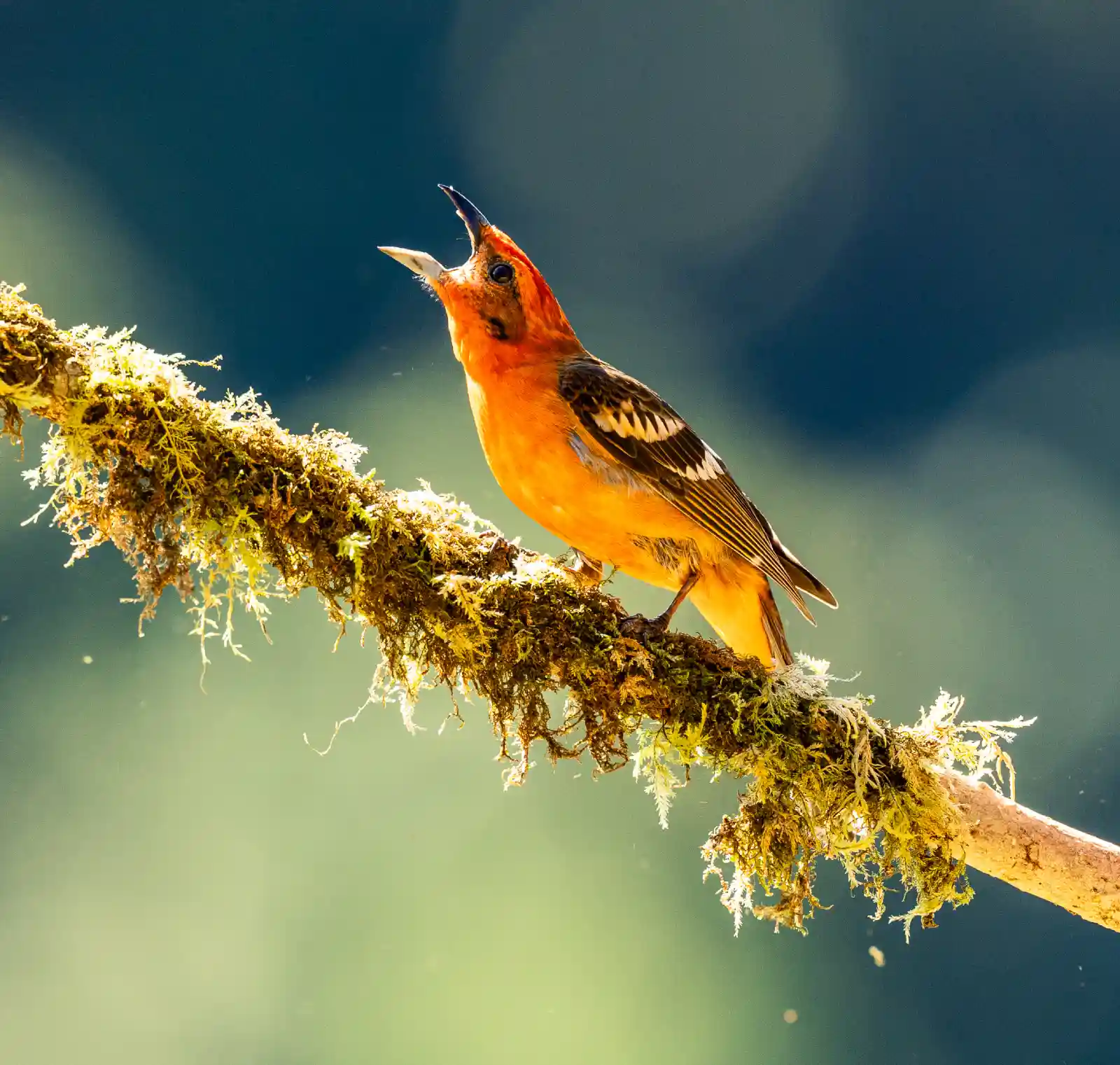
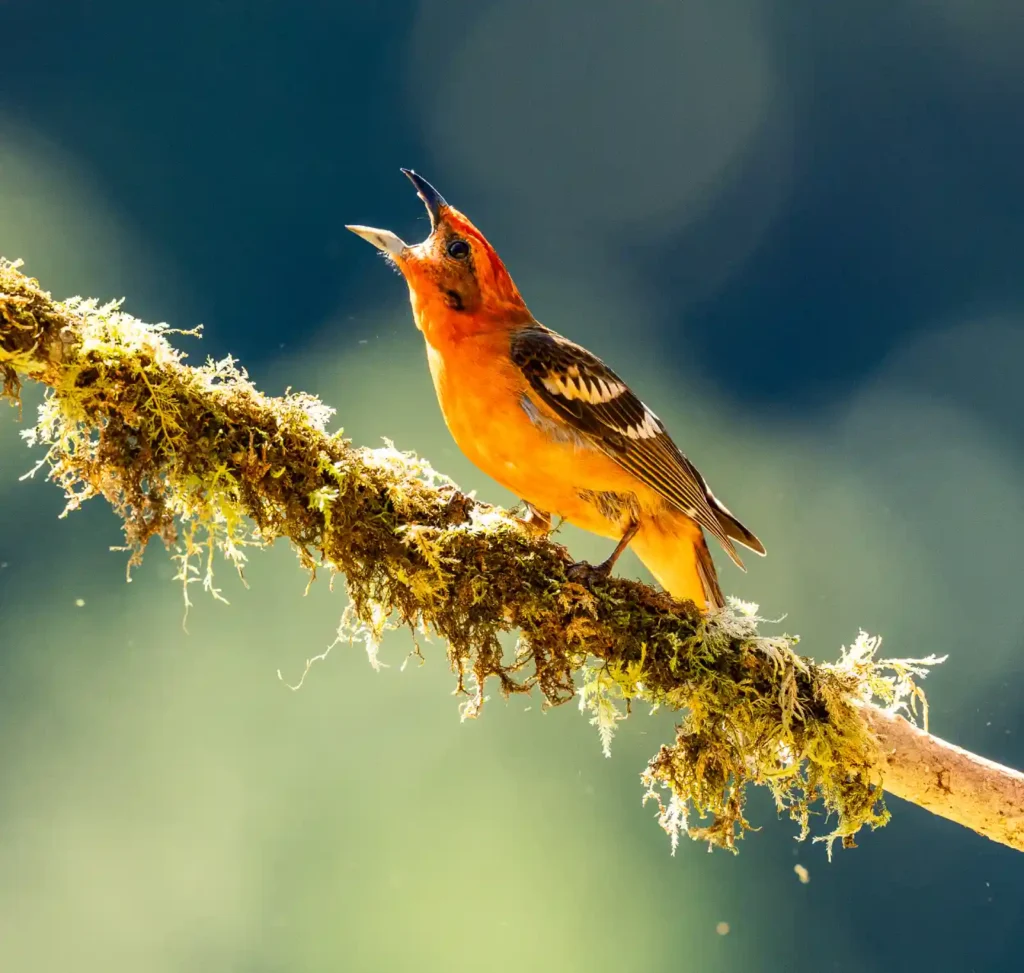
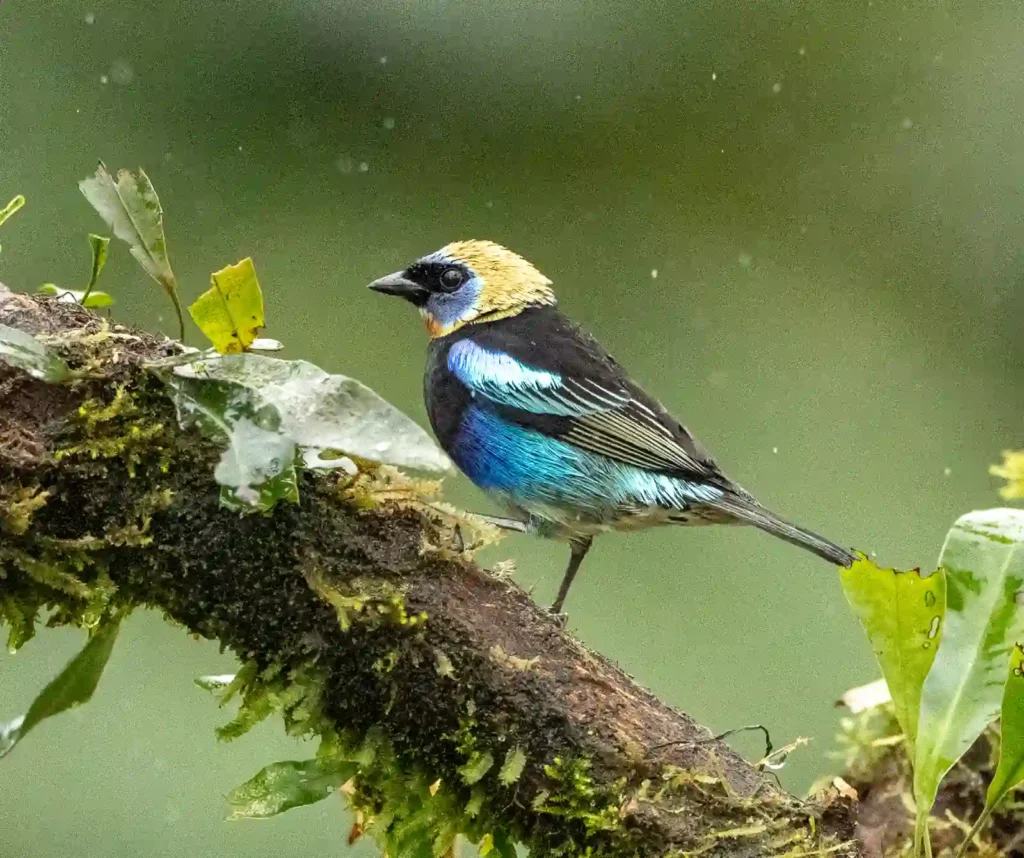
It’s a time when the forest feels alive again after the drier months, and species like the Keel-billed Toucan are often active and vocal in the early mornings. With the first rains, food sources begin to increase—especially on the Pacific side—which can bring more movement and activity from birds like tanagers and honeycreepers. While bird activity is strong year-round in Costa Rica, this seasonal shift adds another layer of energy to the experience.
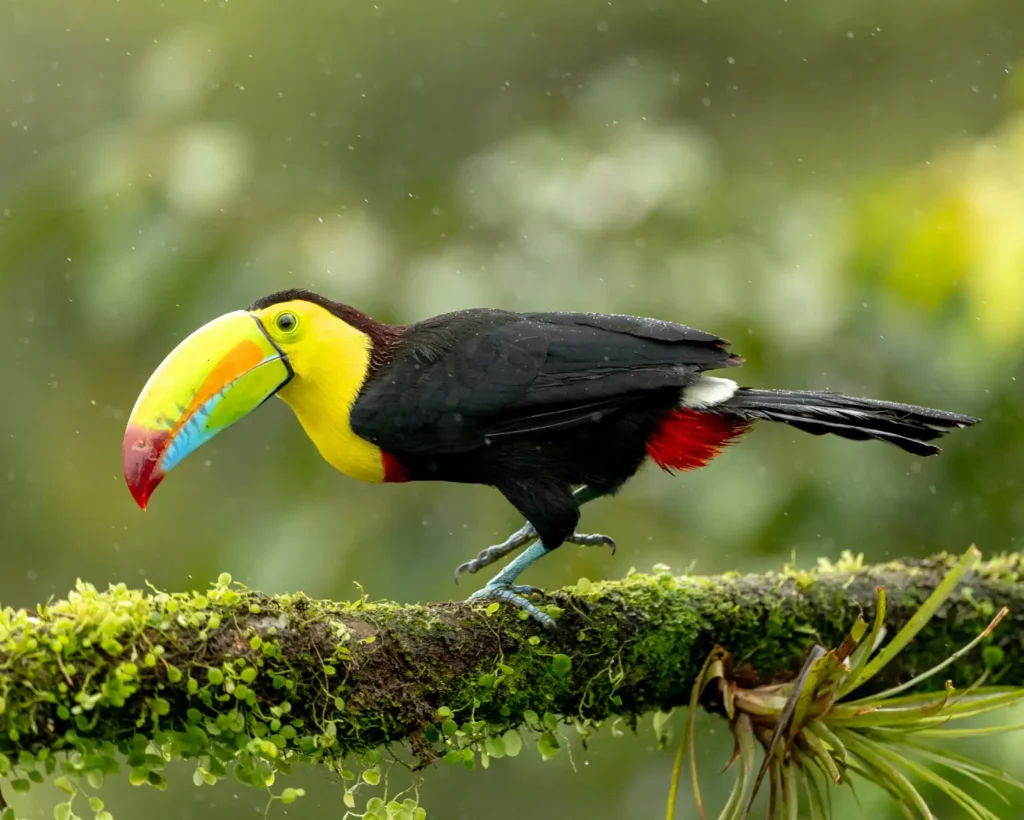
Why May Is Excellent for Bird Photography
Photographers have a stronger case for May than birders do.
Softer, more usable light. Cloud cover acts as a natural diffuser. In the peak dry season, light turns harsh by mid-morning and shooting windows close early. In May, developing cloud gives you longer stretches of even light — a real advantage if you work with natural light rather than flash setups.
Better backgrounds. The forest recovers its depth and color after the dry months. Greens are richer, backgrounds are cleaner, and images look less washed out.
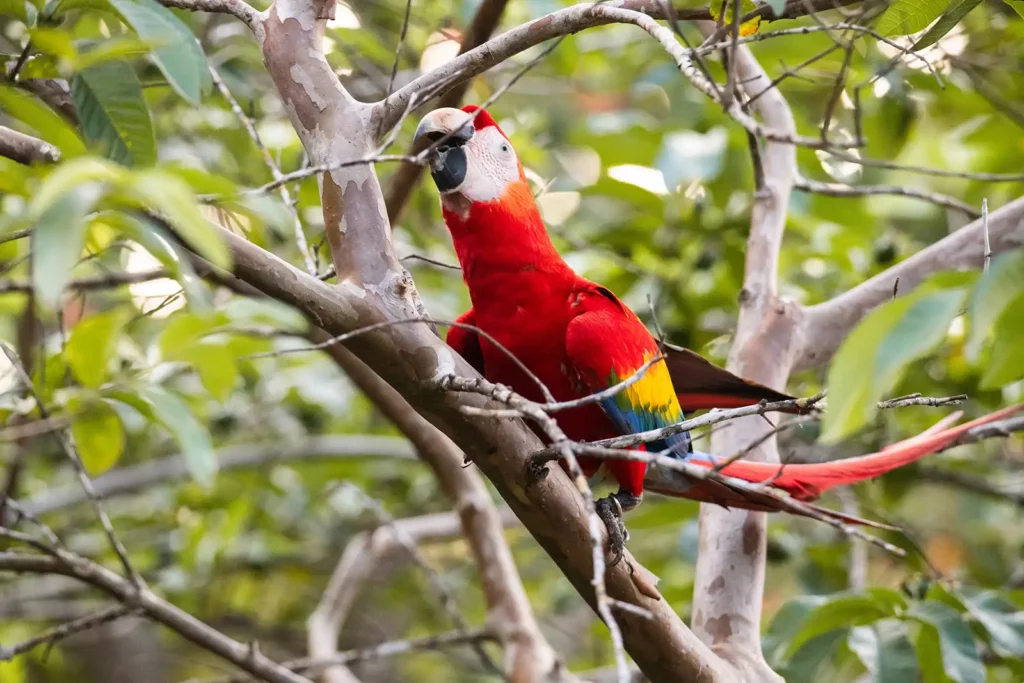
Less dust. Late dry season in Guanacaste and the Central Pacific means dust on lenses, in the air, and on the birds themselves. That drops off immediately once the rains begin.
More time on subject. With fewer people at hides and viewpoints, you can work a subject properly instead of rotating through.
If photography is the priority, our Costa Rica bird photography tour and Photo Quest itineraries are built around these conditions.
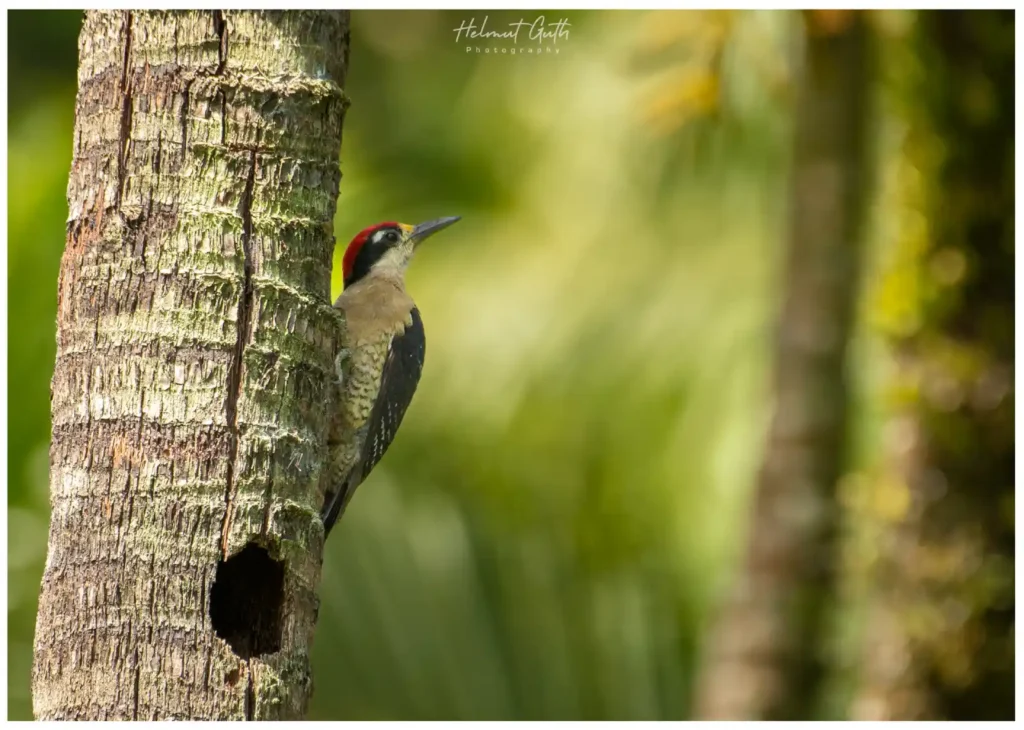
Fewer Crowds, Better Lodges, Better Guides
This is the practical advantage most trip planners underestimate.
Space at the sites. Popular reserves, national parks, and private birding properties are meaningfully quieter in May. You’re not queuing for a viewpoint or moving on to make room for the next group.
Lodge availability. Costa Rica’s best birding lodges are small, and the good ones fill 9–12 months ahead for the December–April window. In May, you can usually get the rooms and the properties you actually want. See our best birding lodges in Costa Rica.
Guide availability. The most experienced guides are booked out in high season. In May, you have real choice — and with a birding trip, the guide is the single biggest variable in your species count. More on that in how to choose your Costa Rica birding guide.
Flexible itineraries. Without high-season pressure, days can shift based on weather or a recent sighting. That flexibility is where a lot of trip highlights come from.
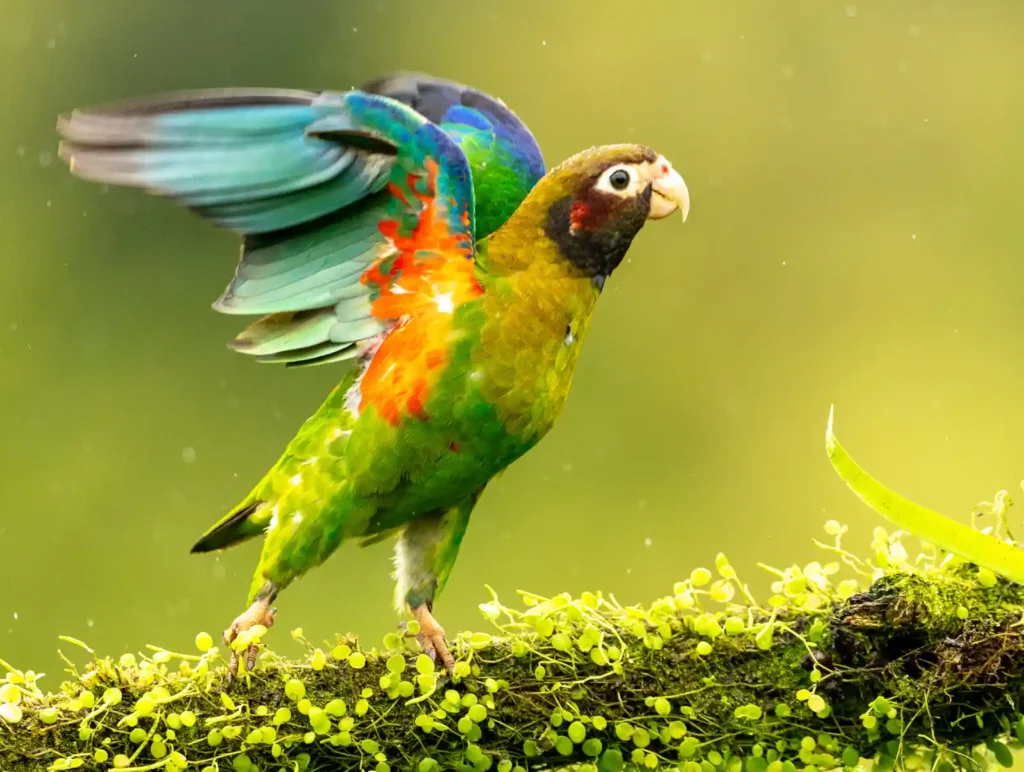
What to Pack for Birding in Costa Rica in May
- Lightweight rain shell and a rain cover for your pack and optics
- Quick-dry clothing — humidity is higher than in the dry season
- Waterproof boots for lowland and cloud forest trails
- Silica gel or a dry bag for camera bodies and lenses
- Lens cloths (more than you think you need)
- Binocular harness rather than a neck strap
Full list: Costa Rica tour essentials.
May Compared to Other Birding Months
| December–April | May | September–October | |
|---|---|---|---|
| Rainfall (Pacific) | Minimal | Afternoon showers | Heaviest of the year |
| Resident bird activity | Strong | Strong, with breeding behavior | Moderate |
| Migrants | Wintering North American species | Largely departed | Peak southbound passage |
| Crowds | Highest | Low | Lowest |
| Lodge availability | Books 9–12 months out | Good | Excellent |
| Photography light | Harsh by mid-morning | Soft, longer windows | Variable, often wet |
For a month-by-month view, read our full guide to the best time of year for birding in Costa Rica.
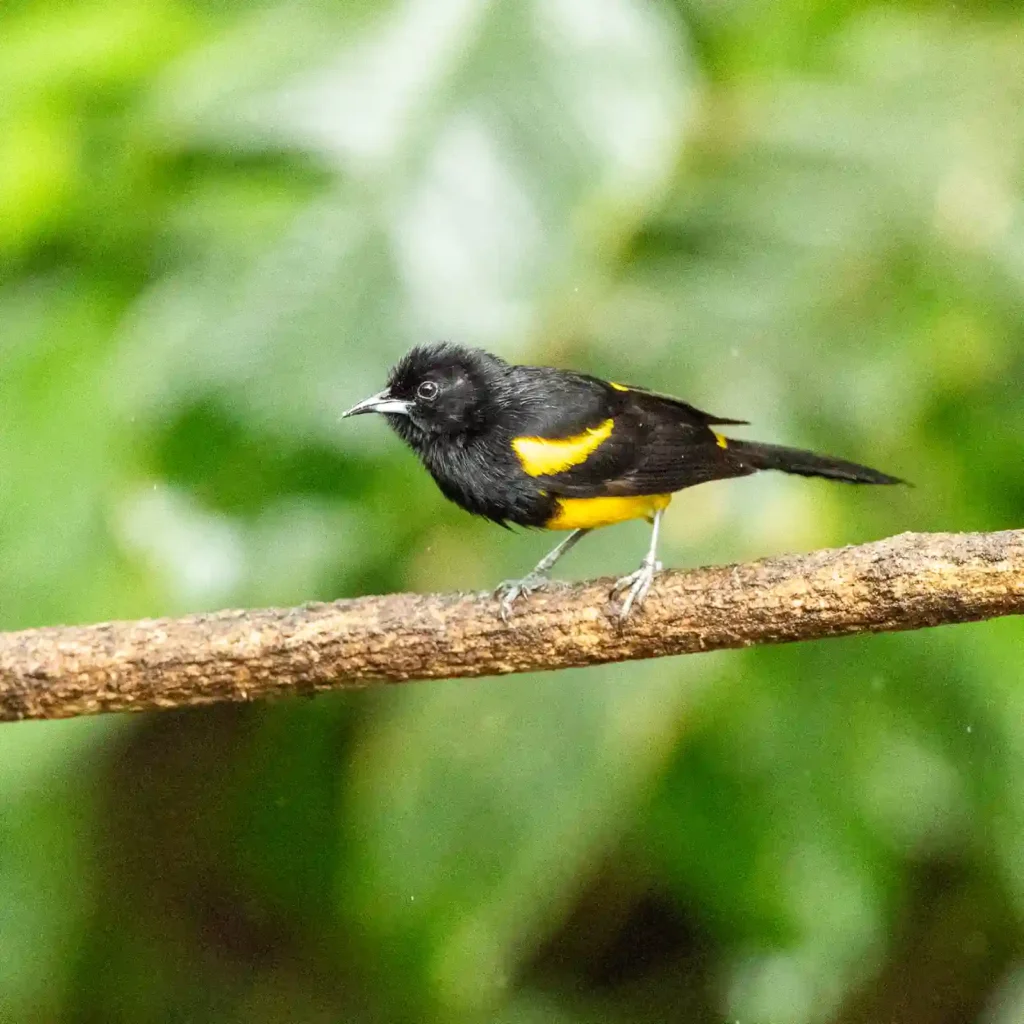
May may not be the first month people think of when planning a birding trip to Costa Rica, but for those who understand what it offers, it delivers excellent bird activity, fewer crowds, and a more relaxed, flexible experience overall.
Birding in Costa Rica in May: Weather, Bird Activity, and Fewer Crowds
Get a Free Quote
See Most Recent Posts
Birding in Costa Rica in May: Weather, Bird Activity, and
May is a strong month for birding in Costa Rica — breeding activity, soft photography light, quiet reserves, and better…

From 50 Lifers to Life long Memories
A family birding trip through Caño Negro, Sarapiquí, and Savegre logged 51 lifers and 257 species in 12 days —…

Planning Your First Birding Trip to Costa Rica: What You
If you’re planning your first birding trip to Costa Rica, you’re in for something special. With over 930 recorded species…