Planning Your First Birding Trip to Costa Rica: What You Should Know
If you’re planning your first birding trip to Costa Rica, you’re in for something special. With over 930 recorded species packed into a relatively small country, the diversity can feel almost overwhelming at first. But what often surprises first-time visitors isn’t just the number of birds, it’s how different birding here feels compared to other…
If you’re planning your first birding trip to Costa Rica, you’re in for something special. With over 930 recorded species packed into a relatively small country, the diversity can feel almost overwhelming at first. But what often surprises first-time visitors isn’t just the number of birds, it’s how different birding here feels compared to other countries. Understanding a few key differences ahead of time can make a big impact on how much you see, how you plan your days, and ultimately how much you enjoy the experience.
Why Habitat Variety Is Costa Rica’s Biggest Advantage
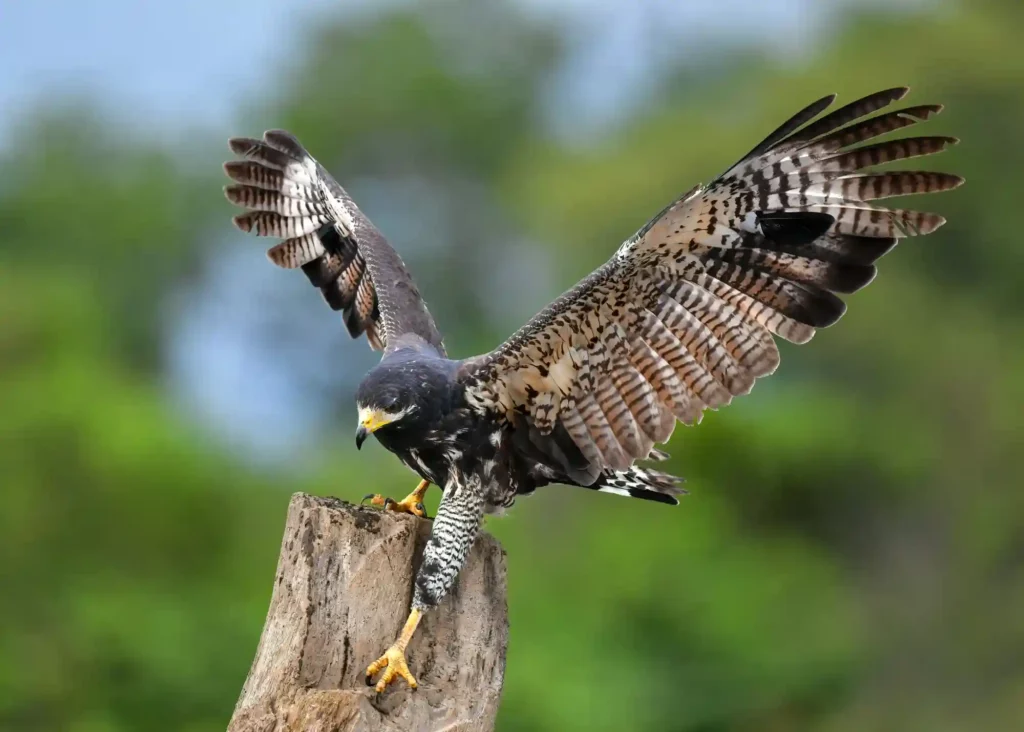
One of the biggest advantages Costa Rica offers is how much habitat variety you can experience in a relatively short trip. Within a few hours’ drive, you can move from Caribbean lowland rainforest to mid-elevation foothills and into cloud forest or highland oak forest. Each of these habitats supports a completely different set of species, which is why even a 7–10 day trip can produce an impressive bird list. It also means that planning your route matters. Rather than trying to cover too much ground, it’s often more productive to choose two or three regions that complement each other well and spend enough time in each to really experience them.
When to Go: Costa Rica Is a Year-Round Birding Destination
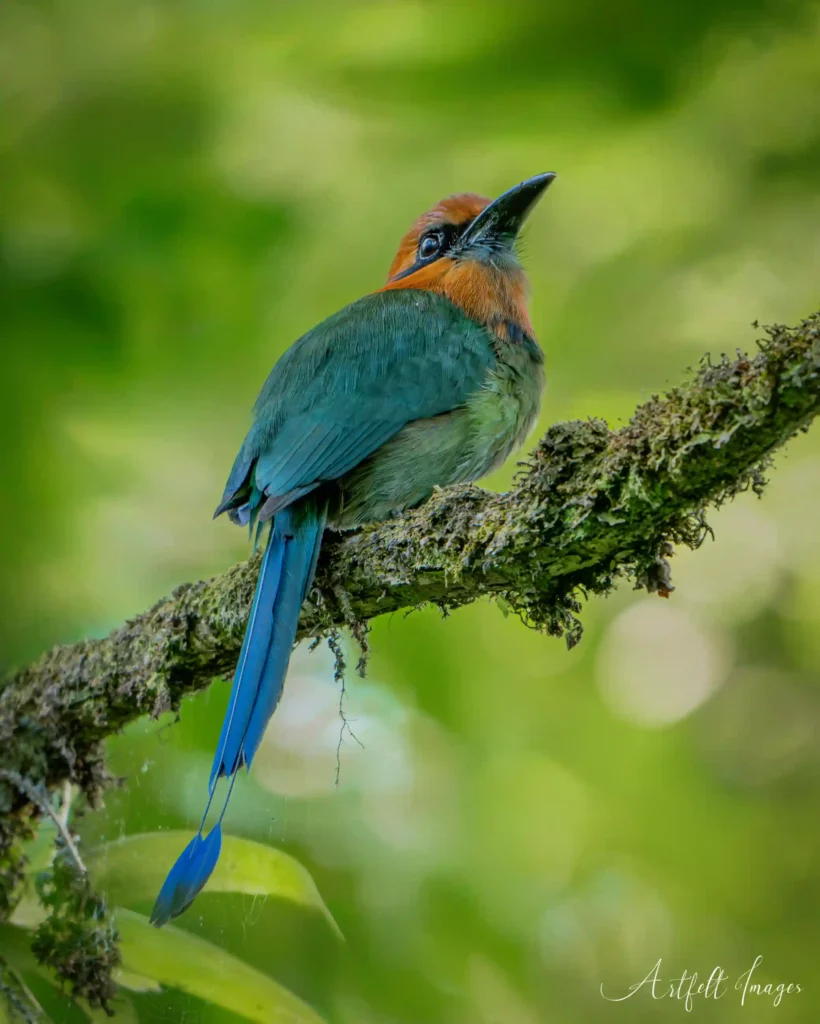
Another key difference is the opportunity for great bird watching year-round. Costa Rica offers good birding 12-months of the year on the Caribbean side where conditions are relatively consistent. While the Pacific side does have a defined dry and green season, even during wetter months, birding is often productive, especially in the mornings. For first-time visitors, this means you don’t need to overthink timing too much. There are always birds to be found, and often in abundance. Instead of focusing on a “perfect” month, it’s better to think about which regions you want to visit and what kind of experience you’re hoping to have.
How Bird Activity Changes Through the Day
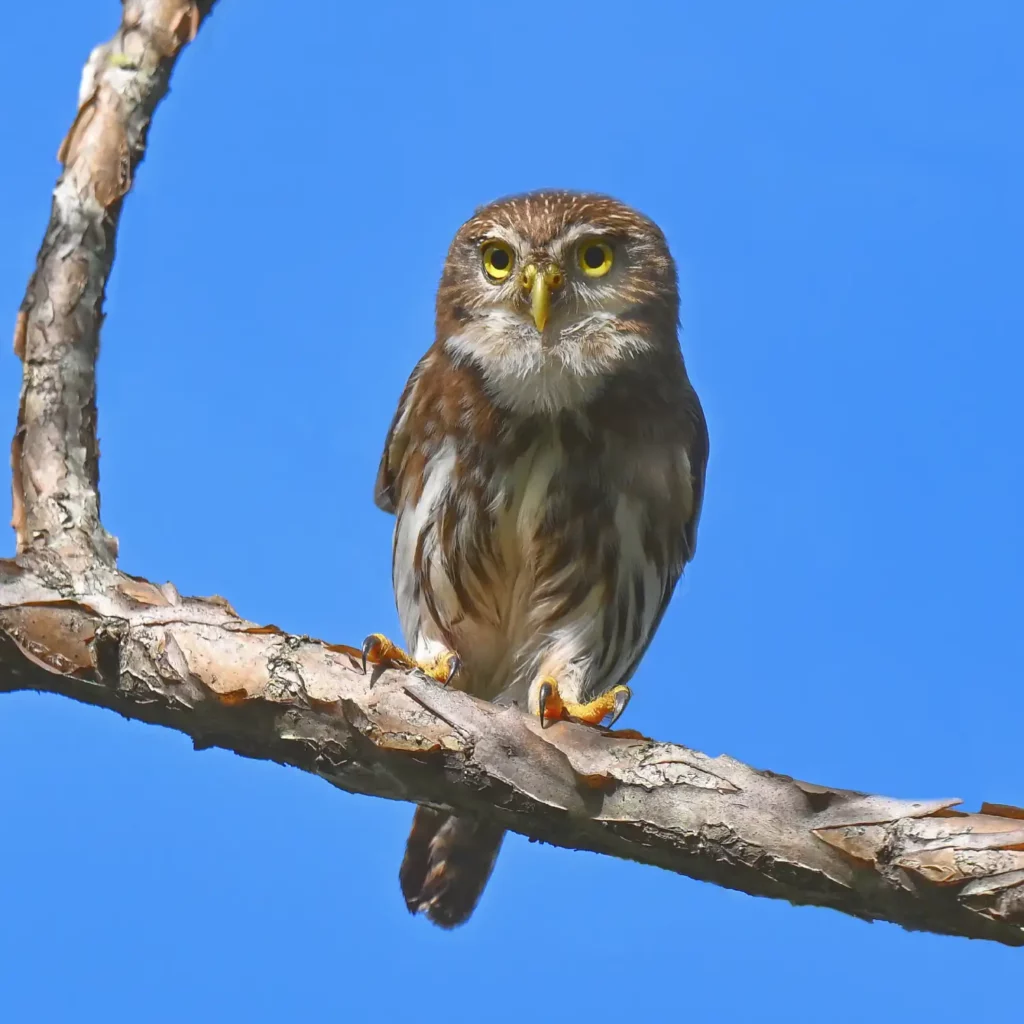
What does take some adjustment is how birds behave here. In tropical forests, bird activity is often most concentrated early in the morning. Getting out at first light is important, especially in the lowlands where activity can slow significantly as the day warms up. In contrast, cloud forest environments tend to stay cooler and more active throughout the day, offering a different rhythm to your birding. Late afternoon provides another chance, though, to get into the field and search for all your targets.
Why a Local Guide Changes Everything
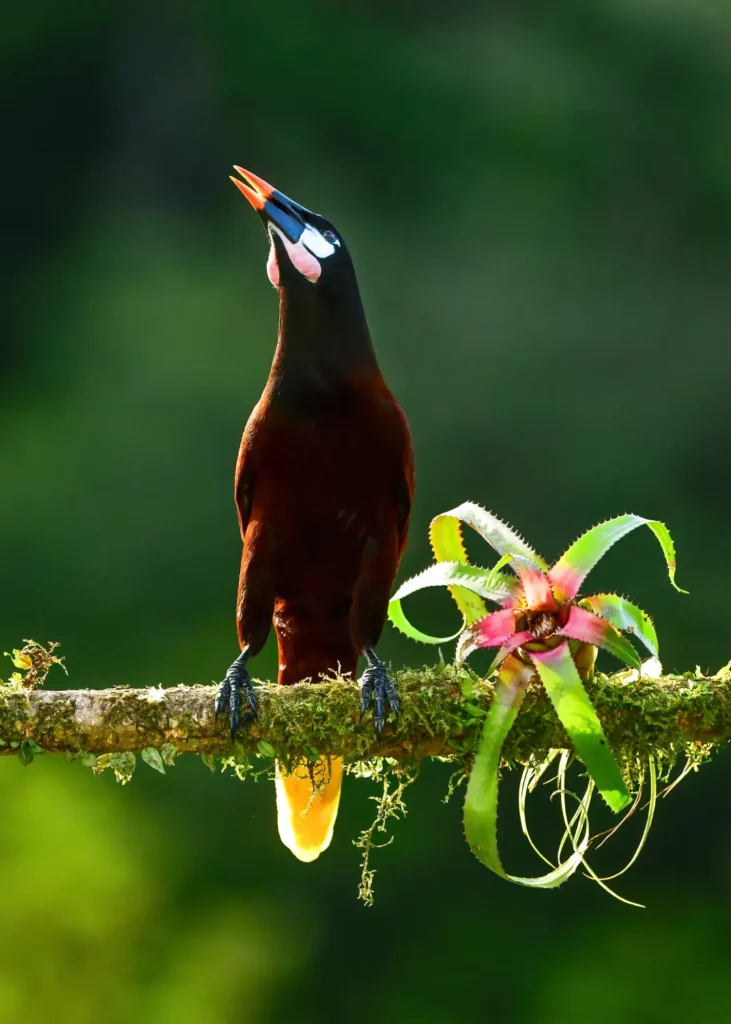
Having a good guide can make a big difference too. Even experienced birders are often surprised by how much more they see when working with a knowledgeable local guide. It’s not just about identifying birds, it’s about knowing where to look, how to interpret calls, and how to anticipate movement in a forest environment that can feel dense and unfamiliar. A guide can also help you make the most of your time, adjusting plans based on weather, recent sightings, and local conditions. For a first trip in particular, this can be the difference between a good experience and a truly exceptional one.
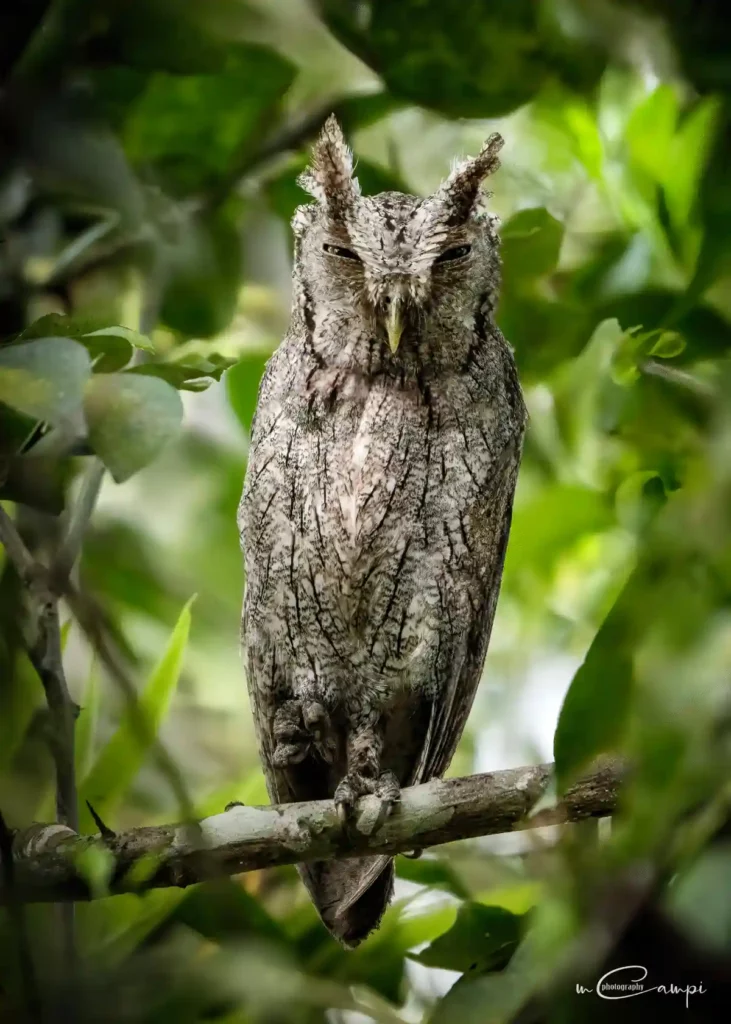
Slow Down: Why Pace Matters More Than Coverage
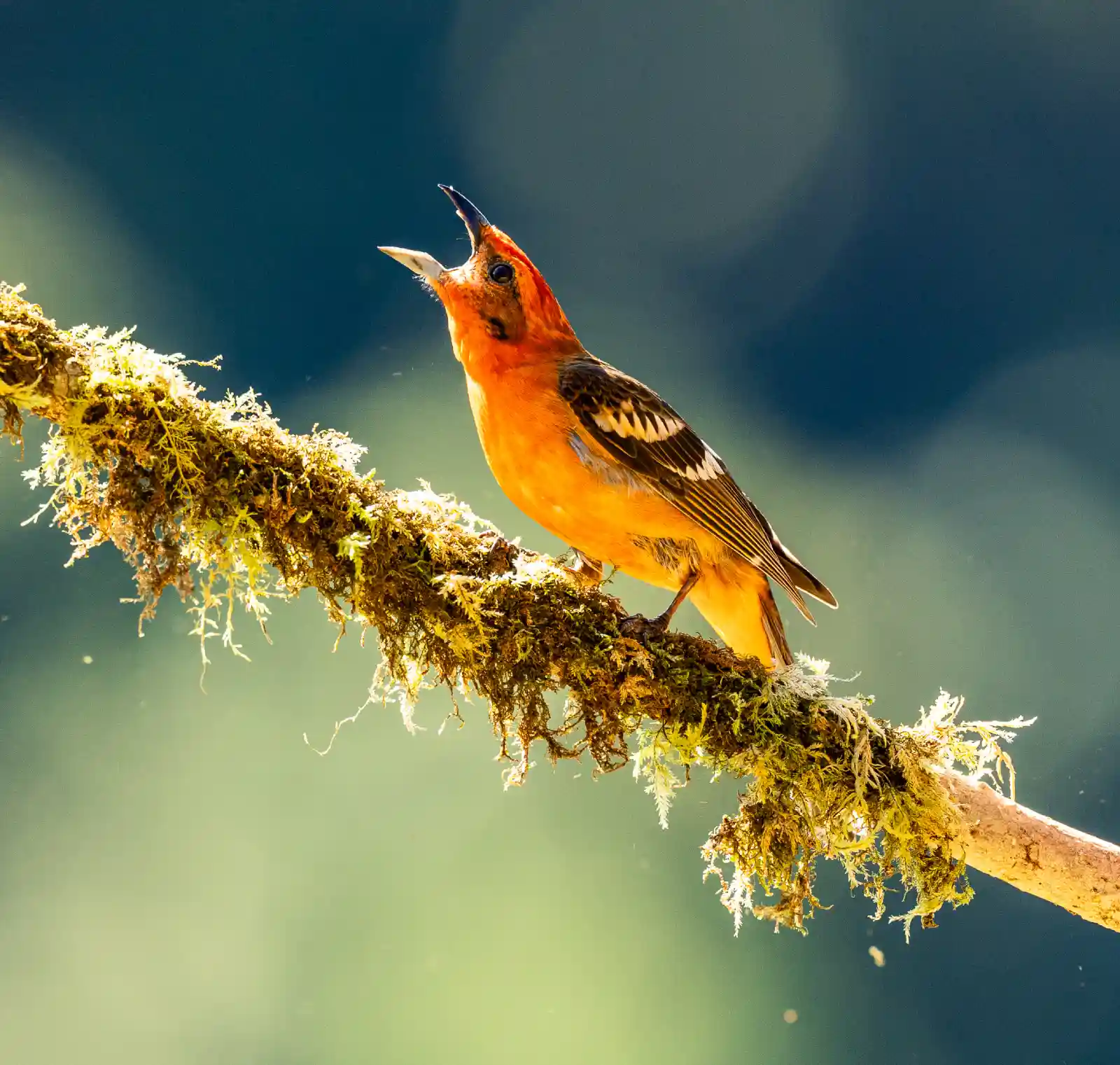
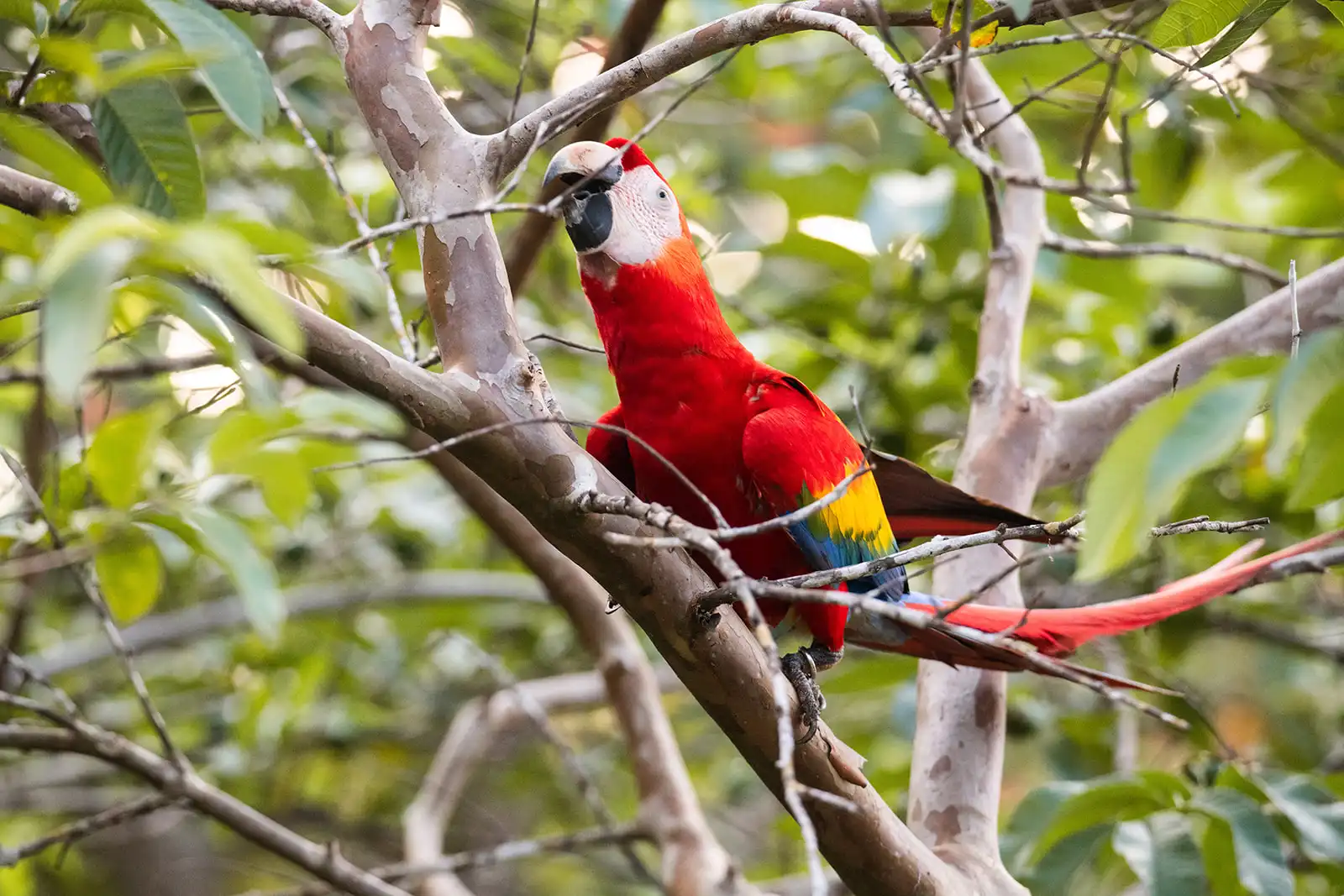
Another important consideration is pace. It’s very tempting to try to “do it all” on a first visit, especially given how many iconic species Costa Rica offers, Resplendent Quetzal, Scarlet Macaw, Keel-billed Toucan, Snowcap, and so many others. But one of the most common mistakes we see is trying to cover too many regions in a short amount of time. Birding here rewards time in the field. Staying multiple nights in a location allows you to learn the habitat, revisit productive areas, and take advantage of changing conditions. It also makes the experience more enjoyable, giving you time to appreciate not just the birds, but the surroundings as a whole.
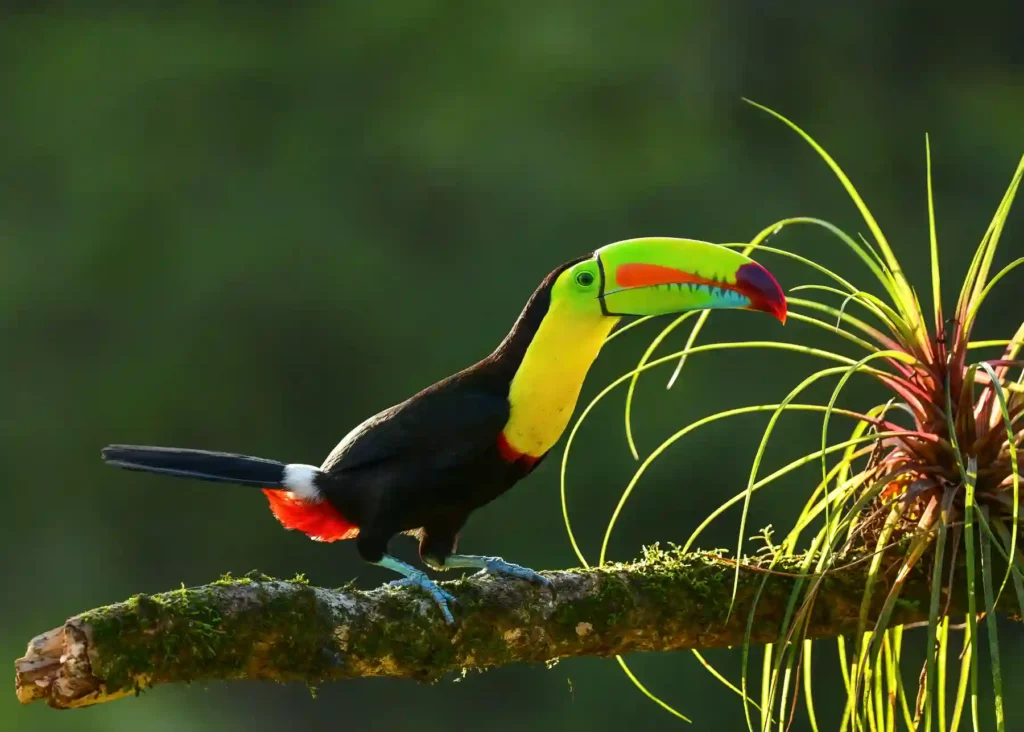
Don’t Overlook Lodge Gardens and Feeders
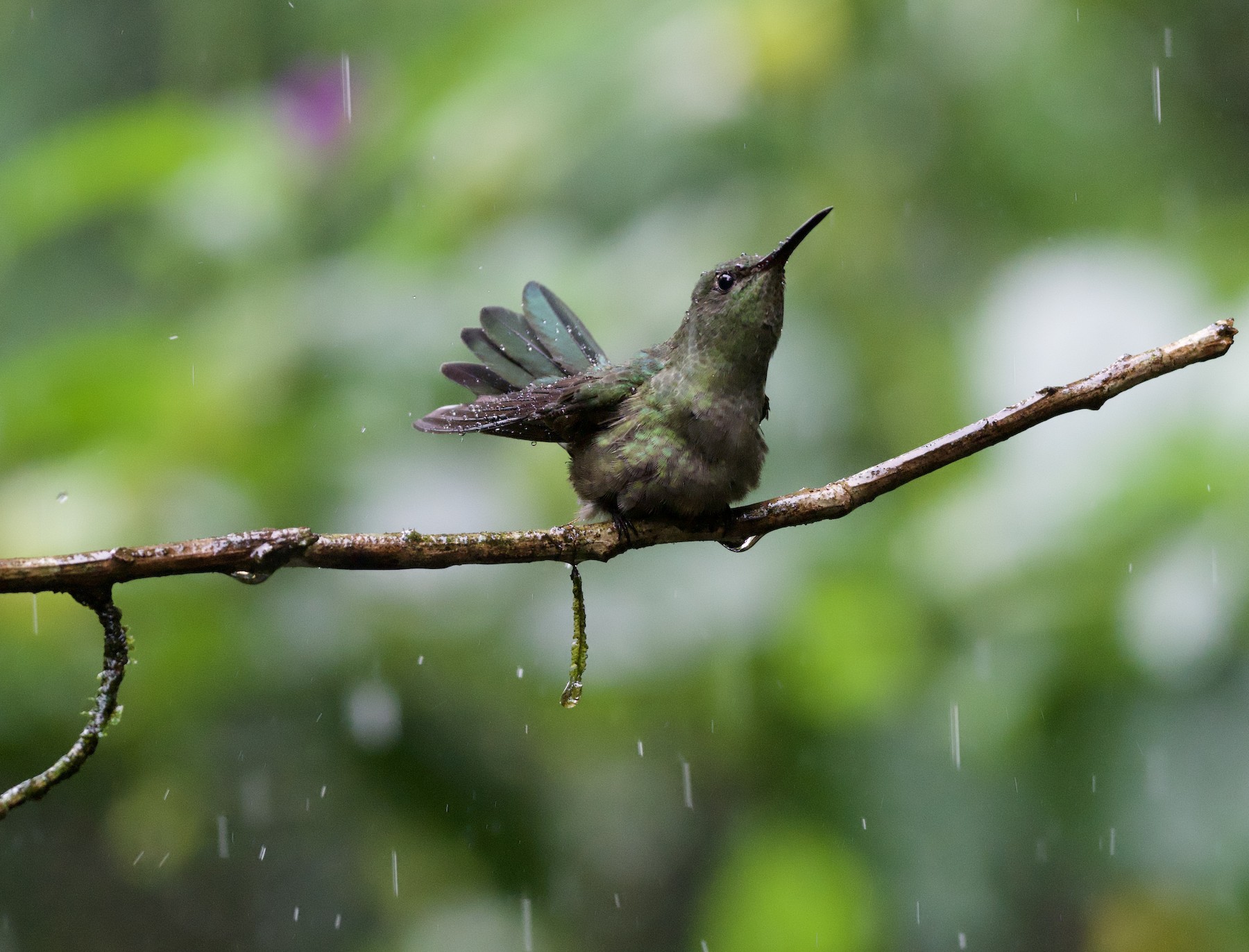
Costa Rica is also a place where some of the best birding happens outside of formal reserves. Lodge gardens, feeders, and even roadside stops can be incredibly productive. Well-established feeder setups in particular can offer close, prolonged views of species that would otherwise be difficult to see. These locations are also excellent for photography and provide a nice balance to time spent walking trails. For many first-time visitors, these moments, watching tanagers and hummingbirds at eye level, or seeing a toucan come in to feed, end up being some of the highlights of the trip.
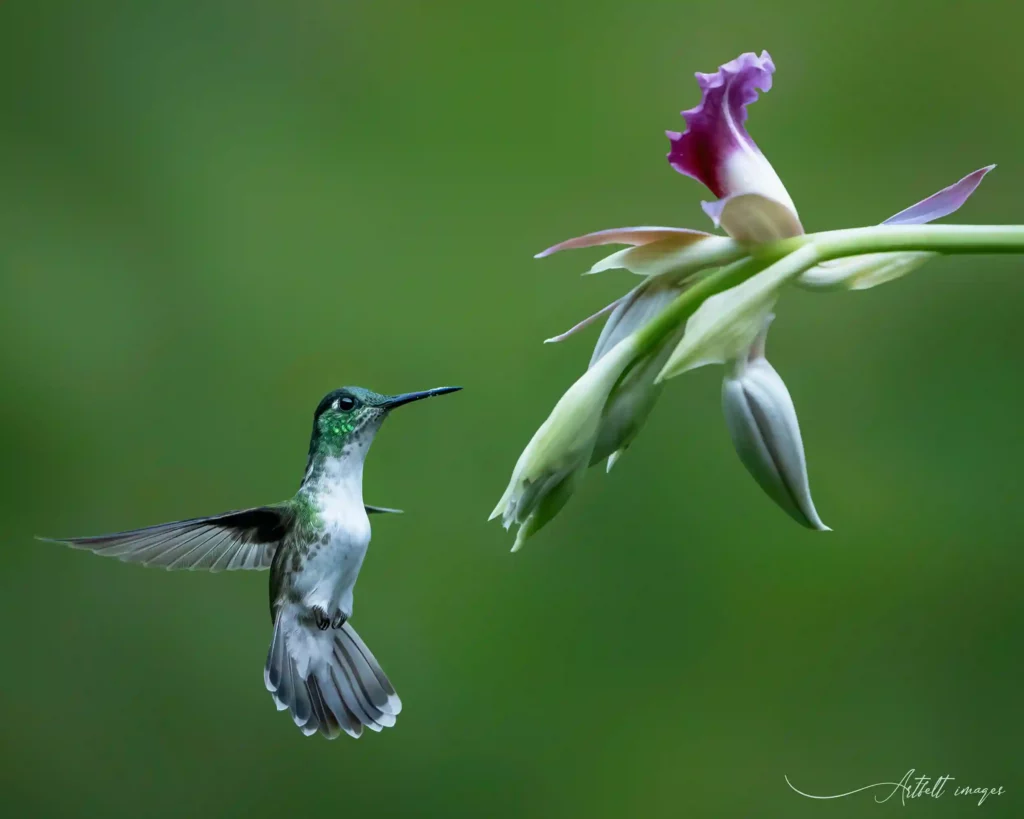
Not Every Bird Comes Easily — And That’s Part of the Appeal
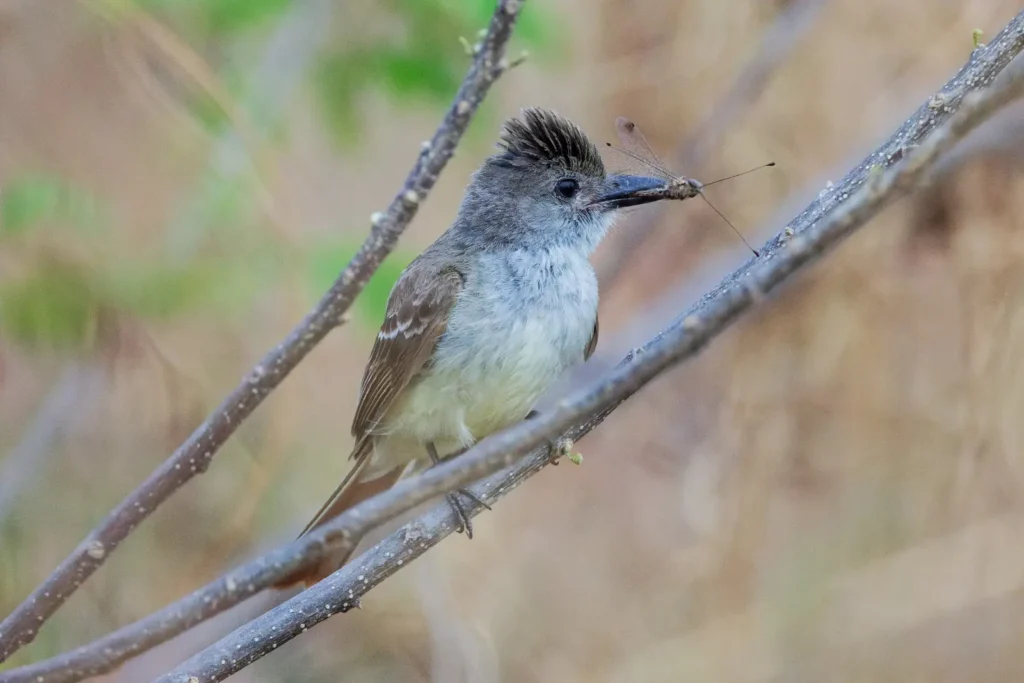
Costa Rica offers everything from colorful, highly visible species to more elusive birds that require effort and a bit of luck. That mix is part of what makes birding here so rewarding, and part of why so many visitors return. A first trip is often just an introduction — a chance to experience a range of habitats, build familiarity with tropical birding, and identify the areas or species you’d like to focus on more deeply next time.
Planning Your Trip
Costa Rica is one of the most accessible and rewarding destinations in the world for birding, especially for a first tropical experience. Infrastructure is good, travel between regions is manageable, and the diversity of birds and habitats is exceptional. With thoughtful planning, a realistic pace, and flexibility to adapt to conditions on the ground, your first trip can be both productive and deeply enjoyable.
And if you find yourself already thinking about a return visit before you’ve even left — you’re not alone. It happens more often than you’d expect.
Ready to start planning? Get a free, no-obligation quote and one of our birding specialists will help you build an itinerary around the regions and species that matter most to you.
Planning Your First Birding Trip to Costa Rica: What You Should Know
Get a Free Quote
See Most Recent Posts
Birding in Costa Rica in May: Weather, Bird Activity, and
May is a strong month for birding in Costa Rica — breeding activity, soft photography light, quiet reserves, and better…

From 50 Lifers to Life long Memories
A family birding trip through Caño Negro, Sarapiquí, and Savegre logged 51 lifers and 257 species in 12 days —…

Planning Your First Birding Trip to Costa Rica: What You
If you’re planning your first birding trip to Costa Rica, you’re in for something special. With over 930 recorded species…