How to Pace a Costa Rica Birding Trip (So Everyone’s Happy)
One of you wants to log 200 species in a week. The other wants coffee by the feeders and whatever shows up. In most places that's a problem. In Costa Rica, it's a perfectly good itinerary — and that flexibility is what makes it such a strong birding destination, whatever your pace.
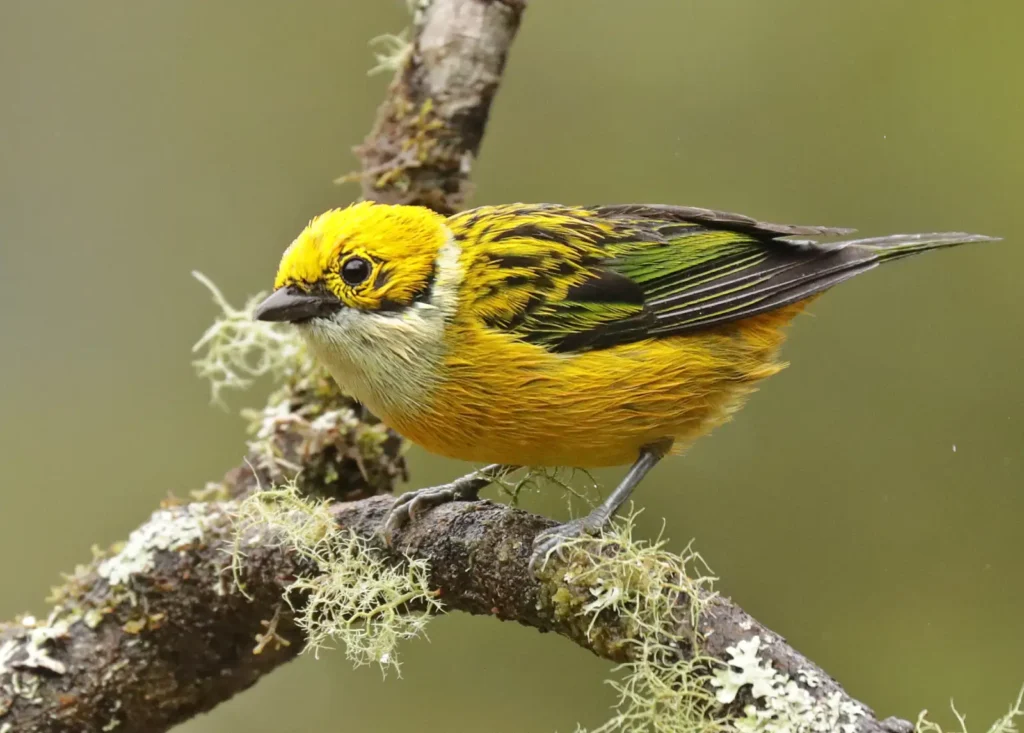
Birding in Costa Rica can run at almost any speed — and that’s exactly why it works. Some birders arrive with a target list and a plan to make every hour count; others prefer a slower pace, spending time in one place, watching behavior, enjoying photography, or simply taking in the surroundings. And then there are many travelers who fall somewhere in between.
The country rewards all of these styles, and it handles the harder case just as well: groups where those preferences don’t match.
A lot of that flexibility comes down to the land itself.
Five Habitats, One Small Country
Costa Rica runs from sea level to nearly 12,500 feet (3,800m) in a country smaller than West Virginia, and its Caribbean and Pacific slopes hold distinct communities of birds. More than 920 species have been recorded here, spread across a handful of very different environments — and each one tends to invite a different pace.
- Caribbean lowlands and wetlands — Sarapiquí, Tortuguero, Caño Negro. Hot, humid, and often birded by boat along rivers and canals, which makes for relaxed, productive mornings. Toucans, herons, kingfishers, and Great Green Macaw.
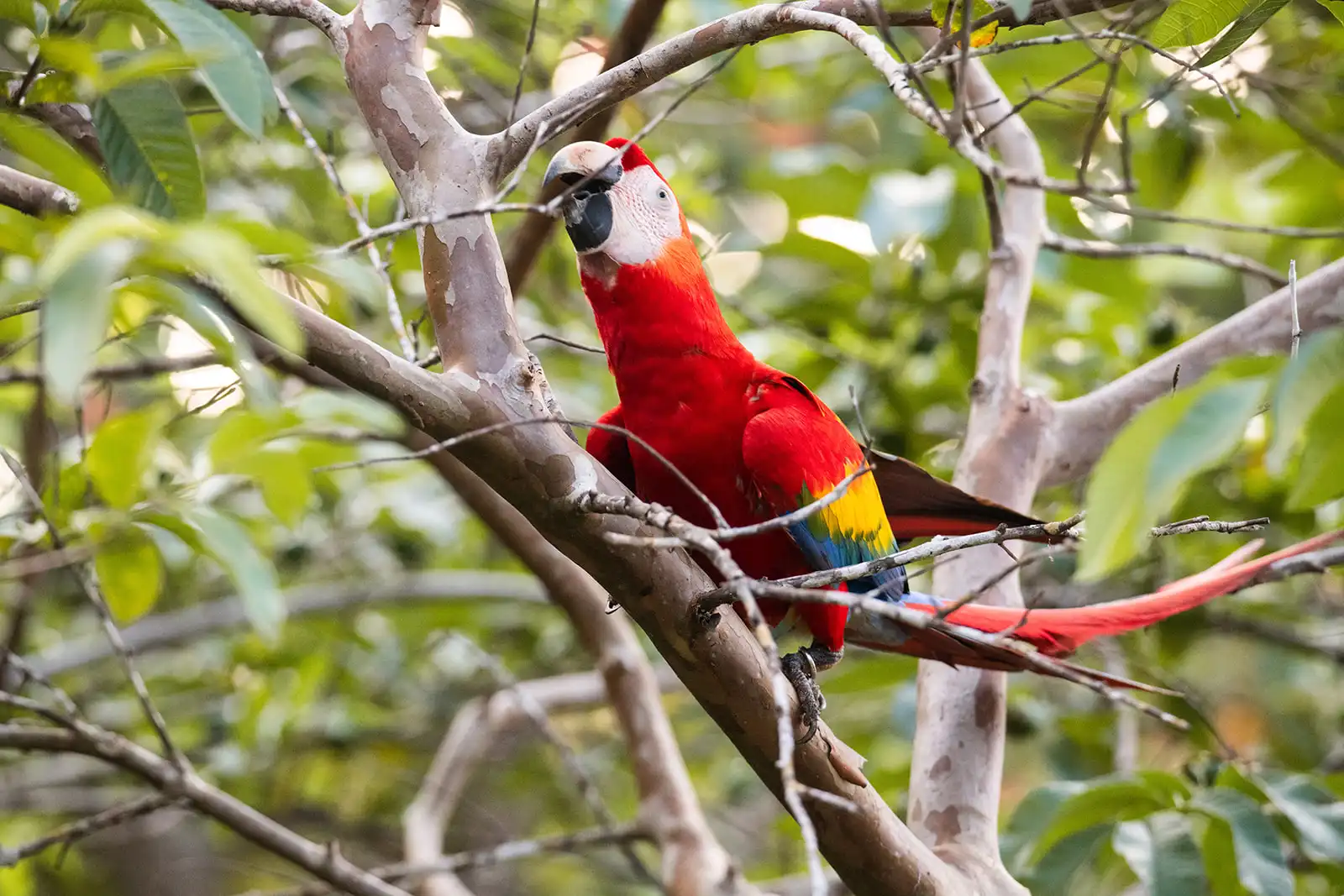
- South Pacific lowlands — Carara and the Osa Peninsula, home to some of the richest rainforest in the country. Scarlet Macaws, trogons, and aracaris, mostly along trails. More active, more effort, big rewards.
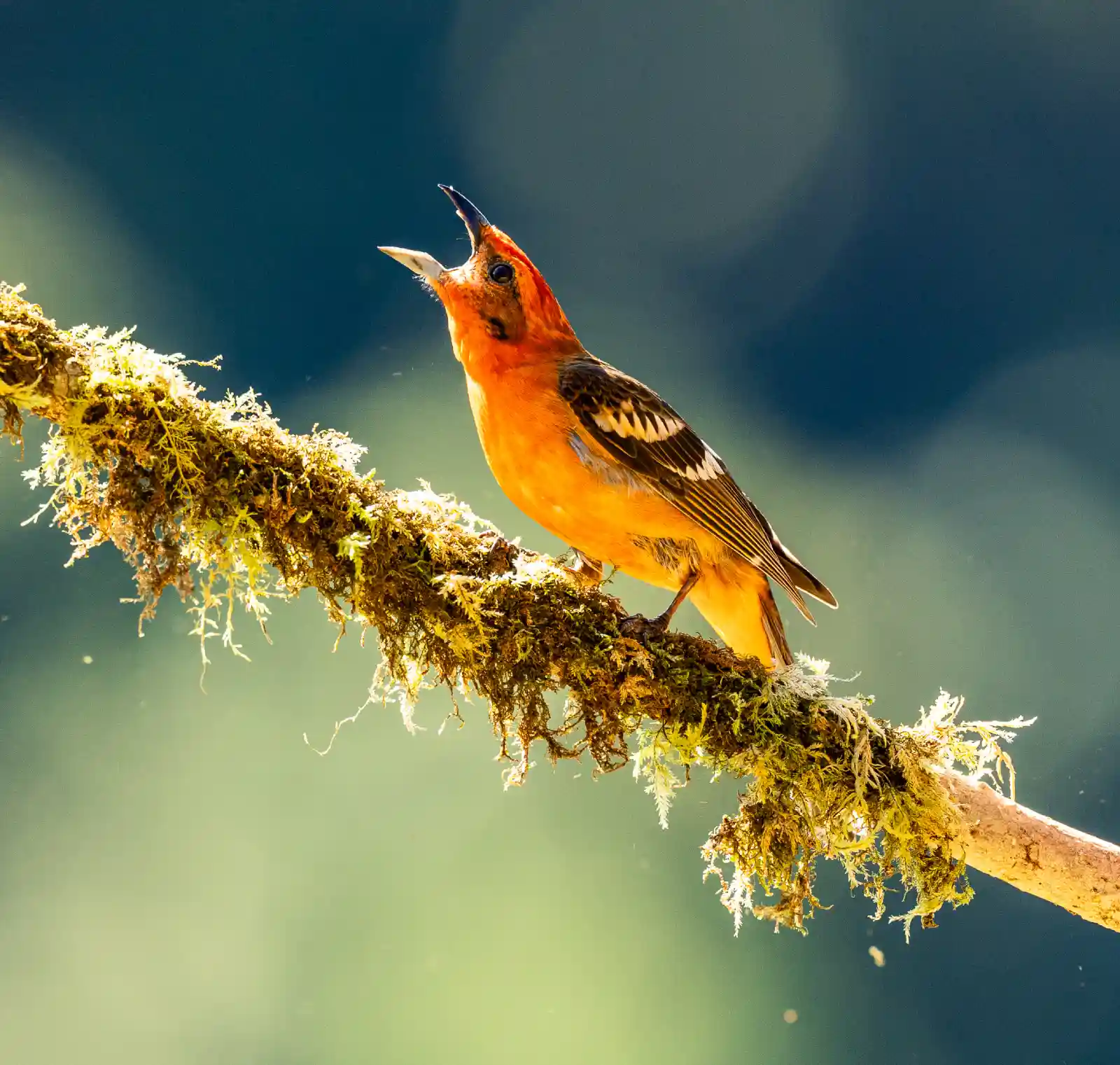
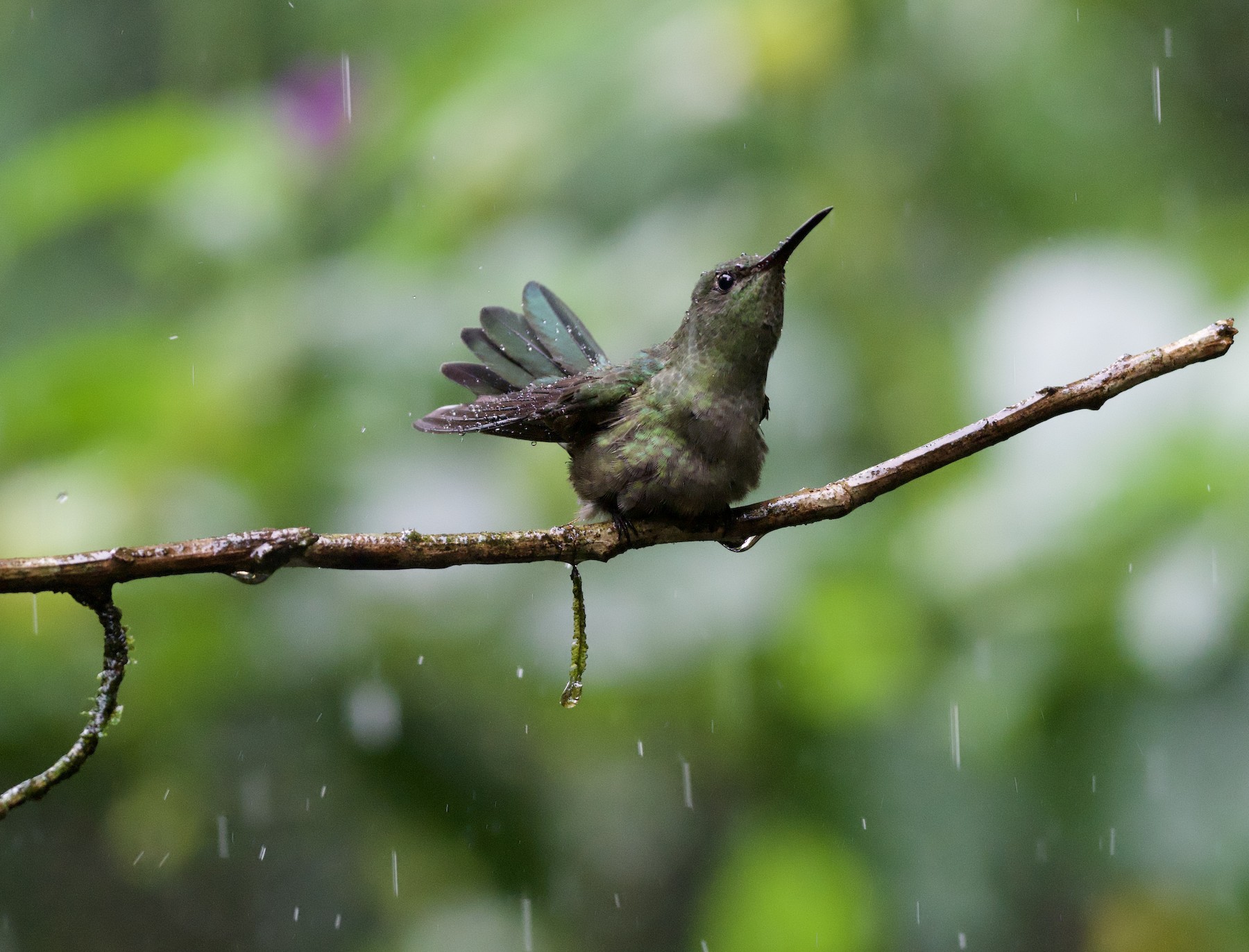
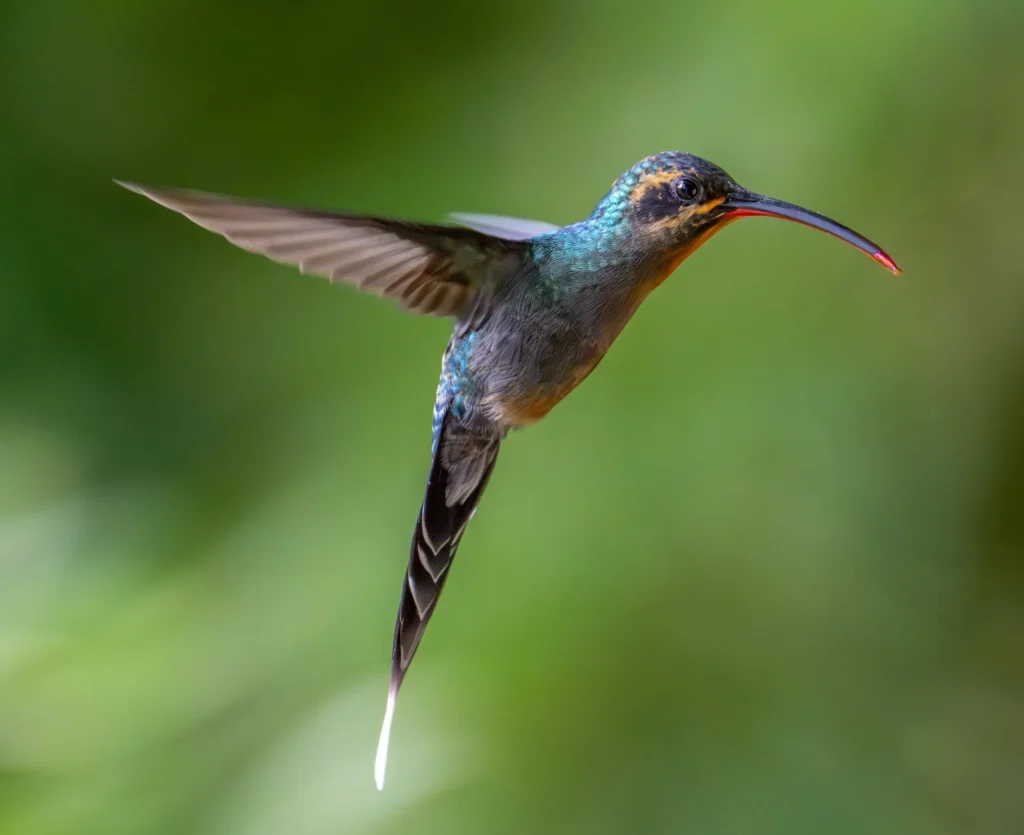
- Middle-elevation foothills — feeder country. At lodges around the Caribbean slope and spots like Cinchona, hummingbirds and tanagers come in at arm’s length. Low effort, high reward, and the natural home of slow birding.
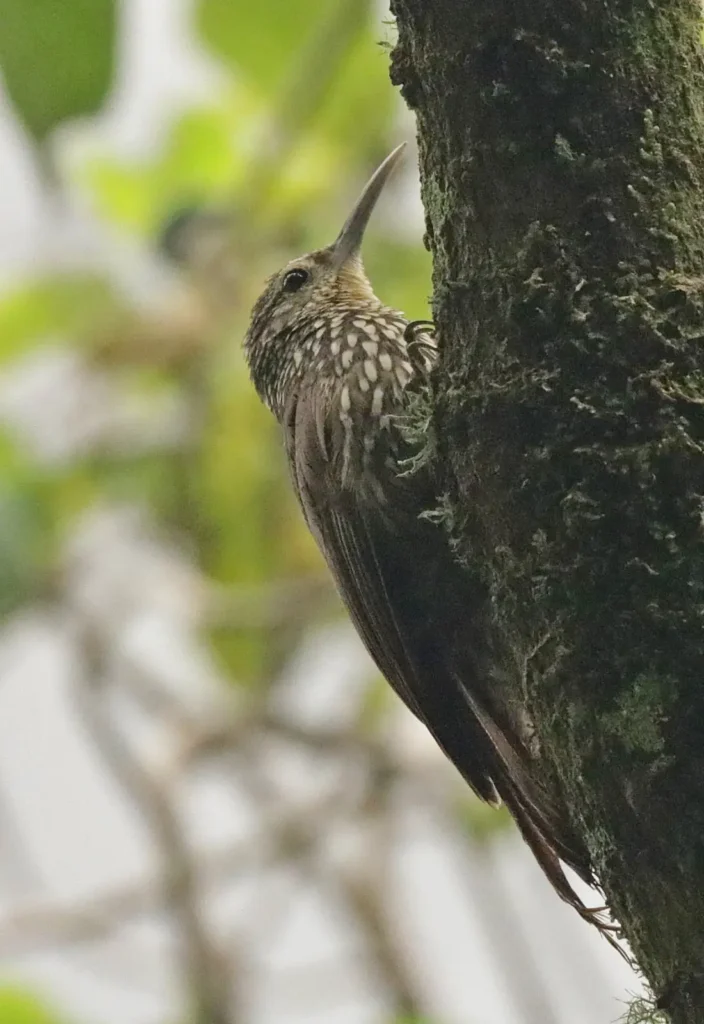
- Highland cloud forest — Monteverde, San Gerardo de Dota, and Cerro de la Muerte. Cool, misty, and mossy, with the Resplendent Quetzal, the Three-wattled Bellbird, and a long list of highland specialties.
- Dry Northwest — Palo Verde and the Guanacaste lowlands. Open tropical dry forest with a completely different feel and bird list: Turquoise-browed Motmot, White-throated Magpie-Jay, and dense concentrations of waterbirds in the wetlands.
The practical upshot: feeders and boats suit a slower style, trails suit a faster one, and most itineraries mix enough of both that you’re never locked into a single rhythm.
Fast Lister, Slow Watcher, or Both
For fast-paced birders, Costa Rica offers the ability to move efficiently between habitats and elevations, often seeing a wide variety of species in a relatively short period of time. With well-planned logistics, it’s possible to experience lowlands, foothills, and highlands within a single trip, each with its own set of species and conditions— and build a long list quickly.
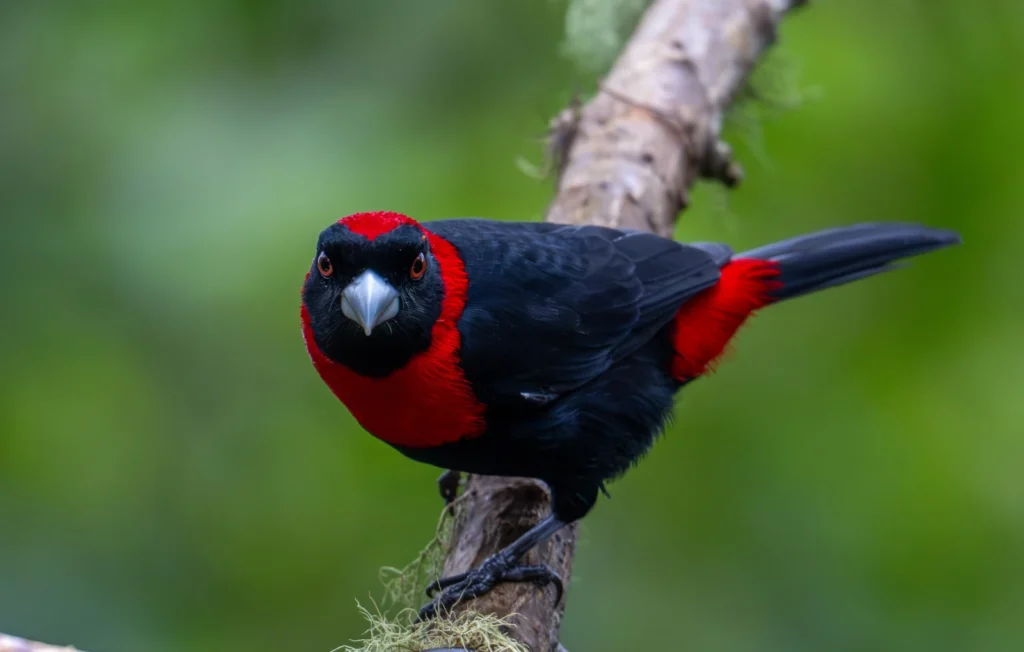
At the same time, Costa Rica is equally well suited to a slower, more deliberate style of birding. Many locations offer productive trails, accessible habitats, and thoughtfully maintained gardens where it’s possible to spend extended periods observing birds without needing to move constantly. Neither approach is better, they’re simply different ways of experiencing the same environment.
Why the Pace Can Change by the Hour
A lot of the rhythm isn’t up to you — it’s up to the birds. Activity peaks in the first hours after dawn, eases off through the heat of midday, then picks up again in the late afternoon. So a good day tends to front-load the focused birding and naturally slows in the middle, whether you planned it that way or not. That midday lull is the time for a feeder deck, some photography, lunch, or a break before the afternoon.
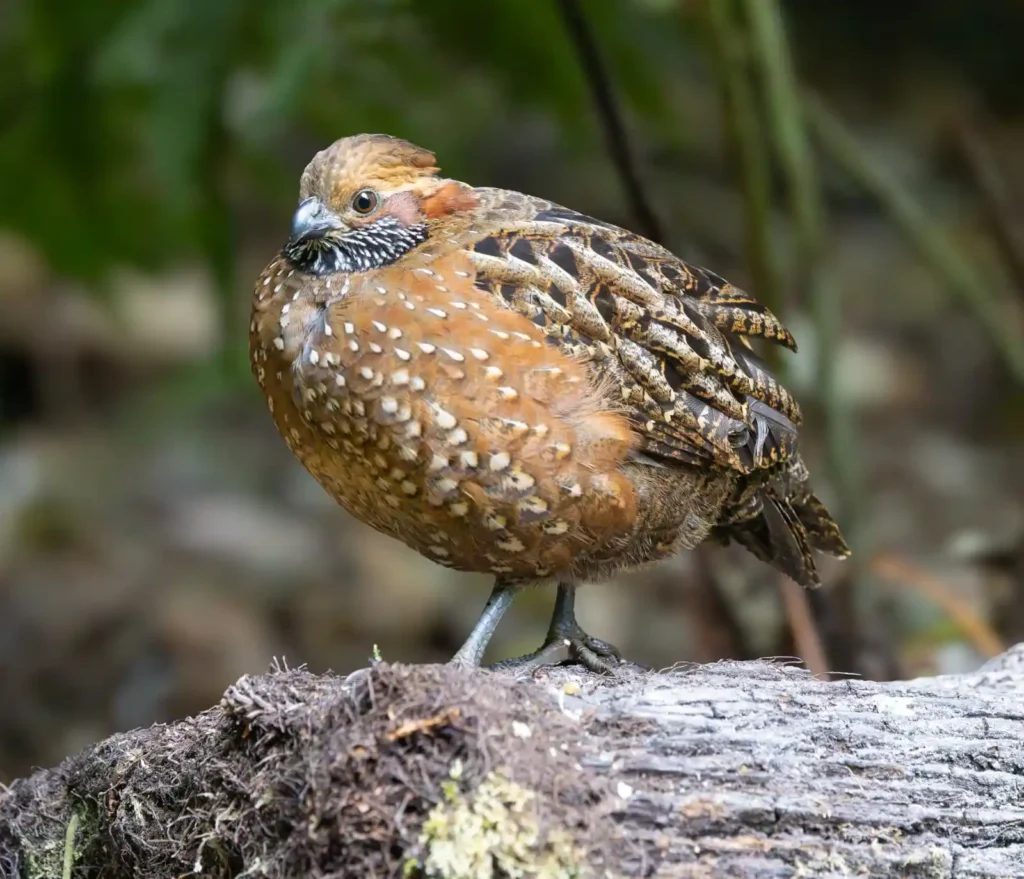
For some travelers, that balance is what makes the trip feel sustainable over a longer period of time. It’s not about doing less, it’s about doing the right amount at the right time.
When Travel Styles Don’t Match
This flexibility becomes especially important when traveling as a couple or a small group. It’s very common for one person to be more focused on birding, while the other is just as interested in the overall experience, wildlife, scenery, culture, and time to relax. In other cases, everyone may be interested in birds, but at different levels of intensity. Costa Rica handles this dynamic well. Many birding locations are comfortable and accessible, with opportunities to participate at different levels without anyone feeling left behind. One person may spend more time in the field, while another enjoys a quieter pace nearby, and both still feel part of the experience. Some locations are ideal for active birding, walking trails, covering different elevations, and seeking out specific species. Others are better suited to staying in one place, where birds come into view naturally over time.
Feeders, gardens, forest edges, and open viewpoints all offer different ways to engage with birding, and a well-structured itinerary can include a mix of these experiences. This variety allows each day to feel different, and each traveler to find a rhythm that works for them.
How a Private Guide Sets the Pace
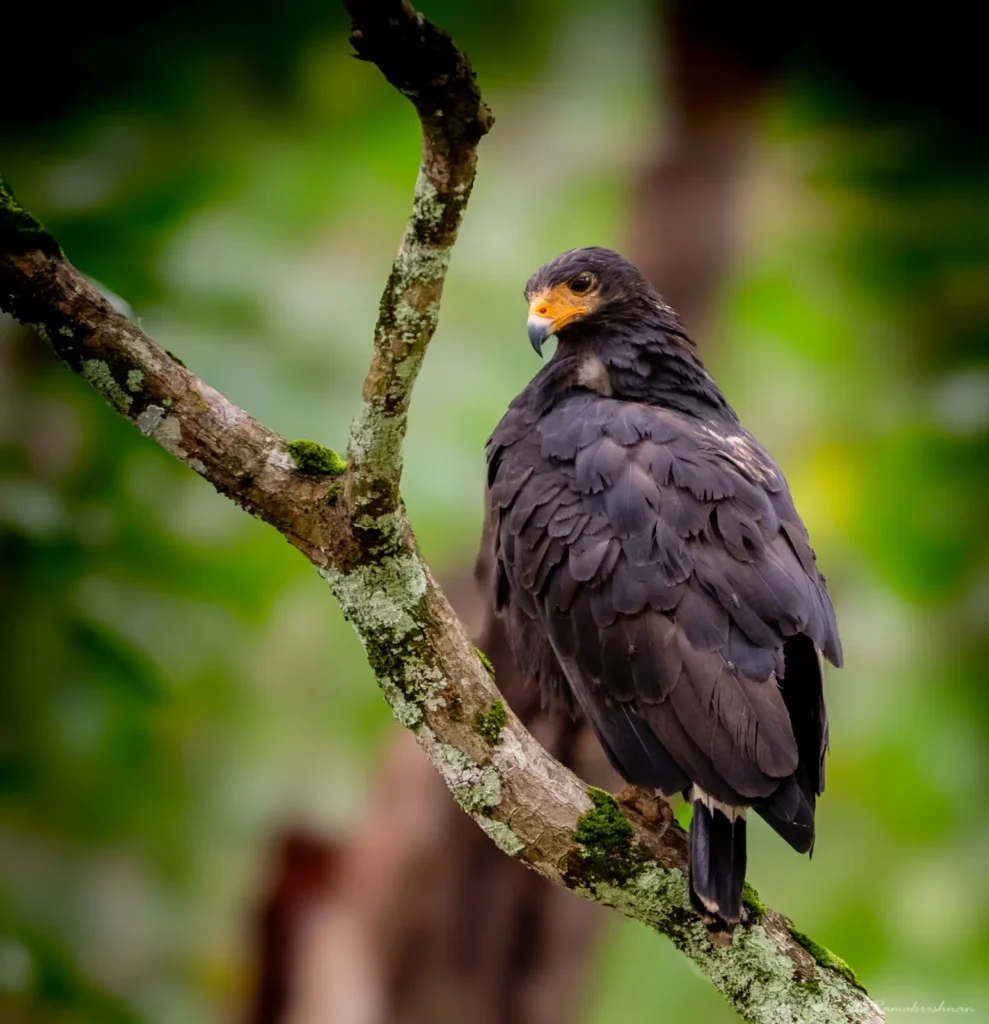
This is where a private guide becomes especially valuable. A good guide will quickly understand the pace that feels right for you and adjust accordingly. Some days may be more focused and active, while others are intentionally slower. That flexibility allows the experience to feel personalized rather than fixed. It also means that small opportunities, whether it’s stopping for a roadside sighting or spending extra time with a cooperative species, can be taken advantage of without disrupting the overall flow of the trip.
Building an Itinerary Around Your Pace
Pace works at the scale of the whole trip, not just the day. Alternating an intense region with a quieter one — and leaving room for transfer days — keeps a longer trip from wearing thin. One honest caveat: Costa Rica looks small on a map, but it’s mountainous, and drives between regions take longer than the distance suggests. That travel time is part of the pace, so it pays to factor it in rather than fight it.
In the end, birding here doesn’t run on a single template. Some travelers move fast and cover ground. Others slow down and go deep in fewer places. Most do a bit of both before the trip is over. What matters is finding the pace that feels right and building the itinerary around it — and few destinations make that as easy as Costa Rica. It’s a big part of why so many of our guests come back.
How to Pace a Costa Rica Birding Trip (So Everyone’s Happy)
Get a Free Quote
See Most Recent Posts
Birding in Costa Rica in May: Weather, Bird Activity, and
May is a strong month for birding in Costa Rica — breeding activity, soft photography light, quiet reserves, and better…

From 50 Lifers to Life long Memories
A family birding trip through Caño Negro, Sarapiquí, and Savegre logged 51 lifers and 257 species in 12 days —…

Planning Your First Birding Trip to Costa Rica: What You
If you’re planning your first birding trip to Costa Rica, you’re in for something special. With over 930 recorded species…