
Las Cruces Biological Station
Birdwatching at Las Cruces Biological Station & Wilson Botanical Garden Located in the scenic Coto Brus Valley near San Vito in southern Costa Rica, Las Cruces Biological Station is one of the country’s most compelling destinations for birdwatchers. Operated by the Organization for Tropical Studies (OTS), the station is best known as the home of the renowned Wilson…
Quick Facts on Las Cruces Biological Station
Hotspot Type
Biological Research Station
Habitat
Bird Species
Silver-throated Tanager, Golden-hooded Tanager, Bay-headed Tanager, Speckled Tanager, Blue-gray Tanager, Lesson’s Motmot, Yellow-throated Toucan, Black Vulture, Buff-throated Saltator, Clay-colored Thrush, White-throated Thrush, Green Honeycreeper, Crested Guan, Spot-crowned Euphonia, White-vented Euphonia, Charming Hummingbird, Red-crowned Woodpecker, Golden-naped Woodpecker, Chestnut-sided Warbler, Scale-crested Pygmy-Tyrant, Scarlet-rumped Tanager, Red-crowned Ant-Tanager, Summer Tanager, White-shouldered Tanager, Gray-headed Tanager, White-winged Tanager, Bananaquit, Turkey Vulture, Green Hermit, Black-faced Antthrush, Orange-billed Sparrow, White-crowned Parrot, Squirrel Cuckoo, Stripe-throated Hermit, Great Tinamou, Buff-rumped Warbler, Gray-headed Chachalaca, Spotted Woodcreeper, Wedge-billed Woodcreeper, Scarlet-thighed Dacnis, Black-hooded Antshrike, Swallow-tailed Kite, Fiery-billed Aracari, Ruddy Quail-dove, Chiriqui Quail-Dove, Streak-headed Woodcreeper, Tawny-winged Woodcreeper, Tropical Parula, Yellow-bellied Flycatcher, Common Tody-Flycatcher, Slaty-capped Flycatcher, Boat-billed Flycatcher, Bright-rumped Attila, Roadside Hawk, The Brown-Hooded Parrot, Long-billed Gnatwren, Orange-billed Nightingale-Thrush, Rufous Piha, Riverside Wren, Gray-cowled Wood-Rail, Scaly-breasted Wren, Northern Schiffornis, Olivaceous Piculet, Yellow-headed Caracara, Marbled Wood-Quail, Golden-olive Woodpecker, Smoky-brown Woodpecker, Gartered Trogon, Plain Xenops, Tawny-crowned Greenlet, Brown-billed Scythebill, Golden-crowned Warbler, Slate-throated Redstart, Laughing Falcon, Common Chlorospingus, Dot-winged Antwren, Yellow-throated Vireo, Bicolored Antbird, Blue-headed Parrot, Pale-billed Woodpecker, Masked Tityra, Sulphur-rumped Flycatcher, Northern Black-throated Trogon, Orange-chinned Parakeet, Crested Oropendola, Little Tinamou, Rose-throated Becard, Blackburnian Warbler, Rufous Mourner, Variable Seedeater, Blue-black Grosbeak, Violet Sabrewing, Collared Trogon, Yellow-bellied Elaenia, Golden-crowned Spadebill, Rufous-tailed Jacamar, Shining Honeycreeper, Orange-collared Manakin, Great Kiskadee, Slaty-tailed Trogon, Baird’s Trogon, Scaly-breasted Hummingbird, White-collared swift, Black Hawk-Eagle, Crested Caracara, Yellow-bellied Tyrannulet, Rufous-collared Sparrow, Northern Bentbill, Green-Crowned Brilliant Hummingbird, Kentucky Warbler, Lineated Woodpecker, Ruddy Woodcreeper, Dusky Antbird
Birdwatching at Las Cruces Biological Station & Wilson Botanical Garden
Located in the scenic Coto Brus Valley near San Vito in southern Costa Rica, Las Cruces Biological Station is one of the country’s most compelling destinations for birdwatchers. Operated by the Organization for Tropical Studies (OTS), the station is best known as the home of the renowned Wilson Botanical Garden, which features one of the most diverse and scientifically significant plant collections in Central America.
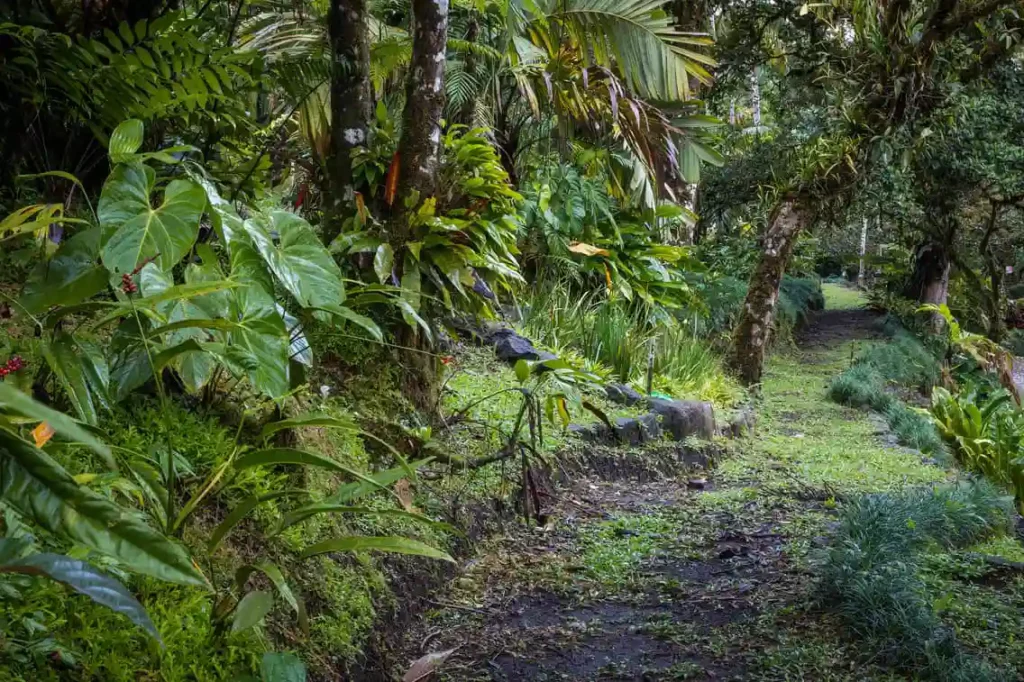
Set at an elevation of approximately 1,200 meters (3,900 feet), Las Cruces sits at the interface of montane and lowland forest zones, creating a unique blend of habitats that supports a rich diversity of bird species. The station’s network of well-maintained trails weaves through secondary forest, regenerating areas, open gardens, and forest edges ideal for spotting everything from fiery-billed aracaris, rufous-breasted wrens, and white-crested coquettes to mixed-species flocks of tanagers and flycatchers. Early mornings are particularly active, with birds foraging at eye level, while the botanical gardens come alive throughout the day as hummingbirds, euphonias, and flowerpiercers are drawn to the abundant blooms.
Las Cruces Biological Station
Get a Free Quote