Why Cloud Forest Birding Feels Different in Costa Rica
Misty, quiet, and unlike lowland birding — here's what to expect from Costa Rica's cloud forests, from spotting the Resplendent Quetzal to when birds are most active.
For many travelers visiting Costa Rica, birding in the cloud forest is one of the most anticipated parts of the trip. Destinations like Monteverde and San Gerardo de Dota are well known for their biodiversity, and for many, the chance to see species like the Resplendent Quetzal is a highlight. And yet, when guests arrive, the experience can feel… different.
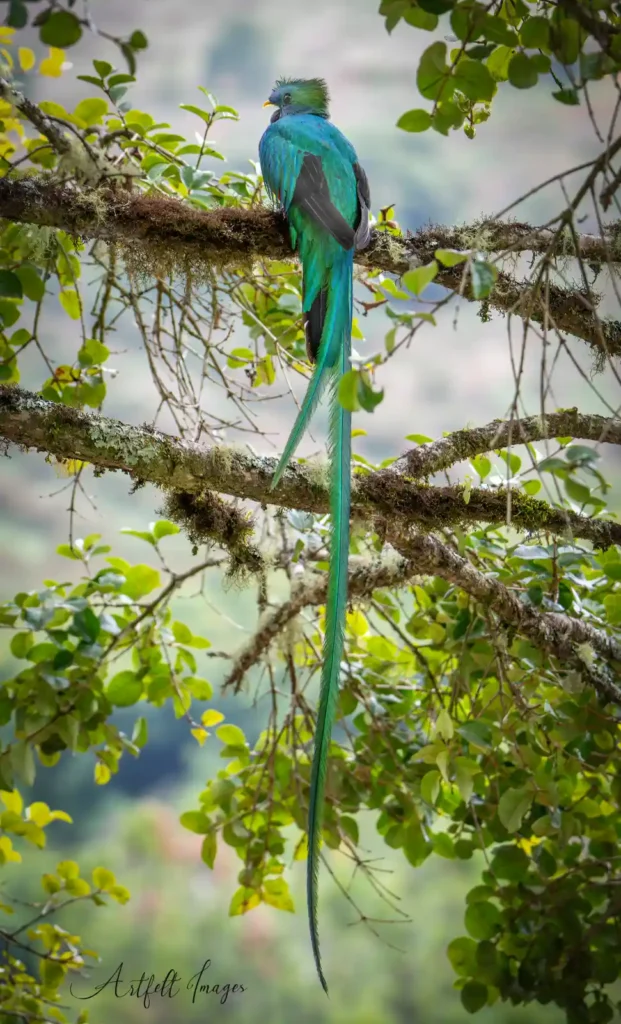
The forest is quieter than expected. The light is softer. The birds are not always immediately visible. For those coming from other birding environments, especially more open habitats, it can take a little time to adjust. This isn’t because there are fewer birds. In fact, the opposite is true. Cloud forests are among the richest ecosystems in Costa Rica. The difference lies in how those birds behave, and how we experience them.
Where Are the Birds? Why Cloud Forest Birding Feels Different
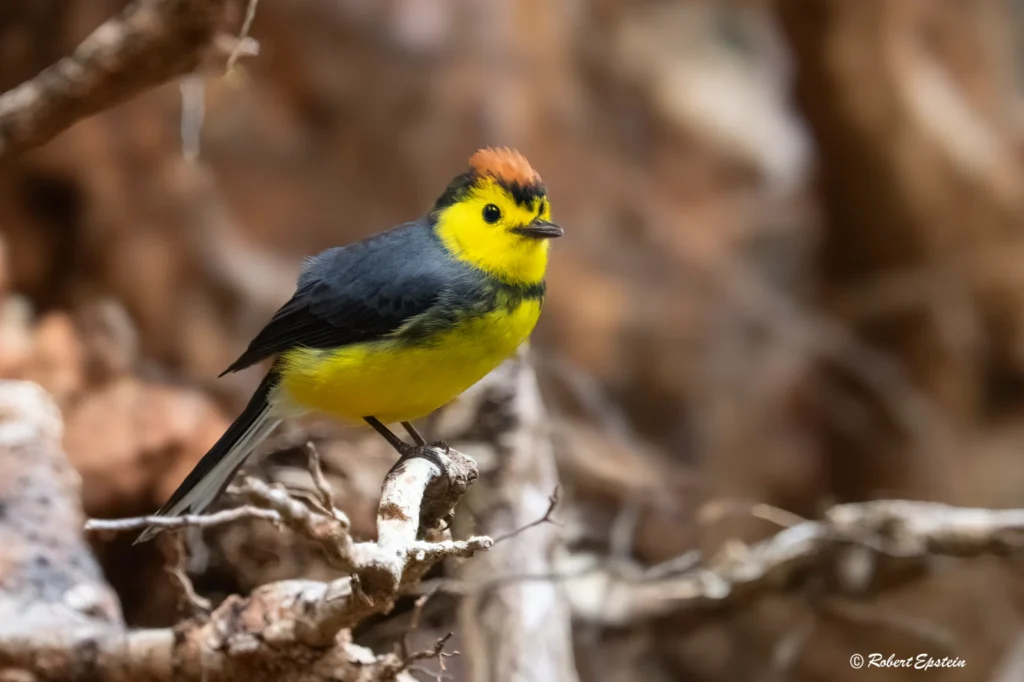
One of the most common reactions we hear is: “Where are the birds?”In the cloud forest, bird activity is often less obvious at first glance. Unlike lower elevation areas where birds may be more active along edges, feeders, or open spaces, cloud forest species tend to spend more time within dense vegetation or higher in the canopy. The forest itself is layered and complex. Moss-covered branches, epiphytes, and thick foliage create a habitat where birds can move efficiently while remaining partially hidden. As a result, sightings can feel more fleeting, and movement is not always easy to track. It’s not that there’s less happening, it’s just less immediately visible.
How Mist and Light Shape Cloud Forest Birding (and Photography)
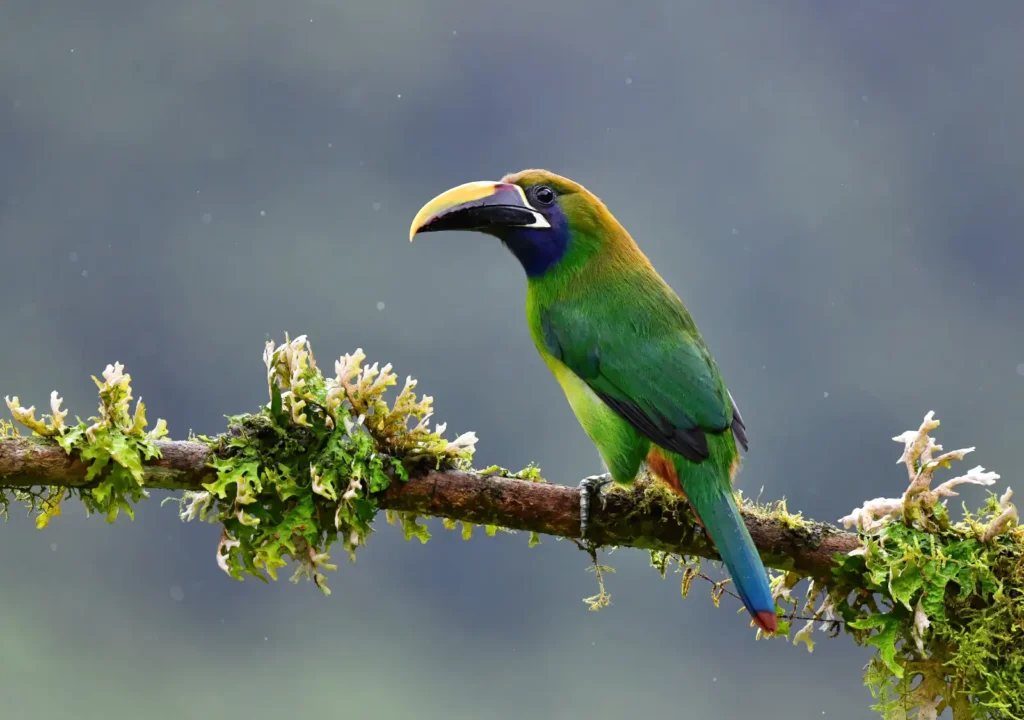
The cloud forest environment plays a big role in shaping the birding experience. Frequent mist, overcast skies, and filtered sunlight create a softer, more diffused light. While this contributes to the beauty and atmosphere of the forest, it can also make birding in the cloud forest more challenging. Colors can appear muted, and birds may not “pop” the way they do in brighter, open conditions. For bird photographers, this often means adjusting expectations and techniques — working with available light and focusing on moments rather than perfect conditions. At the same time, this environment creates a unique mood: quiet, immersive, and very different from other birding settings.
When Are Cloud Forest Birds Most Active?
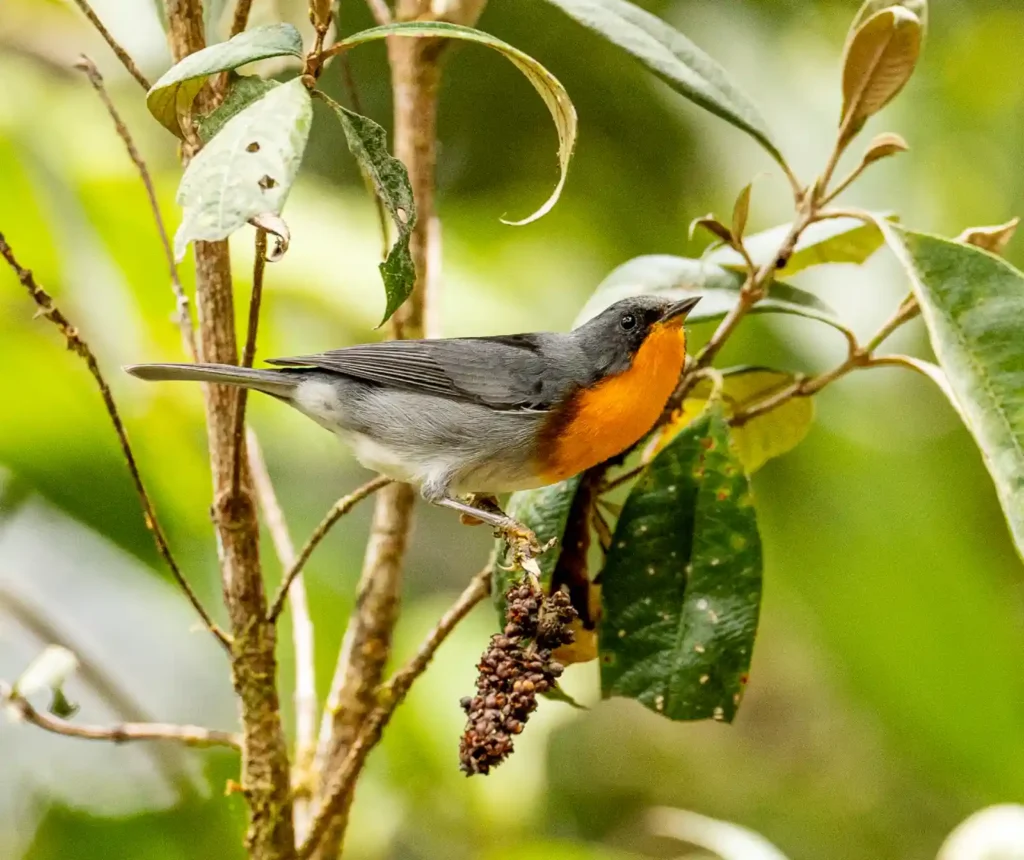
It’s not necessarily that birds behave differently in the cloud forest, the same patterns occur, including mixed flocks, breeding behaviors, and nesting habits across many different habitats throughout Costa Rica. What tends to feel different is how activity is distributed over the course of the day.
In the lowlands, bird activity is often most concentrated in the early morning and then late afternoon. As temperatures rise through the late morning and into the afternoon, activity can slow noticeably, with many species becoming quieter and less active during the hottest part of the day. In the cloud forest, temperatures are generally cooler and more consistent. As a result, there isn’t the same pronounced midday slowdown, and it’s common to continue encountering bird activity well into the late morning and afternoon.
Why an Experienced Guide Matters in the Cloud Forest
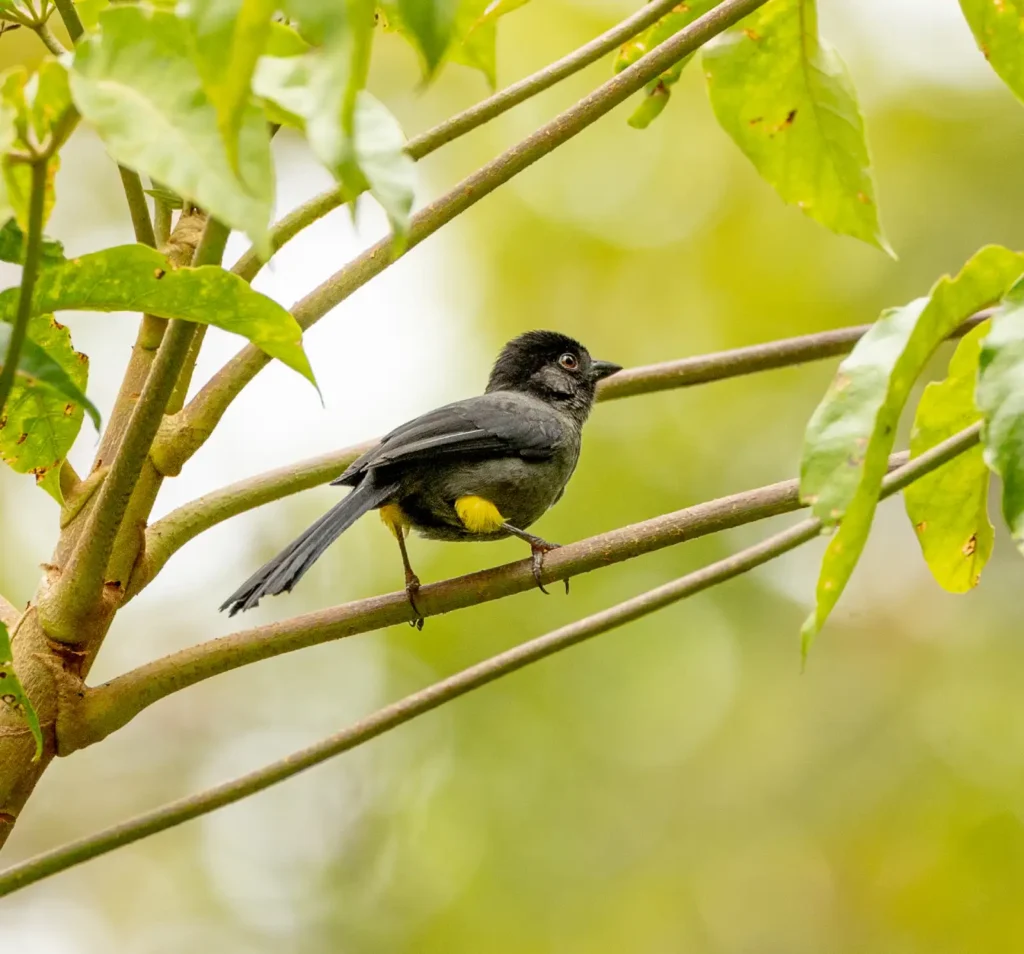
Cloud forest birding is where the value of an experienced guide becomes especially clear. Many species are first detected by sound, and knowing how to interpret those calls and where to position for a potential sighting can make a significant difference. Guides are also familiar with flock patterns, preferred habitats, and subtle movements that are easy to miss. In these environments, birding is less about scanning widely and more about focusing in the right place at the right time. Spotting the top species through dense and lush vegetation is a skill, and having a local guide is paramount to successful cloud forest birding.
The Payoff: the Resplendent Quetzal and Highland Endemics
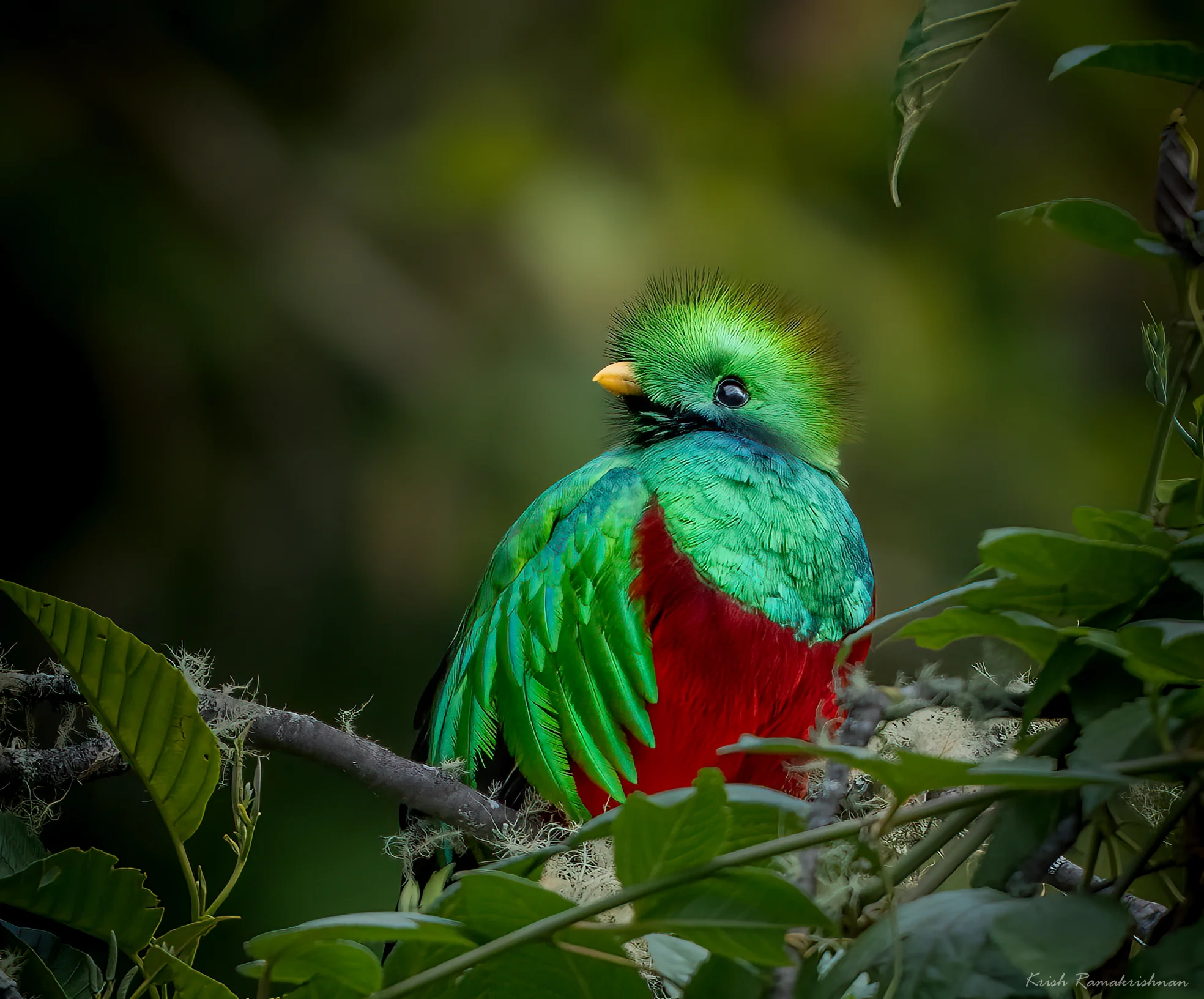
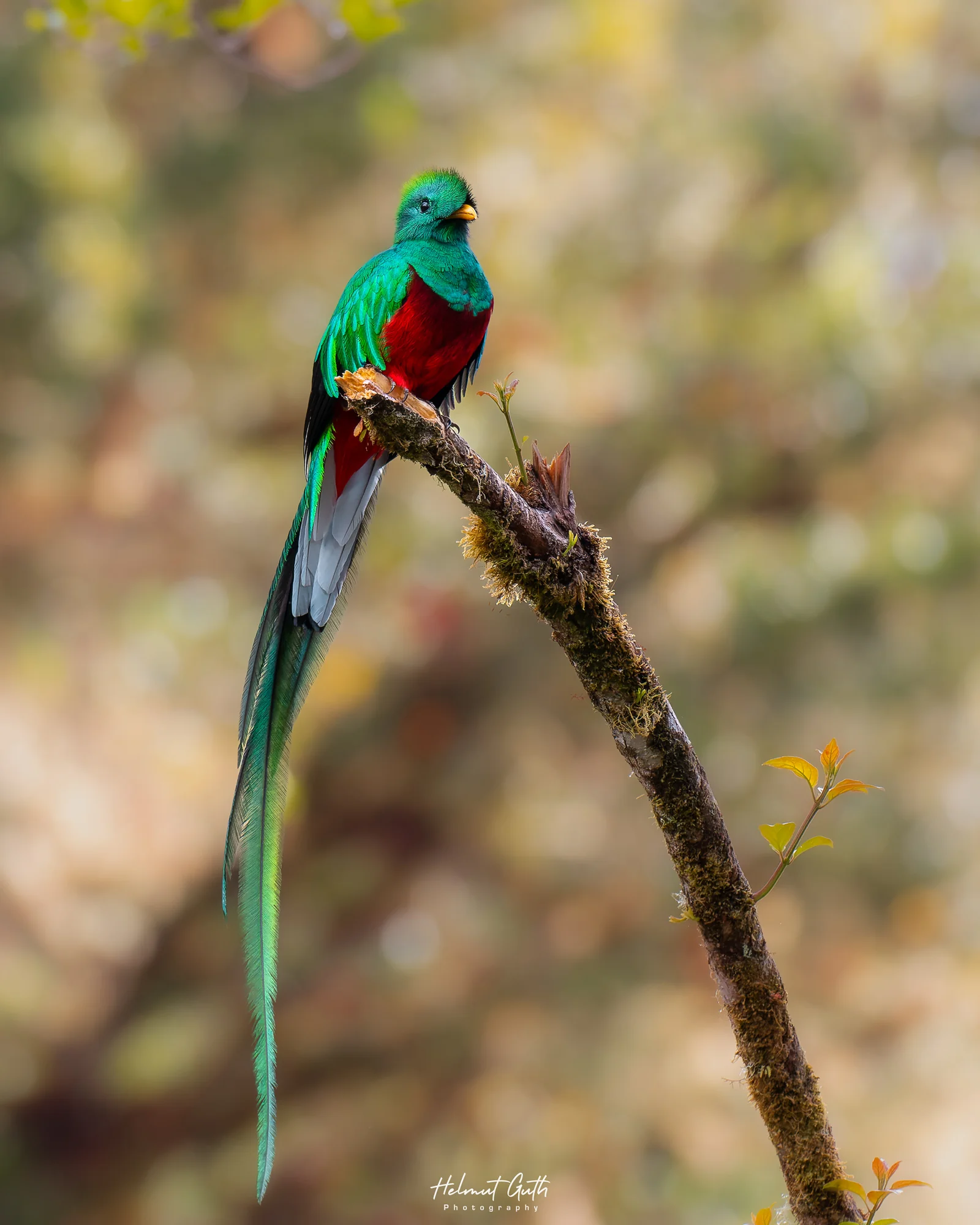
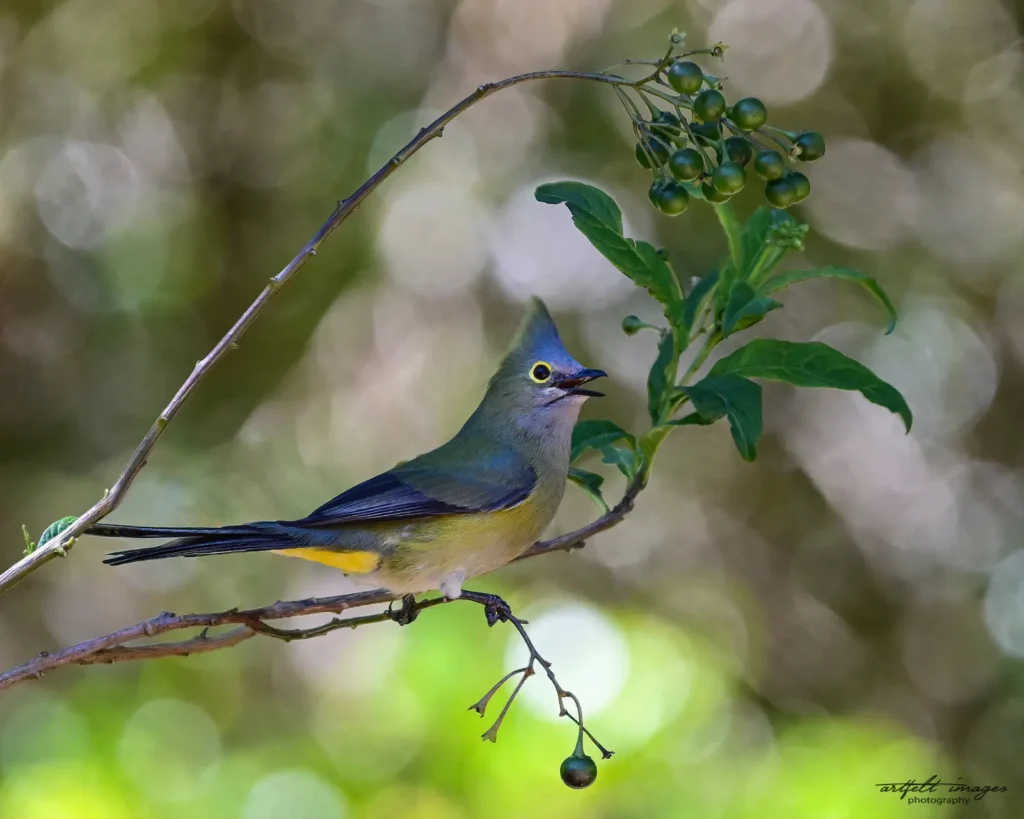
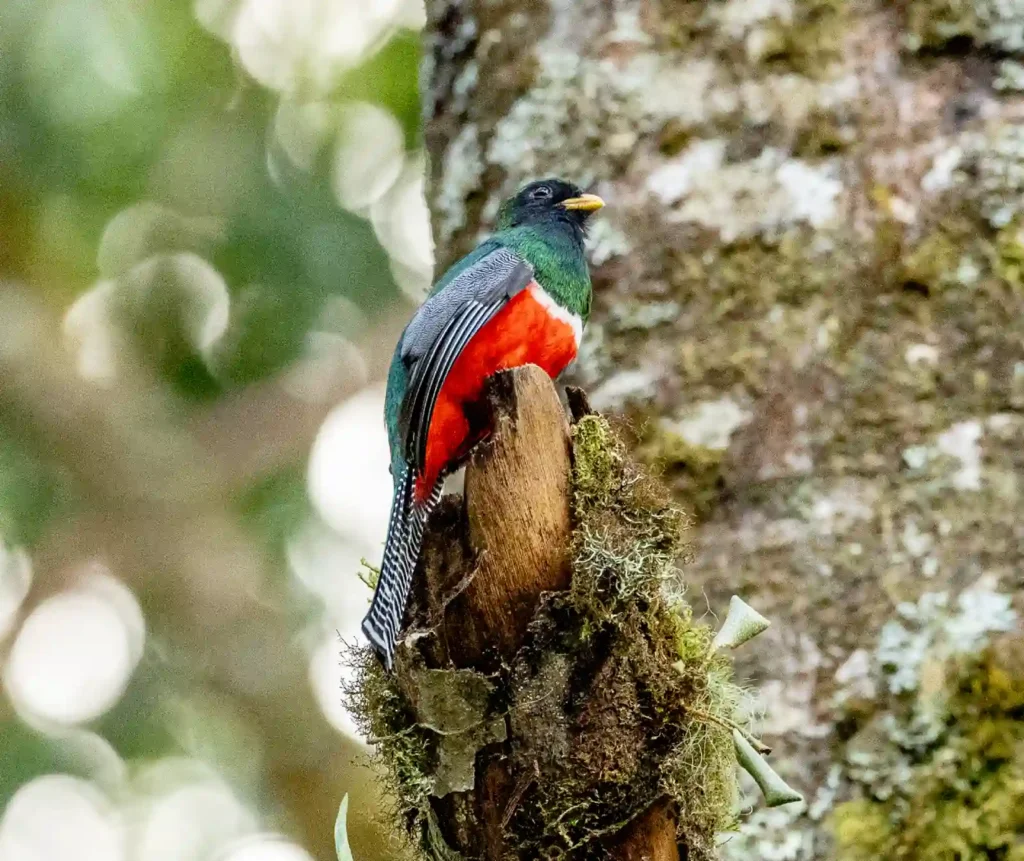
While the experience may feel different, the rewards are significant. Cloud forests are home to some of Costa Rica’s most sought-after species, including the Resplendent Quetzal, as well as a range of highland endemics and specialty birds that are not found in other regions of the country. These are birds that many travelers specifically come to Costa Rica to see, and encountering them in their natural habitat, often in quiet, misty conditions, adds to the overall experience of bird watching in Costa Rica.
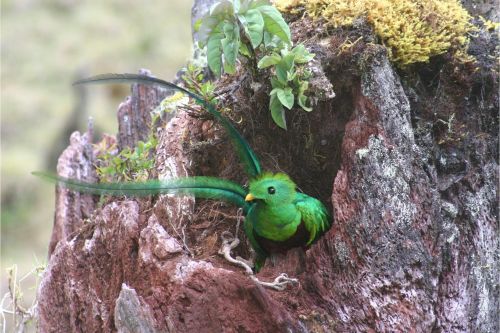
Enjoying a slower pace, a bit more patience, and an openness to the environment as a whole will enhance a visit to the highlands. For those who embrace it, it often becomes one of the most rewarding and memorable parts of their time in Costa Rica. And once you’ve experienced it, it’s something you begin to look forward to on every return visit.
Why Cloud Forest Birding Feels Different in Costa Rica
Get a Free Quote
See Most Recent Posts
Trip Report: Tracking the Trogons, Costa Rica Birding in January
Ten birders, 11 days, 319 species and six of Costa Rica’s nine trogons. The full trip report from Tracking the…

Birding San Gerardo de Dota: Quetzals, Highland Birds and How
San Gerardo de Dota is Costa Rica’s quetzal valley. How to get there, where the guides find Resplendent Quetzals, the…

How Much Does a Costa Rica Birding Tour Cost? What
A Costa Rica birding tour with Costa Rica Focus typically costs $3,400 to $7,400 per person for 8 to 11…