Birding Station to Station

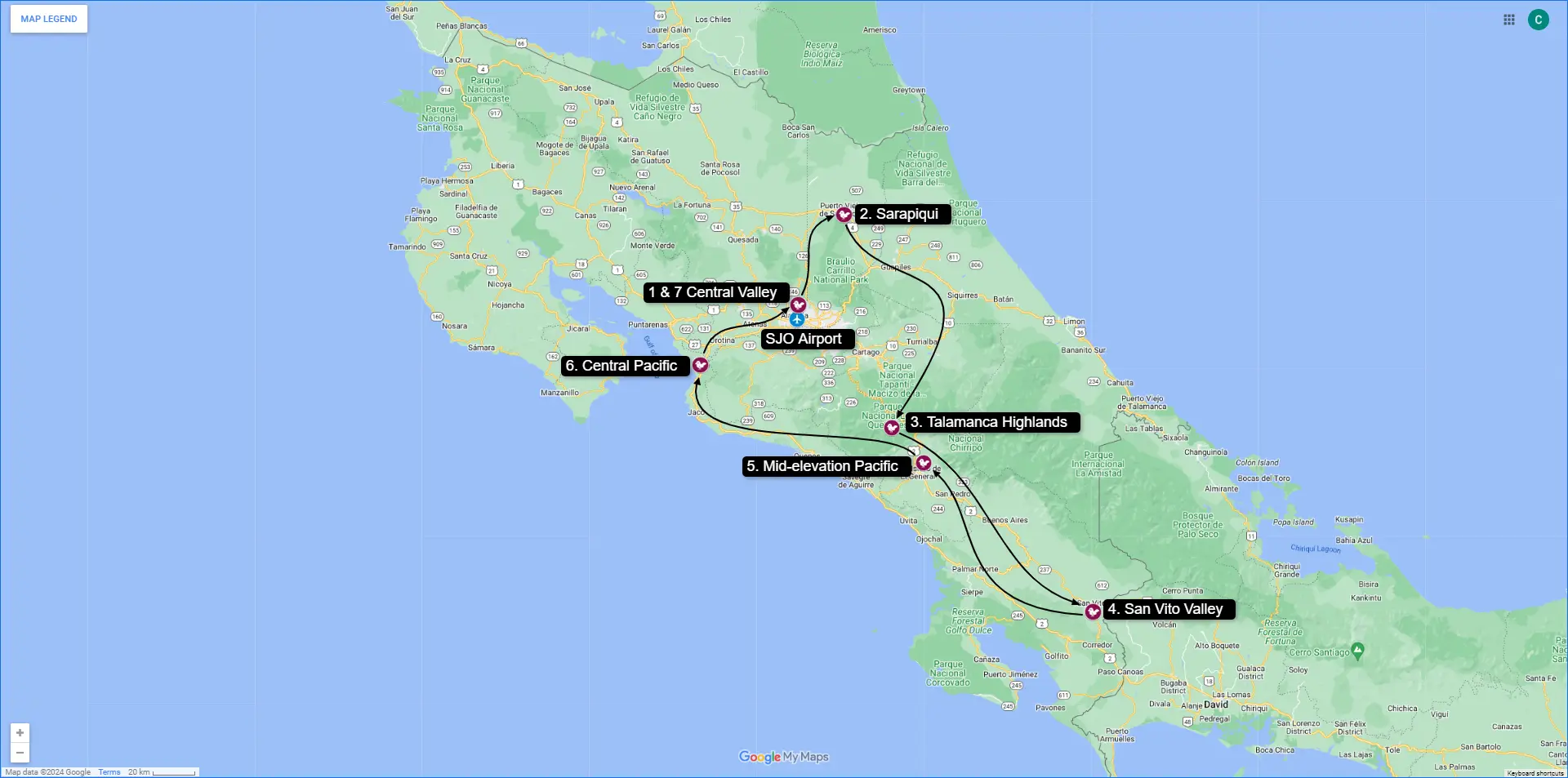
12-Night, 13-Day Trip

About This Birdwatching Group Tour

Focus: Birdwatching

Tour Highlights

Expert private guide throughout your journey
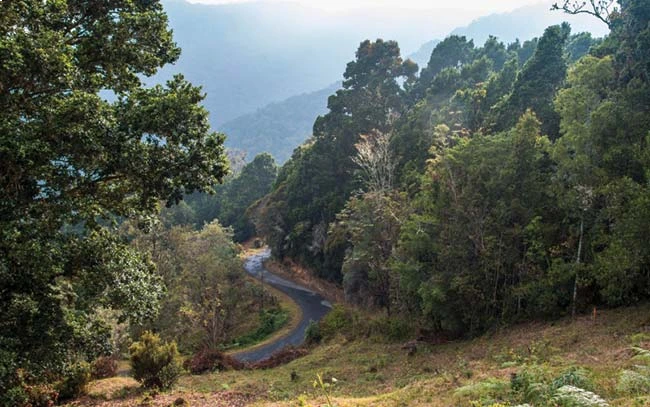
Diverse habitats from rainforest to highlands to coast
Opportunities to spot endemic and range-restricted species
Well-maintained trail systems for comfortable access to habitats
Birding by boat in the Tarcoles River Estuary
Opportunities for rare birds at off the beaten path locations

Trip Overview

Day 1:

Arrive San Jose

Days 2-3:

Caribbean Lowlands - La Selva Station

Days 4-5:

San Gerardo de Dota - Highlands

Days 6-7:

San Vito - Las Cruces Bio Station

Days 8-9:

Pacific Foothills

Days 10-11:

Coastal Pacific

Day 12:

San Jose

Day 13:

Return to SJO Airport

Birding Station to Station Details

This is a private birdwatching experience in Costa Rica, home to over 900 bird species across remarkably diverse ecosystems. Our tour provides personalized access to Costa Rica's best birding locations with your expert private birdwatching guide.  He knows the optimal spots for finding the region's most interesting and wanted species.  From the lowlands to the highlands, exploring the very best of Costa Rica, this journey is a rewarding experience for all bird enthusiasts. Join us for an enriching journey through Costa Rica's landscapes, where each day brings new sightings and chances to add remarkable species to your life list.
Get a Quote

What's Included in Your 12-Night, 13-Day Birding Station to Station Tour?

  • Small Group Tour – Birdwatching

    On a group tour with a private guide, the guide is with you from your arrival to your departure. You not only bird at the hotels, parks, and reserves on your itinerary, you also have the flexibility to stop with the guide at local spots, and places that only the guides know. You have an expert with you every step of the way. Guests with a Private Guide can expect to see at least 50% more species than guests using local guides.

    Pros and Cons of a Scheduled Group Trip

    Continuous expert guidance throughout the entire trip

    50% more species typically observed

    Access to off-the-beaten-track locations

    Flexibility for impromptu stops

    Daily species recap with guide

    Species identification from your guide during and after your trip.

    Fixed travel dates

    Less individual flexibility

      Ideal for

    • Serious birders aiming to maximize species sightings

    • First-time visitors wanting constant expert guidance

    • Birders interested in off-the-beaten-path locations

    • Travelers who value having all meals and services included

    • Birders who enjoy shared experiences with like-minded travelers

    • Travelers looking for easy, seamless experience

    • Birding Station to Station Itinerary Details

      Day 1: Welcome to Costa Rica

      Begin your birding adventure with arrival at San José International Airport. Meet your private driver for a short drive to your hotel outside San José. This evening, join your expert birding guide for a welcome dinner where you’ll discuss the exciting days ahead and the many bird species you’ll be seeking throughout your journey.

      Day 2: San José to Sarapiquí

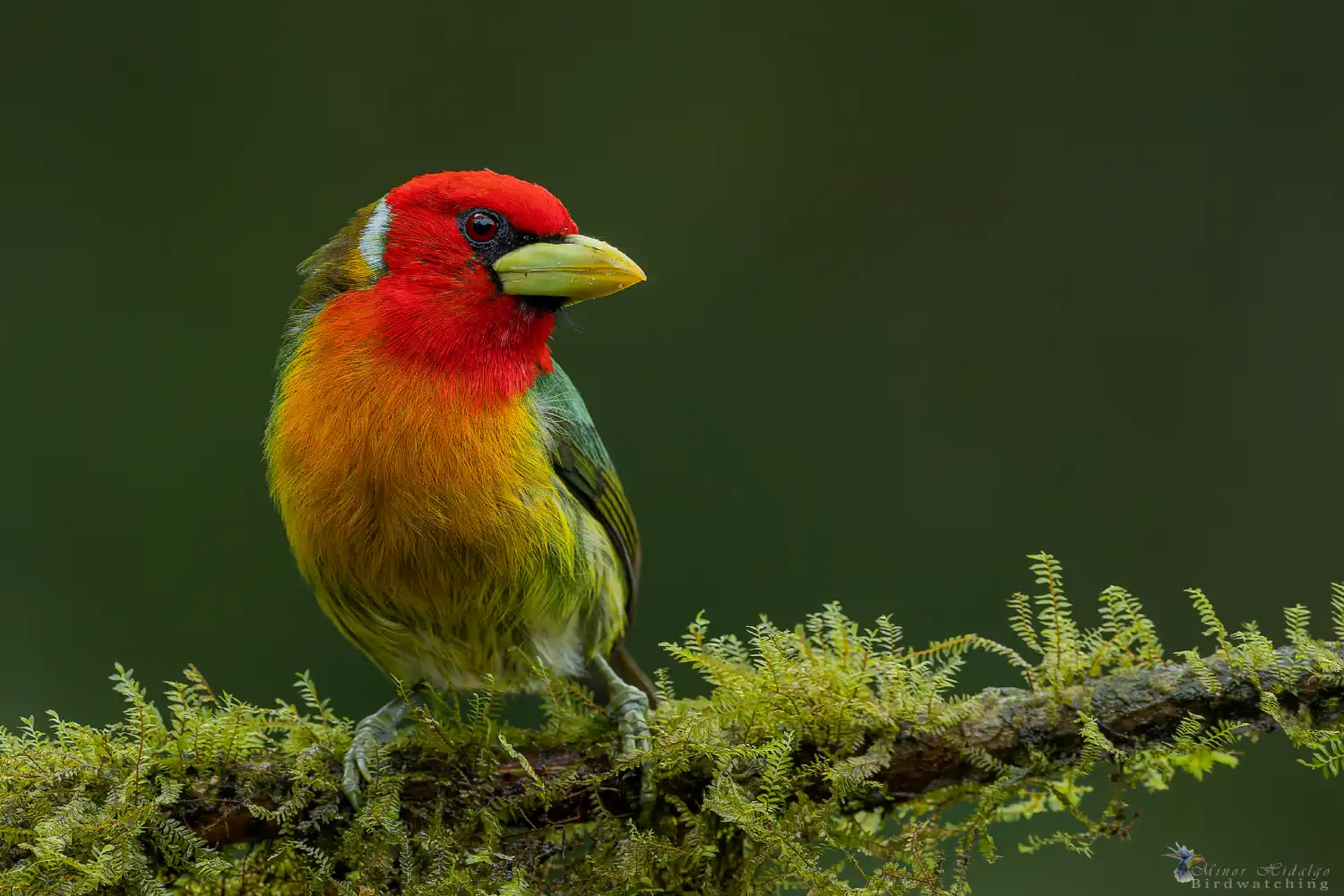
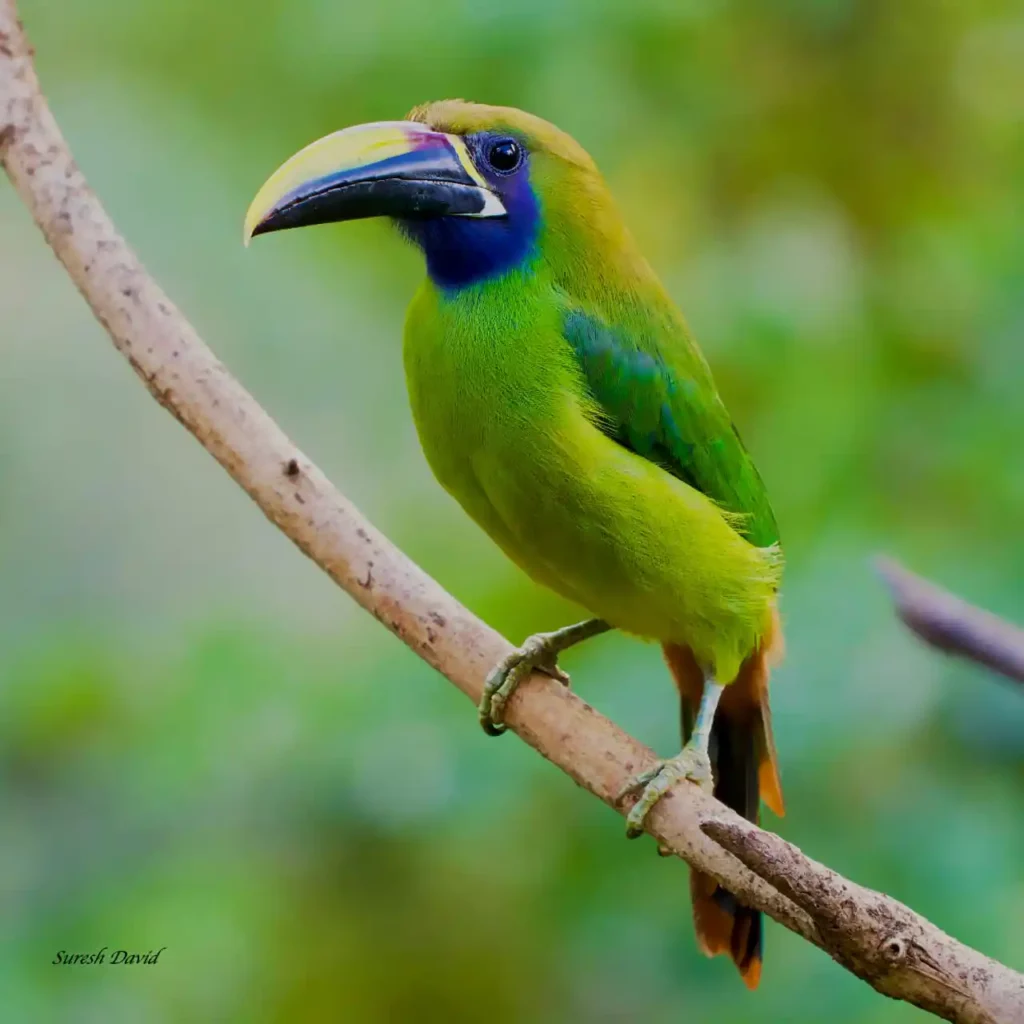
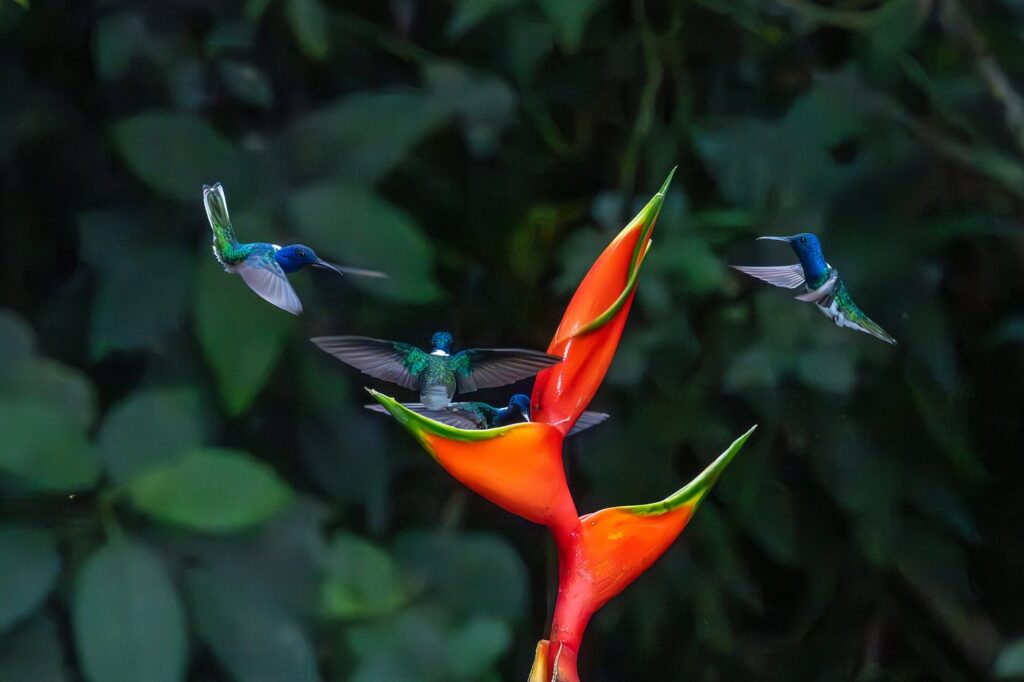
      After breakfast, depart with your guide for Sarapiquí. En route, visit the famous Cinchona Feeders, an exceptional spot for hummingbirds, tanagers, and toucans. The feeders attract many species and are excellent for toucanets and barbets. . Arrive at La Selva Biological Station in the afternoon with time for initial exploration of the grounds.

      Cinchona Feeders – Iconic Bird Watching in Costa Rica’s Highlands

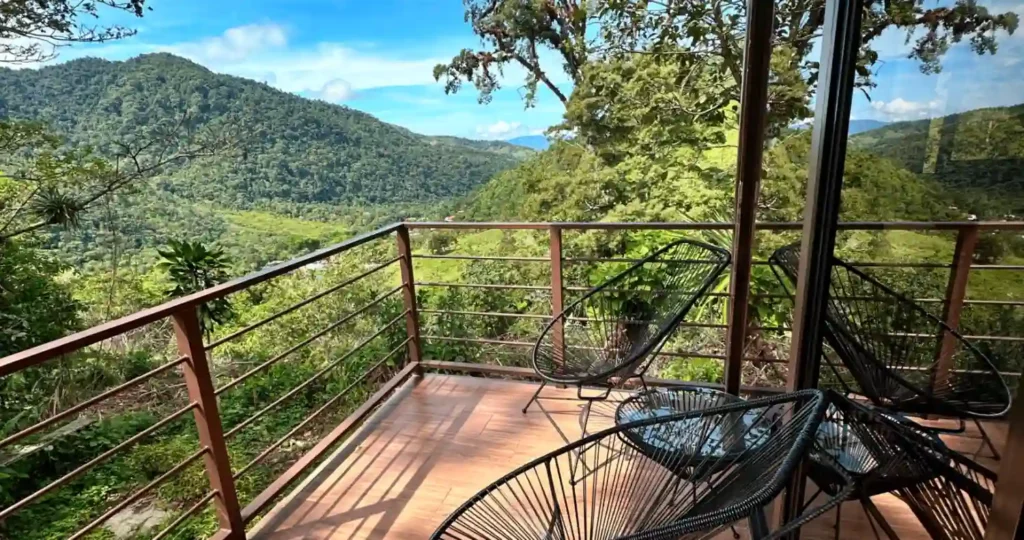
      Perched along the scenic mountain route between Varablanca and Sarapiquí, the Cinchona Feeders, also known as the Mirador San Fernando—offer a rewarding bird watching stop in Costa Rica. This humble, family-run café sits on the edge of a lush valley, with panoramic views of forested slopes and a distant waterfall, creating a spectacular natural backdrop for viewing birds.

      Target Species:
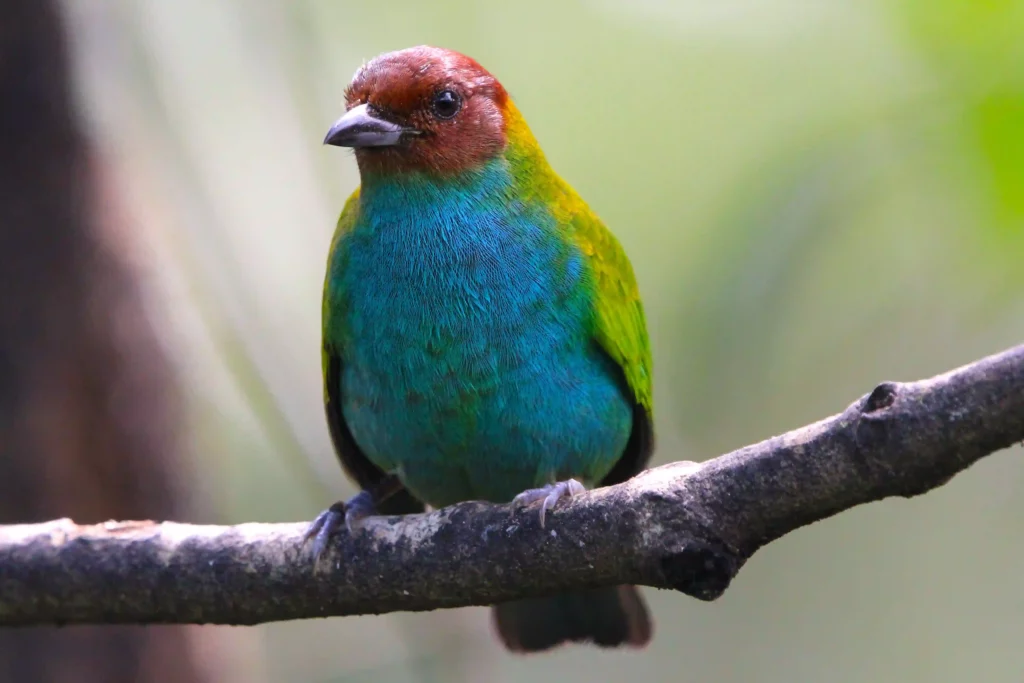
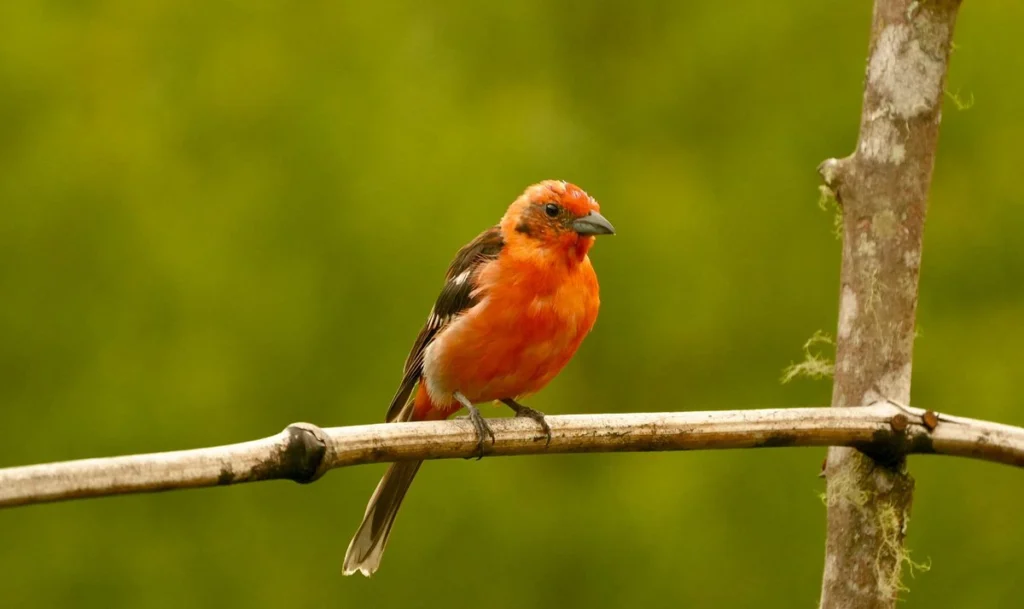
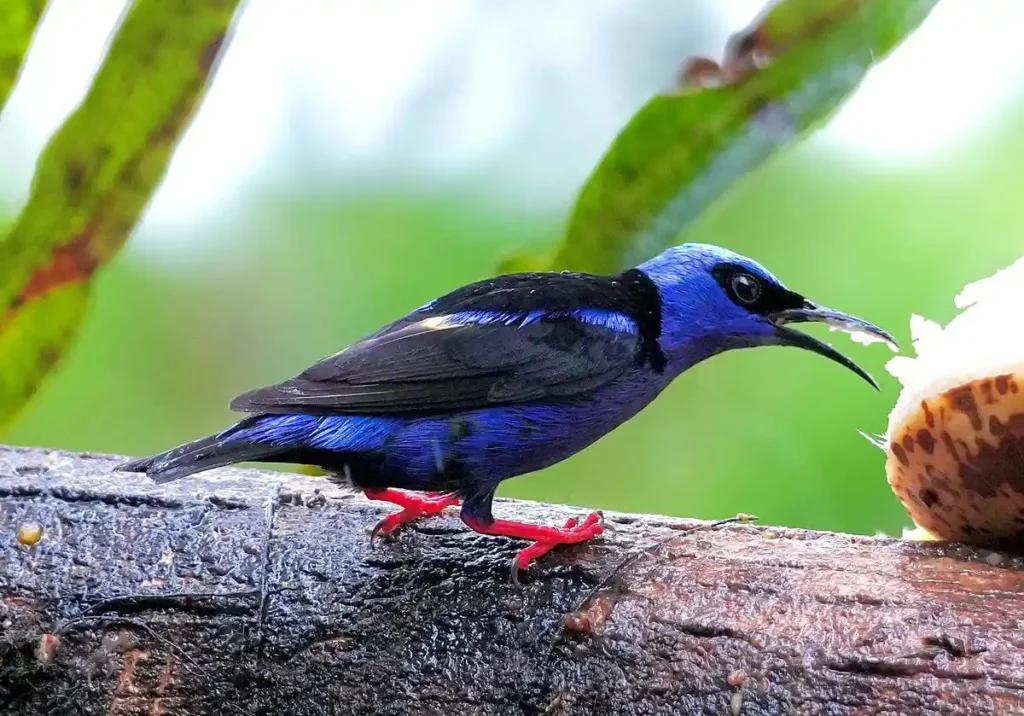
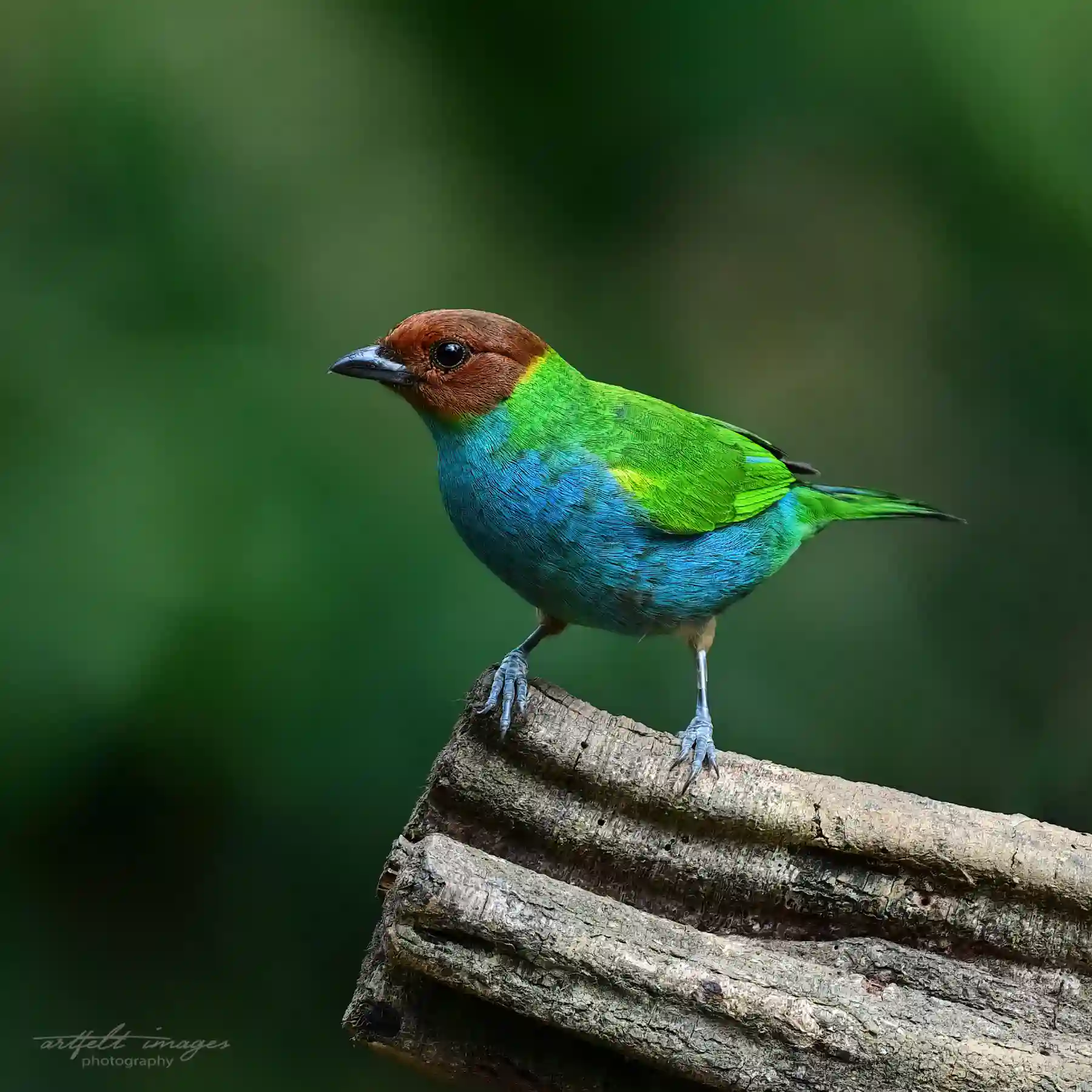
      Emerald Toucanet, Red-Headed Barbet, Prong-billed Barbet, Blue-gray Tanager, Scarlet Rumped Tanager, Rufous Tailed Hummingbird, Coppery-Headed Emerald, Tennessee Warbler, Green Thorntail, Black Vulture, Black-bellied Hummingbird, White-Bellied Mountain Gem, Red-legged Honeycreeper, Turkey Vulture, Brown Violetear, Melodious Blackbird, Summer Tanager, Gray-breasted Wood Wren, Slate-throated Redstart, Rufous-collared Sparrow, Common-Tody Flycatcher, Lesser Violetear, Great Kiskadee, Blackburnian Warbler, Purple-throated Mountain Gem, Cinnamon-bellied Saltator, Chestnut-capped Brushfinch, Black-headed Saltator, Black and White Warbler, White-collared Swift, Bay-headed Tanager, Slaty-backed Nightingale Thrush, Yellow Winged Tanager, Tropical Parula, Tropical Kingbird, Chestnut Sided Warbler, Black Guan, Green Hermit, Bat Falcon and many more.

      Day 3: Birding La Selva Biological Station

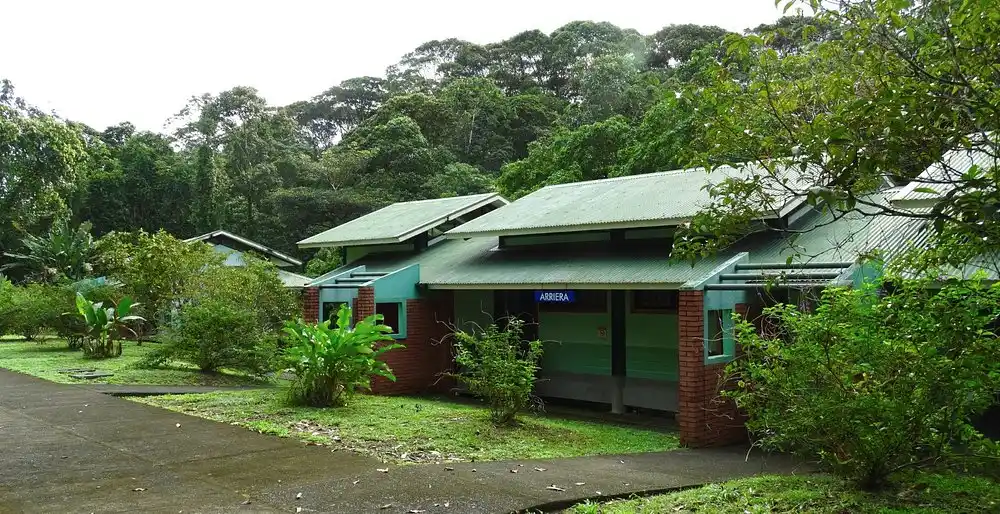
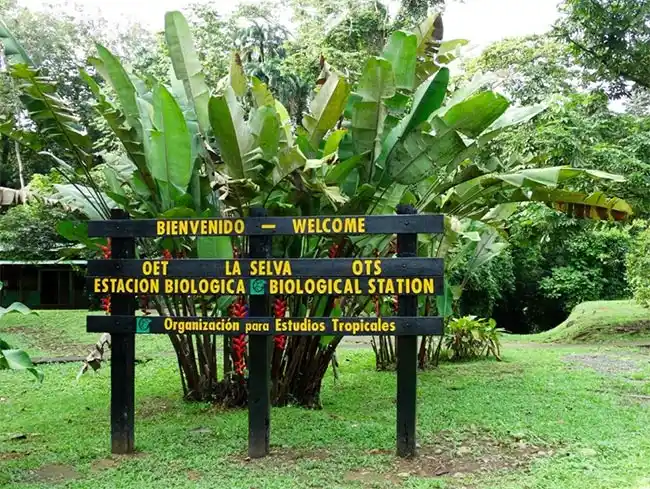
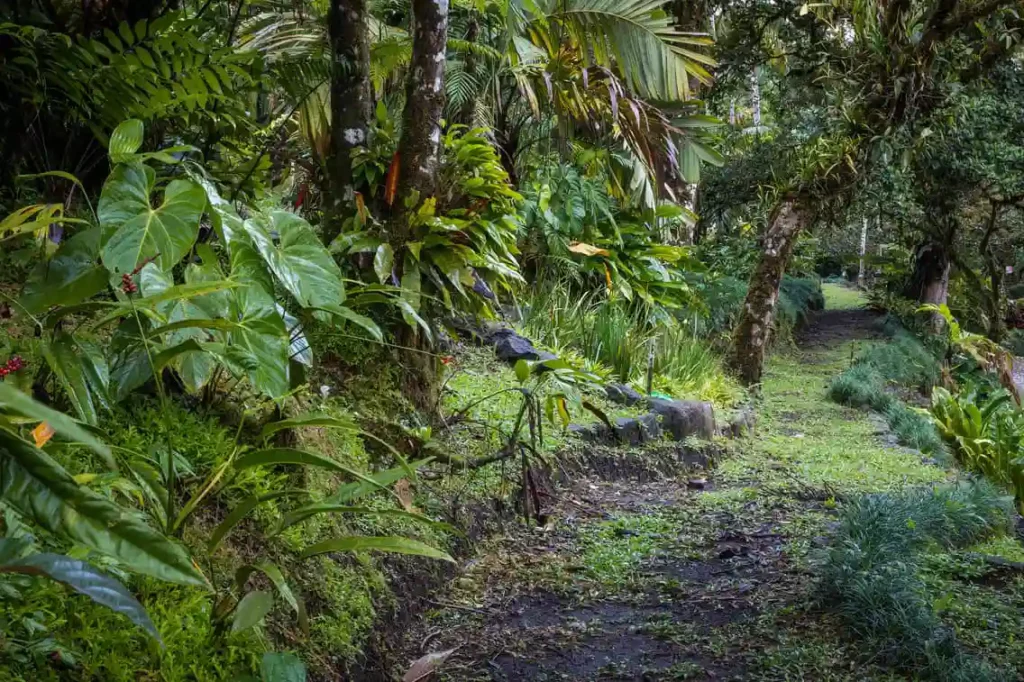
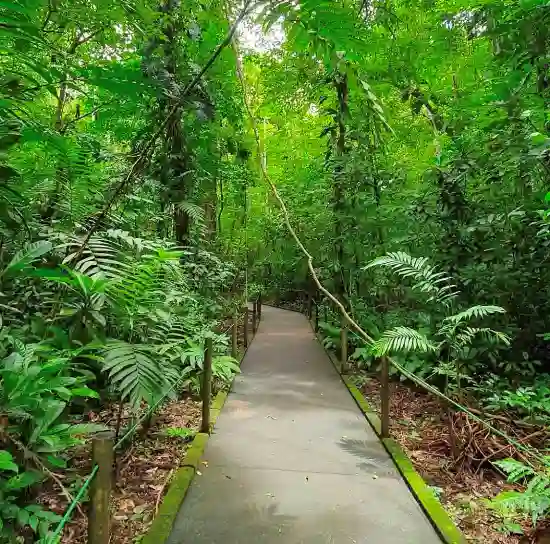
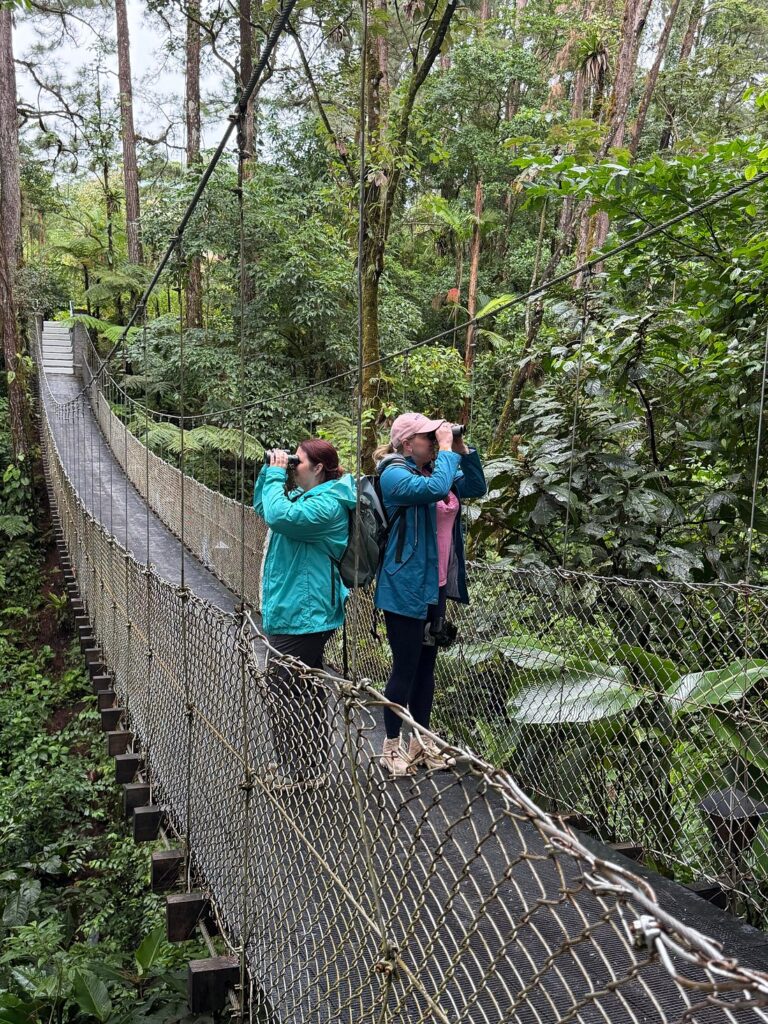
      With your private guide, you’ll explore a network of well-maintained trails—ranging from wide gravel paths to paved and elevated concrete walkways—that provide excellent access to a variety of habitats, including primary and secondary forest, open clearings, and riverside zones. The station’s layout makes it possible to observe an impressive range of species with relative ease. Signature birds of La Selva include Great Green Macaw, Snowy Cotinga, Semiplumbeous Hawk, Broadbill Motmot, Long-Billed Hermit, and dozens of species of trogons, manakins, flycatchers, and antbirds.
      The station’s extraordinary biodiversity showcases over 2,077 plant species, 125 mammal species (including 72 bat species), 470 bird species, 48 amphibian species, 87 reptile species, 45 freshwater fish species, and countless invertebrates. This remarkable concentration of life makes La Selva a premier destination for every bird watcher.

      Target Species:
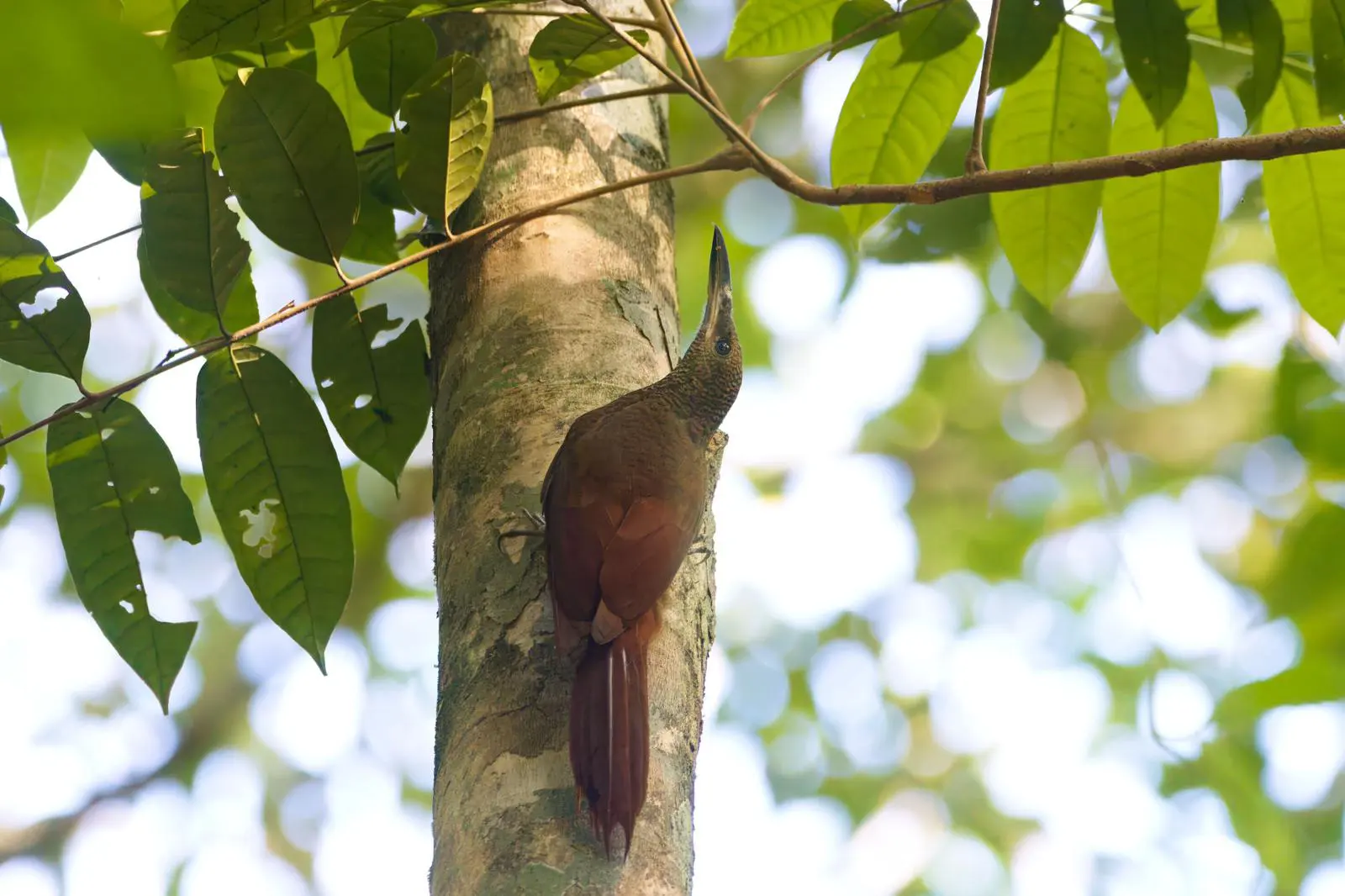
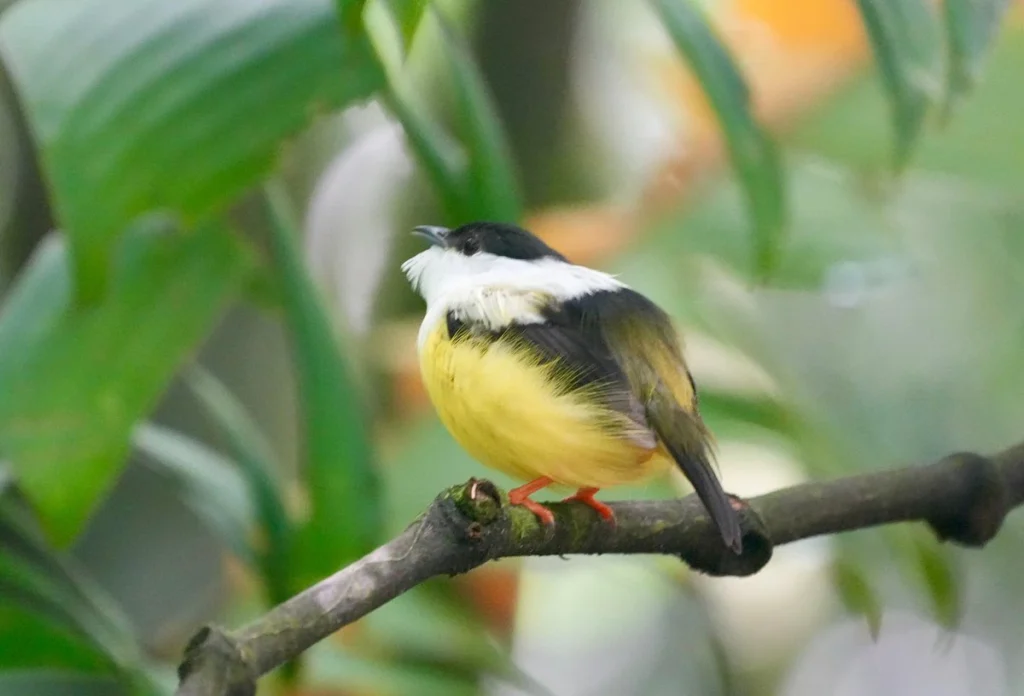
      Scarlet-rumped Tanager, Yellow-throated Toucan, Montezuma Oropendola, Great Kiskadee, Rufous-tailed Hummingbird, Clay-colored Thrush, Olive-backed Euphonia, Collared Aracari, Social Flycatcher, Golden-hooded Tanager, Turkey Vulture, Keel-billed Toucan, Black-cheeked Woodpecker, Chestnut-sided Warbler, Blue-gray Tanager, Short-billed Pigeon, Crested Guan, White-collared Manakin, Tropical Kingbird, Black Vulture, Broad-billed Motmot, Slaty-tailed Trogon, Great Tinamou, Variable Seedeater, Buff-throated Saltator, Rufous Motmot, Gray-capped Flycatcher, Palm Tanager, Red-lored Amazon, Squirrel Cuckoo, White-breasted Wood-Wren, Green Honeycreeper, Cinnamon Becard, Bananaquit, Boat-billed Flycatcher, Common Tody-Flycatcher, Gray-rumped Swift, Masked Tityra, Cocoa Woodcreeper, Bright-rumped Attila, Gartered Trogon, Rufous-tailed Jacamar, Orange-billed Sparrow, Mealy Amazon, Orange-chinned Parakeet, Pale-billed Woodpecker, Buff-rumped Warbler, White-crowned Parrot, Streak-headed Woodcreeper, Black-faced Grosbeak, Lesser Greenlet, Stripe-breasted Wren, Chestnut-colored Woodpecker, Red-throated Ant-Tanager, Bay Wren, Summer Tanager, Long-billed Hermit, Scarlet-rumped Cacique, Wedge-billed Woodcreeper, Northern Black-throated Trogon, Black-cowled Oriole, Great Curassow, Green Ibis, Chestnut-headed Oropendola, Black-crowned Antshrike, Dusky-capped Flycatcher, Yellow-crowned Euphonia, Long-tailed Tyrant, Shining Honeycreeper, Southern House Wren, White-tipped Dove, Baltimore Oriole, Fasciated Antshrike, Stripe-throated Hermit, Northern Barred-Woodcreeper, White-ringed Flycatcher, Rufous-winged Woodpecker, Rufous Mourner, Mistletoe Tyrannulet, White-collared Swift, Blue-chested Hummingbird, Olive-throated Parakeet, Ochre-bellied Flycatcher, Gray-chested Dove, Common Pauraque, Southern Rough-winged Swallow, Snowy Cotinga, Chestnut-backed Antbird, Black-throated Wren, Semiplumbeous Hawk, Blue Dacnis, Ruddy Ground Dove, Wood Thrush, White-browed Gnatcatcher, Crowned Woodnymph, Broad-winged Hawk, Band-backed Wren, Cinnamon Woodpecker, Blue-black Grosbeak, Plain-brown Woodcreeper, Dusky-faced Tanager, Piratic Flycatcher, Brown-hooded Parrot, Plain-colored Tanager, Yellow-olive Flatbill, Slaty-breasted Tinamou, Green Kingfisher, White-whiskered Puffbird, Black-capped Pygmy-Tyrant, Bronze-tailed Plumeleteer, Great Crested Flycatcher, Middle American Screech-Owl, Long-billed Gnatwren, Black-crowned Tityra, Black-headed Tody-Flycatcher, Red-capped Manakin, Laughing Falcon, Purple-throated Fruitcrow, Dusky Antbird, Scarlet-thighed Dacnis, White-necked Jacobin, Golden-winged Warbler, Little Tinamou, Tennessee Warbler, Northern Plain-Xenops, Purple-crowned Fairy, Western Cattle-Egret, Red-legged Honeycreeper, Silver-throated Tanager, White-necked Puffbird, Violet-headed Hummingbird, Swainson’s Thrush, Eastern Wood-Pewee, Great-tailed Grackle, King Vulture, Red-billed Pigeon, Band-tailed Barbthroat, Black-headed Saltator, Northern Waterthrush, Double-toothed Kite, Spotted Sandpiper, Gray-breasted Martin, Gray-headed Chachalaca, Pale-vented Pigeon, Crimson-fronted Parakeet, Eye-ringed Flatbill, Ringed Kingfisher, Gray-headed Kite, Black-striped Sparrow, Mangrove Swallow, Anhinga, Lineated Woodpecker, Scaly-breasted Hummingbird, Northern Tropical Pewee, Groove-billed Ani, Yellow-winged Flatbill, Red-eyed Vireo, Yellow-throated Vireo, Bay-breasted Warbler, Melodious Blackbird, Yellow-bellied Flycatcher, Amazon Kingfisher, Yellow-bellied Elaenia, Crimson-collared Tanager, Osprey, Scaled Pigeon, Pied Puffbird, Bare-throated Tiger-Heron, Russet-naped Wood-Rail, Spotted Antbird, Barn Swallow, White-ruffed Manakin
      Day 4: Sarapiquí to San Gerardo de Dota

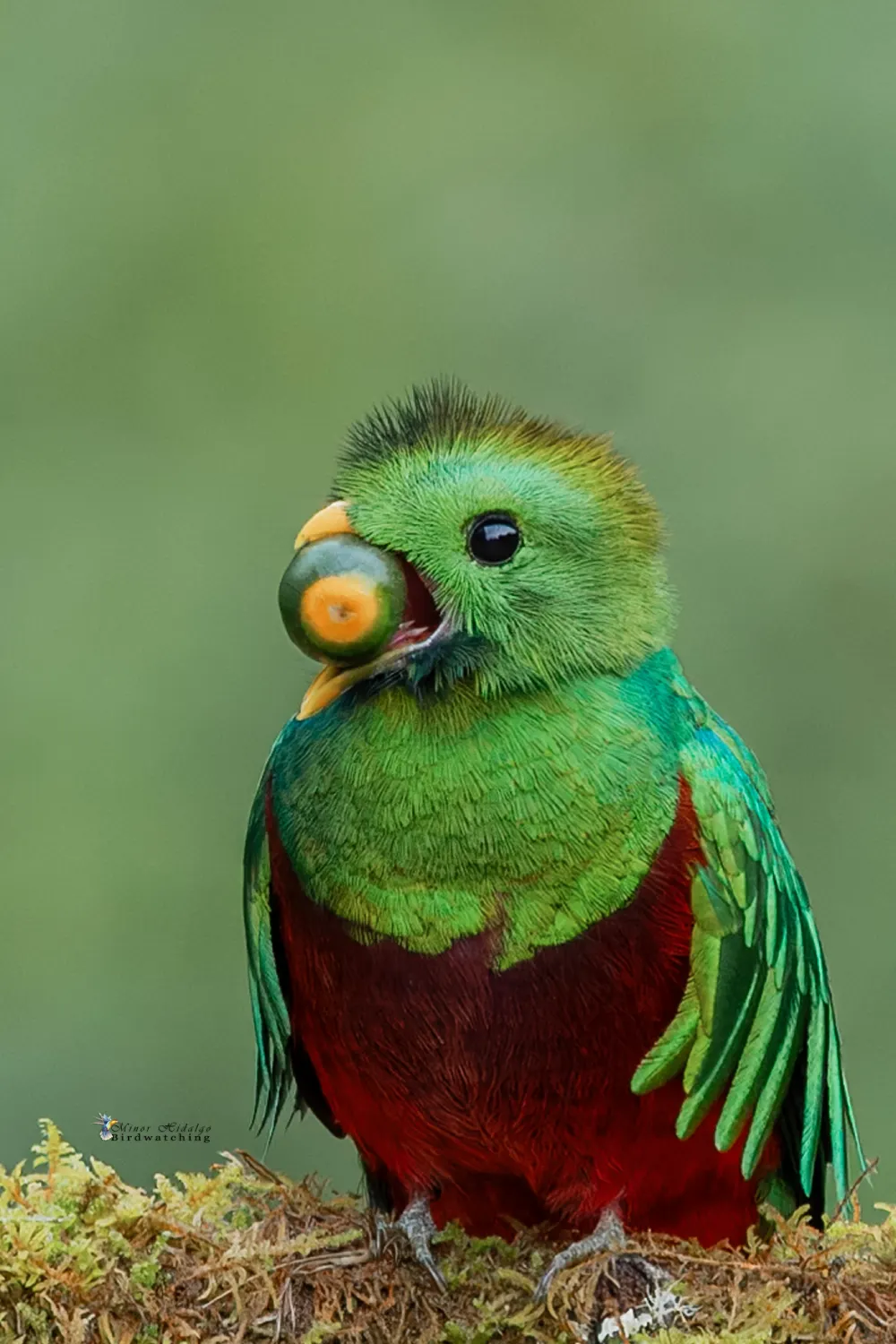
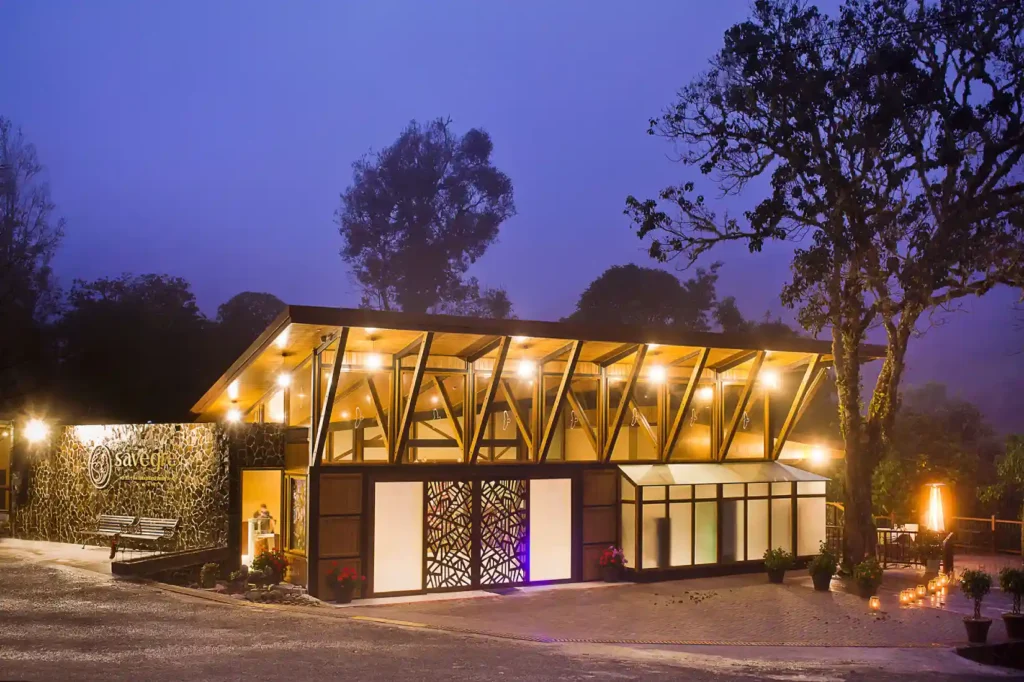
      Morning visit to Cope’s Gardens, a private property with fantastic feeders attracting numerous species. You’ll explore the property looking for owls and other interesting creatures. Mid-morning, begin your journey to San Gerardo de Dota, climbing into the cloud forests of the Talamanca Mountains. Arrive at Savegre Lodge, nestled in a valley renowned for Resplendent Quetzal sightings.
      Donde Cope – A Premier Birding & Photography Experience

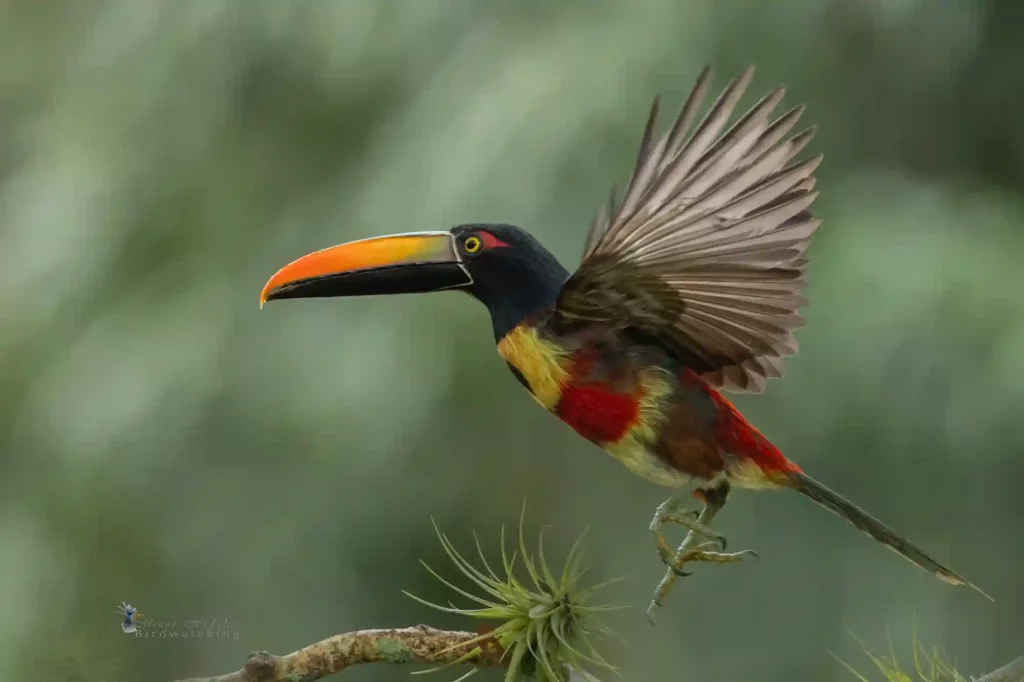
      Tucked away in La Unión de Guápiles, on Costa Rica’s lush Caribbean slope, Donde Cope is a must-visit destination for birders and wildlife photographers. This privately owned property is managed by local naturalist and artist José “Cope” Pérez, who has transformed his land into one of the country’s most beloved small-scale wildlife refuges.

      With its well-maintained gardens, accessible forest trails, and active feeding stations, Donde Cope offers rare opportunities for close-up encounters with a wide range of birds and other wildlife. Guided by Cope himself or one of his trusted local experts, you’ll explore secondary forest and wetland habitat rich in color, movement, and sound.

      Target Species:
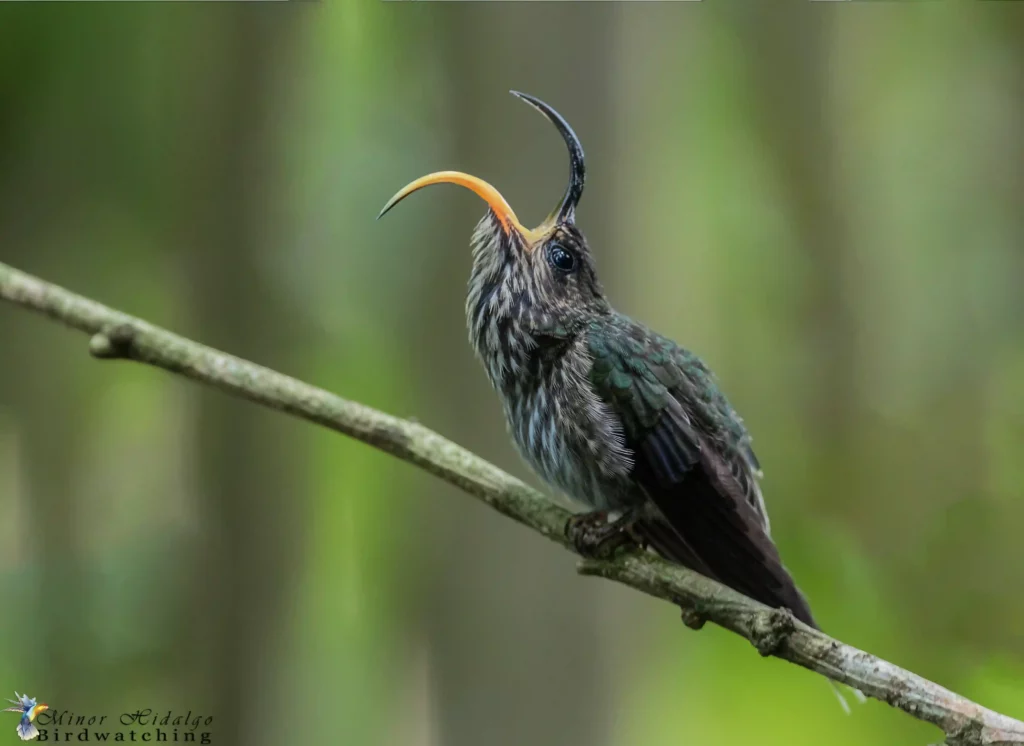
      White-Tipped Sicklebill (one of the most wanted hummingbirds in Costa Rica, White necked Jacobin, Bronze Tailed Plumeleteer, Long Billed Hermit, Scarlet Rumped Tanager, Palm Tanager, Blue-gray Tanager, Clay-Colored Thrush, Pale-vented Pigeon, Rufous Tailed Hummingbird, Red-legged Honeycreeper, Montezuma Oropendola, Great Kiskadee, Russet-Naped Wood Rail, Stripe-Throated Hermit, Green Honeycreeper, Melodious Blackbird, Orange-chinned Parakeet, Red-Winged Blackbird, Collared Aracari, Crowned Woodnymph, Great-Tailed Grackle, Crimson-collared Tanager, Spectacled Owl, Yellow-throated Toucan, Black-cheeked Woodpecker, Green-breasted Mango, Black Vulture, Green Kingfisher, Crested Owl, Turkey Vulture, Olive-backed Euphonia, American Pygmy Kingfisher, White-collared Manakin, Shining Honeycreeper, Bay Wren, Band-tailed Barbthroat,Tropical Kingbird, Buff-throated Saltator, Scaly-breasted Hummingbird, Keel-billed Toucan, Social Flycatcher, Violet headed Hummingbird, Green Heron, Chestnut-sided Warbler, Golden-hooded Tanager, Wood Thrush, Great Potoo, Bananaquit, Variable Seedeater, Ruddy Ground Dove, Common Tody Flycatcher, Scarlet-rumped Cacique, Cocoa Woodcreeper, Blue Chested Hummingbird, and many more.

      Day 5: San Gerardo de Dota

      Morning visit to Batsu Gardens, an exceptional location for hummingbirds and highland species.  Return to Savegre Lodge to explore their private reserve, home to numerous cloud forest species including the Long-tailed Silky-Flycatcher, Flame Throated Warbler and of course the Resplendent Quetzal.

      Batsu Gardens – A Premier Spot for Bird Watching in San Gerardo de Dota

      Batsu Gardens is one of the top spots in Costa Rica for bird watching. Located in the highlands of San Gerardo de Dota at around 2,300 meters elevation, the gardens have been thoughtfully designed to attract a wide variety of bird species. The name Batsú comes from Bri-Bri a language spoken by the indigenous people of the Talamanca mountain range. Batsú means small bird, and is used especially for hummingbirds. With flowering plants, fruit feeders, and natural perches all set against the stunning backdrop of the Talamanca Mountains, this is a place where both beginner or experienced birders will feel right at home.

      Target List:
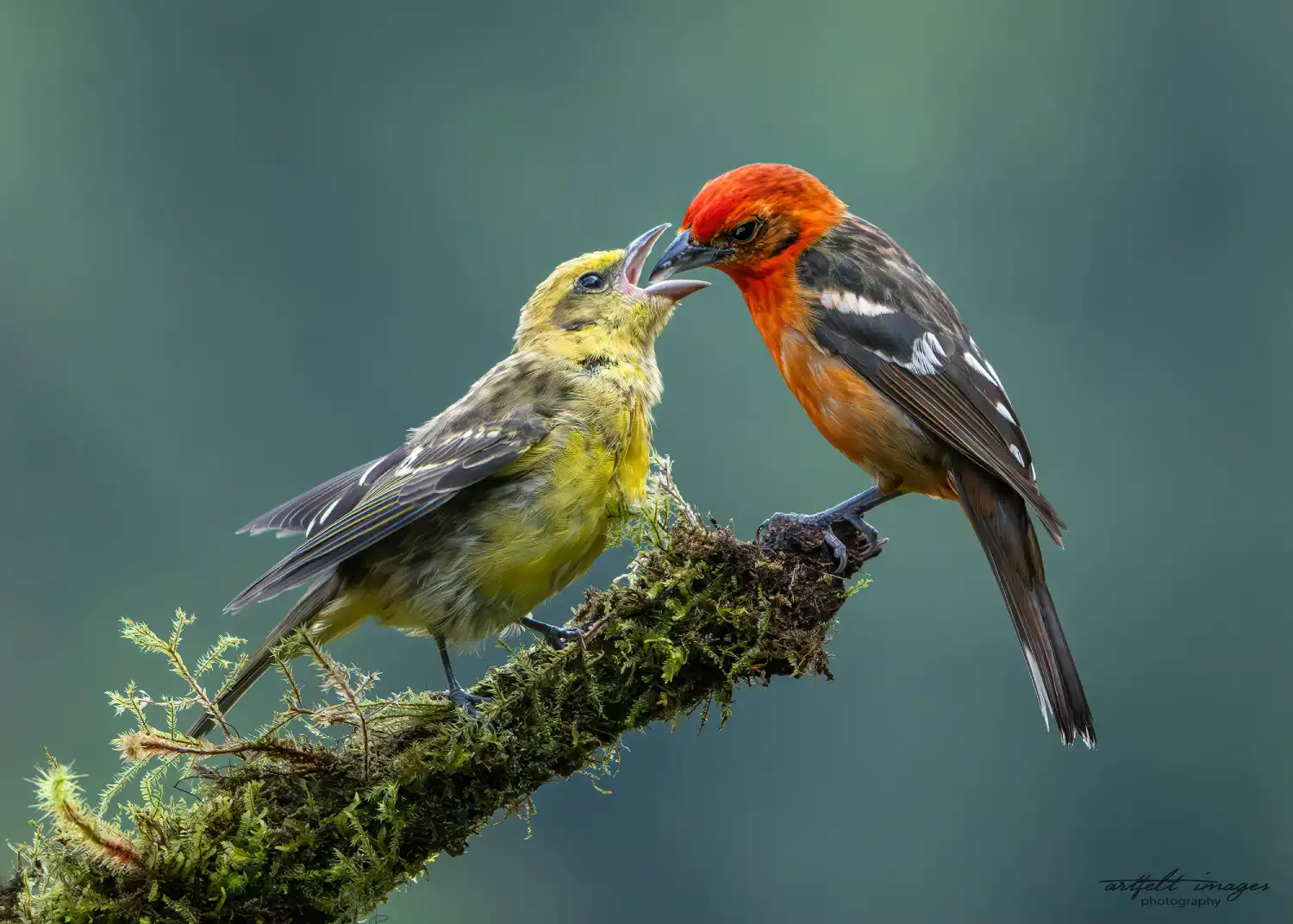
      Lesser Violetear, Green-crowned Brilliant, Talamanca Hummingbird, Fiery-throated Hummingbird, White-throated Mountain-gem, Volcano Hummingbird, Scintillant Hummingbird, Stripe-tailed Hummingbird, Resplendent Quetzal, Acorn Woodpecker, Mountain Elaenia, Mountain Thrush, Clay-colored Thrush, Sooty Thrush, Long-tailed Silky-flycatcher, Golden-browed Chlorophonia, Sooty-capped Chlorospingus, Chestnut-capped Brushfinch, Rufous-collared Sparrow, Large-footed Finch, Yellow-thighed Brushfinch, Bronzed Cowbird, Flame-colored Tanager, Blue-gray Tanager, Silver-throated Tanager, Slaty Flowerpiercer, Buff-fronted Quail-Dove, Great Kiskadee, Boat-billed Flycatcher, Black-billed Nightingale-Thrush, Ruddy-capped Nightingale-Thrush, White-naped Brushfinch, White-collared Swift, Turkey Vulture, Red-tailed Hawk, Sulphur-winged Parakeet, Blue-and-white Swallow, Gray-breasted Wood-Wren, Yellow-bellied Siskin, Spotted Wood-Quai

      Birding in the Talamanca Highlands: Savegre Reserve

      Nestled in the heart of the Talamanca Highlands, the Savegre Reserve is a private sanctuary owned by Savegre Lodge, offering guests direct access to one of Costa Rica’s most spectacular birding destinations. The surrounding cloud forest—dominated by towering Quercus costaricensis (white oaks)—is drenched in mist, mosses, and golden epiphytes, creating a dreamlike setting for birdwatching, photography, and quiet nature walks. This region supports a high concentration of Costa Rica-Panama highland endemics, and some of the country’s most sought-after species can be found just steps from your room.
      Along with your private guide you’ll explore the gardens, riverside paths, and reserve trails at your own pace, starting with morning birding around the lodge and continuing into the serene white oak forest.

      Target species:
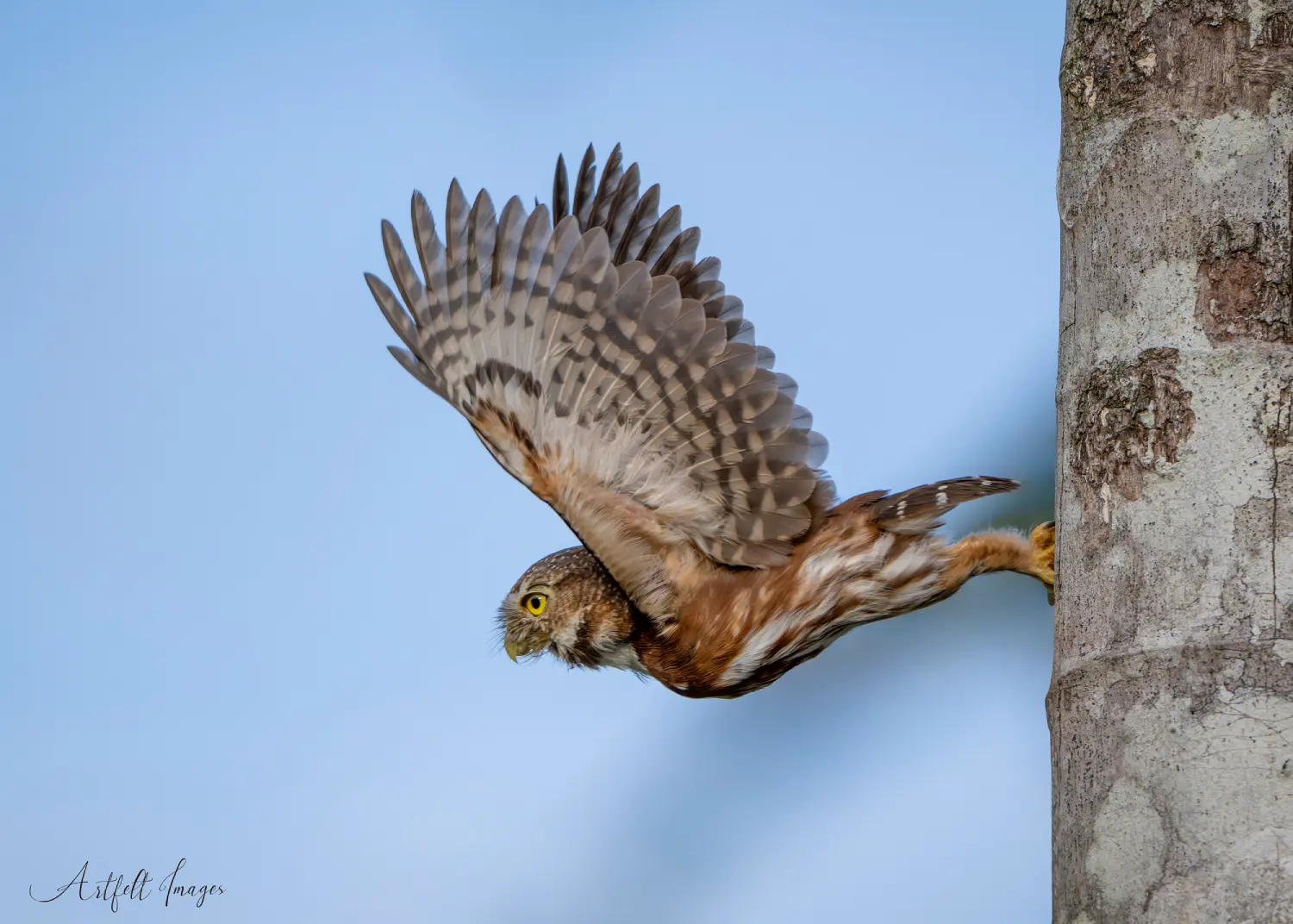
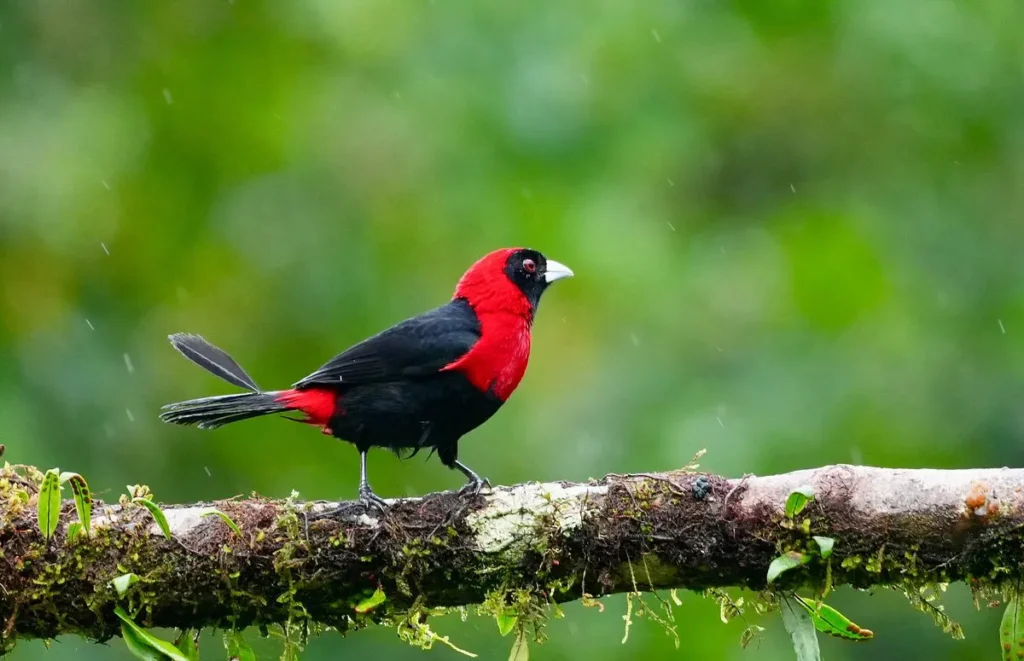
      Yellow-thighed Finch, Collared Redstart, Yellow-winged Vireo, Sooty-capped Bush-Tanager, Silver-throated Tanager, Flame-colored Tanager and Slaty Flower piercer, Acorn Woodpeckers, Green Violetear, Magnificent Hummingbird, White-throated Mountain-gem, Scintillant Hummingbird, Volcano Hummingbird, Stripe-tailed Hummingbird, Sulfur-winged Parakeets, Red-tailed Hawk, Swallow-tailed Kites, American Dippers, Torrent Tyrannulet, Louisiana Waterthrush, Costa Rican Pygmy-Owl, ,Silvery-throated Jay, Spotted Wood Quail, Resplendent Quetzal, Collared Trogon, Collared Redstart, Slate-throated Redstart, Spangle-cheeked Tanager, White-winged Tanager, Golden-browed Chlorophonia, Northern Emerald-Toucanet, Silver-throated Jay and occasionally Azure-hooded Jay, Buffy-crowned Wood-Partridge, Spotted Wood-Quails, Black Guan, Flame-throated Warbler, Silvery-fronted Tapaculo, Black-cheeked Warbler, Torrent Tyrannulet, Tropical Parula, Common Chlorospingus, Costa Rican Warbler, Slaty-capped Flycatcher, Golden-bellied Flycatcher, White-naped Brush finch, Zeledon’s Antbird, Scaled Antpitta, Scale-crested Pygmy-Tyrant, Highland Tinamou, Green-fronted Lancebill and many more.

      Day 6: San Gerardo de Dota to San Vito

      Early departure for San Vito.  Begin with high-elevation birding in the Paramo ecosystem, seeking specialties like the Volcano Junco and Timberline Wren. Continue south, stopping at PINDECO Pineapple Plantation where the edge habitats and fields attract raptors and open-country birds. With luck you’ll find the elusive Rosy-Thrush Tanager. Late afternoon arrival at Las Cruces Biological Station.

      Paramo Bird Watching

      The páramo of Cerro de la Muerte represents the northernmost páramo ecosystem in the world, offering birders a rare opportunity to explore this unique high-altitude habitat within Costa Rica. Found above 3,000 meters (9,840 feet) and rising to 3,491 meters (11,453 feet), the páramo is a windswept landscape dominated by dwarf bamboo, grasses, and colorful alpine wildflowers such as Indian Paintbrushes, Asters, and Lupines. There are only two places in Costa Rica where birders can reliably search for páramo-specialist species, and Cerro de la Muerte is by far the most accessible and rewarding. This stark yet beautiful landscape is home to a suite of range-restricted birds adapted to the cool, oxygen-thin environment—species that can’t be found in any other habitat in the country. Enjoy exploring this unique habitat with your private guide.

      Target Species:
      Volcano Junco, Volcano Hummingbird, Fiery-throated Hummingbird, Timberline Wren, Sooty-capped Chlorospingus, Peg-billed Finch, Black-billed Nightingale-Thrush, Black-capped Flycatcher, Barred Becard, Large-Footed Finch, Sooty Thrush, Maroon-chested Ground-Dove, Slaty Finch, Band-Tailed Pigeon, Talamanca Hummingbird, Ruddy Treeruner, Yellow-winged Vireo, Mountain Thrush, Black and Yellow Silky Flycatcher, Long Tailed Silky Flycatcher, Sooty-capped Chlorospingus, Yellow Thighed Brushfinch, Flame Throated Warbler, Collared Redstart, Volcano Junco and more.

      PINDECO Birding Site – Southern Pacific Region

      Tucked within the sprawling PINDECO pineapple plantation, owned by Del Monte in Costa Rica’s southern zone, are fragmented pockets of secondary forest that offer surprisingly exceptional birding. While this may not look like a typical birding hotspot, these remnant patches of vegetation have become a magnet for serious birders and photographers chasing some of the country’s most elusive species.

      Target List:
      Tropical Kingbird, Great-tailed Grackle, Great Kiskadee, Blue-gray Tanager, Black Vulture, Scarlet-rumped Tanager, Clay-colored Thrush, Turkey Vulture, Variable Seedeater, Pale-vented Pigeon, Social Flycatcher, Southern House Wren, Yellow-bellied Elaenia, Orange-chinned Parakeet, Red-crowned Woodpecker, Ruddy Ground Dove, Isthmian Wren, Tropical Mockingbird, Rufous-tailed Hummingbird, Roadside Hawk, Piratic Flycatcher, Yellow Warbler, Common Tody-Flycatcher, Lesser Elaenia, Yellow-headed Caracara, Palm Tanager, Pale-breasted Spinetail, Tennessee Warbler, Gray-breasted Martin, Smooth-billed Ani, White-crowned Parrot, Blue-black Grassquit, Golden-hooded Tanager, Yellow-bellied Seedeater, White-tipped Dove, Barn Swallow, Red-legged Honeycreeper, Boat-billed Flycatcher, Rufous-breasted Wren, Ruddy-breasted Seedeater, Gray-headed Chachalaca, Crimson-fronted Parakeet, Fork-tailed Flycatcher, Lineated Woodpecker, Yellow-crowned Euphonia, Masked Tityra, Bran-colored Flycatcher, White-browed Gnatcatcher, Riverside Wren, Bronzed Cowbird, Green Honeycreeper, Bananaquit, Yellow-faced Grassquit, Northern Rough-winged Swallow, Buff-throated Saltator, Snowy-bellied Hummingbird, Northern Jacana, Green Heron, Great Egret, Gartered Trogon, Barred Antshrike, and many more.

      Day 7: Birdwatching at Las Cruces Biological Station & Wilson Botanical Garden

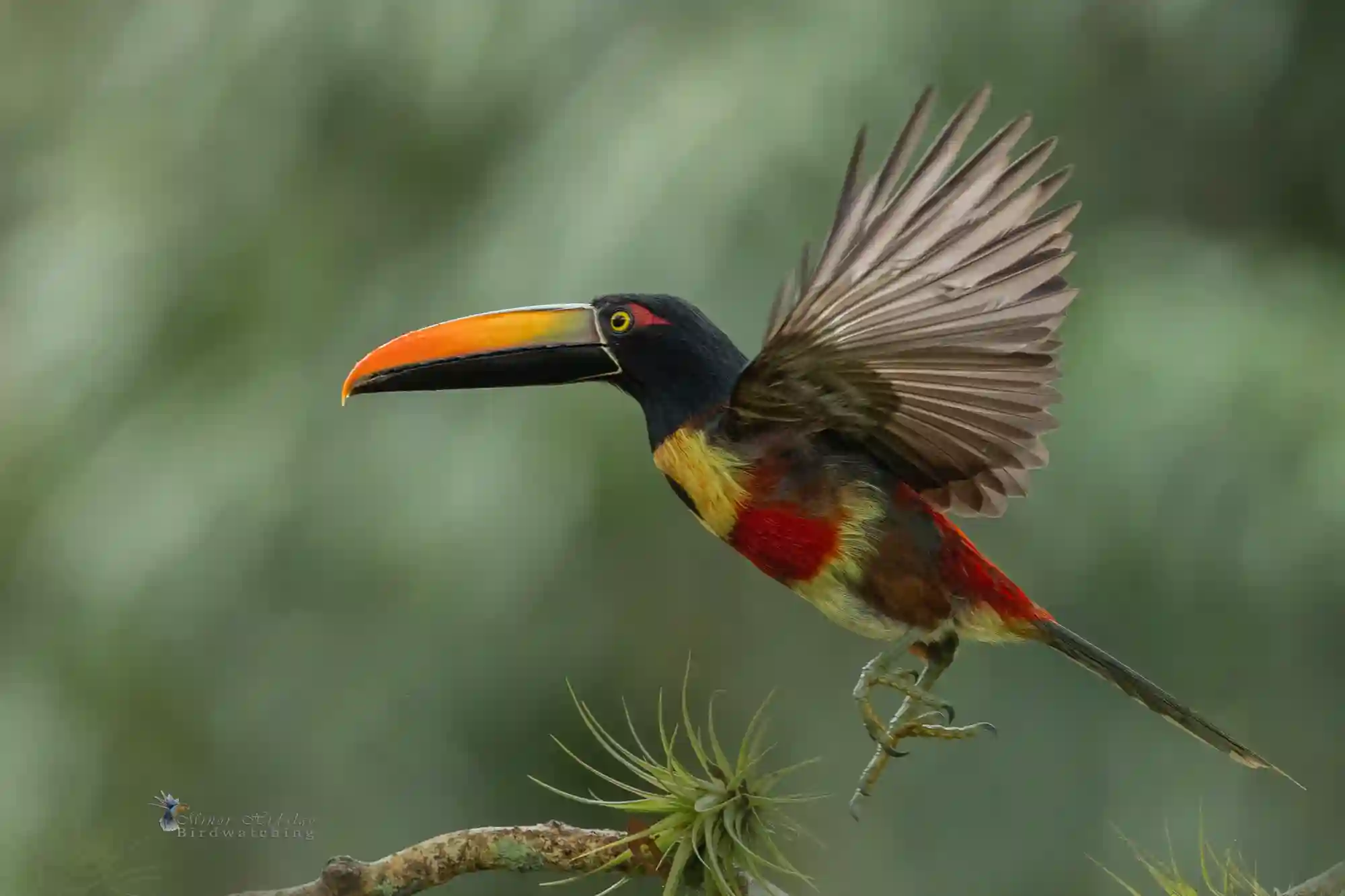
      Full day exploring Las Cruces and the adjacent Wilson Botanical Gardens. This mid-elevation site features incredible bird diversity including Turquoise Cotinga, Fiery-billed Aracari, and Orange-collared Manakin. The botanical gardens host numerous hummingbird species, colorful tanagers and much more.

      Las Cruces Biological Station

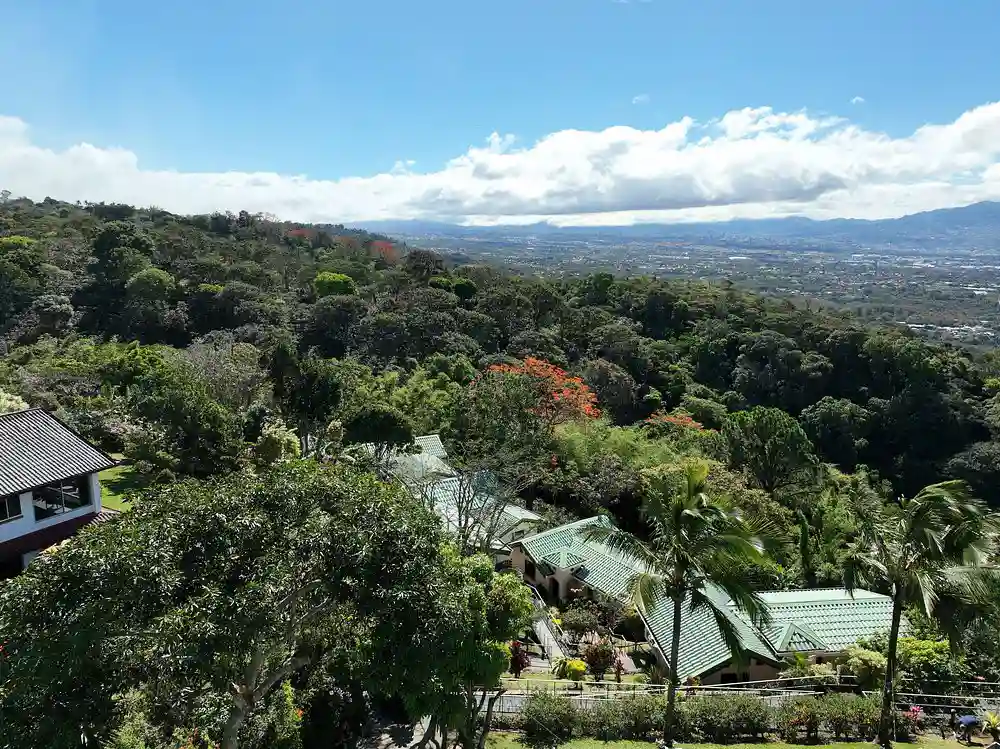
      Located in the scenic Coto Brus Valley near San Vito in southern Costa Rica, Las Cruces Biological Station is one of the country’s most compelling destinations for birdwatchers. Operated by the Organization for Tropical Studies (OTS), the station is best known as the home of the renowned Wilson Botanical Garden, which features one of the most diverse and scientifically significant plant collections in Central America.

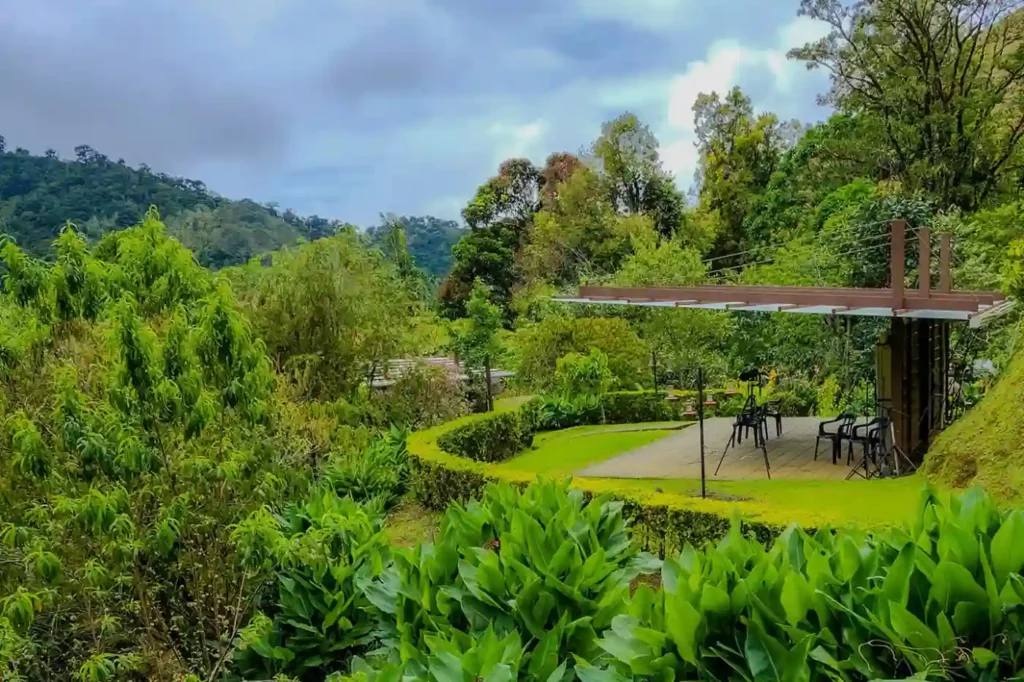
      Set at an elevation of approximately 1,200 meters (3,900 feet), Las Cruces sits at the interface of montane and lowland forest zones, creating a unique blend of habitats that supports a rich diversity of bird species. The station’s network of well-maintained trails weaves through secondary forest, regenerating areas, open gardens, and forest edges ideal for spotting everything from fiery-billed aracaris, rufous-breasted wrens, and white-crested coquettes to mixed-species flocks of tanagers and flycatchers. Early mornings are particularly active, with birds foraging at eye level, while the botanical gardens come alive throughout the day as hummingbirds, euphonias, and flowerpiercers are drawn to the abundant blooms.

      Wilson Botanical Garden

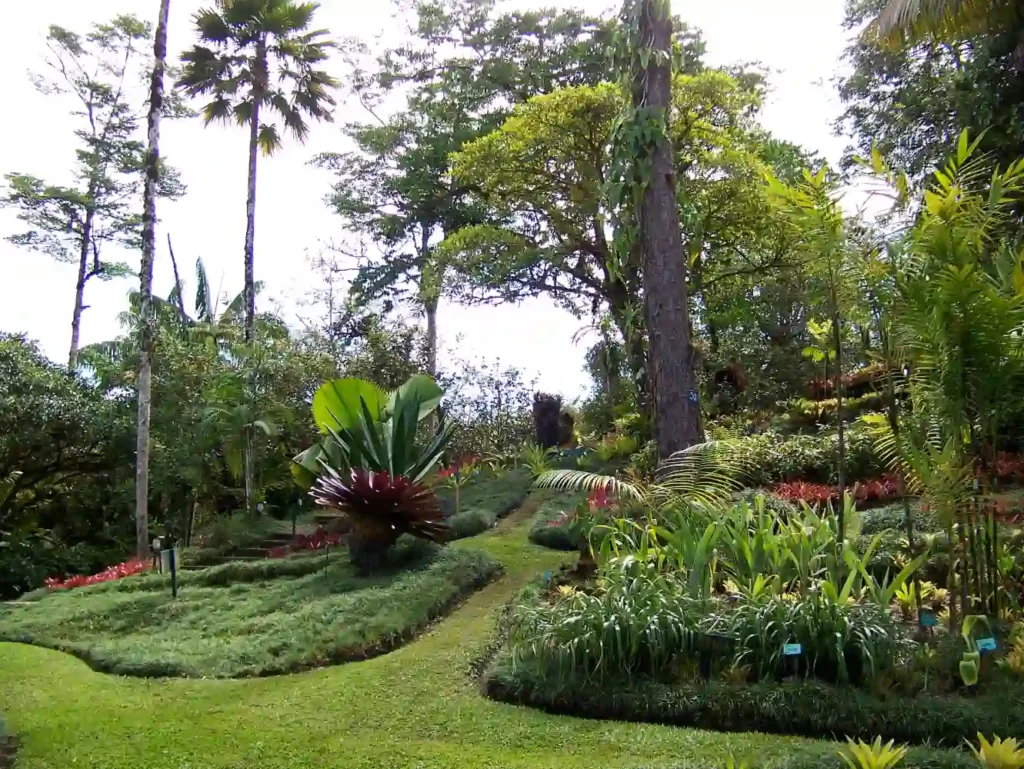
      The Wilson Botanical Garden enhances the birding experience with its living collection of over 2,000 plant species, including one of the world’s most extensive displays of palms, heliconias, and bromeliads. These carefully cultivated landscapes not only offer stunning visual interest but also provide critical food and shelter for a wide range of birds. As visitors move between towering tropical specimens and shaded understory paths, they may encounter everything from orange-collared manakins performing display flights to green hermits zipping between heliconias. The garden’s design encourages up-close encounters, making it an exceptional location for both bird photography and plant appreciation too.
      The combination of diverse birdlife, fascinating flora, and the tranquil setting of Las Cruces makes for an unforgettable experience in Costa Rica’s southern highlands.

      Target Species:
      Silver-throated Tanager, Lesson’s Motmot, Yellow-throated Toucan, Golden-hooded Tanager, Black Vulture, Bay-headed Tanager, Crimson-fronted Parakeet, Buff-throated Saltator, Clay-colored Thrush, Green Honeycreeper, Crested Guan, Spot-crowned Euphonia, Mistletoe Tyrannulet, Rufous-tailed Hummingbird, Chestnut-sided Warbler, Scale-crested Pygmy-Tyrant, Rufous-breasted Wren, Scarlet-rumped Tanager, White-throated Thrush, Speckled Tanager, Bananaquit, Turkey Vulture, Green Hermit, Lesser Greenlet, Plain Antvireo, Black-faced Antthrush, Orange-billed Sparrow, White-ruffed Manakin, White-crowned Parrot, Short-billed Pigeon, Squirrel Cuckoo, Stripe-throated Hermit, White-breasted Wood-Wren, Chiriqui Foliage-gleaner, Dusky-capped Flycatcher, Great Tinamou, Buff-rumped Warbler, Yellow-olive Flatbill, Olivaceous Woodcreeper, Gray-headed Chachalaca, Charming Hummingbird, Spotted Woodcreeper, Scarlet-thighed Dacnis, Black-hooded Antshrike, Swallow-tailed Kite, Fiery-billed Aracari, Blue-gray Tanager, Gray-chested Dove, Streak-headed Woodcreeper, Tropical Parula, Yellow-bellied Flycatcher, Bright-rumped Attila, Roadside Hawk, Red-crowned Ant-Tanager, Common Tody-Flycatcher, Brown-hooded Parrot, Long-billed Gnatwren, White-browed Gnatcatcher, Orange-billed Nightingale-Thrush, Rufous Piha, Social Flycatcher, Slaty-capped Flycatcher, White-tipped Dove, Riverside Wren, Crowned Woodnymph, Gray-cowled Wood-Rail, Scaly-breasted Wren, Northern Schiffornis, Velvety Manakin, Olivaceous Piculet, Yellow-headed Caracara, Marbled Wood-Quail, Golden-olive Woodpecker, Gartered Trogon, Northern Plain-Xenops, Tropical Kingbird, Tawny-crowned Greenlet, Brown-billed Scythebill, Golden-crowned Warbler, Barred Forest-Falcon, Slaty Antwren, Smoky-brown Woodpecker, Russet Antshrike, Slate-throated Redstart, Green Shrike-Vireo, Thick-billed Euphonia, Laughing Falcon, Gray-capped Flycatcher, Black-and-white Warbler, Common Chlorospingus, Scaled Pigeon, Boat-billed Flycatcher, Dot-winged Antwren, Summer Tanager, and many more.

      Day 8: San Vito to San Isidro del General

      Morning departure to San Isidro del General. After checking in at Hotel El Pelícano de Montaña, you’ll spend the afternoon birding with your private guide, getting acquainted with the local species and the unique highland habitats surrounding the lodge. The gardens and nearby trails are a great introduction to the region’s birds, offering chances to see colorful tanagers, flycatchers, and hummingbirds right on the property. Your guide will help you get oriented with the area’s key bird families, begin building your trip list, and set the tone for the days ahead. It’s a rewarding start to your time in the southern highlands.

      Target Species:
      Scarlet-rumped Tanager, Golden-hooded Tanager, Great Kiskadee, Blue-gray Tanager, Clay-colored Thrush, Palm Tanager, Tropical Kingbird, Bananaquit, Silver-throated Tanager, Rufous-tailed Hummingbird, Social Flycatcher, Brown Jay, Turkey Vulture, Black Vulture, Red-crowned Woodpecker, Rufous-collared Sparrow, Lesson’s Motmot, Buff-throated Saltator, Yellow-faced Grassquit, Tropical Mockingbird, Tennessee Warbler, Baltimore Oriole, Blue-and-white Swallow, Southern House Wren, Speckled Tanager, Melodious Blackbird, Summer Tanager, Green Honeycreeper, Violet Sabrewing, Yellow-crowned Euphonia, Gray-headed Chachalaca, Red-legged Honeycreeper, Rufous-breasted Wren, Bay-headed Tanager, White-crowned Parrot, Snowy-bellied Hummingbird, Ruddy Ground Dove, Common Tody-Flycatcher, Boat-billed Flycatcher, Isthmian Wren, Mistletoe Tyrannulet, Red-faced Spinetail, Scarlet-thighed Dacnis, Orange-billed Nightingale-Thrush, Green Hermit, Northern Emerald-Toucanet, Sulphur-winged Parakeet, Gray-capped Flycatcher, White-collared Swift, Western Cattle-Egret, Spot-crowned Euphonia,

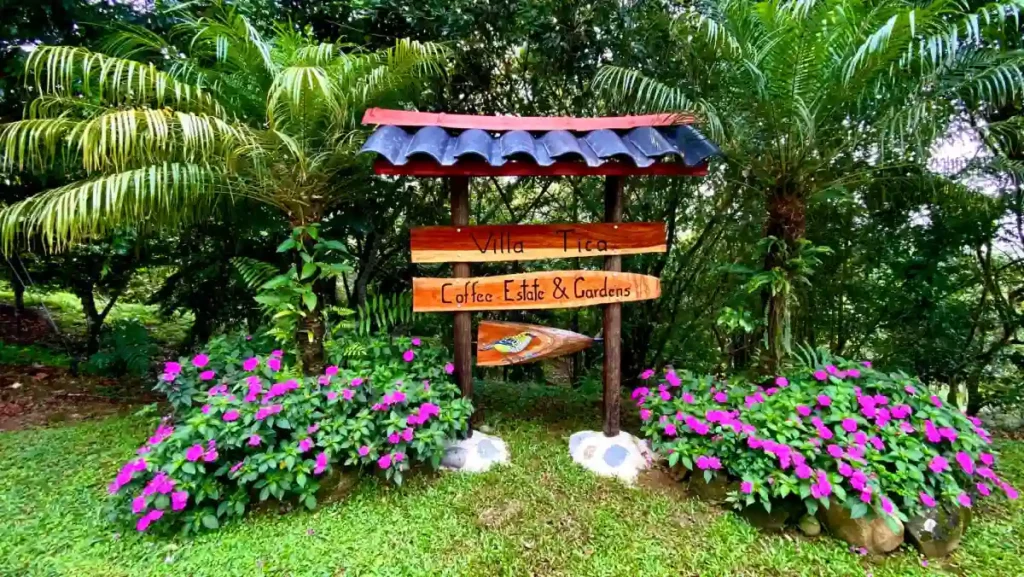
      Day 9: San Isidro del General Area - Birdwatching at Villa Tica

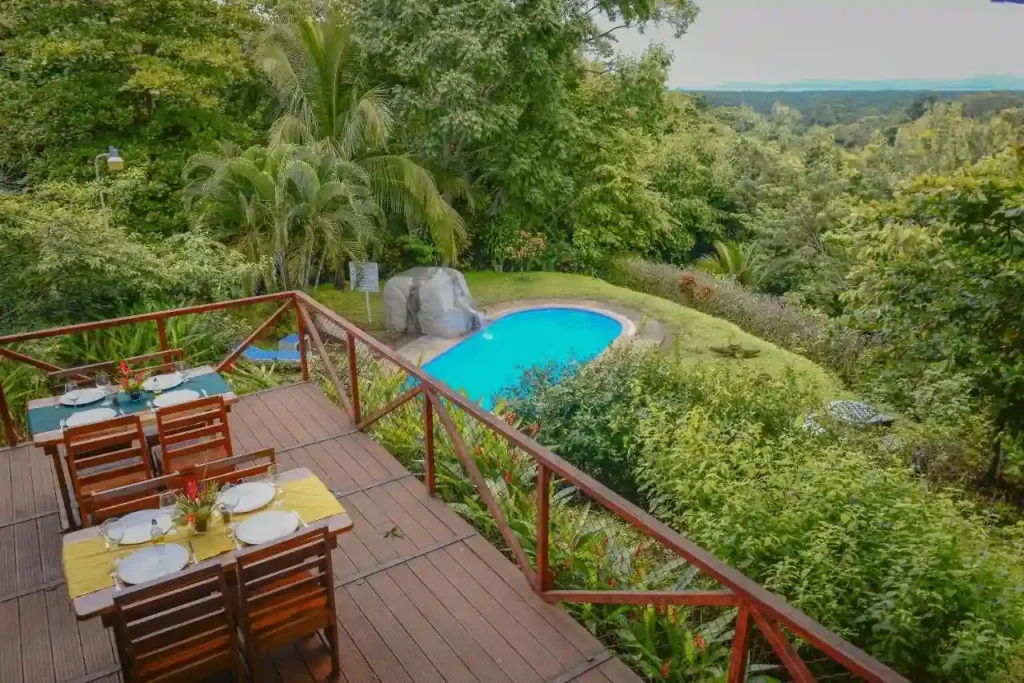
      Today you’ll enjoy a day of birding with your private guide based at Villa Tica, a tranquil lodge set amid a richly biodiverse landscape. The gardens and nearby habitats offer an excellent mix of forest edge, secondary growth, and open areas that attract a wide variety of bird species throughout the day. Your guide will tailor the day’s itinerary to match your interests and skill level, helping you target regional specialties while making the most of seasonal movements and current sightings.
      Morning birding may begin right on the grounds, where hummingbirds, tanagers, flycatchers, and woodpeckers are often active. From there, you’ll explore surrounding trails or nearby birding hotspots, chosen by your guide for their reliability and birding potential. With personalized pacing and expert support, today offers the ideal balance of productivity and immersion in one of Costa Rica’s vibrant birding zones.

      Target List:
      Rosy Thrush Tanager, Green Shrike Vireo, Ocellated Crake, Streak Chested Antpitta, Turquoise Cotinga, Red-Capped Manakin, White Tailed Emerald, Garden Emerald, Grey Headed Chachalaca, Squirrel Cuckoo, Roadside Hawk, Broad-Winged Hawk, Yellow Throated Toucan, Crested Caracara, White Crowned Parrot, Tropical Kingbird, Kiskadee, Social Flycatcher, Riverside Wren, Brown Jay, Palm Tanager, Blue-grey Tanager, Green Honeycreeper, Variable Seedeater, Bananaquit, Yellow Faced Grassquit, Sreaked Saltato, Red-legged Honeycreeper, Roufus Tailed Hummingbird, Golden-Hooded Tanager, Great Kiskadee, Lesson’s Motmot, Buff-Throated Saltator, Black Vulture, Palm Tanager, Chestnut sided Warbler, Tropical Kingbird, Turkey Vulture, White Tipped Dove, Bananaquit, Speckled Tanager, Yellow-headed Caracara, Rose-breasted Grosbeak, Fiery-billed Aracari, Streaked Flycatcher, Boat Billed Flycatcher, Brown Jay, Riverside Wren, Olivaceous Piculet, Masked Tityra, Gray-cowled Wood Rail, Black Phoebe, Streaked Saltator, Crested Caracara, Snowy-bellied Hummingbird, Blue Dacnis, Tropical Screech-owl and many more.

      Day 10: San Isidro to Central Pacific and Birdwatching Los Cusingos

      Begin with early morning birding at Los Cusingos, the former home of renowned naturalist Alexander Skutch. In 1941, Dr. Skutch, a botanist and naturalist, purchased the land that is now the Los Cusingos Bird Sanctuary.This preserved property hosts many southern specialties and provides opportunities to see the Golden Hooded Tanagers, Orange Collared Manakins, and so many more.  Mid-morning, depart for the Central Pacific region, with a dramatic change in ecosystems as you descend toward the coast.

      Los Cusingos

      Today, visitors to Los Cusingos can explore approximately 1.2 miles of peaceful forest trails, which pass through tropical vegetation and lead to pre-Columbian petroglyphs, echoing the cultural richness of the region. The sanctuary spans a wide altitudinal range from 800 to 3,820 meters above sea level, supporting impressive biological diversity within a relatively compact area. In addition to birding, guests can enjoy walking through the very grounds where Dr. Skutch once lived and worked. His humble home is preserved on-site, and the property also includes basic lodging facilities with bathrooms, showers, and a communal kitchen.

      A visit to Los Cusingos is not only a rewarding birding experience but also a chance to honor one of conservation’s great visionaries,walking the same trails he once explored, and experiencing the forest through the lens of his legacy.

      Target Species:
      Rufous-tailed Hummingbird, Golden-hooded Tanager, Black Vulture, Turkey Vulture, Scarlet-Rumped Tanager, Green Honeycreeper, Chestnut-sided Warbler, Orange-collared Manakin, Buff-throated Saltator, Bay-headed Tanager, Velvety Manakin, Red-capped Manakin, Black-Hooded Antthrush, Clay Colored Thrush, Spot-Crowned Euphonia, Blue-Gray Tanager, Gray Headed Tanager, Speckled Tanager, Rufous Piha, Chestnut-backed Antbird, Riverside Wren, White-crowned Parrot, Cocoa Woodcreeper, Yellow-throated Toucan, Squirrel Toucan, Roadside Hawk, Lesson’s Motmot, Rufous-breasted Wren, Orange Billed Sparrow, White-Tipped Dove, Lesser Greenlet, Fiery-billed Aracari, Scaly Breasted Hummingbird, Red-crowned Woodpecker, Dusky-capped Flycatcher, Tawny Winged Woodcreeper, Bananaquit, Tennessee Warbler, Palm Tanager, Great Kiskadee, Great Tinamou, Streak-headed Woodcreeper, Long-billed Hermit, Variable Seedeater, Ochre-bellied Flycatcher, Common Tody Flycatcher, Boat-billed Flycatcher, Long-billed Gnatwren, Yellow bellied Flycatcher, Mistletoe Tyrannulet, Plain Xenops, Stripe-throated Hermit, Yellow-Olive Flatbill, Summer Tanager, Crimson Fronted Parakeet, White-Shouldered Tanager, Dot-winged Antwren, Tropical Kingbird, Northern Black-throated Trogon, Golden-crowned Spadebill, Masked Tityra, White-browed Gnatcatcher, White-breasted Wood-Wren, Bicolored Antbird, Blue Dacnis, Red-crowned Ant-Tanager, Red-legged Honeycreeper, Green Shrike Vireo, Buff-rumped Warbler, Orange-chinned Parakeet, Olivaceous Piculet, Gray Cowled Wood Rail, Social Flycatcher, Laughing Falcon, Crowned Woodnymph, Shining Honeycreeper, Black-faced Antthrush and many more.

      Day 11: Central Pacific Region: Birdwatching Carara National Park

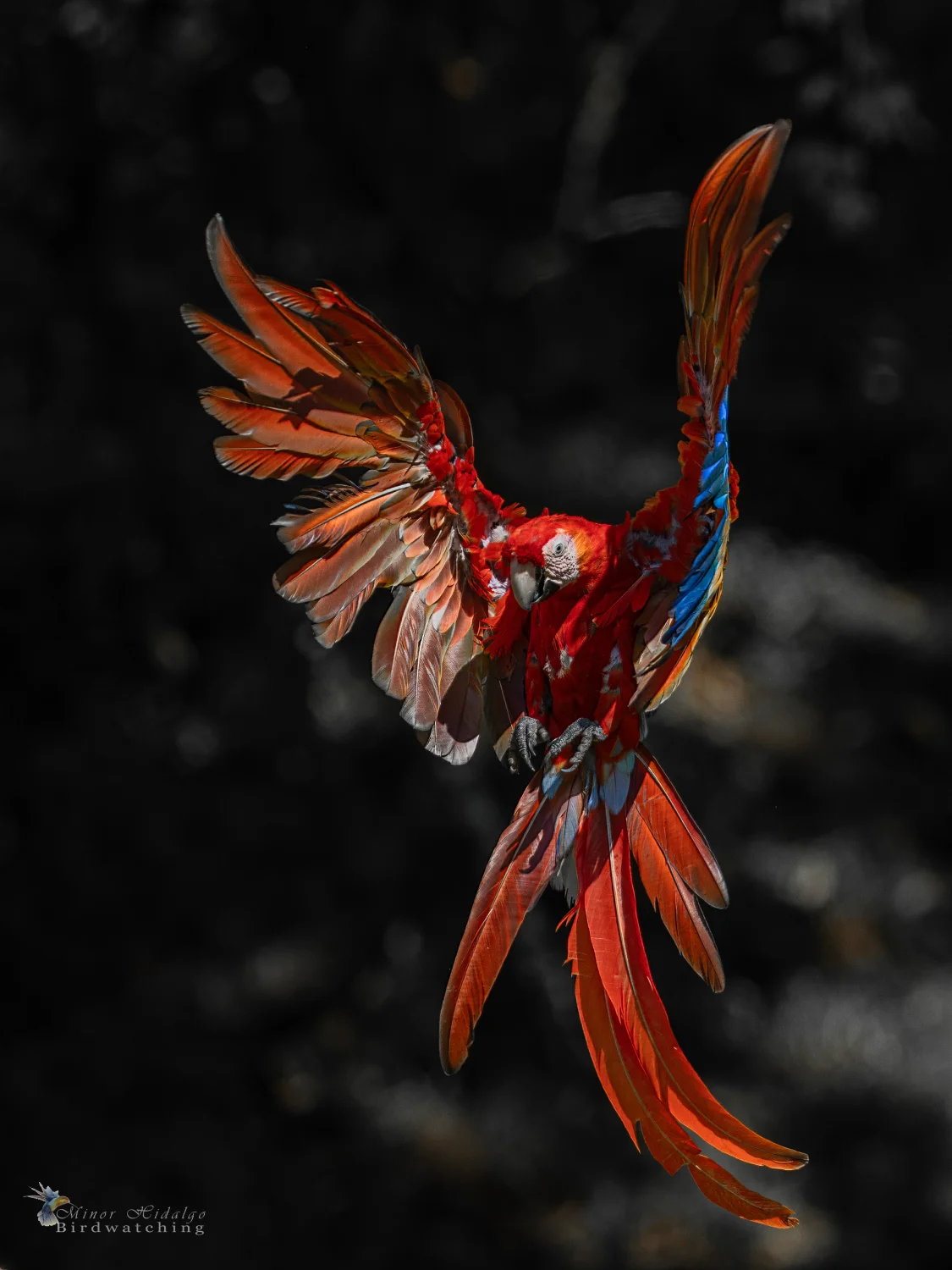
      Full day exploring Carara National Park, one of Costa Rica’s birding jewels where northern and southern species converge. The park’s trails offer chances to spot Scarlet Macaws, Rufous-tailed Jacamar, Royal Flycatcher, and many more. The park’s diverse habitats range from dry forest to humid rainforest, supporting tremendous bird diversity.

      Beyond birds, Carara supports a wide array of reptiles, amphibians, and mammals. While sightings are never guaranteed, the park is home to margays, ocelots, collared peccaries, anteaters, and even the elusive jaguar. Well-maintained trail systems, including accessible boardwalks, offer visitors excellent opportunities to explore primary and secondary forest and observe wildlife at a comfortable pace.

      Target Species:
      Yellow-bellied Flycatcher, Chestnut-sided Warbler, Yellow-throated Vireo, Ruddy Quail-dove, Rufous-and-white Wren, Northern Bentbill, Black-hooded Antshrike, Dusky Antbird, Brown-hooded Parrot, Scarlet Macaw, Plain Xenops, Wedge-billed Woodcreeper, Masked Tityra, Northern Barred Woodcreeper, Dot-winged Antwren, Orange-collared Manakin, Baird’s Trogon, Common and Slate-headed Tody-flycatcher, Purple-crowned Fairy, Long-tailed and Little or Stripe-throated (same species) Hermit, Turkey, Black and King Vulture, Streaked Flycatcher, Cocoa or Buff-throated Woodcreeper, Rufous-breasted Wren, Black-bellied Wren, Black-throated Trogon, Violaceous Trogon, Black-headed Trogon, Lineated Woodpecker, Riverside Wren, Cherie’s Tanager, Red-legged Honeycreeper, Golden-hooded, Summer and Gray-headed Tanager, White-collared Swift, Boat-billed Flycatcher, Orange-collared Manakin, Blue-black Grosbeak, Variable Seedeater, Barred Antshrike, Rose-throated Becard, Great Tinamou, White-winged Becard, Golden-crowned Euphonia, Black-faced Antthrush, Sulphur-rumped Flycatcher, Chestnut-backed Antbird, Buff-throated Foliage-gleaner, Plain-capped Starthroat, Ochraceous Flycatcher, Fiery-billed Aracari, Laughing Falcon, Chestnut-mandibled Toucan,Ruddy Quail-dove, White-winged Becard, Plain-capped Starthroat and Brown-hooded Parrot, Crested Guan, Bright-rumped Attila,

      Day 12: Central Pacific to San José

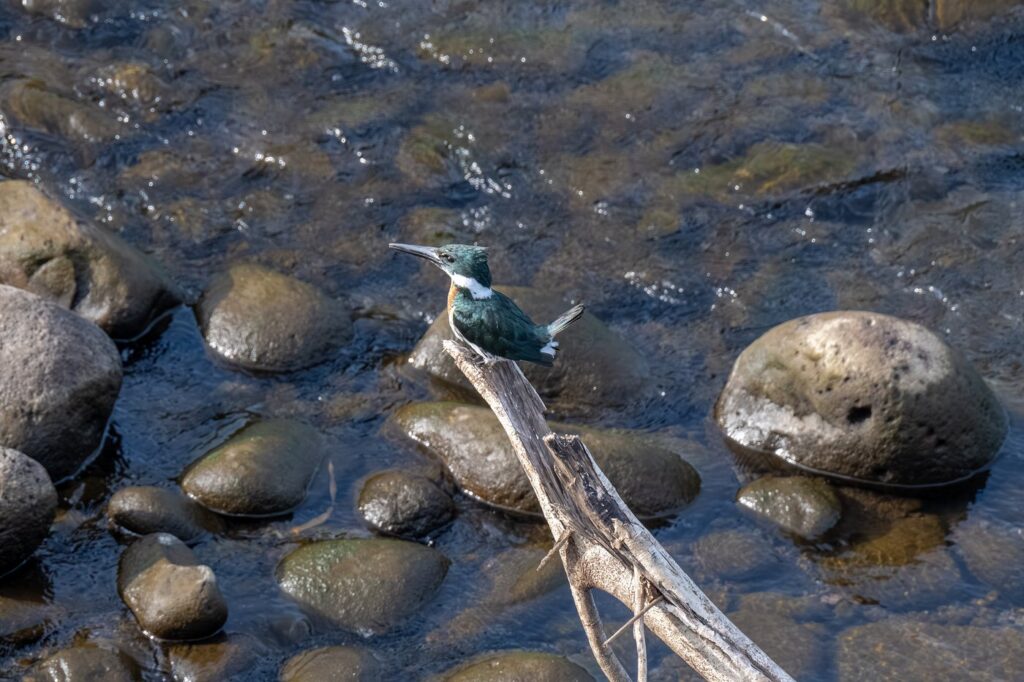
      Morning visit to the Tarcoles River Estuary for shorebirds, waders, and mangrove specialties including American Pygmy Kingfisher and Mangrove Hummingbird. Mid-day departure for San José). Afternoon arrival at Hotel Villa San Ignacio with time to bird the hotel gardens, which attract numerous species.

      Tarcoles River Estuary – Bird Watching with your Private Guide

      The Tárcoles River forms the northern boundary of Carara National Park, a unique ecological zone where tropical dry forest meets Pacific rainforest, creating conditions for extraordinary biodiversity. Over 300 species of birds have been recorded here, including resident and migratory species, coastal birds, and mangrove specialists. Expect excellent opportunities to observe species such as Roseate Spoonbill, Mangrove Warbler, Boat-billed Heron, Double-striped Thick-knee, Common Black Hawk, and various kingfishers, shorebirds, and waders—many from close range and ideal angles for photography.

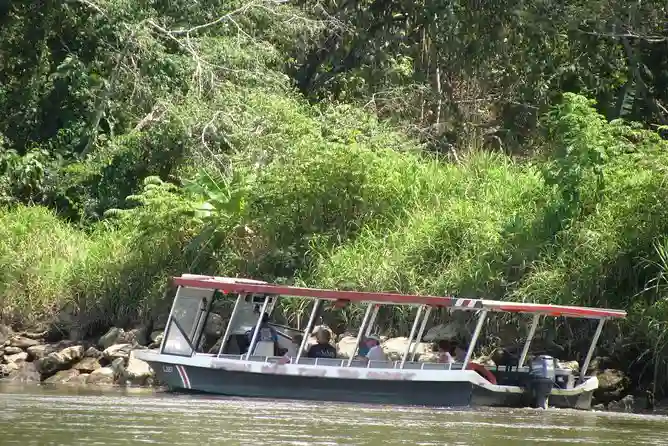
      As you move slowly and quietly through the estuary, your guide will help you spot the area’s most sought-after birds while your captain navigates the narrow waterways and open stretches of river. Beyond birds, the tour also offers the chance to encounter the region’s famed Central American Crocodiles, 2nd largest in the world, often basking along the banks, as well as basilisk lizards, iguanas, and occasional sightings of monkeys or anteaters.

      Target Species:
      Panama Flycatcher, Yellow-billed Cotinga, Mangrove Vireo, Scarlet Macaw, Mangrove Hummingbird, Black Bellied Whistly Duck, Muscovy Duck, Double-Striped Thick-knee, Black Necked Stilt, Black Bellied Plover, Semipalmated Plover, Southern Lapwing, Wilson’s Plover, Collared Plover, Whimbrel, Spotted Sandpiper, Willet, Least Sandpiper, Wood Stork, Magnificent Frigatebird, Anhinga, Neotripic Comorant, Brown Pelican, Bare-Throated Tiger heron, Yellow-crowned Night Heron, Little Blue Heron, Sony Egret, Green Heron, Cattle Egret, Great Egret, Great Blue Heron, White Ibis, Gray hawk, Black and White Owl, Green Kingfisher, Crested Caracara, Yellow-headed Carara, Mangrove Swallo, Red-winged Blackbird, Yellow Warbler, Great-Tailed Grackle, White Ibis, Roseate Spoonbill, Frey Hawk, and many more.

      In addition to birds, the Tarcoles River is an important habitat to one of the world’s largest populations of American Crocodiles, as well as habitat to Basilisk lizards, iguanas, monkeys, anteaters, and much more.


      Bird Watching in the gardens and trails at Villa San Ignacio with your private guide.

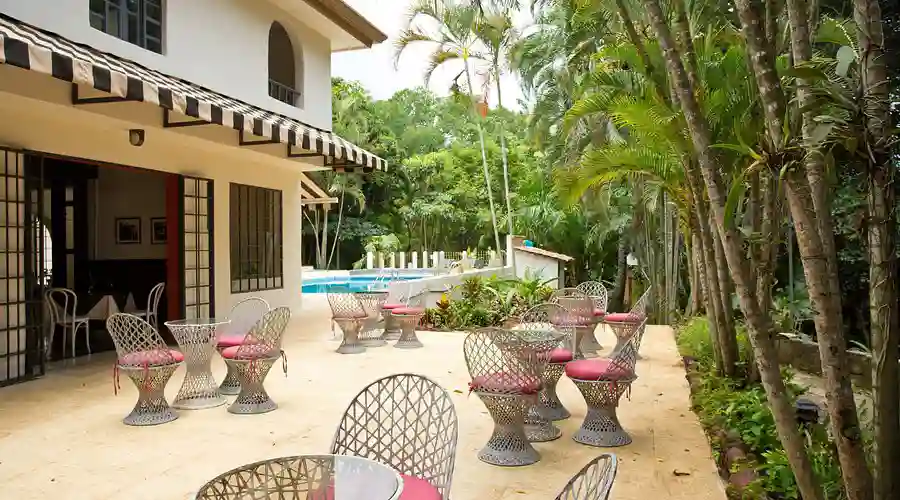
      Birding in the gardens and trails at Villa San Ignacio is a great way to ease into your trip—or wind it down before heading home. The property has become a quiet haven for birds and butterflies, thanks to a botanist who once owned the land. He planted native trees and let the previously cleared areas return to their natural state, creating a space that now reflects the Central Valley’s original landscape.

      Target List:
      Lesson’s Motmots, Hoffmann’s Woodpeckers, Rufous-naped Wrens, and Steely-vented Hummingbirds, Fiery-billed Aracari, Rufous tailed Hummingbirds, White Tipped Dove, White Winged Dove, Squirrel Cuckoo, Great Kiskadee, Social Flycatcher, Tropical Kingbird, House Wren, Cabanis’s Wren, Clay Colored Thrush, Rufous Collared Sparrow, Blue Grey Tanager and many more

      Day 13: Departure

      Today you’ll return to the San Jose Airport with your driver to check in for your flight home. Transfer will be scheduled to accommodate your flight departure. San Jose International Airport requires guests to check in 3 hours prior to their flight departure.

        "Unforgettable 10 Day Costa Rica Birding Trip"

        I chose Costa Rica Focus for a 10 day birding adventure around Costa Rica and I had the most amazing, unforgettable experience. Everything was so well planned and organized I always knew I was in good hands. I really enjoyed how each place we stayed at was a perfect spot for birding and each birding guide was very professional and so knowledgeable of the area we were birding in. I left this trip with 196 lifers! Thank you Costa Rica Focus for curating this unique experience.

        Miranda K

        Irving, TX

        "Wonderful trip, all we had to do was show up!"

        After our trip in April, we couldn’t wait to go back. The accommodations, the guides, the drivers everybody was wonderful, and the schedule was perfectly coordinated. We’ve never had trips that went as smoothly as the one arranged by Costa Rica focus. I could I could tell you all the details but honestly, you just need to call Costa Rica Focus because they have got it down. The nicest part of Costa Rica are the people, but I really love the birds and the plants and the ocean and the mountains….. really it’s an experience you can’t miss.

        Kathryn V

        Ivins, UT

        "Simply the best!"

        We can’t say enough about how pleased we were that we went with Costa Rica Focus, and thoroughly recommend them in every respect … As for our guide and driver Andres, what can we say? If a review sheet had a plus and minus column, we would request a third plus-plus column. He was absolutely amazing in every respect.  We arrived to meet Andres as a stranger only to leave two weeks later feeling like we just left our best friend behind. He was the most knowledgeable guide, an extremely careful and diligent driver, plus a delightfully thoughtful fellow in every respect. Nothing was too much trouble and any questions or requests were answered or taken care of immediately.  …

        Richard B

        San Diego, CA

      Additional Tour Info

      This itinerary requires an intermediate level of physical activity. Guests will traverse a variety of environments, including well-established trails, narrow forest paths, gardens, feeders, and observation platforms. Participants should be comfortable walking at least 2 miles at a steady, relaxed pace without the need for frequent stops or rest. Additionally, participants should be comfortable walking in hot, humid conditions. 

      Weather

      Weather in Costa Rica varies significantly by region and elevation. Expect different temperatures and rainfall patterns as you travel through the country. While some areas experience brief morning mist or afternoon showers, others may have longer periods of rain. These patterns shift throughout the year and create the perfect conditions for Costa Rica’s rich wildlife. While we plan activities around typical weather patterns, we recommend packing for both sun and rain to ensure your comfort throughout your journey. The temperatures listed below represent typical averages for each region, though daily conditions may vary.

      • Central Valley: Warm daytime temperatures from the high 70s °F to low 80s °F. Evenings pleasant in the high 60s °F to low 70s °F.
      • Caribbean Lowlands: Daytime temperatures will range from the high 80s to low 90s °F. Evening temperatures will be in the high 70s – low 80s °F. Expect high humidity.
      • Highlands (Talamanca Mountains): Cooler conditions prevail here, with daytime temperatures in the mid to high 70s or low 80s °F. Evenings can drop to the high 40s or low 50s °F, so pack appropriately to stay comfortable throughout your journey. We recommend layers and a fleece or jacket.
      • Mid-Elevation Locations (Foothills): Enjoy temperate weather with daytime highs in the low to mid-80s °F and evenings and early mornings in the low to mid 60s Mid-Elevation Locations: Enjoy temperate weather with daytime highs in the low to mid-80s °F.
      • Pacific Lowlands: Daytime temperatures will range from the high 80s to low 90s °F. Evening temperatures will be in the high 70s – low 80s °F.

      On the Trail

      Please note that some parks and reserves lack seating or designated rest areas once inside the forest. While most trails are relatively flat, certain locations may involve inclines, steps, or uneven terrain with minor elevation changes.

      Trail conditions will vary, and guests should be prepared to navigate narrow forest paths with natural debris such as sticks, leaves, rocks, and roots. In the event of rain, trails may become muddy and slippery, adding to the challenge.This itinerary is designed for participants with an intermediate level of fitness and mobility, ensuring a rewarding experience for those prepared for the natural demands of these environments.

      All guests should be comfortable carrying their own equipment and personal items in the field. We understand that everyone’s pace and energy levels are different. If you ever feel the need for a shorter day, a morning to rest, or time to recharge, please let your guide know. This is your trip, and we’re here to ensure you enjoy it to the fullest.

      This trip would not be recommended for a person with mobility issues.

      Accommodations

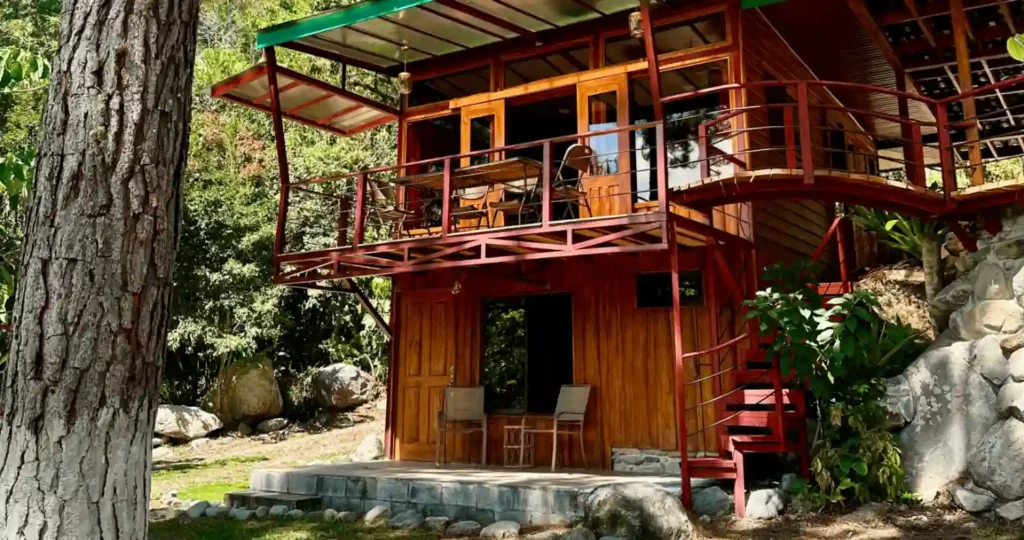
      For our group trips, we select hotels based on their prime locations for birding opportunities. Accommodations will range from basic, rustic lodges to mid-range hotels with additional amenities, always with the goal of prioritizing excellent access to birding hotspots.

      It’s important to note that not all hotels will have air conditioning, but all will feature private bathrooms, hot or warm running showers, fans, and Wi-Fi (available at least in reception or dining areas, though signal strength may vary). The level of comfort will align with the descriptions provided in the itinerary.

      In some locations, rooms may be a 5–15 minute walk from the reception or dining areas. If you have physical needs and would prefer a room closer to these facilities, please inform us in advance, and we will do our best to accommodate your request.

      See Other Bird Watching Group Trips

      Costa Rica Birding

      Not exactly what you're looking for? See other birdwatching and bird photography group trips we offer: