New Year Birding Goals & Life Lists in Costa Rica
Every January, I find myself doing the same quiet exercise. While other people are making resolutions, I'm usually thinking about birds, not in a dramatic way, and not as a checklist, but as a moment to pause and reflect. Over the years, birding has become less about how many species I can add and more…
Every January, I find myself doing the same quiet exercise. While other people are making resolutions, I’m usually thinking about birds, not in a dramatic way, and not as a checklist, but as a moment to pause and reflect. Over the years, birding has become less about how many species I can add and more about how I want to experience them. At the start of a new year, I like to think about where I’ve been, what I’ve enjoyed most, and what still sparks curiosity. It’s a small ritual, but one I’ve come to value. Birding goals don’t have to be ambitious or public to be meaningful. Sometimes they’re simply a reminder that discovery is still possible, even in places we know well.
Like many birders, I used to think of life lists as something to grow as quickly as possible. In the early years, there was a lot of excitement around numbers, new species, new countries, new experiences. And that phase has its place. But over time, my relationship with birding has changed. These days, I’m less interested in chasing every possible bird and more drawn to experiences that feel unhurried and intentional. A life list doesn’t have to be about accumulation. It can be about revisiting familiar places, noticing details you missed before, and allowing certain species to come to you when the time is right. Some of the most satisfying birds I’ve seen weren’t rare at all, they were simply well-earned.
Life Lists and What They Mean
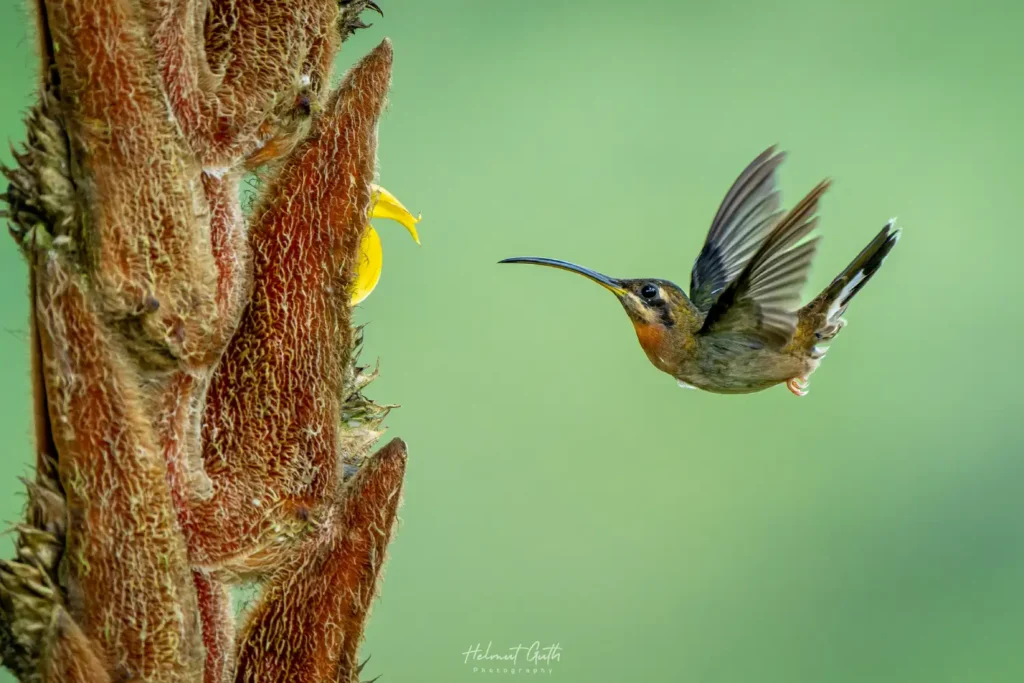
For those newer to birding, a life list is simply a record of every bird species you’ve confidently identified in your lifetime. When you see a species for the first time, birders call it a “lifer.” Most of us now use eBird to track our lists, though paper journals and other apps work just as well.
The only real rule is honesty. If you’re not confident in your identification, don’t check it off. Some birders count heard-only birds, others stick to visual confirmations. Your list reflects your own standards and experiences, there’s no authority policing these decisions, and that’s exactly as it should be.
What I’ve learned is that the meaning of a life list changes over time. Early on, it’s a measure of progress and discovery. Later, it becomes a chronicle of experiences, places, and moments that shaped your understanding of birds. The number itself becomes less important than what lies behind it.
Why Costa Rica Continues to Resonate
That shift in perspective is one of the reasons Costa Rica continues to resonate with me as a birding destination. It’s a country that rewards patience and repeat visits rather than frantic chasing. Because it’s compact and incredibly diverse, you can experience a wide range of habitats without exhausting travel days. Cloud forest, lowland rainforest, foothills, and coastal areas are all within reach, and each visit reveals something different.
Costa Rica packs over 900 bird species into an area half the size of Kentucky. For North American birders, that density creates genuine life list potential but not in a way that feels rushed or overwhelming. The infrastructure here supports thoughtful birding. Many of the best locations have well-maintained trails, feeding stations, and accessible viewing areas that let you observe rather than just spot and move on.
What makes Costa Rica especially valuable for life list building is its variety of life zones positioned close together. You can start your morning in a cloud forest watching mixed flocks of tanagers and warblers, drive two hours, and finish the afternoon in steamy lowland rainforest surrounded by toucans and antbirds. This efficiency matters, not because you’re racing to see everything, but because it creates opportunities to experience distinct bird communities without sacrificing days to travel.
For first-time tropical birders, Costa Rica typically delivers 80-90% new species. Even experienced listers with extensive Neotropical travel regularly add 50-100 lifers. The country’s accessibility from the US (direct flights of 3-5 hours), safety, and English-speaking guides make it less intimidating than other high-diversity destinations like Ecuador or Peru.
Setting Realistic Expectations
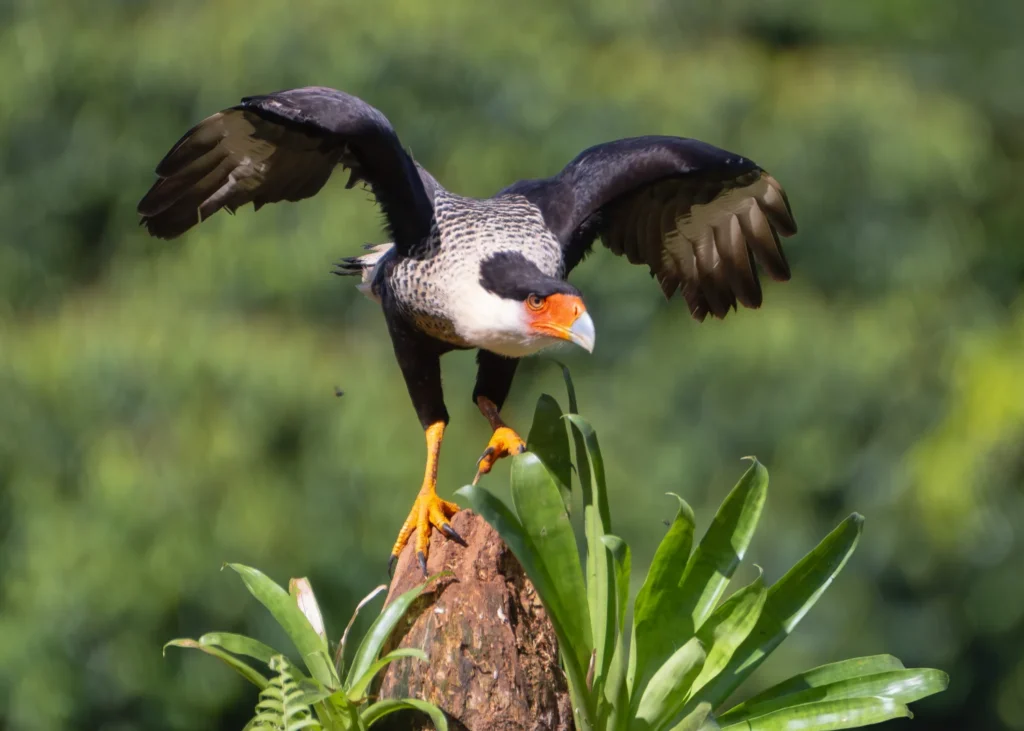
As my birding goals have evolved, I’ve also come to appreciate how much accessibility shapes the experience. It’s easy to talk about species counts, but the reality is that how you see birds matters just as much as what you see. Costa Rica excels here. Many of the most rewarding birding moments don’t require long hikes or difficult terrain. Gardens, feeding stations, forest edges, and well-maintained trails make it possible to spend time observing rather than rushing.
If you’re planning a trip with life list goals in mind, I’ve found it helpful to set realistic expectations based on your experience level and trip length. Here’s what I’ve observed over years of guiding and traveling in Costa Rica:
Expected Lifer Counts
| Trip Length | First Tropical Trip | Some Neotropical Experience | Extensive Travel |
| 3-4 days | 60-90 lifers | 35-50 lifers | 15-30 lifers |
| 7-10 days | 120-180 lifers | 70-100 lifers | 40-70 lifers |
| 14+ days | 200-250 lifers | 100-140 lifers | 60-100 lifers |
These numbers assume you’re birding with experienced guides for at least part of your trip and visiting multiple life zones. Solo birding will reduce these counts, sometimes significantly, especially in challenging habitats like lowland rainforest where bird identification depends heavily on knowing vocalizations.
The variables that most affect your lifer count: habitat diversity (staying in just one zone limits your potential), guide quality (experienced local guides can triple your species count), season (dry season offers easier access but rainy season brings migrants and breeding activity), and how much time you dedicate to early morning birding when birds are most active.
I encourage setting three-tier goals for yourself: a conservative number you’ll definitely reach, a target that feels realistic with good effort, and a stretch goal if everything aligns perfectly. This approach keeps you motivated without creating pressure. Every lifer is a success, regardless of where you land within that range.
Species Worth Targeting in Costa Rica
Even after years of birding in Costa Rica, I still enjoy setting a goal or two for myself each year. They’re rarely ambitious, and they’re certainly not always about chasing rarity. More often, they’re species I’ve somehow missed along the way, birds that live quietly in familiar habitats, waiting for the right moment.
The Iconic Species
Some birds draw people to Costa Rica for good reason. These aren’t necessarily rare, but they represent the magic of Neotropical birding:
Resplendent Quetzal remains at the top of most birders’ wish lists. Monteverde, San Gerardo de Dota, and Los Quetzales National Park offer reliable sightings, especially December through March during nesting season. The bird lives up to its reputation, seeing one for the first time is genuinely memorable.
Scarlet Macaw populations have recovered beautifully in Costa Rica. Carara National Park on the Central Pacific coast provides consistent sightings, often in pairs or small groups flying over at dawn and dusk. The Osa Peninsula also holds healthy populations.
Toucans capture everyone’s attention. Costa Rica has six species, and seeing all of them requires visiting multiple habitats. Keel-billed Toucan is widespread in lowlands. Chestnut-mandibled Toucan frequents Caribbean and southern Pacific forests. Yellow-eared and Emerald Toucanets prefer cloud forest. The two aracaris, Collared and Fiery-billed, show up in lowlands, with the Fiery-billed restricted to the Pacific slope.
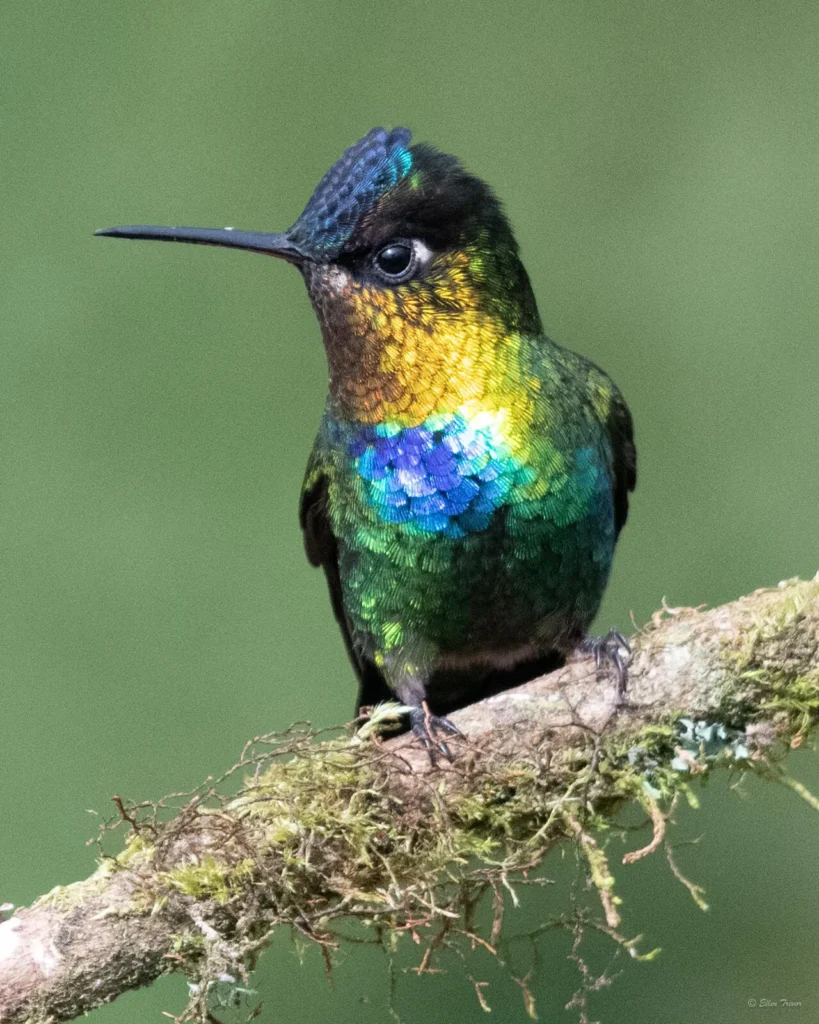
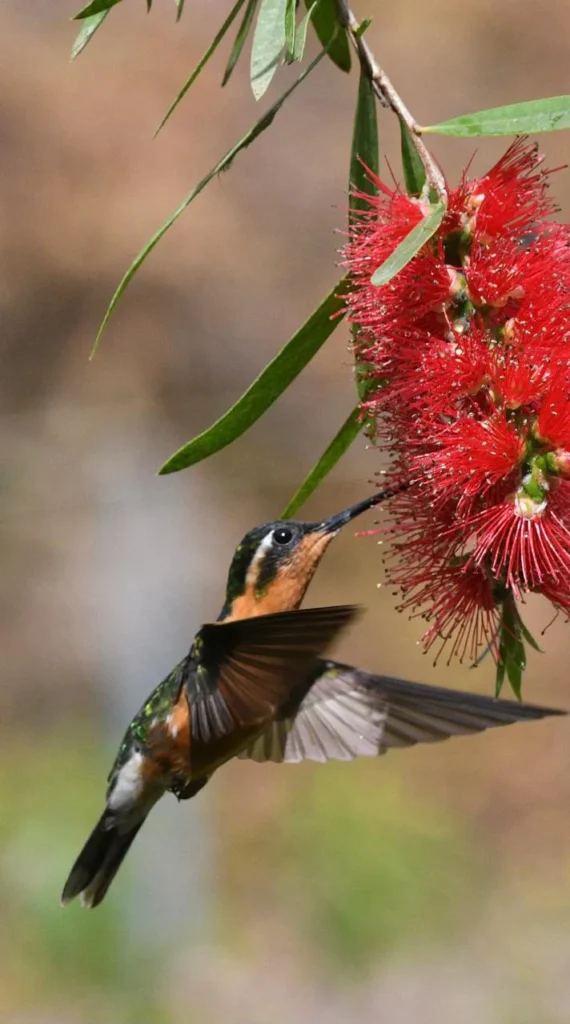
Hummingbirds number over 50 species here. Cloud forests hold specialties like Fiery-throated Hummingbird, Magenta-throated Woodstar, and Volcano Hummingbird. Lodges with feeding stations make photography and close observation possible in ways you rarely get in the field.
Costa Rica’s Endemic Birds
For life listers, endemic and near-endemic species add special value since you can’t see them anywhere else. Costa Rica has a small but worthwhile list:
True endemics include Coppery-headed Emerald (requires visiting highlands around Poás or Monteverde, only the Central Mountains), Mangrove Hummingbird (Pacific coast mangroves at Sierpe or Tarcoles), and Black-cheeked Ant-Tanager (Osa Peninsula)
Personal Targets
Near-endemics shared with small areas of Panama include Fiery-throated Hummingbird, Volcano Hummingbird, Black Guan (cloud forests, Talamanca Highlands), and Sooty-capped Chlorospingus These species require specific elevations and habitats but aren’t difficult with good guides.
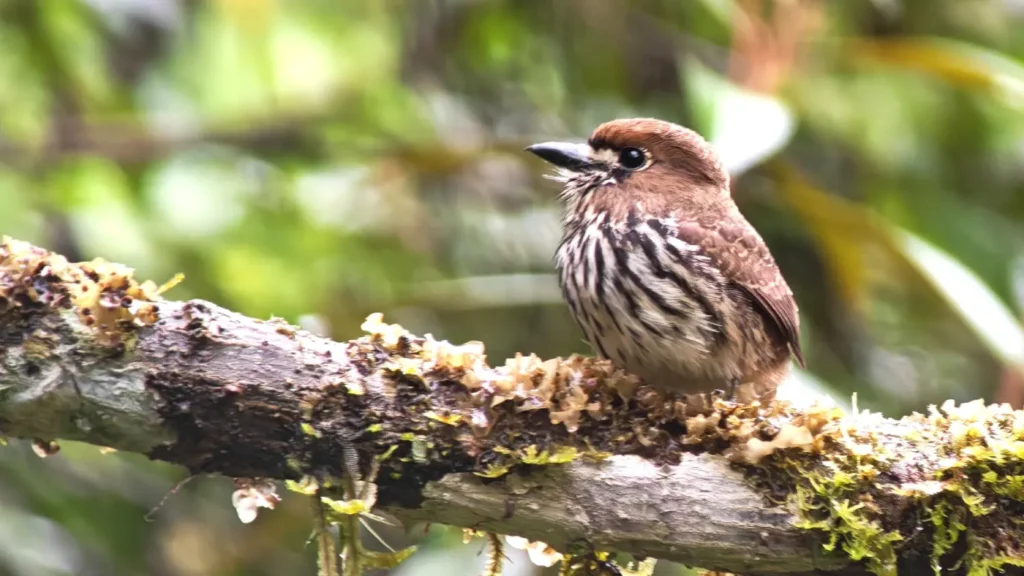
I’ll be back in Costa Rica in late January of 2026, and as I look ahead to that trip, I find myself thinking about one of those lingering gaps on my personal life list. It’s not a dramatic target, but it’s not an easy species either.
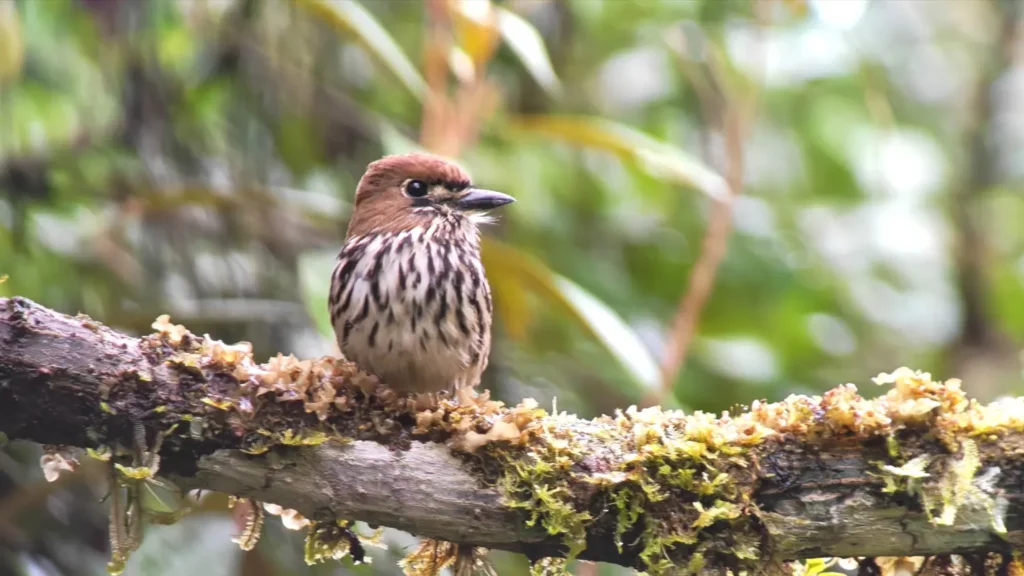
One bird I’m hoping to finally encounter is the Lanceolated Monklet. The Monklet represents the kind of birding I enjoy most at this stage, being quietly attentive, patient, and grounded in place. It’s not about a trophy moment; it’s about paying attention in the right habitat, trusting the process, and letting the experience unfold naturally. Costa Rica allows room for this kind of birding, where even a small, personal goal can feel rewarding rather than rushed or pressured.
Planning by Life Zone
This is also why Costa Rica tends to be a place people return to again and again. The birds are familiar, but never predictable. A species missed on one visit might appear effortlessly on the next. Seasonal changes, subtle shifts in location, and different guiding perspectives all add layers to the experience. Costa Rica doesn’t demand that you see everything at once. Instead, it rewards curiosity and patience, offering something new each time you come back.
Cloud Forest
Understanding Costa Rica’s distinct life zones helps you plan strategically, whether it’s your first visit or your fifth. Each zone holds different bird communities, and visiting multiple zones maximizes both your species diversity and your overall experience.
Before your trip, I recommend creating a short target list, not an exhaustive one, but maybe 10-15 species that particularly interest you. Download the eBird checklist for Costa Rica and cross-reference it with your existing life list. Share that short list with your guide ahead of time. It helps them understand your priorities and adjust routes accordingly.
Monteverde, San Gerardo de Dota, and Los Quetzales National Park represent Costa Rica’s high-elevation forests. Constant mist, moss-covered trees, and cool temperatures create unique conditions. For North American birders, this habitat doesn’t exist back home, so nearly everything feels new.
Expected species for first-timers: 80-120 lifers in two to three days. Key birds include Resplendent Quetzal, Three-wattled Bellbird, Bare-necked Umbrellabird, Black Guan, highland tanagers, and endemic hummingbirds. December through March offers the most reliable quetzal sightings during nesting season.
Caribbean Lowland Rainforest
La Selva Biological Station, Sarapiquí, and Caño Negro represent classic tropical rainforest; hot, humid, and incredibly diverse. This zone can deliver the highest species counts for many visitors.
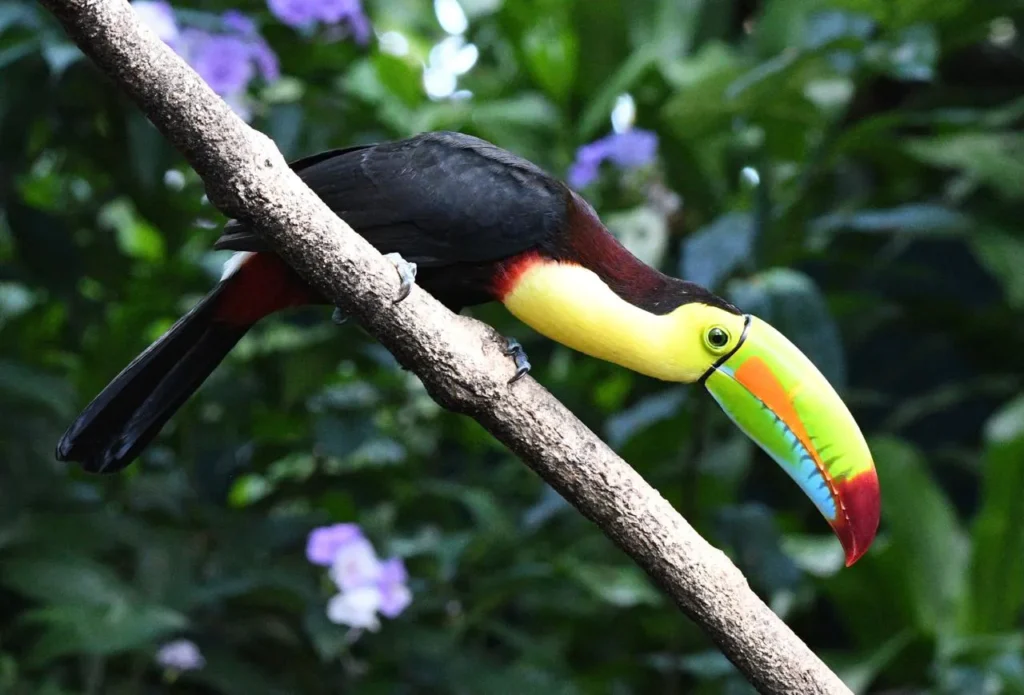
Expected species for first-timers: 100-150 lifers in three to four days. Great Green Macaw, Toucans, mixed-species flocks with 20+ species, antbirds, woodcreepers, and forest-interior specialists. April through November adds North American migrants to the resident species.
Pacific Lowlands and Transition Forest
Carara National Park and the Central Pacific coast bridge dry and wet forest habitats, creating unique species combinations. Carara is famous for Scarlet Macaws but delivers much more.
Expected species: 60-90 lifers in one to two days. Fiery-billed Aracari, Riverside Wren, plus many widespread species in accessible locations.
Southern Pacific/Osa Peninsula
Corcovado National Park and the Osa Peninsula represent Costa Rica’s most pristine rainforest. Remote and requiring more effort, but serious listers consider it essential. The peninsula contains 3% of the world’s biodiversity.
Expected species: 80-120 lifers in 3-5 days. Black-cheeked Ant-Tanager, Baird’s Trogon, both cotinga species (Yellow-billed and Turquoise), endemic and near-endemic birds that are difficult elsewhere.
Suggested Approach
For a first visit of seven to ten days, I recommend hitting at least three zones. A typical itinerary might include two to three days in cloud forest, three to four days in Caribbean lowlands, and one or two days on the Central Pacific coast. This provides strong habitat diversity without excessive driving.
For 14+ days, add the Osa Peninsula and consider Palo Verde or Caño Negro for wetland and dry forest species. Longer trips allow you to slow down and spend more time observing rather than moving between locations.
Combined with the depth of local knowledge among Costa Rica’s birding guides, birding here feels immersive without being demanding. It becomes something you settle into, not something you push through.
What I’ve Learned About Life List Birding
After years of leading trips and traveling throughout Costa Rica, I’ve noticed patterns in what makes birding trips satisfying versus stressful. A few observations:
Expectations and Reality
Setting unrealistic goals creates disappointment. Even expert birders rarely top 200 species in a week. If you’re expecting 300+ on your first tropical trip, you’re setting yourself up to feel like you’ve failed when you haven’t. Use the numbers I shared earlier as honest baselines, not minimums to exceed.
Weather, luck, and timing all play roles. Some target birds simply won’t cooperate. Build flexibility into your schedule and accept that missing a few species is normal.
The Value of Guides
I can’t overstate how much experienced local guides affect your lifer count. They know bird calls, exact locations, and behaviors that take years to learn on your own. For maximizing life list potential, budget for a private guide for the duration of your trip, or for at least one or two full guided days at each location, and especially in challenging habitats like lowland rainforest and cloud forest. You can bird independently at lodges with feeders and easy trails if you prefer time on your own.
Morning Matters
Protect your early mornings. Tour operators who schedule 8am starts are wasting your most productive birding hours. The period from 5:30-10am produces the majority of bird activity. Sleep in and you’ll miss half the species.
Diversify habitats. Staying in only one life zone limits your potential significantly. Even a short trip benefits from visiting 2-3 distinct zones.
Numbers vs. Experience
I’ve watched birders rush past incredible viewing opportunities because they were focused on finding the next lifer. If a quetzal sits in perfect light for five minutes, stay with it. Take photos. Watch its behavior. The obsessive ticker who sprints off to find the next species misses what makes birding rewarding.
Allow time to really see your lifers. Some of the most satisfying birds I’ve encountered weren’t rare, they were simply well-observed. The experience matters more than the count.
Identification Honesty
Your life list only means something if it’s built on honest identifications. Don’t add “maybes.” Don’t check off birds you only glimpsed. Use multiple field marks before confirming. Ask guides for verification when unsure.
It’s completely acceptable to leave birds unidentified. Better to miss one lifer than add a false one. The integrity of your list depends entirely on your standards.
Tracking Your List
Keep it simple. Most birders now use eBird to submit daily checklists and automatically track their life lists. The mobile app works offline, which matters in remote areas. Mark the “life bird” checkbox for each new species.
Before your trip, download eBird’s printable checklists for the regions you’ll visit. The “Illustrated Checklist” feature helps you familiarize yourself with species you’re likely to encounter.
Beyond checklists, I encourage taking photos (even mediocre ones help you remember), jotting quick field notes about memorable sightings, and recording songs using the Merlin app. These details give your life list context and meaning beyond numbers.
Common Questions About Life Lists in Costa Rica
How many bird species can I realistically see in one week?
First-time tropical birders typically see 150-220 total species in a week, with 120-180 being lifers. Experienced birders with extensive Neotropical travel might see 180-250 total species but only 40-70 new lifers. Guide quality, habitat diversity, and season all significantly impact these numbers.
When is the best time to visit?
The dry season on the Pacific side of the country (December through April) offers easier birding conditions and reliable access to remote areas like the Osa Peninsula. The rainy season (May through November) brings North American migrants and more activity. Gardens are lush, flowers blooming, food sources abundant. The Caribbean side of Costa Rica has no dry or wet season, weather is about the same year round, so every month has good birding in Costa Rica.
Do I need a guide?
Not required, but highly beneficial. Experienced local guides typically triple your species count. For maximizing lifers, invest in guides, especially in challenging habitats.
Should I count heard-only birds?
This is entirely personal. Many serious listers only count visual identifications. Others include heard-only birds if they’re confident. Be consistent with your own standards. Most North American birders moving into tropical regions prefer to see birds given the challenge of learning hundreds of new vocalizations at once.
What apps should I use?
Merlin Bird ID (free from Cornell Lab) works completely offline and is excellent for identification. The Costa Rica Birds Field Guide app offers detailed information and range maps. eBird mobile lets you submit checklists and track your life list in real time. Download all three before your trip and load Costa Rica bird packs in Merlin while you still have WiFi.
Are the endemic birds of Costa Rica difficult to find?
Most Costa Rica endemics are moderately accessible with good planning. Coppery-headed Emerald requires visiting specific highland areas. Mangrove Hummingbird needs coastal mangroves where guides know reliable spots. Black-cheeked Ant-Tanager appears regularly at certain Osa lodges. The real challenge isn’t finding endemics, it’s managing your time among 900 possible species.
As the new year begins, I find myself less focused on what I haven’t seen and more appreciative of the process itself. Birding goals don’t need to be bold to be worthwhile. Sometimes they’re simply an invitation to slow down, notice more, and stay open to surprise.
For me, Costa Rica remains one of the best places to do exactly that—a country where birding feels generous, unforced, and endlessly rewarding. Whether you’re building your life list for the first time or returning to fill in gaps you’ve carried for years, the experience here supports whatever approach feels right to you.
Wherever your own birding goals may take you this year, I hope they bring you back to that same sense of curiosity and quiet joy that keeps so many of us returning to the field.
New Year Birding Goals & Life Lists in Costa Rica
Get a Free Quote
See Most Recent Posts
Spring Bird Migration in Costa Rica: What to Expect
Discover how spring migration unfolds in Costa Rica—from Swainson's Hawks to nocturnal songbirds. Learn the best times and places to…

King Vulture Venture II — February 2026 Trip Report
Led by our exceptional bird photography guide, Andrés Zúñiga, this demanding 14-night itinerary was designed for depth, variety, and strategic…

311 Birds in 9 Days: A Costa Rica Birding Testimonial
Earlier this year, visiting birder Ethan Hoggard spent nine days exploring several of Costa Rica’s most productive birding regions. By…