Costa Rica’s Sweet Spot for Birding and Photography
Birding in Costa Rica in April and May For many travelers, Costa Rica is synonymous with “dry season.” December through March draws visitors escaping northern winters, and for good reason, on the Pacific side of the country sunshine is plentiful and wildlife is active. But ask many seasoned Costa Rican birding guides which months they…
Birding in Costa Rica in April and May
For many travelers, Costa Rica is synonymous with “dry season.” December through March draws visitors escaping northern winters, and for good reason, on the Pacific side of the country sunshine is plentiful and wildlife is active. But ask many seasoned Costa Rican birding guides which months they prefer, and you’ll often hear the same answer: April and May. Not because those months are dramatic. Not because migration is underway. But because everything begins to settle and that subtle shift changes the birding experience.
The Overlooked Impact of Wind on Birding
From December through March, the Pacific side of Costa Rica can be extremely windy. The trade winds funnel through mountain gaps and across the forest, whipping through leaves and branches for much of the day. For beachgoers, that breeze can be refreshing. For birders, it’s another story. Wind masks vocalizations. It makes it difficult to determine direction when tracking a call. It rustles leaves constantly, creating false movement that mimics a foraging bird. When you rely heavily on sound, and serious birding always does, a windy forest can feel chaotic and frustrating.
In April, those winds begin to ease. Suddenly, the forest becomes readable again. A single chirp carries cleanly. The wing snap of a Manakin rings out against still branches. Mixed flocks are easier to detect because you can actually hear the first tanager or woodcreeper that announces their presence. Birding becomes less about battling through the noise and more about listening carefully for the array of species all around you.
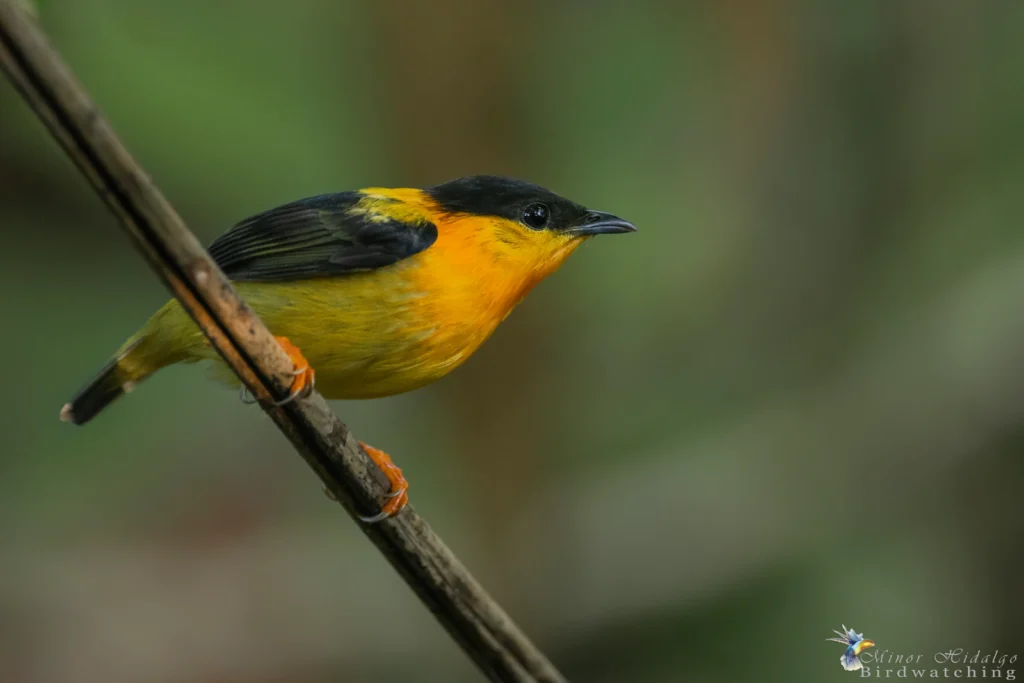
Fewer Crowds, Better Birding Conditions
April marks the end of peak tourism in Costa Rica. Parks, reserves, and gardens are noticeably quieter. Trails are less congested. Feeders are less crowded. Birds respond to pressure. When human traffic decreases, activity often increases, especially around forest edges, trails, and feeding stations. The difference is subtle, but real. There’s also a psychological shift for birders. With fewer people around, you can move more slowly, spend more time in one place, patiently wait for that perfect shot, and let the forest come to you. That patience is often rewarded.
The First Rains and Why That’s a Good Thing for Birdwatching
April and especially May mark the early transition toward the Pacific’s rainy season. Afternoon showers begin to appear, though mornings are usually clear and productive. There’s a misconception that rain hurts birding. In reality, transitional rains can improve it. A brief late-afternoon shower settles dust, cools the forest, and stimulates insect activity. As skies clear toward late afternoon, birds frequently emerge to preen, forage, and dry before nightfall. That window can be surprisingly active. The landscape itself changes quickly too. Hills that were dry and brown in February begin to soften into green. Flowering trees bloom. Hummingbirds and tanagers respond to nectar sources. Photographers benefit from cleaner air, softer light, and more vibrant backdrops. Rather than limiting birding opportunities, early rains often enhance them.
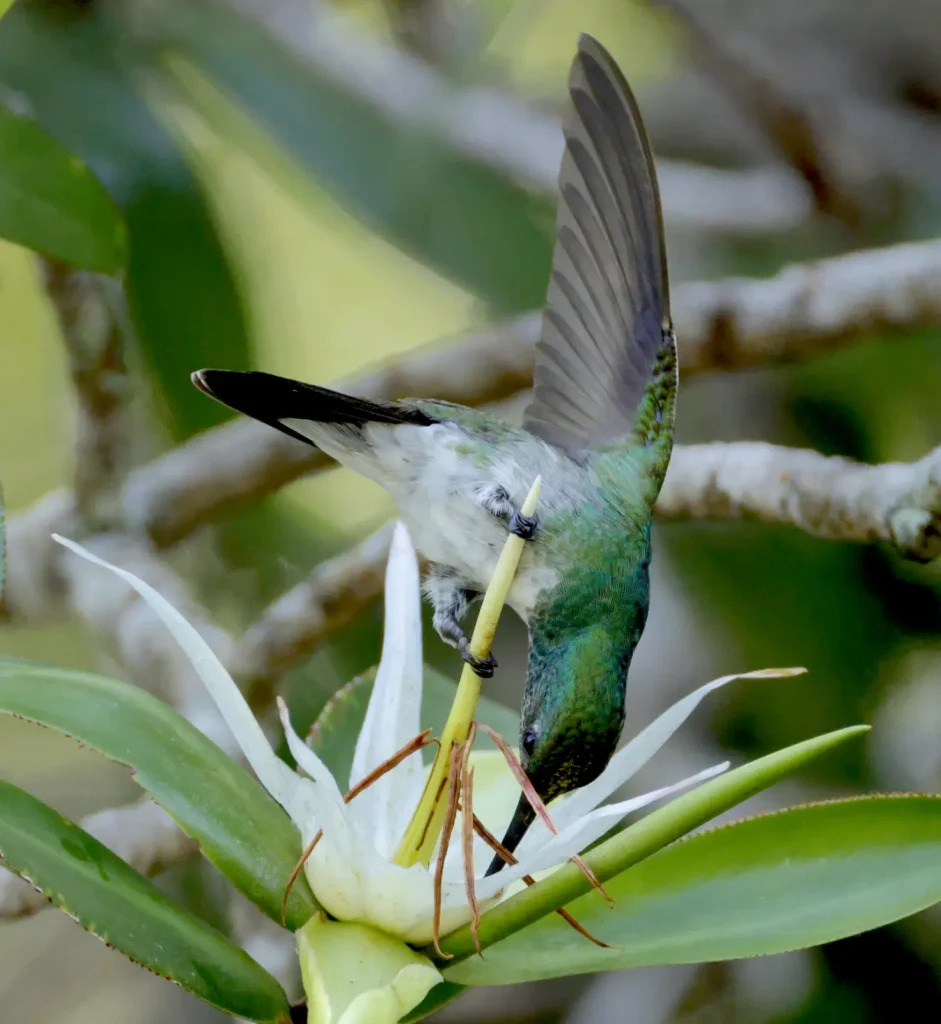
A Unique Balance Between Pacific and Caribbean Regions
Another reason April and May are compelling is the balance between Costa Rica’s two main birding areas. The Caribbean side of the country does not follow the Pacific’s strict dry–wet pattern. The Caribbean follows the same weather pattern throughout the year; daily rain is expected, but full-day rainouts are uncommon. With that said, there is an increase in rainfall on the Caribbean side of the country from December through April, exactly when the Pacific is experiencing its dry season. Meanwhile, the Pacific is transitioning out of the dry season, not yet fully into heavy rains, but no longer dominated by wind and dust. April and May are the perfect crossroads of transition. For itineraries that cross multiple life zones, this can be a remarkably productive period. Weather is generally good on both sides of the country and visitors can take advantage of the positives of bird watching and photography all over the country.
A Shift Toward Resident and Endemic Species
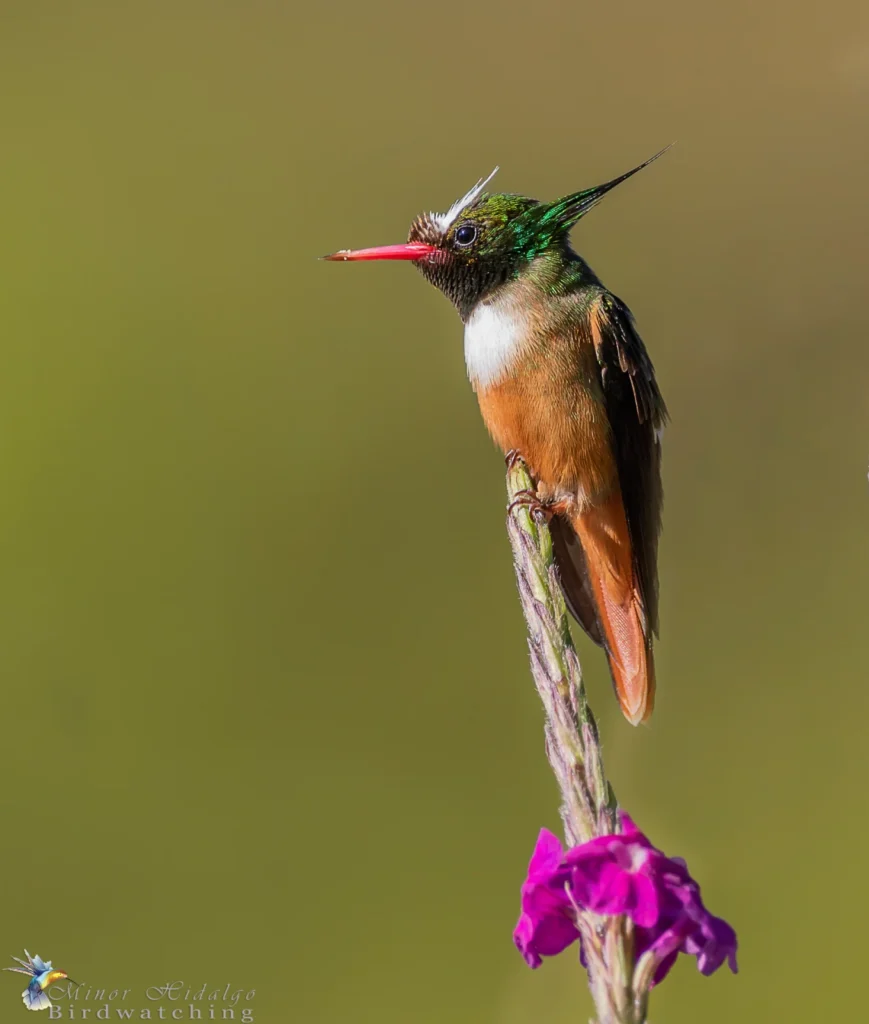
By mid-April, most migratory species have begun their northbound journey. Costa Rica hosts approximately 243 migratory bird species throughout the year, and as spring advances, the majority have departed. The winter residents that filled forests and gardens from October through March gradually thin out, and transient migrants continue their passage north.
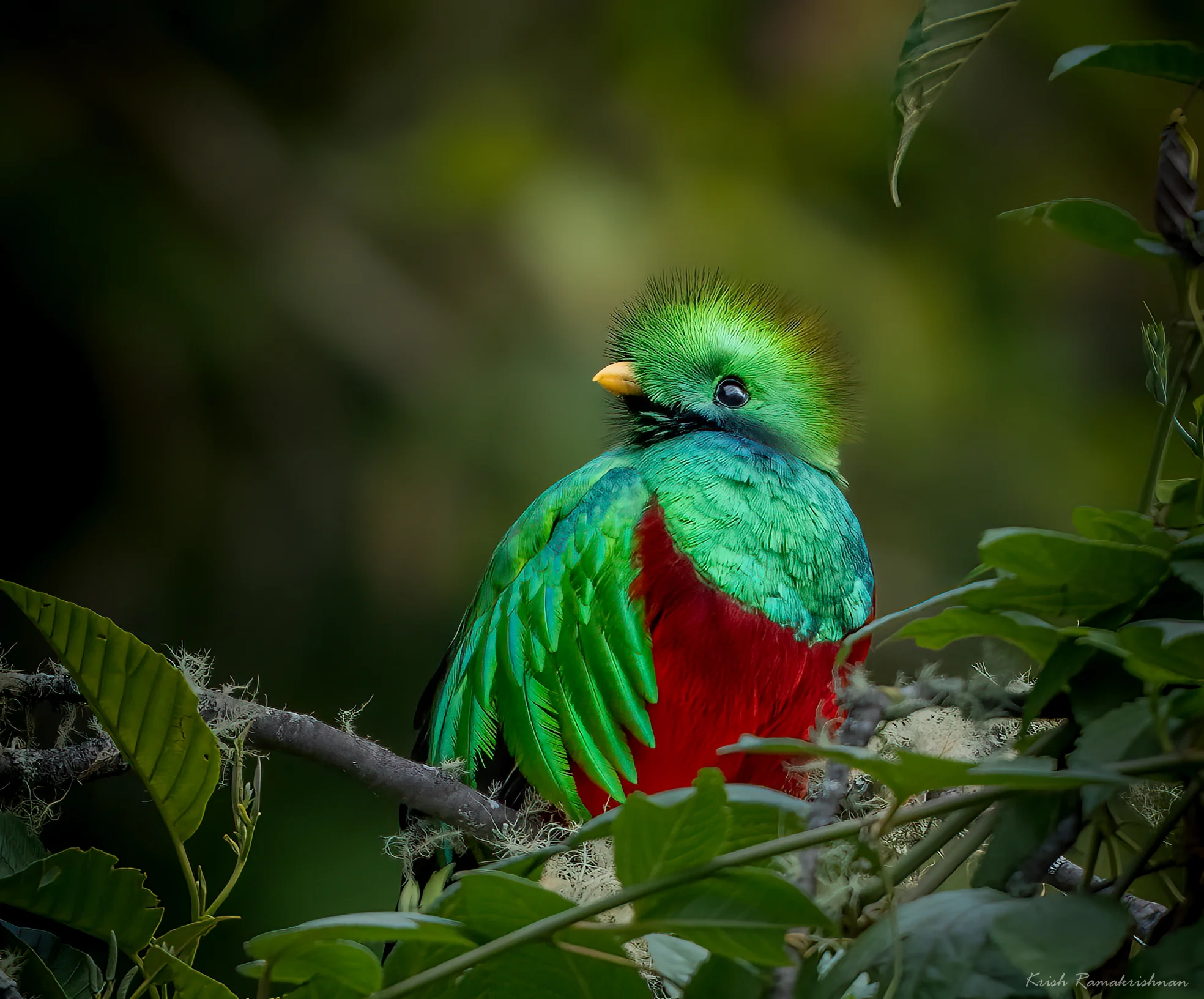
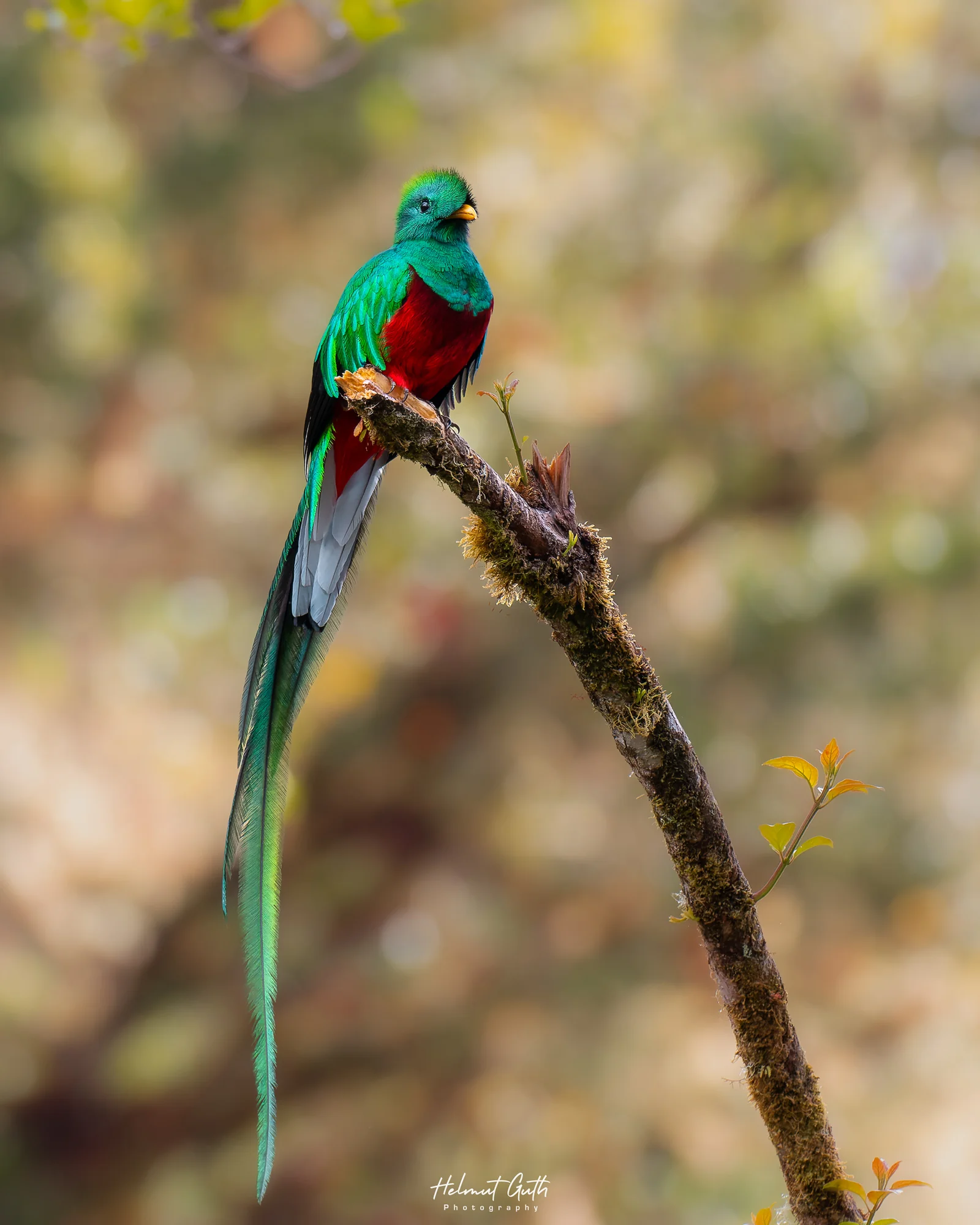
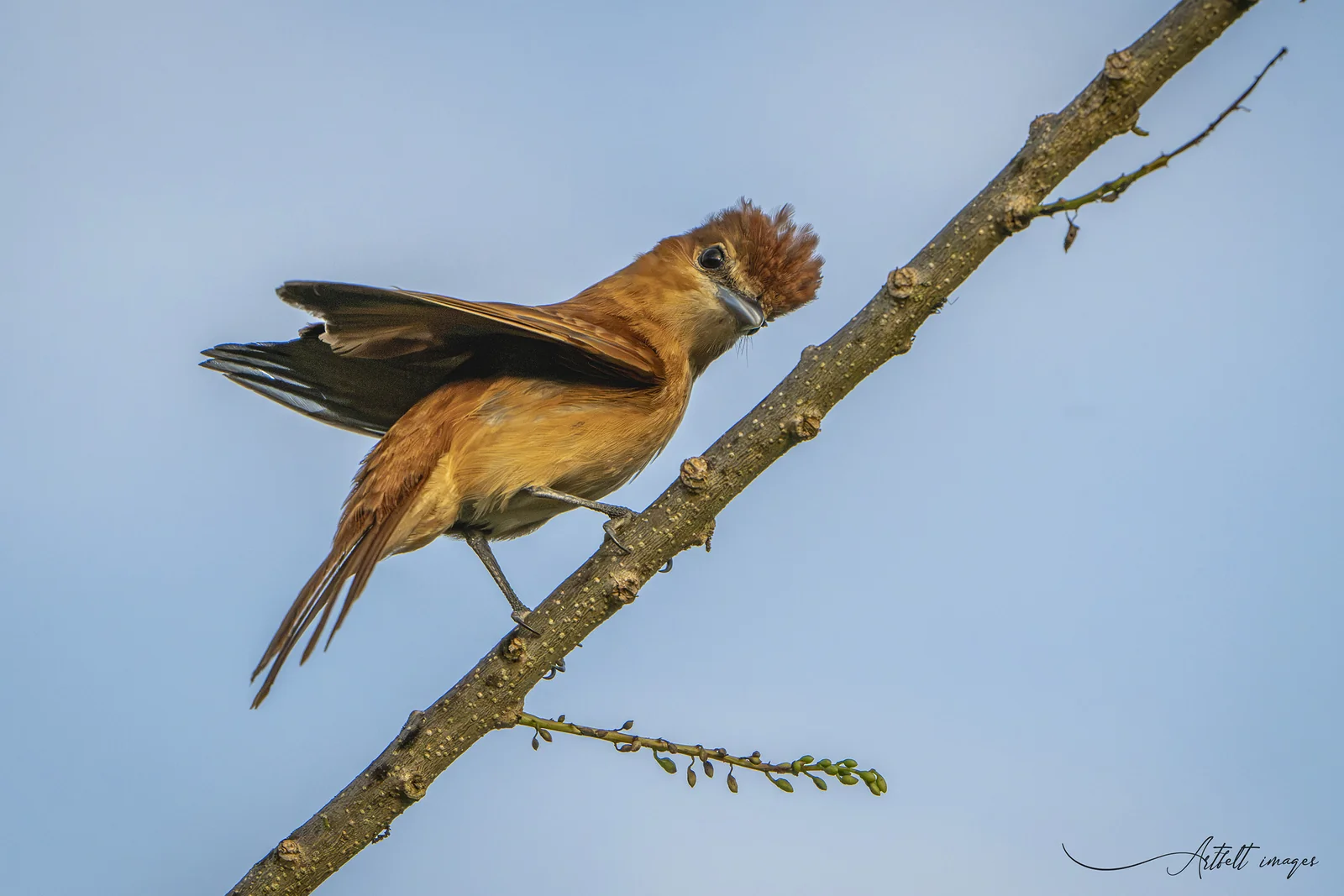
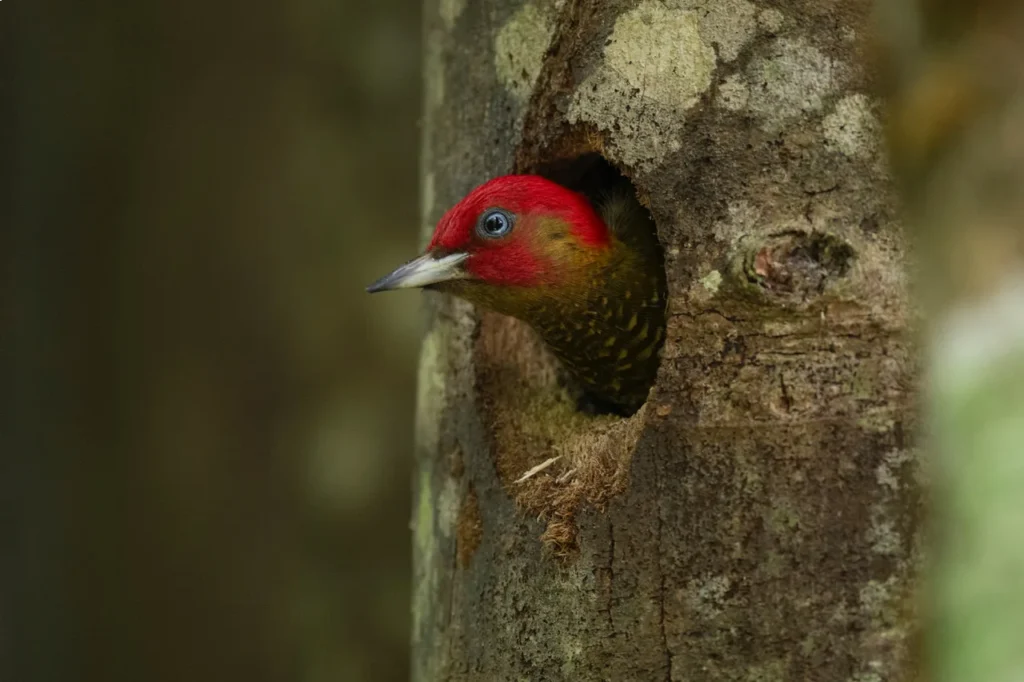
What remains is a different kind of clarity. April and May become an ideal time to concentrate on Costa Rica’s resident and endemic species, the birds that truly define each ecosystem. Without the constant turnover of migrants, there is space to slow down and spend more time with species that are sometimes overshadowed during peak winter months.
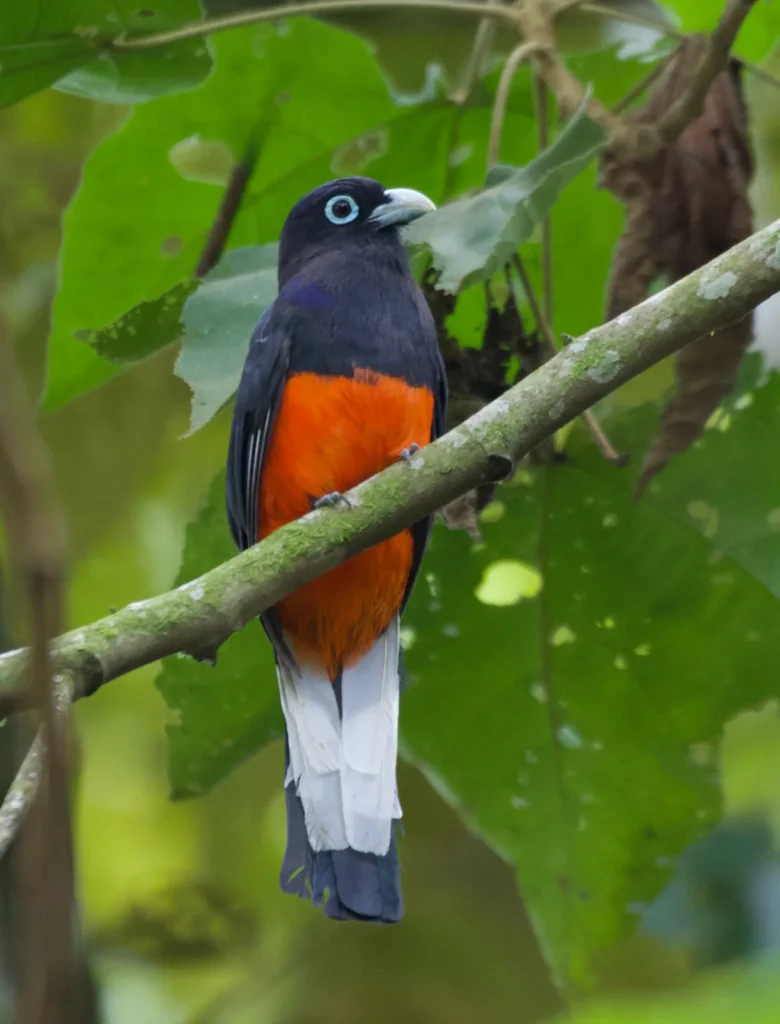
These months also allow for thoughtful, countrywide itineraries. The Pacific begins to green without yet entering its heaviest rains, while the Caribbean often remains stable. National parks, private reserves, and lodges tend to be less crowded than in high season, creating a quieter, more rewarding experience on the trails.
Costa Rica offers excellent birding year-round. But April and May provide a rare balance: favorable conditions across regions, revitalized landscapes, and the opportunity to focus deeply on the resident birds that give each life zone its character.
Costa Rica’s Sweet Spot for Birding and Photography
Get a Free Quote
See Most Recent Posts
Trip Report: Tracking the Trogons, Costa Rica Birding in January
Ten birders, 11 days, 319 species and six of Costa Rica’s nine trogons. The full trip report from Tracking the…

Birding San Gerardo de Dota: Quetzals, Highland Birds and How
San Gerardo de Dota is Costa Rica’s quetzal valley. How to get there, where the guides find Resplendent Quetzals, the…

How Much Does a Costa Rica Birding Tour Cost? What
A Costa Rica birding tour with Costa Rica Focus typically costs $3,400 to $7,400 per person for 8 to 11…