Spring Bird Migration in Costa Rica: What to Expect
Discover how spring migration unfolds in Costa Rica—from Swainson's Hawks to nocturnal songbirds. Learn the best times and places to witness this hemispheric event.
When Migration Begins: Early Signs of Spring in Costa Rica
Spring migration in Costa Rica does not begin with a dramatic wave of movement. It begins with absence. Ask most experienced Costa Rican birding guides what signals the start of northbound migration, and many will give the same answer: the Swainson’s Hawk.
Swainson’s Hawks pass through Costa Rica in impressive numbers during migration and smaller numbers linger through the northern winter. By February, however, they begin moving north again. Their departure from open agricultural fields and dry forest edges is often one of the first reliable indicators that migration has begun. One week they are part of the landscape. The next, they are noticeably fewer. Soon after, they are gone.
That disappearance marks the first shift in a much larger hemispheric movement. An incredible 243 species of birds will leave Costa Rica’s lush forests and gardens and travel north to take advantage of food territory.
Types of Migratory Birds in Costa Rica
Not all migratory birds use Costa Rica in the same way. Understanding these categories helps explain why the early signs of migration are gradual rather than dramatic.
Transient Migrants
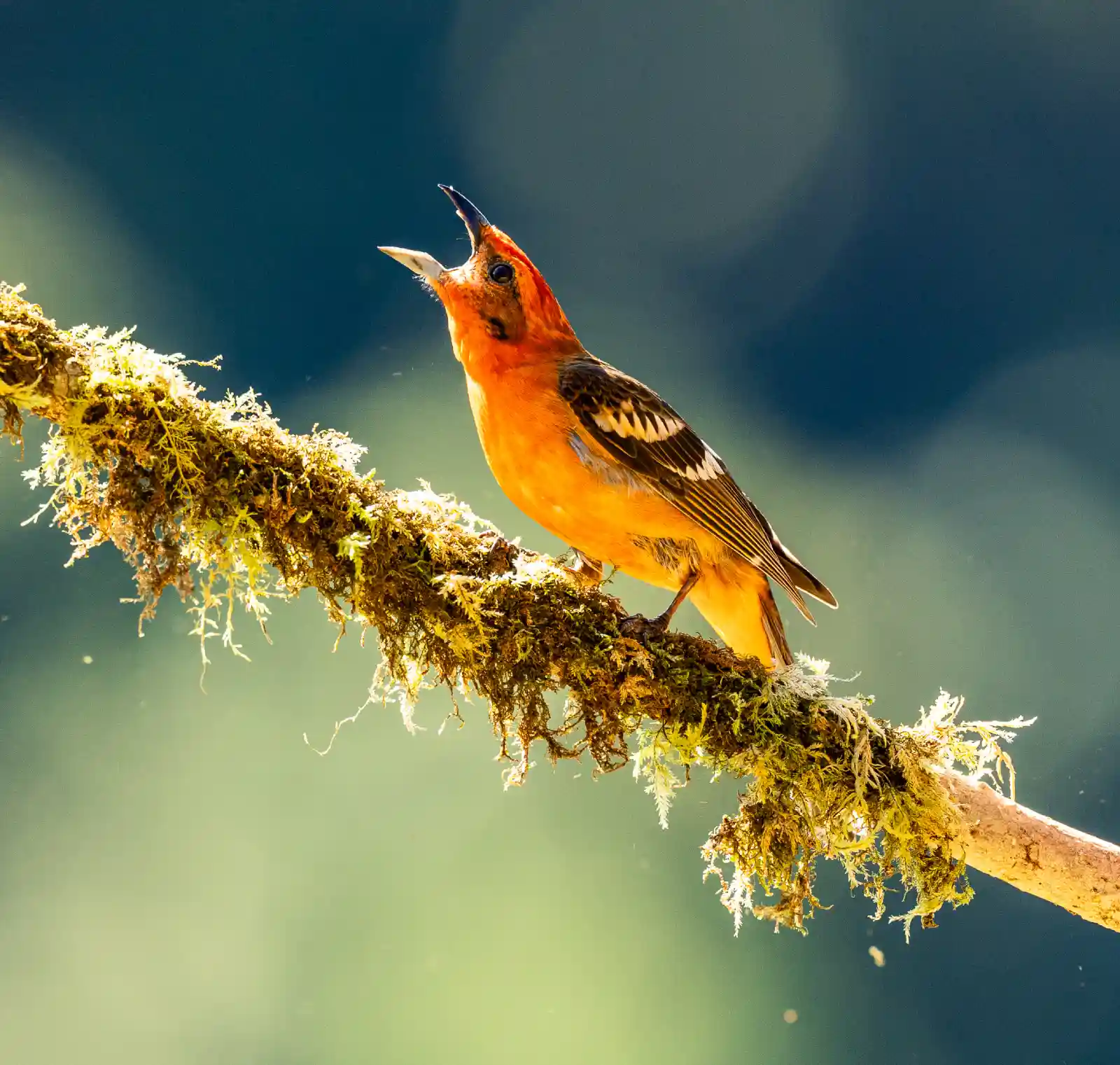
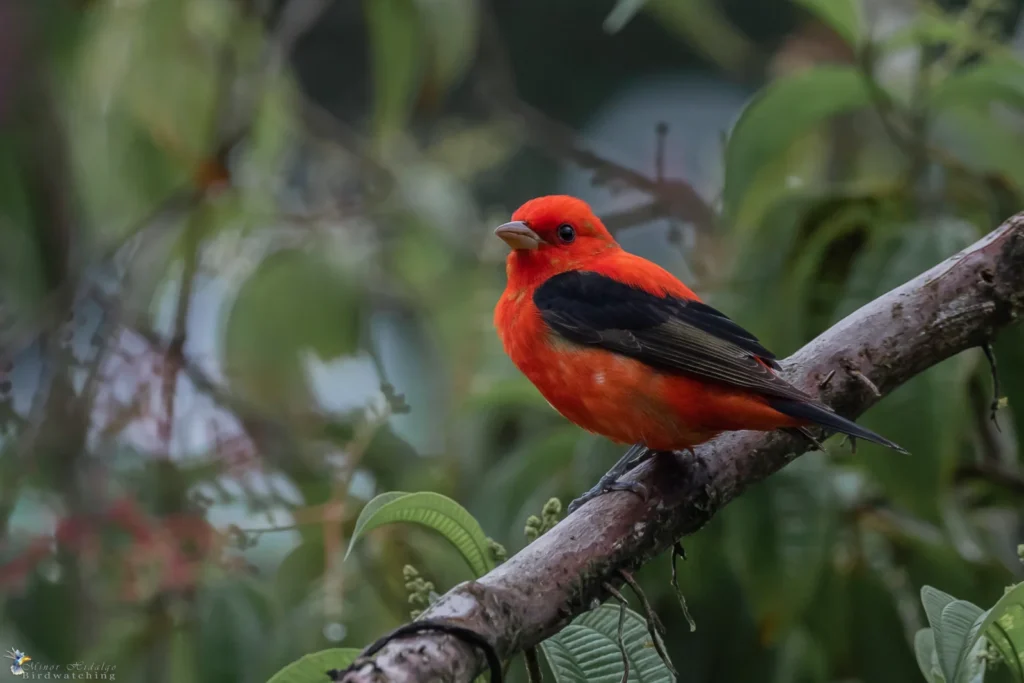
Some species are transient migrants. These birds use Costa Rica briefly as a stopover site while traveling between North and South America. The Scarlet Tanager is a classic example during spring passage. Brilliant males may appear in foothill forests and forest edges for only a short time, refueling before continuing north. They do not settle for the season they are simply passing through.
Winter Residents
Others are winter residents. These species arrive in Costa Rica between September and October and remain through March or April. Indigo Buntings and Painted Buntings are familiar examples, often found in open areas, gardens, and scrubby edges. They establish winter territories and adapt to local food sources, becoming part of the daily rhythm of the landscape for months at a time. When migration begins in late February and March, it is primarily these winter residents that start to show behavioral changes. Increased vocalization, heightened feeding activity, and subtle plumage brightening as breeding condition approaches all precede departure.
Raptors and Shorebirds: The First Visible Migrants
Raptors and shorebirds are often the first obvious indicators of migration for another reason: they migrate during the day. Many raptors rely on thermals, rising columns of warm air, to conserve energy during long-distance flights. As temperatures rise toward the end of the dry season, thermals strengthen. Swallow-tailed Kites, Mississippi Kites, and other soaring species begin moving north, often in visible kettles. Careful observers scanning the sky during mid-morning hours may witness this passage.
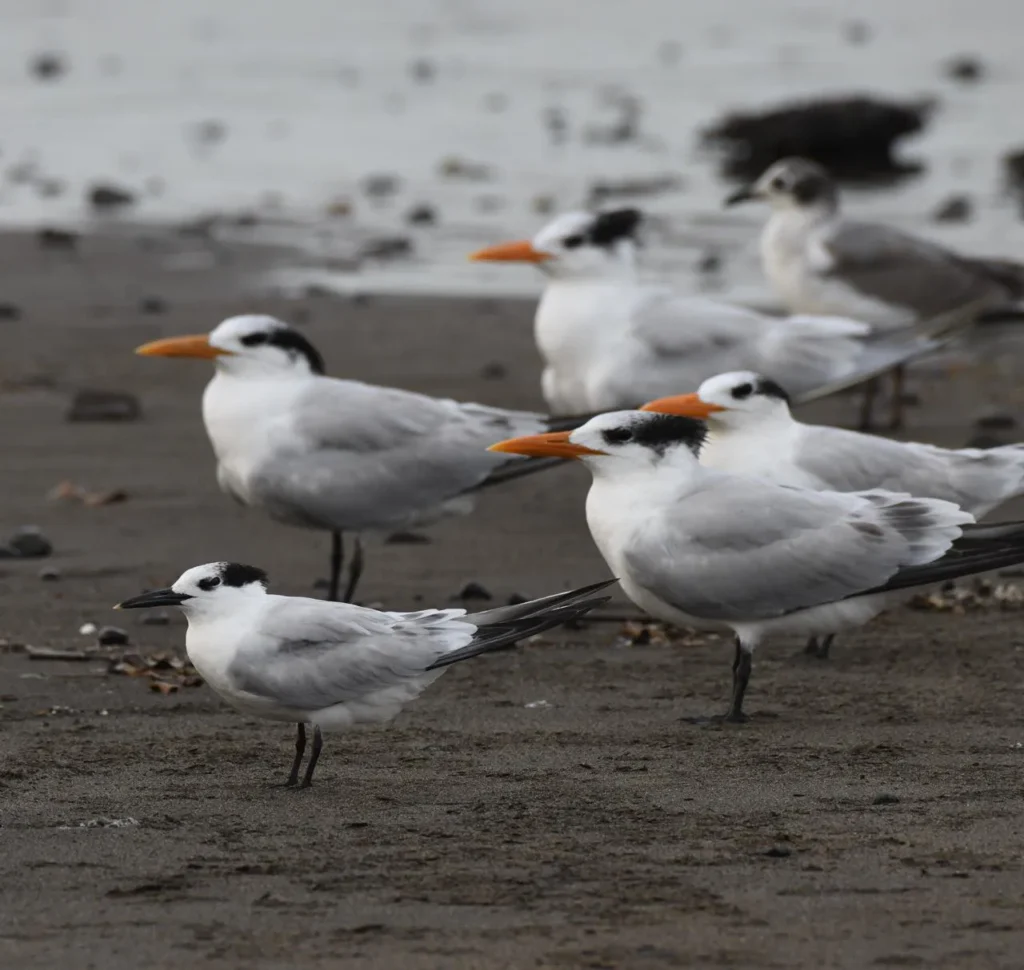
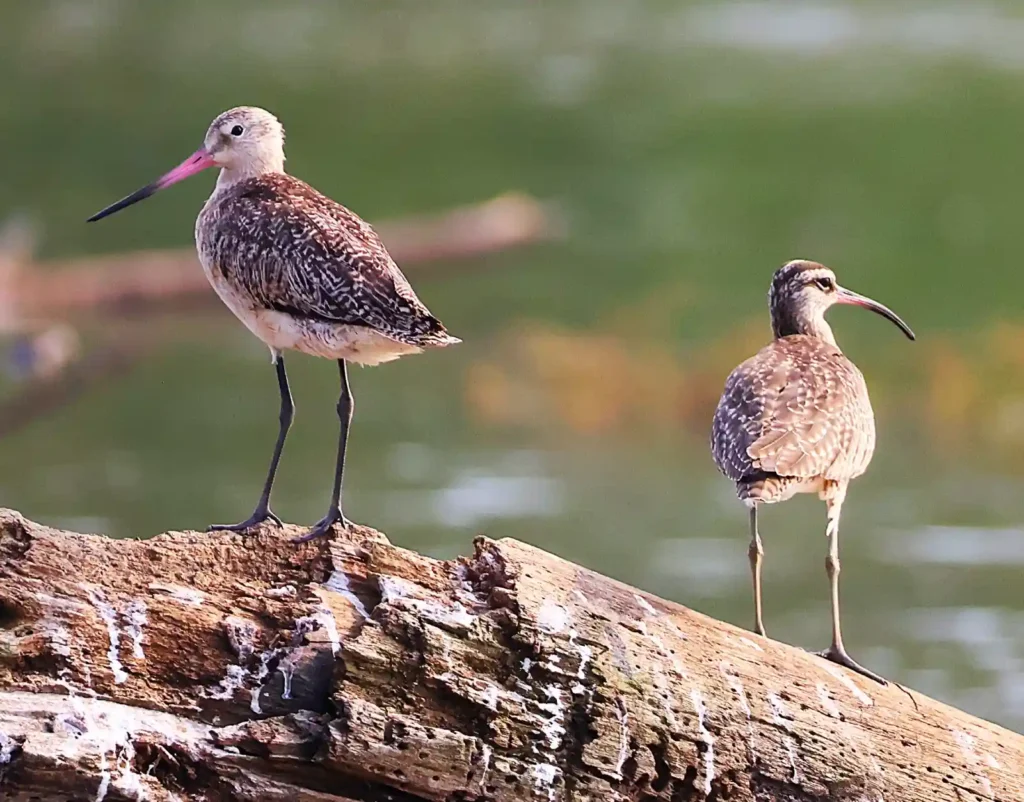
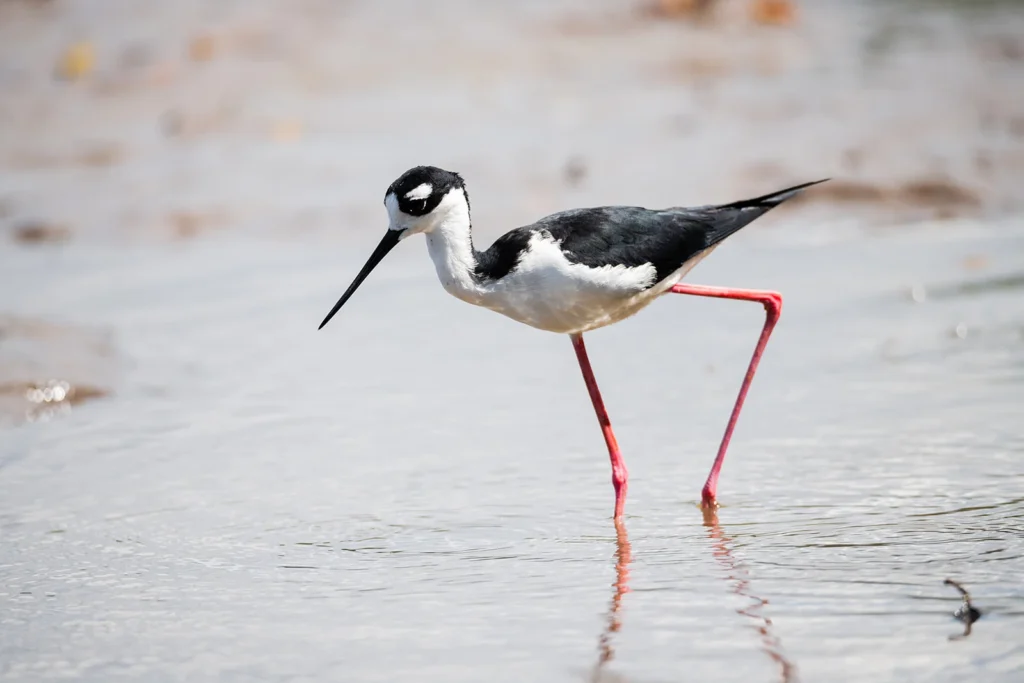
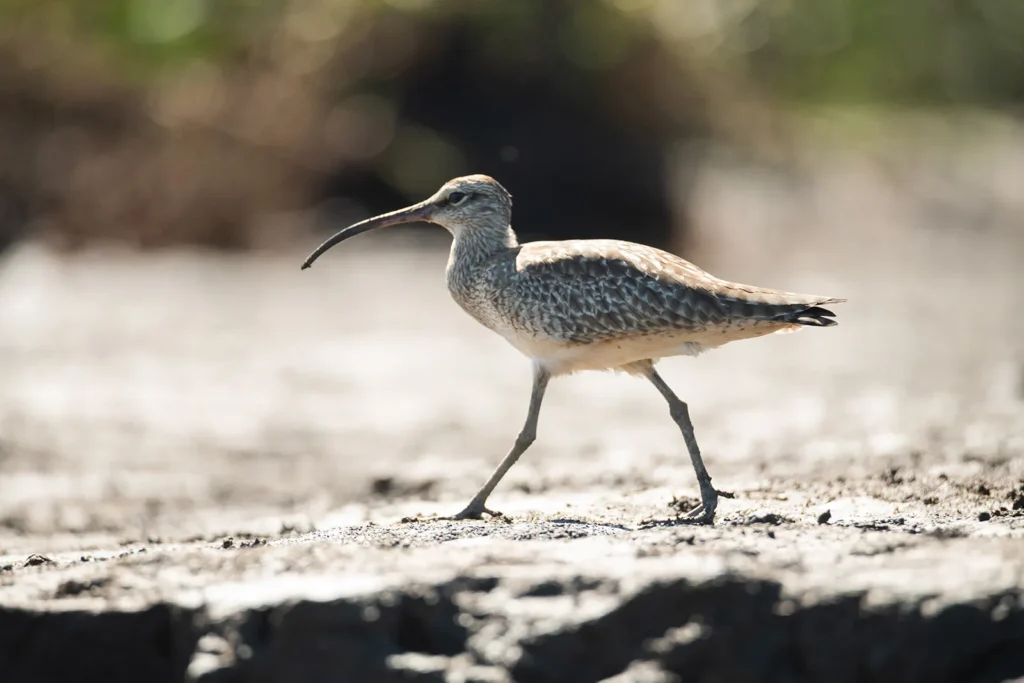
Shorebirds also migrate primarily during daylight, especially along coastlines and wetlands. By March, certain wintering shorebirds begin thinning out as they prepare for long journeys to breeding grounds in North America and beyond. Estuaries and mudflats subtly change as turnover occurs. Because their movements are visible, raptors and shorebirds often provide the first tangible clues that migration is underway. Visiting Palo Verde or Cano Negro in Costa Rica, during migration can be an amazing experience. These marshy habitats provide food sources for birds on the move.
Best birding spots to witness spring migration movement:
- Palo Verde National Park — a great wetland birding destination during migration
- Caño Negro Wildlife Refuge — marshy habitats provide critical food sources for birds on the move
The Hidden Migration: Songbirds and Hummingbirds at Night
In contrast, most songbirds and hummingbirds migrate at night. Under the cover of darkness, millions of birds lift off and move northward while we sleep. They navigate using celestial cues, geomagnetic orientation, and atmospheric conditions. By dawn, they settle again to rest and refuel. This nocturnal behavior explains why there is no dramatic, visible exodus from Costa Rica’s forests. One morning a wintering warbler or bunting is present; the next morning, it is simply absent. The forest does not erupt in departure. It shifts gradually.
Subtle Behavioral Signs Migration Is Underway
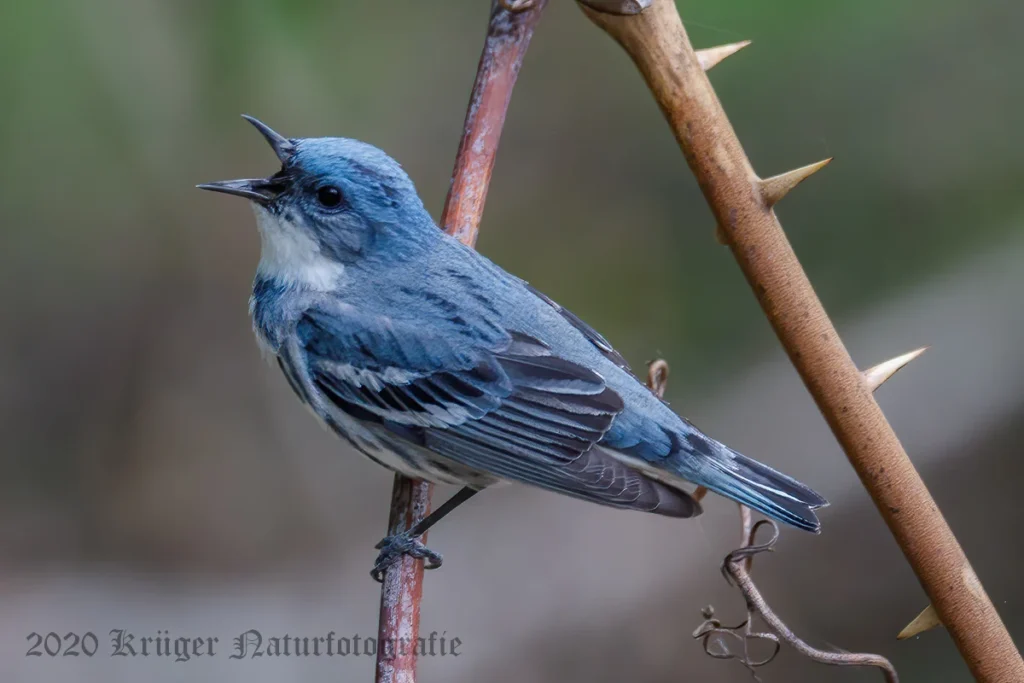
Before leaving, winter residents often exhibit clear physiological and behavioral changes. They accumulate fat reserves, increase feeding rates, and in some cases begin practicing fragments of breeding songs. Mixed flocks may feel more restless. Individuals appear sharper in plumage as breeding conditions approaches. A Blackburnian Warbler’s throat may seem more vivid. A Louisiana Waterthrush calls more frequently along a forest stream. These are small but meaningful signals that internal clocks are advancing.
- Increased fat accumulation and higher feeding rates
- Fragments of breeding songs begin to appear
- Mixed flocks become more restless
- Plumage sharpens as breeding condition approaches
A Blackburnian Warbler’s throat may appear more vivid than it did in December. A Louisiana Waterthrush calls more frequently along forest streams. These are small but meaningful signals that internal clocks are advancing.
Best Time to Go Birding in Costa Rica for Spring Migration
Late February through March is one of the most dynamic periods to bird in Costa Rica. Activity increases in the early morning hours, plumages look especially crisp, and the forest carries a quiet sense of urgency as birds prepare for their journey north.
For birders seeking both resident species and the added excitement of migration in progress, this window offers a rare combination: peak dry season accessibility, excellent light, and a landscape in visible transition..
Costa Rica’s Role in Hemispheric Bird Migration
Costa Rica is not merely a destination in this story, it is a critical winter refuge within a hemispheric migration system. The forests, foothills, wetlands, and agricultural edges that birders explore in late dry season are part of a vast ecological network linking two continents. When Swainson’s Hawks disappear from open fields, when shorebirds begin thinning from estuaries, and when Indigo and Painted Buntings grow suddenly more active, these are not isolated events. They are pieces of a continental movement unfolding in stages.
Migration does not arrive loudly. It begins with absence — with subtle behavioral shifts, raptors rising on thermals, and nocturnal songbirds slipping quietly into the night.
For those who slow down and observe carefully, the first signs are there, in the sky, in the estuaries, and in the changing voices of the forest.
Spring Bird Migration in Costa Rica: What to Expect
Get a Free Quote
See Most Recent Posts
How to Choose a Birding Tour Company in Costa Rica
Guides, group size, local knowledge, flexibility and in-country support matter more than the itinerary. What to look for and what…

The Agami Heron: Where to See Costa Rica’s Most Elusive
The Agami Heron is one of Costa Rica's most striking and elusive wetland birds. Where to see it, when to…

Birding in Costa Rica in May: Weather, Bird Activity, and
May is a strong month for birding in Costa Rica — breeding activity, soft photography light, quiet reserves, and better…