Why slowing down makes you a better birder in Costa Rica
Rushing through Costa Rica's rainforest means missing the birds. Learn why the slowest walkers see the most species, and how to apply it on your next birding trip.
Costa Rica has a way of making even experienced birders move too fast.
You step onto a rainforest trail and everything feels alive at once; sounds coming from every direction, flashes of movement in the canopy, unfamiliar calls layered over the steady hum of insects. There’s a natural instinct to chase each sound, to move quickly toward the next rustle, to “cover ground” in hopes of seeing more species.
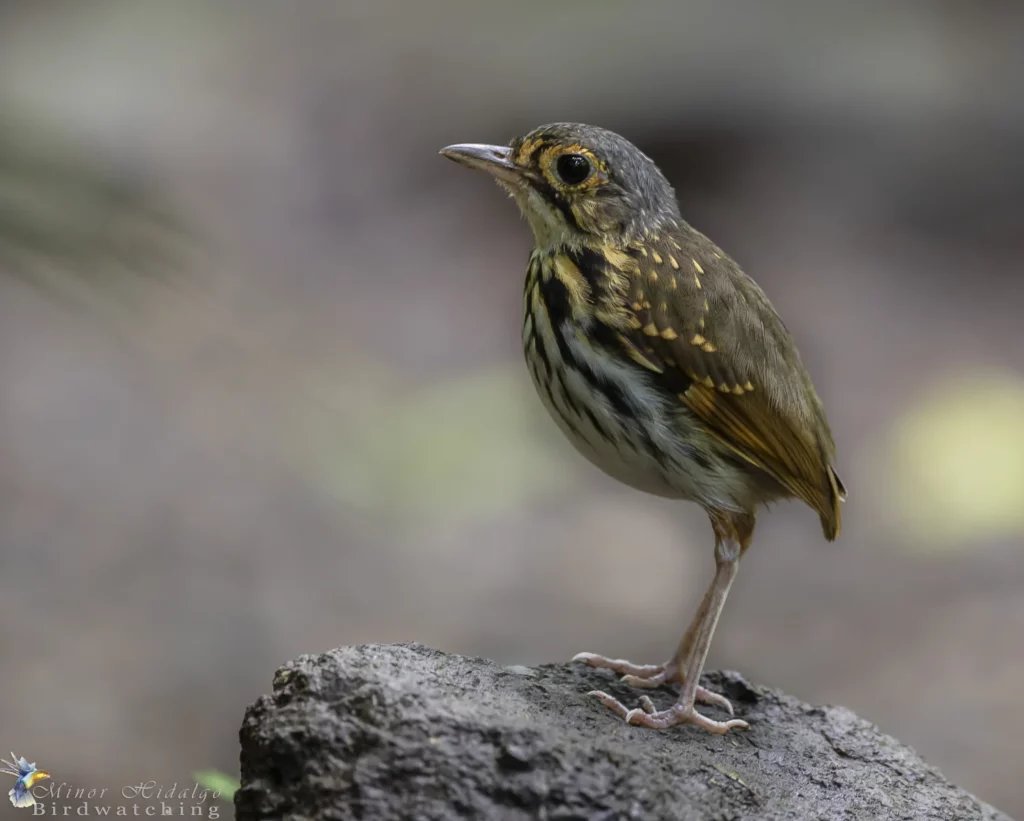
But here’s the truth that many first-time visitors learn quickly: In Costa Rica, the best birders are often the slowest walkers.
The Illusion of Covering Ground
In temperate regions, walking several miles can produce a long list of sightings. But tropical birding works differently. The forest is dense. Visibility is limited. And birds are often moving in structured patterns, especially in mixed-species flocks. If you rush, you often walk straight past the action.
I’ve watched it happen countless times. A group moves steadily down a trail, scanning actively but constantly progressing forward. Ten minutes later, someone realizes that the forest just went quiet. They’ve walked through the flock without realizing it.
In Costa Rica’s rainforest, birds are not always “ahead” of you. Often, they are above you, beside you, or circling back behind you. Slowing down changes everything.
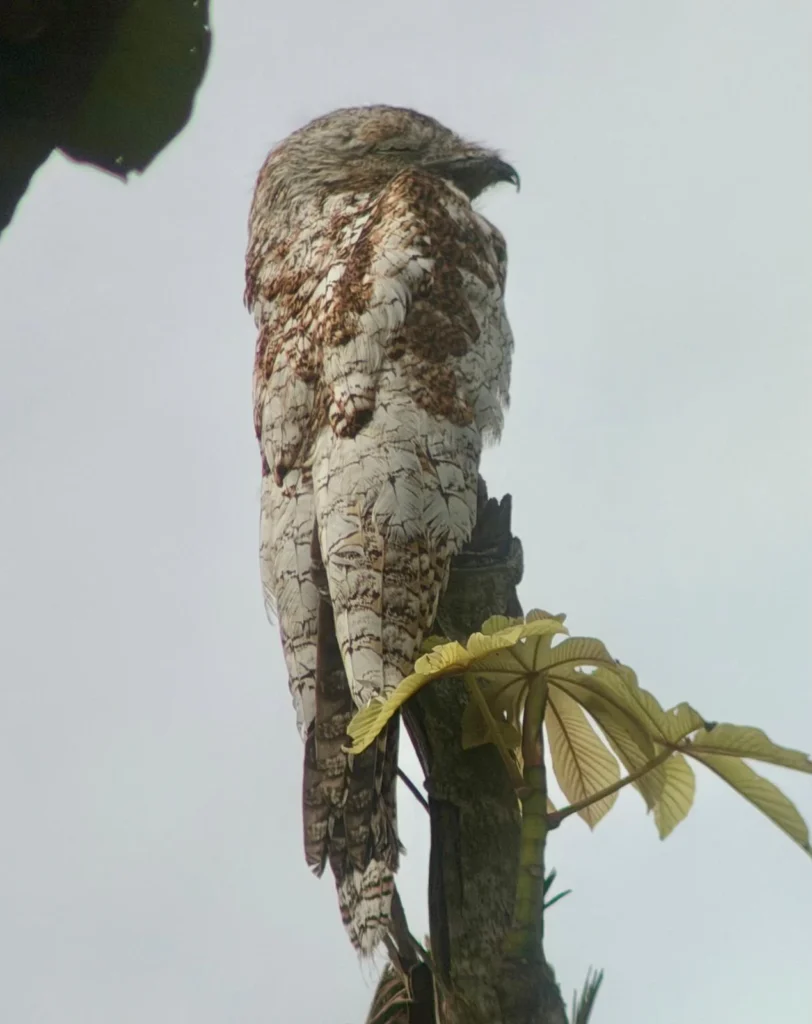
How to Find Mixed Flocks in Costa Rica’s Rainforest
Mixed flocks are one of the most exciting and dynamic experiences in tropical birding. Tanagers, woodcreepers, flycatchers, antwrens, and sometimes even trogons or motmots may all move together in loose association, but flocks announce themselves subtly. You might hear a thin contact call first , a high, repetitive “tsee” or a soft trill. Then a slight tremble in the mid-story foliage. A branch moves, but there’s no wind. A flicker of color passes between leaves. Those are the first clues. If you’re walking quickly, you miss them. If you stop, really stop, the forest begins to reveal its layers.

Bird calls become directional. Movement becomes patterned. Suddenly you realize the flock is building around you, not passing in front of you.
Walking Slowly Is Not Just About Pace
Slowing down doesn’t simply mean shorter steps. It means changing your mindset. Instead of asking, “What’s next?”, you begin asking, “What’s happening right here?” It means pausing every few minutes. Listening. Looking up before looking ahead. Watching a tree for 60 seconds instead of three. Many rainforest birds move deliberately but not dramatically. A Buff-throated Foliage-gleaner won’t fly across an open clearing to announce itself. A White-throated Shrike-Tanager may sit quietly at eye level, almost blending into bark, waiting for you to notice. When you slow down, your eyes adjust. Your hearing sharpens. Your awareness widens.
Birds Come to You
One of the most surprising lessons in Costa Rica is that birds often approach curious but calm observers. If you remain still, mixed flocks may pass directly overhead. Antbirds sometimes hop into view. Hummingbirds return to the same flowering branch again and again. Even shy species respond to patience. Standing quietly for five minutes can produce more sightings than walking for twenty. It feels counterintuitive at first. But tropical forest birding rewards stillness.

Sound Is Your First Tool
In Costa Rica, especially in the rainforest and foothills, sound often precedes sight by several seconds, sometimes by several minutes.
You may not immediately recognize every call. That’s normal. But you can train yourself to notice:
- Repeated thin contact notes
- Sudden bursts of chatter
- Subtle wing flicks or leaf rustling
- The abrupt quiet that follows a raptor overhead
When the forest shifts, something is happening. Slowing down gives you time to interpret those shifts.
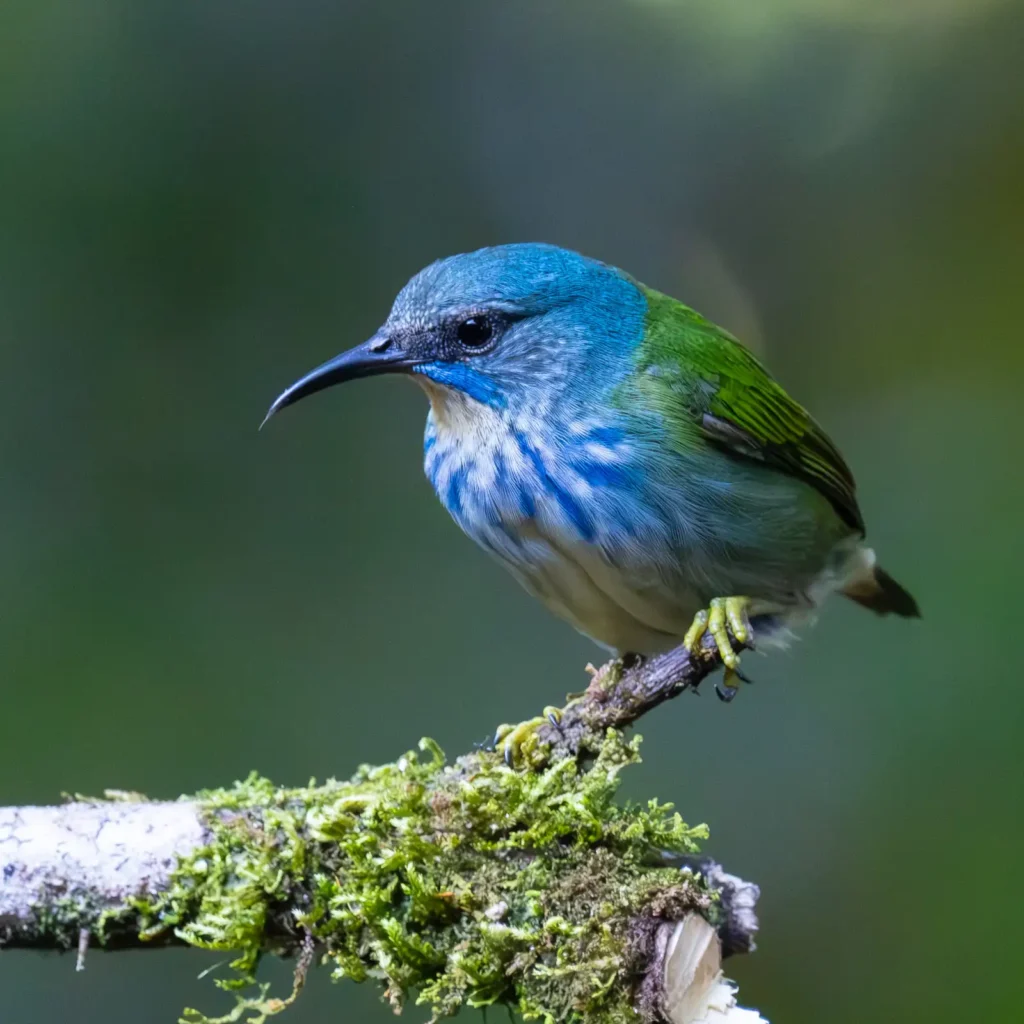
The Photography Bonus
For photographers, the benefits of slowing down are even more obvious. Rushing often means arriving just as a bird disappears behind foliage. But if you position yourself calmly and allow the forest to reset, birds frequently return to exposed perches. Many of the best images in Costa Rica are captured not by chasing birds, but by anticipating where they will reappear. Patience improves composition. It improves light. It improves your odds.

Slower Is Smarter
Costa Rica is incredibly species-rich. It’s tempting to think that moving faster means seeing more. Tropical birding is less about distance and more about awareness.
When you slow down:
- You detect mixed flocks earlier.
- You avoid walking past perched birds.
- You give shy species time to reveal themselves.
- You notice subtle movement in the canopy.
- You reduce fatigue, mental and physical.

You also enjoy the experience more. The forest is layered and complex. The soundscape alone is worth absorbing. When you stop trying to conquer it and instead allow it to unfold, your list grows naturally. The most productive birding sessions in Costa Rica can involve surprisingly little walking. Instead try standing quietly along a forest edge, listening near a fruiting tree, or waiting beside a small stream. It may feel slower, but the results speak for themselves. The rainforest rewards those who pay attention and in Costa Rica, attention begins with slowing down.
Why slowing down makes you a better birder in Costa Rica
Get a Free Quote
See Most Recent Posts
Birding in Costa Rica in May: Weather, Bird Activity, and
May is a strong month for birding in Costa Rica — breeding activity, soft photography light, quiet reserves, and better…

From 50 Lifers to Life long Memories
A family birding trip through Caño Negro, Sarapiquí, and Savegre logged 51 lifers and 257 species in 12 days —…

Planning Your First Birding Trip to Costa Rica: What You
If you’re planning your first birding trip to Costa Rica, you’re in for something special. With over 930 recorded species…