
La Selva Biological Station

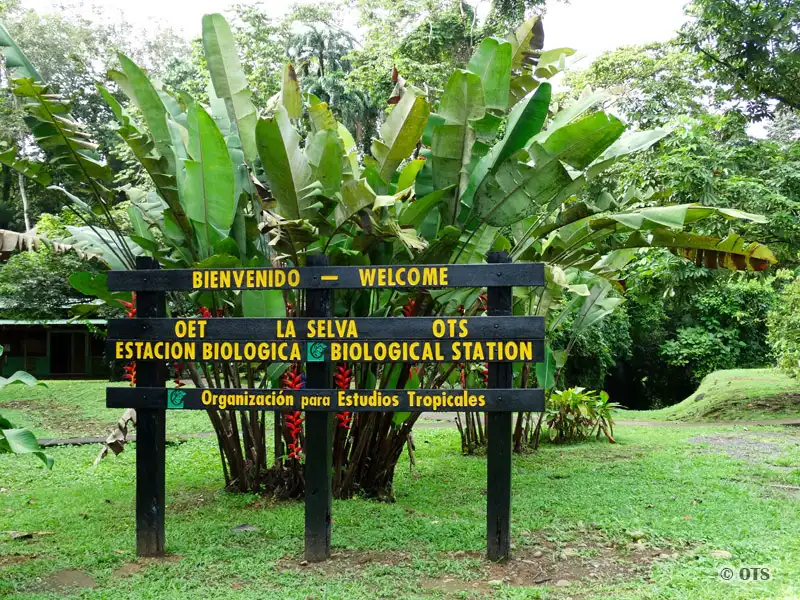
La Selva was originally established in 1954 by Dr. Leslie Holdridge as a farm dedicated to experimentation on mixed plantations for the improvement of natural resources management. It was purchased in 1968 by the Organization for Tropical Studies and declared a private biological reserve and station. Since then, it has become one of the most…

What to Expect During Your Stay at the La Selva Biological Station...

Rooms and Amenities

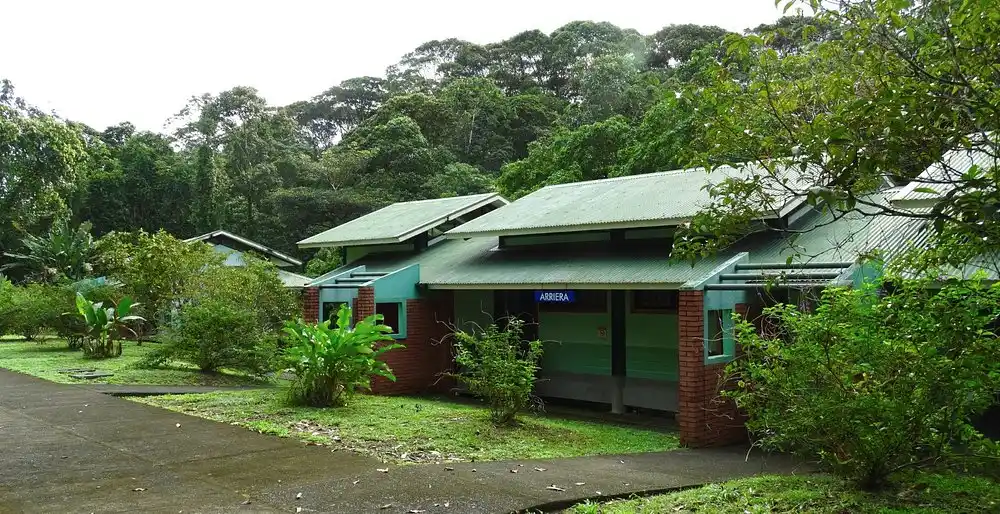
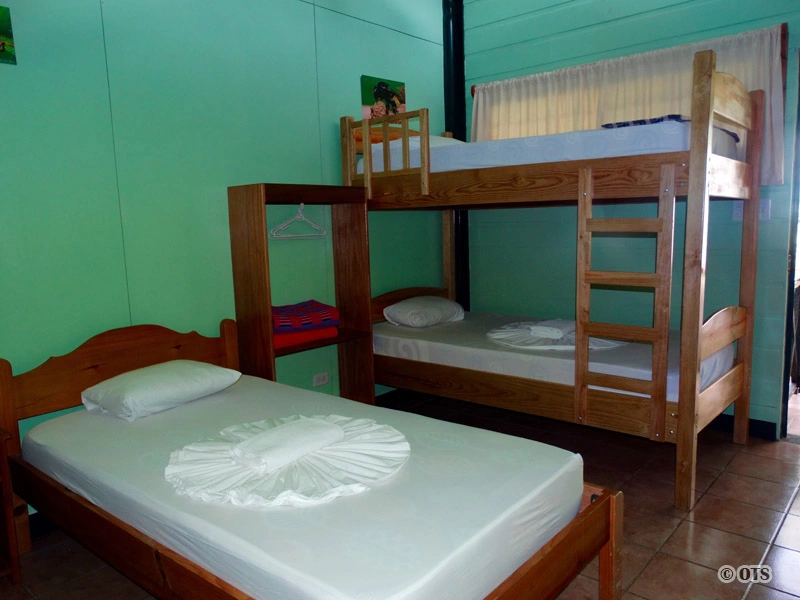
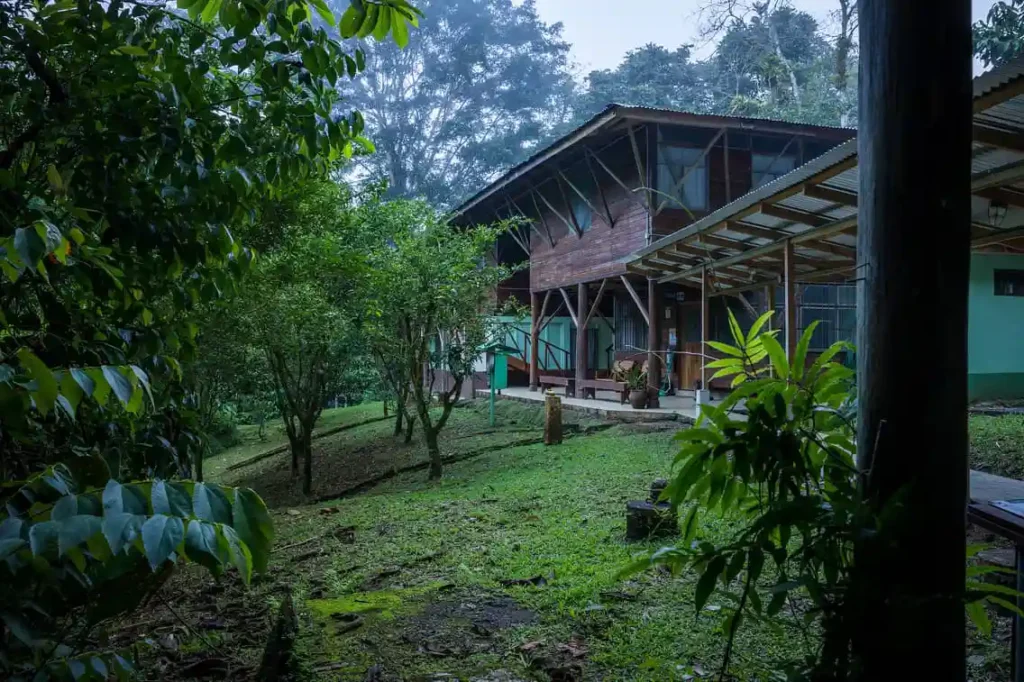
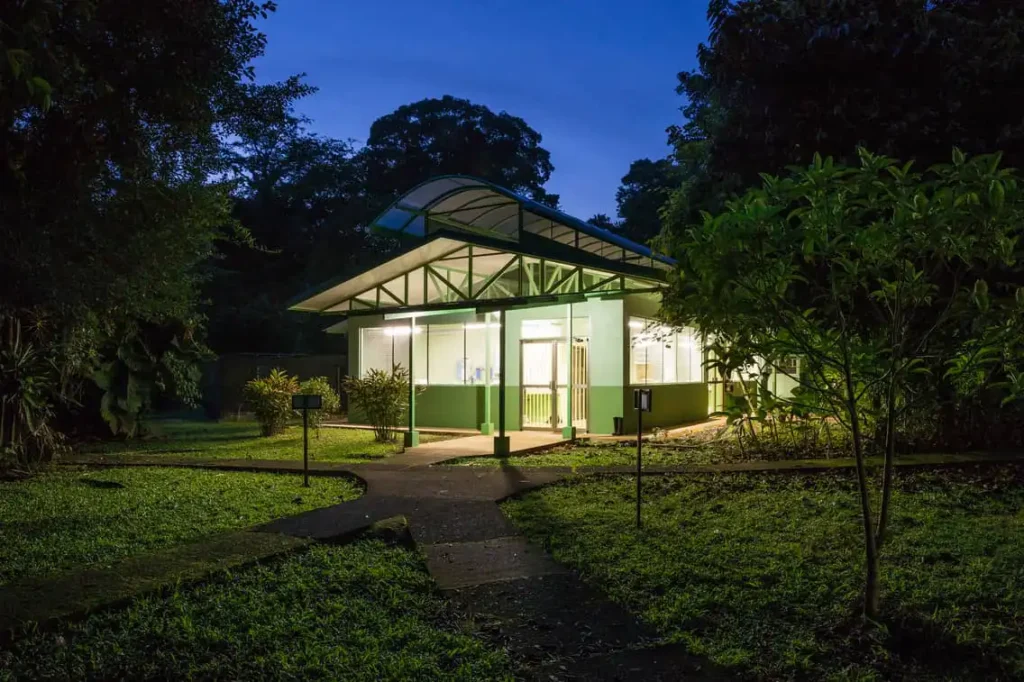
Accommodations are simple and functional, designed for researchers, students, and visiting birders. Rooms include private or shared bathrooms, ceiling fans, and desks. While not a luxury lodge, La Selva offers comfortable beds, hot water, and screened windows to keep out insects. Meals are served buffet-style in the dining hall, featuring local and international dishes. Vegetarian and special dietary needs can be accommodated with advance notice.

Birding on the Property

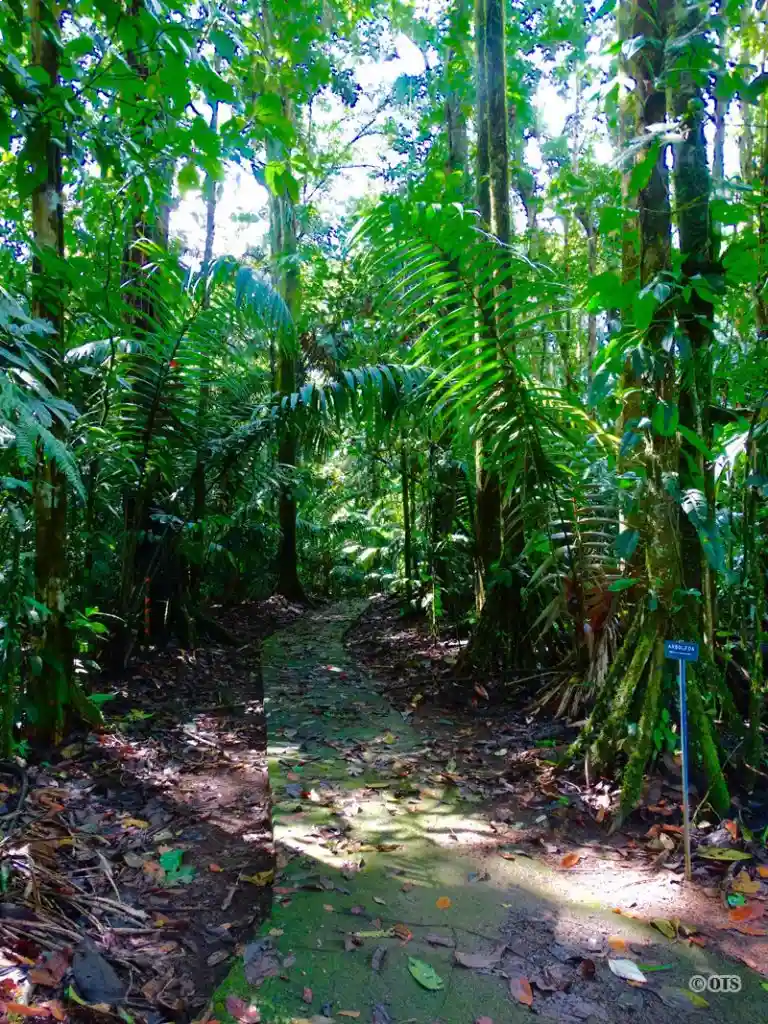
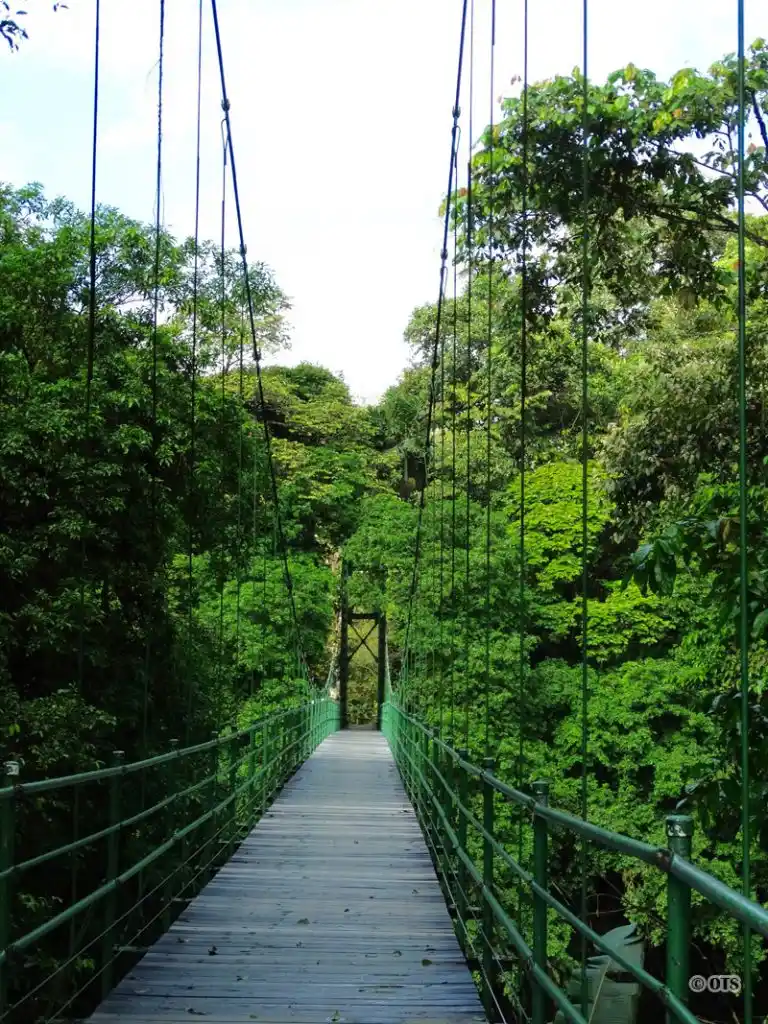
Over 50 km of well-marked trails wind through primary and secondary rainforest, swamps, and along the Sarapiquí River. Birding is possible right outside the dining hall, along forest edges, and on riverbanks. Bridges and covered observation spots offer excellent opportunities in all weather. Local guides are available for birding walks and photography sessions.

Other Activities Available

Guests can join guided natural history walks, night tours, or lectures on tropical ecology. The station also offers boat trips on the Sarapiquí River and visits to nearby reserves.

La Selva Biological Station

Travel & Logistics

  1. Conservation Initiatives

    Managed by the Organization for Tropical Studies (OTS), La Selva is a leader in tropical research and conservation. It serves as a living laboratory for scientists from around the world and plays a key role in protecting critical lowland rainforest.

  2. How to Get There

    Located just outside Puerto Viejo de Sarapiquí, La Selva is about 2 hours from San José by paved road. While it feels remote, it’s easy to access for day visits or overnight stays.

  3. Seasonal Notes

    Birding is productive year-round. The location is excellent for Great Green Macaws and Snowy Cotingas. The slight dry period from August–November can make trails a bit more comfortable for photography.

  4. Best Times to Visit

    Any time of year. August–November can be slightly drier and ideal for photography, while December–April offers lush conditions and high bird activity.

A Few More Notes on La Selva Biological Station

La Selva was originally established in 1954 by Dr. Leslie Holdridge as a farm dedicated to experimentation on mixed plantations for the improvement of natural resources management. It was purchased in 1968 by the Organization for Tropical Studies and declared a private biological reserve and station. Since then, it has become one of the most important sites in the world for research on tropical rainforest. Over 240 scientific papers are published yearly from research conducted at the site.

La Selva Biological Station is a rustic lodge that still acts as a research station for scientists and students. All rooms have fans, comfortable beds, and hot water. The main lodge has a large dining area, a porch with rocking chairs to relax and watch the birds moving through the garden, and a small gift store with snacks and basic needs.

The accommodations are basic but the location and forest make up for the lack of luxury amenities. La Selva is one of the most vibrant areas of the country for plants, birds, and wildlife. Enjoy the trails, and the central lodge (where your meals are served); you will be completely immersed in nature.

La Selva Biological Station

Get a Free Quote