Costa Rica Christmas Bird Count 2025
Costa Rica’s 2025–26 Christmas Bird Count marks the CBC’s 125th year, with early results from Coto Brus, Arenal, and past standout counts.
The Christmas Bird Count (CBC) is the longest-running community science project in the Western Hemisphere, and in 2025 it marks its 125th year. What began in 1900 as a conservation-minded alternative to holiday “side hunts” has grown into a coordinated effort involving tens of thousands of volunteers across the Americas.
Each year, participants survey birds within fixed geographic circles during a defined window from mid-December through early January, following protocols that have remained consistent for more than a century. That continuity makes CBC data uniquely valuable for tracking long-term population trends.
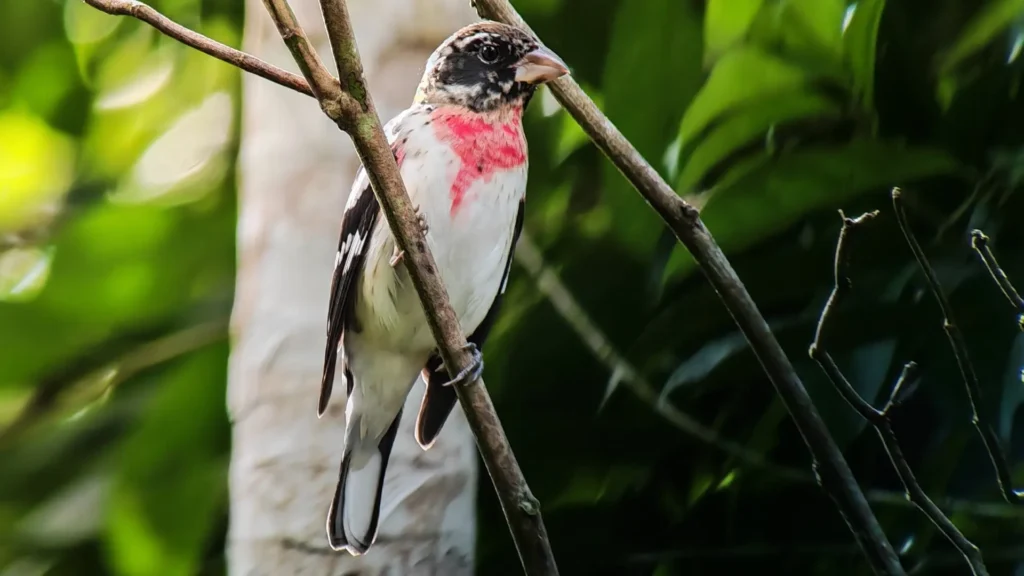
A boreal migrant and regular CBC species in Costa Rica, showing its pink-red breast during the northern winter, spotted during this year’s Arenal / La Fortuna CBC.
Why the Christmas Bird Count Matters
CBC data is now widely used by researchers, conservation organizations, and policymakers to understand:
- Long-term population changes
- Habitat loss and land-use impacts
- Climate-related shifts in bird distribution
- The effectiveness of conservation actions
Just as important, the CBC remains a social tradition. It brings together experienced birders, professional guides, students, families, and first-time participants through shared fieldwork and local knowledge. While the geographic scope has expanded dramatically — including hundreds of counts across Latin America and the Caribbean — the core idea remains the same: careful observation and collective effort in service of bird conservation.
Costa Rica and the Christmas Bird Count
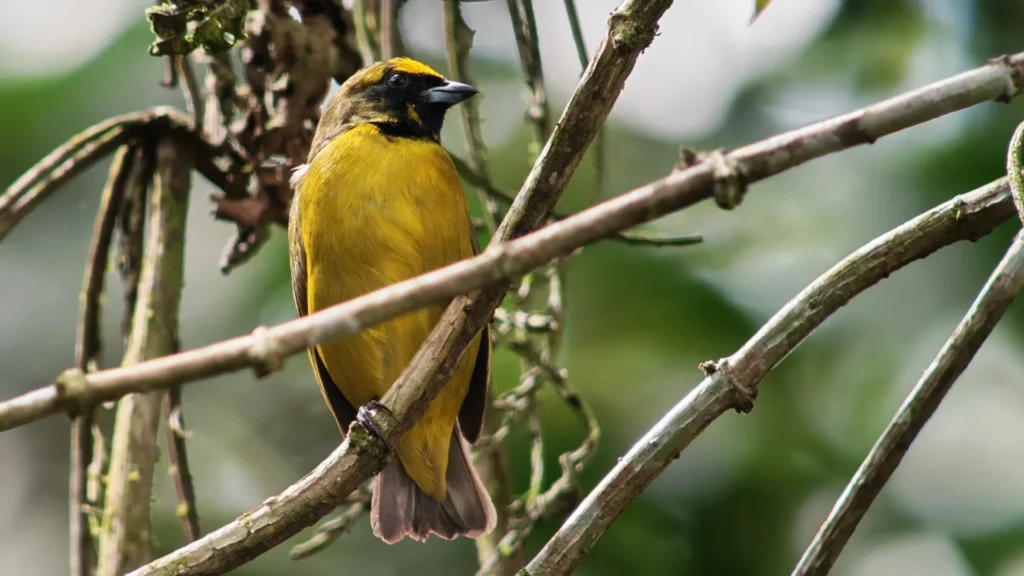
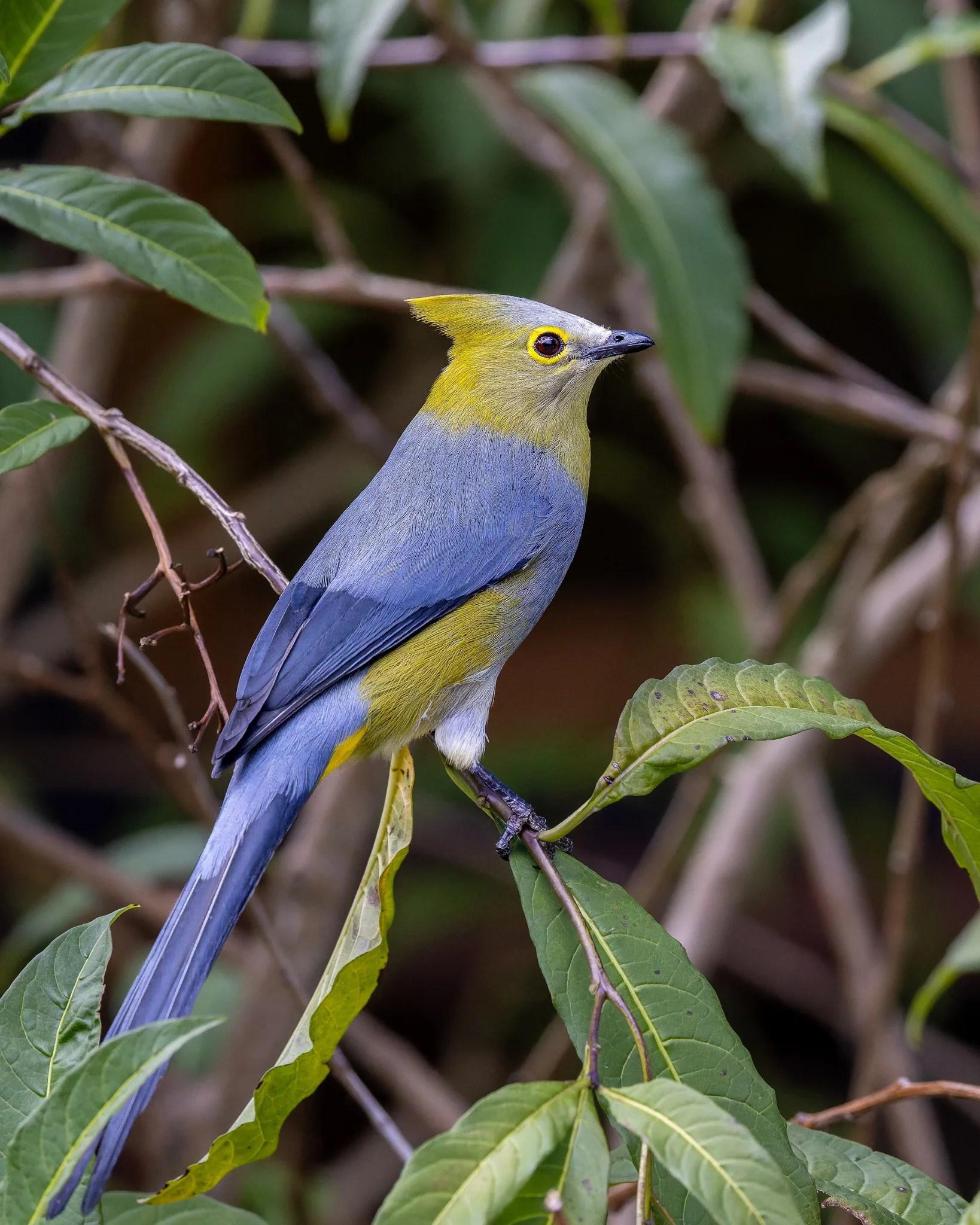
A widespread resident and regular CBC species, most often recorded in open habitats and forest edges.
Costa Rica officially joined the CBC in 1985, and participation has grown steadily ever since. For the 2025–26 season, Costa Rica’s count window runs from December 14, 2025 through January 5, 2026, and the first circles are already underway.
One of the earliest counts completed this season is Coto Brus, centered around Las Cruces Biological Station and Wilson Botanical Garden. Now in its fifth consecutive year, the Coto Brus CBC continues to stand out as a strong example of citizen science and community collaboration in southern Costa Rica.
Coto Brus CBC Highlights
Organizers:
- Finca Cántaros Environmental Association
- San Vito Bird Club
- Las Cruces Research Station (OTS)
- Turibrus R.L.
The count brings together birders, researchers, and conservationists from across the country, reinforcing the CBC’s role as both a scientific and community-based effort.
Recent Results: What Costa Rica Has Achieved
While full results from the 2025–26 season will only be available once all circles complete their counts, recent years show what Costa Rica consistently delivers.
During the 124th/125th CBC (2024–2025), several Costa Rican count circles ranked among the most species-rich in the region.
- La Selva Biological Station / Lower Braulio Carrillo NP: 372 species
- Monteverde: 363 species
- Coto Brus (Las Cruces): 285 species
- Osa Peninsula: 250 species
- Palo Verde (Guanacaste): 205 species
Participation levels were equally notable:
- La Selva: more than 120 field observers
- Las Cruces: 50 participants, recording 4,886 individual birds
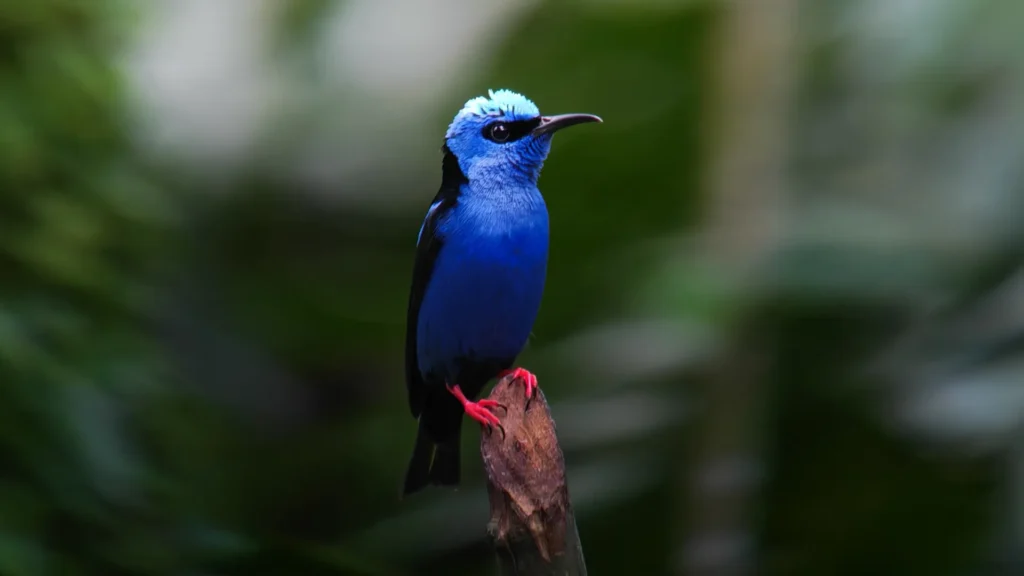
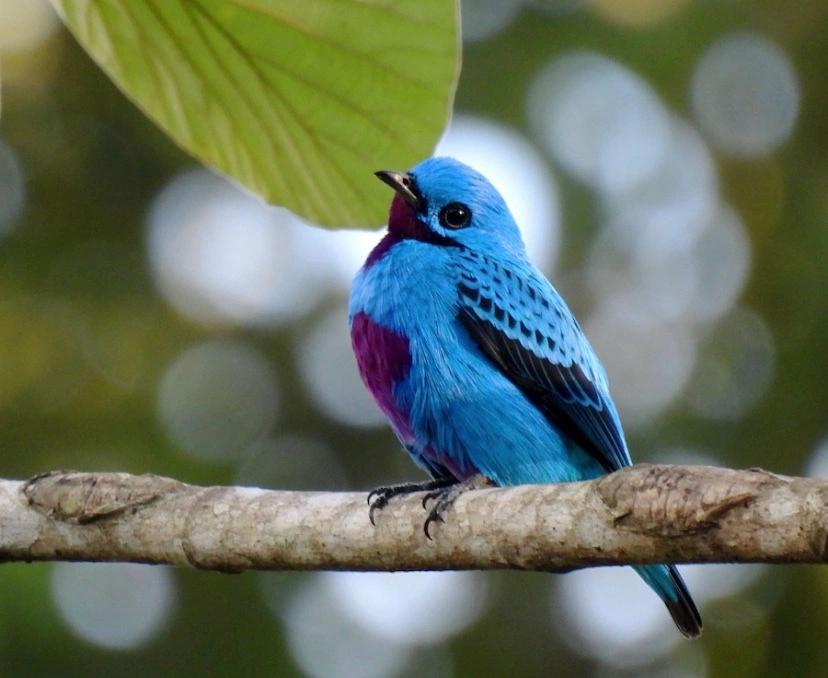
A striking resident species, easy to spot during CBCs thanks to its deep blue plumage and bright red legs.
These numbers reflect both Costa Rica’s exceptional biodiversity and the depth of local participation.
Early Results from the 2025–26 Season
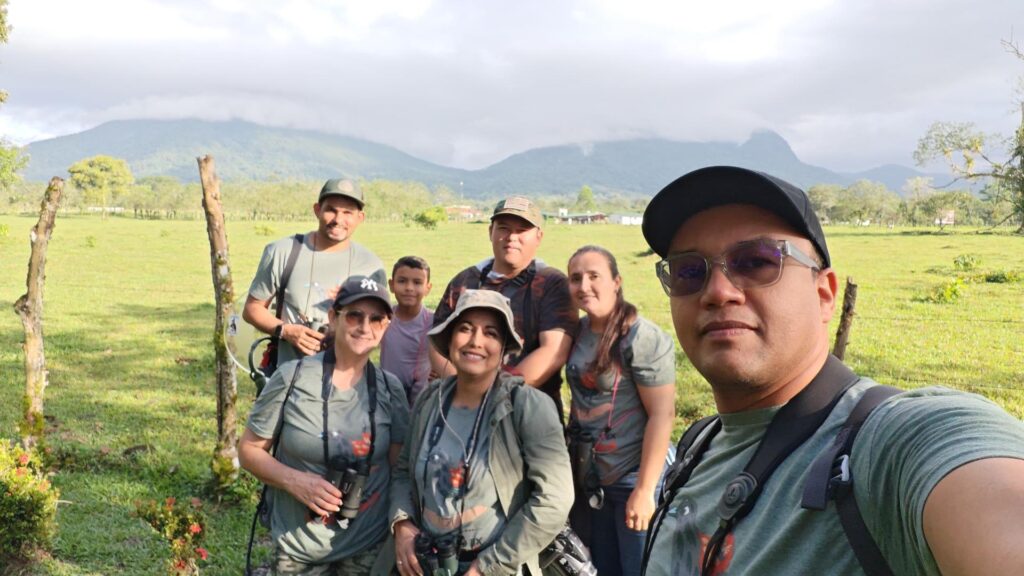
Early participation this season already suggests another strong year. Our guide Anthony Arce joined the Arenal / La Fortuna CBC, participating for a half-day due to guiding commitments.
Arenal / La Fortuna CBC Snapshot
Time in field: 7 hours (5:30 a.m. – 12:30 p.m.)
Sites covered:
- Bogarin Trail
- EcoCentro Danaus
- Agricultural fields around La Fortuna
Species recorded: 115
Highlights included:
Tree Swallow, Keel-billed Motmot, Black-and-white Owl, and Uniform Crake.
The group itself reflected what makes the CBC special: eight participants, ranging from experienced guides and an artist to a child — including a first-time bird count participant. It was a clear example of how serious data collection, education, and community involvement intersect during the CBC.
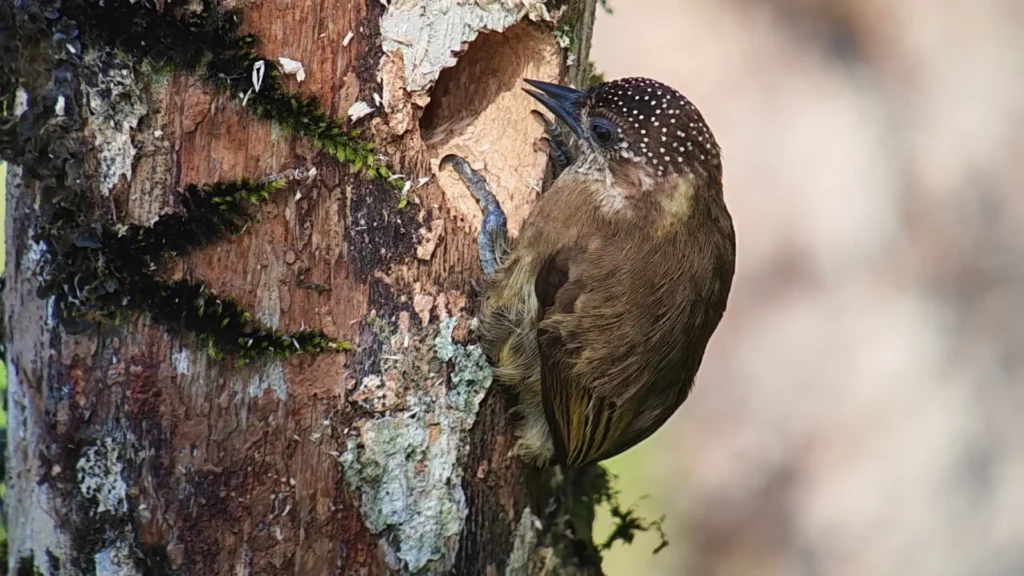
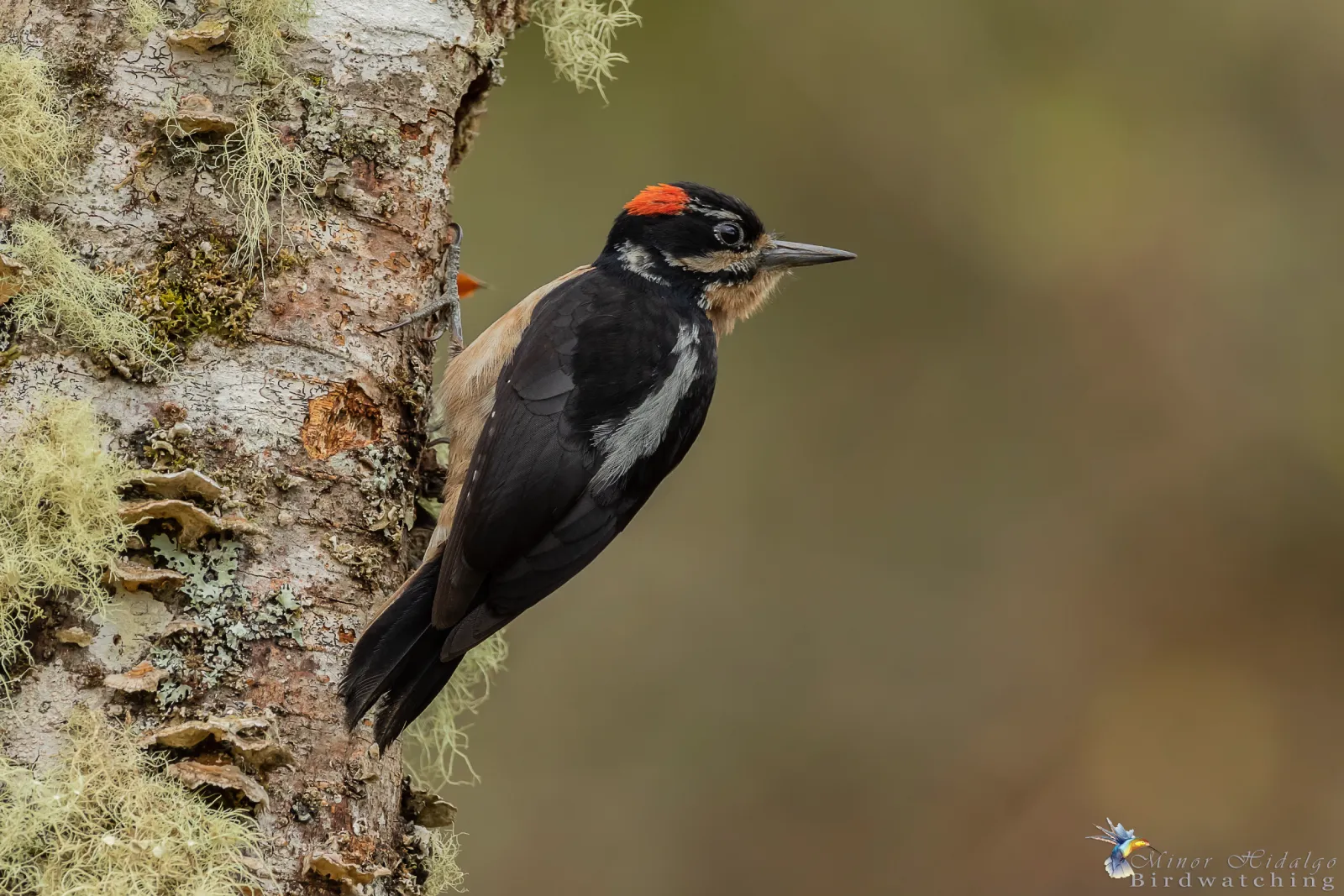
A quiet forest resident, often recorded on CBCs by careful scanning of trunks rather than movement.
What’s Still Ahead This Season
Several major Costa Rican counts are still to come, including:
- La Selva Biological Station
- San Gerardo de Dota
- Osa Peninsula
- Arenal area
- Rancho Naturalista
Each represents a distinct ecosystem — from Caribbean lowland rainforest to high-elevation cloud forest — and each consistently produces high species diversity.
As the 2025–26 Christmas Bird Count season unfolds, birders and conservationists alike are watching closely to see how this year’s results compare to the impressive benchmarks set in recent counts.
Final Thoughts
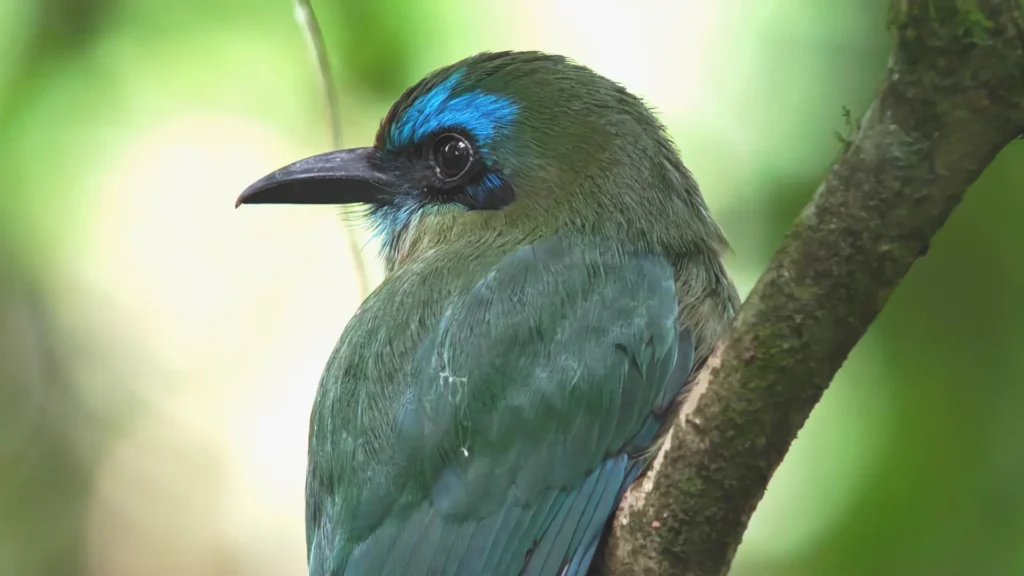
A shaded-forest resident, typically seen perched and still, with a heavy bill and turquoise facial markings.
After 125 years, the Christmas Bird Count remains both a scientific cornerstone and a meaningful way for people to engage directly with birds and landscapes they care about. Costa Rica’s continued participation — and leadership in species diversity and volunteer involvement — shows how local effort feeds into a much larger conservation picture.
Costa Rica Christmas Bird Count 2025
Get a Free Quote
See Most Recent Posts
311 Birds in 9 Days: A Costa Rica Birding Testimonial
Earlier this year, visiting birder Ethan Hoggard spent nine days exploring several of Costa Rica’s most productive birding regions. By…

Is Costa Rica Birding Good for Beginners? What to Really
Are you worried you're not experienced enough for a Costa Rica birding tour? Our guides have worked with every skill…

Why slowing down makes you a better birder in Costa
Rushing through Costa Rica's rainforest means missing the birds. Learn why the slowest walkers see the most species, and how…