Birding Station to Station Trip Report, Nov 2025
See how our small group recorded 249 species on a Station to Station birding trip across Costa Rica’s lowlands, highlands, mangroves, and coastal zones.
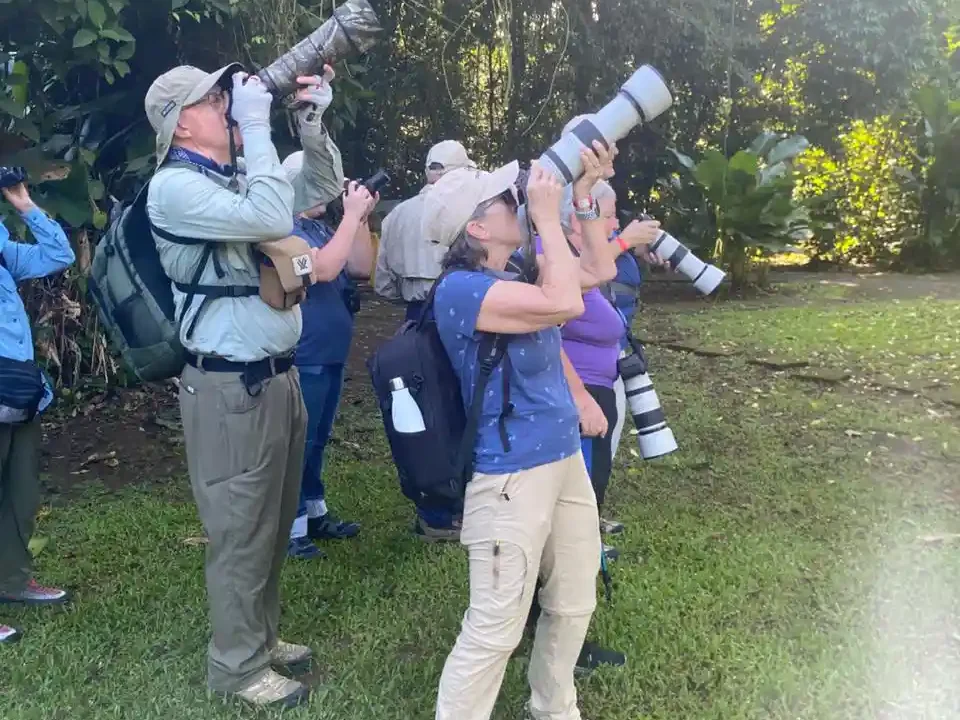
Our Birding Station to Station small-group adventure brought together nine birders from the U.S. and Canada, several of whom have traveled with us many times before, for an exciting journey through Costa Rica’s most biologically rich regions.
Group Size: 9 birders from the U.S. and Canada
Dates: 15–27 Nov, 2025 (13 days)
Lead Guide: Alex Castro
Driver: Victor “Chicho” Gon
Regions Covered: Northern Caribbean lowlands, Talamanca Highlands, Los Cusingos, Central Pacific & coastal mangroves.
Tour Style: Multi-elevation route from lowlands to highlands and coastal mangroves.
By the Numbers – Station to Station 2025
- 249 species recorded
- 34 eBird checklists submitted across the route
- 9 lifers for the trip report compiler
- ~25 hummingbird species and allies (hermits, jacobins, coquette, woodstar, sabrewing, plumeleteer, etc.)
Multiple “target groups” covered
- Quail & wood-quail (Marbled, Spotted)
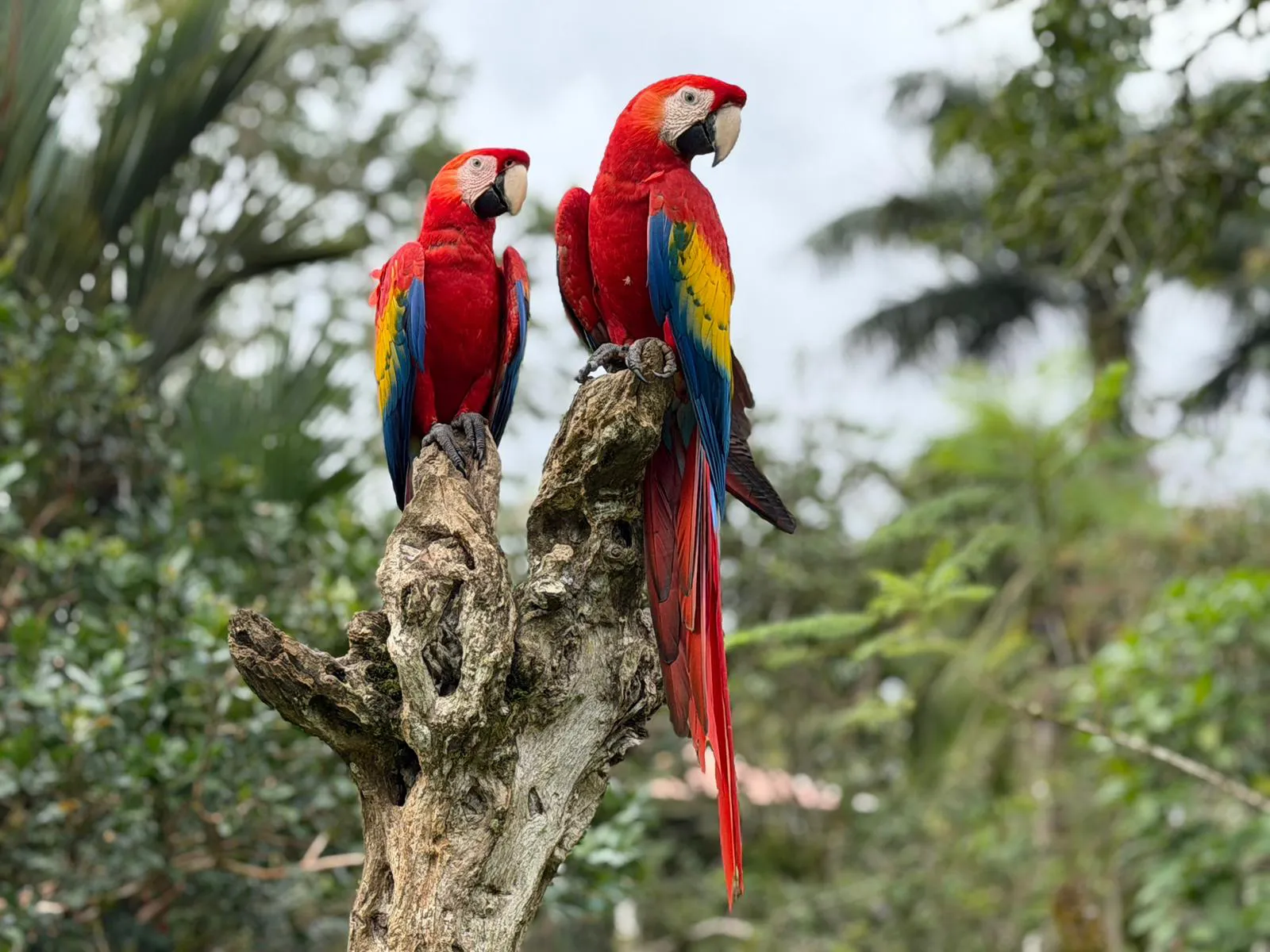
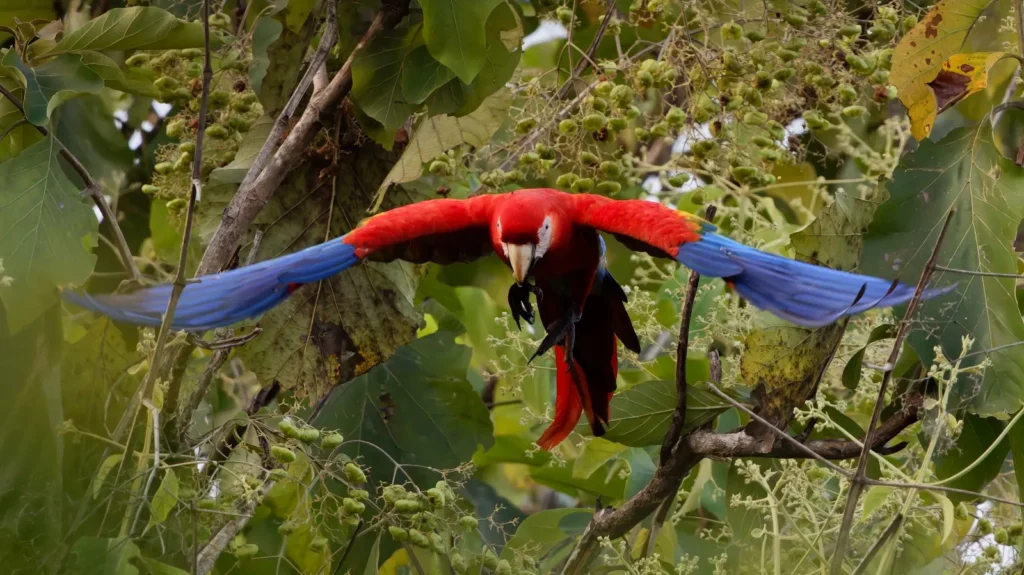
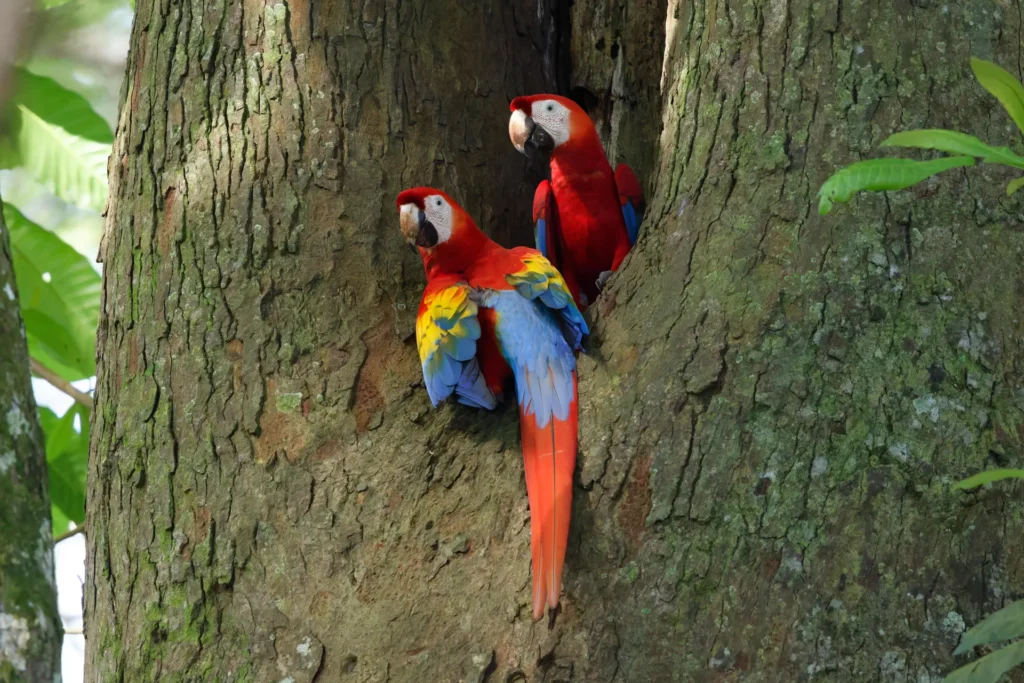
- Macaws (Great Green Macaw, Scarlet Macaw)
- 4+ owls (Tropical Screech-Owl, Crested Owl, Spectacled Owl, Ferruginous Pygmy-Owl)
- Trogons, motmots, kingfishers, antbirds, manakins, cotingas
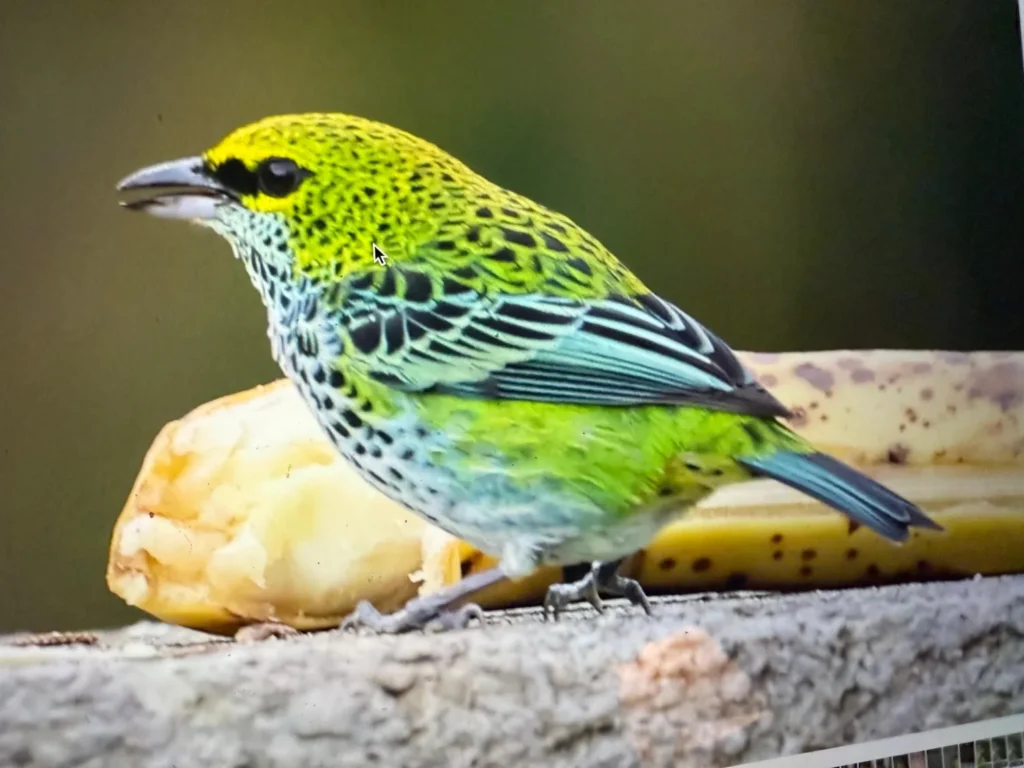
- Tanagers, honeycreepers, euphonias, warblers
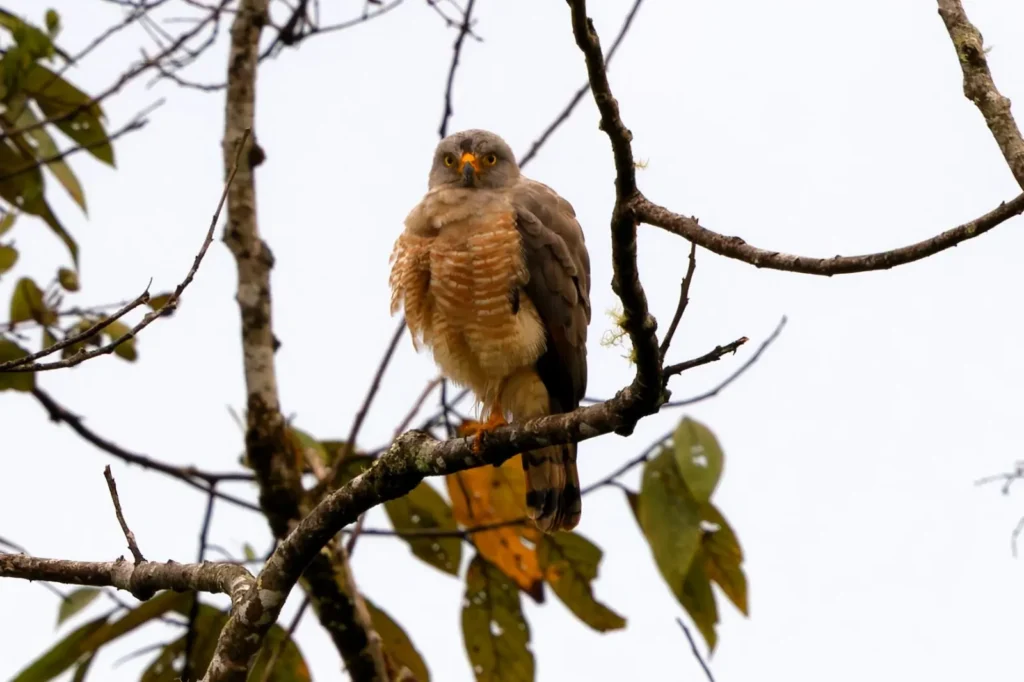
Guided by the exceptional Alex Castro and driven by the always-reliable Victor “Chicho” Gon, the group explored an impressive cross-section of the country’s habitats, ultimately recording 249 species of birds.
Research Stations and Classic Reserves
This Station to Station route is built around some of Costa Rica’s most respected field research and conservation sites:
- Los Cusingos – the historic home of Dr. Alexander Skutch, combining birding with Costa Rica’s ornithological history.
- La Selva Biological Station – legendary lowland Caribbean rainforest with long-term bird monitoring and an impressive species list.
- Las Cruces Biological Station & Wilson Botanical Garden – Pacific foothill forests and gardens that hold a different set of tanagers, hummingbirds, and mid-elevation specialties.
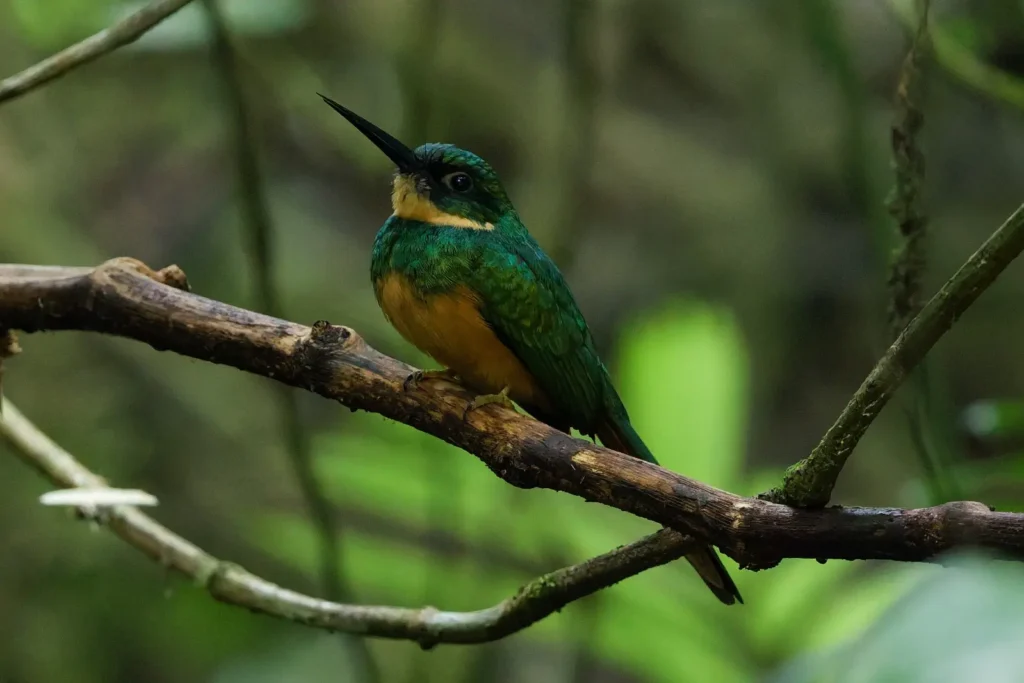
We began in the Northern Caribbean at La Selva Biological Station, where early-morning walks produced a long list of lowland specialties, including a guest favorite: Rufous-tailed Jacamar. From there, we continued across the country’s elevational gradients, visiting the Talamanca Highlands, the historic Los Cusingos sanctuary, and the transitional forests and coastal zones of the Central Pacific. A boat excursion on the Tárcoles River Estuary added mangrove species, waterbirds, and excellent photo opportunities.
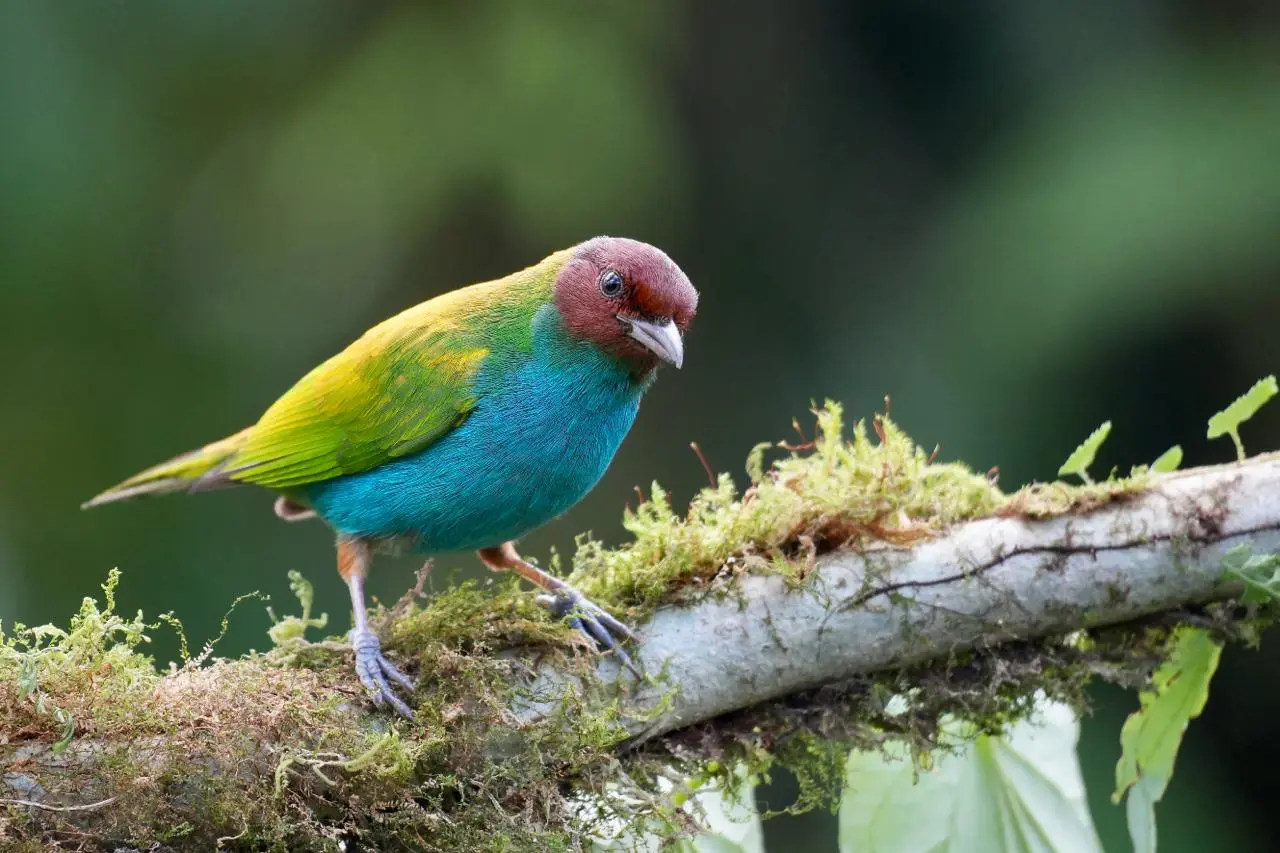
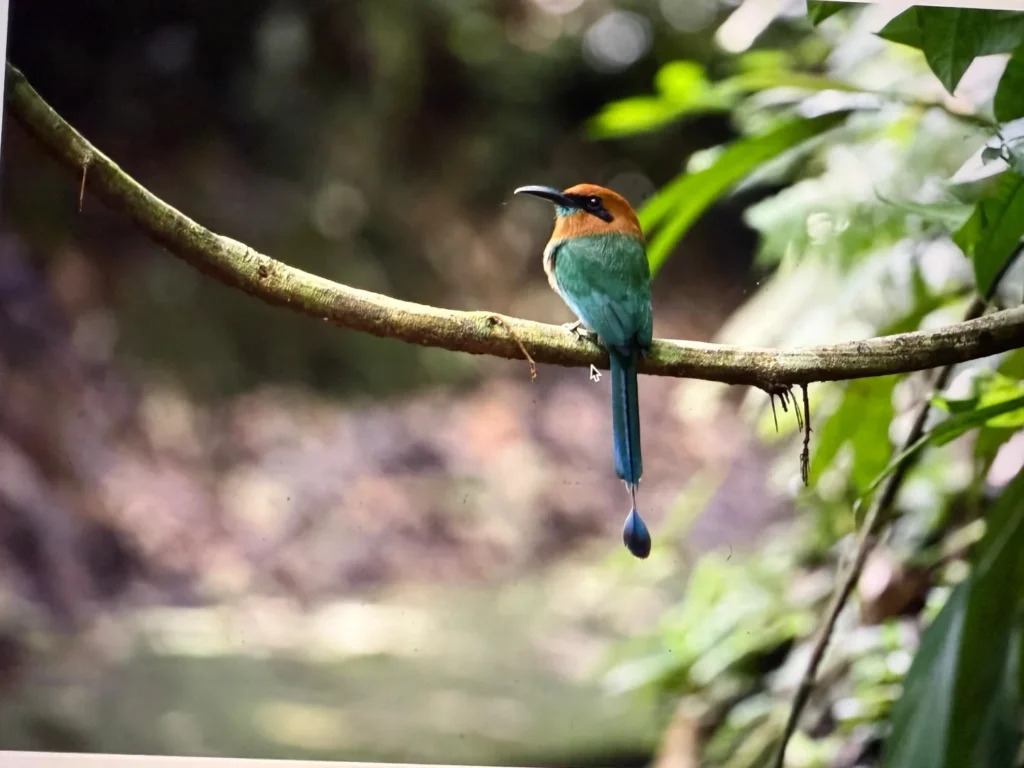
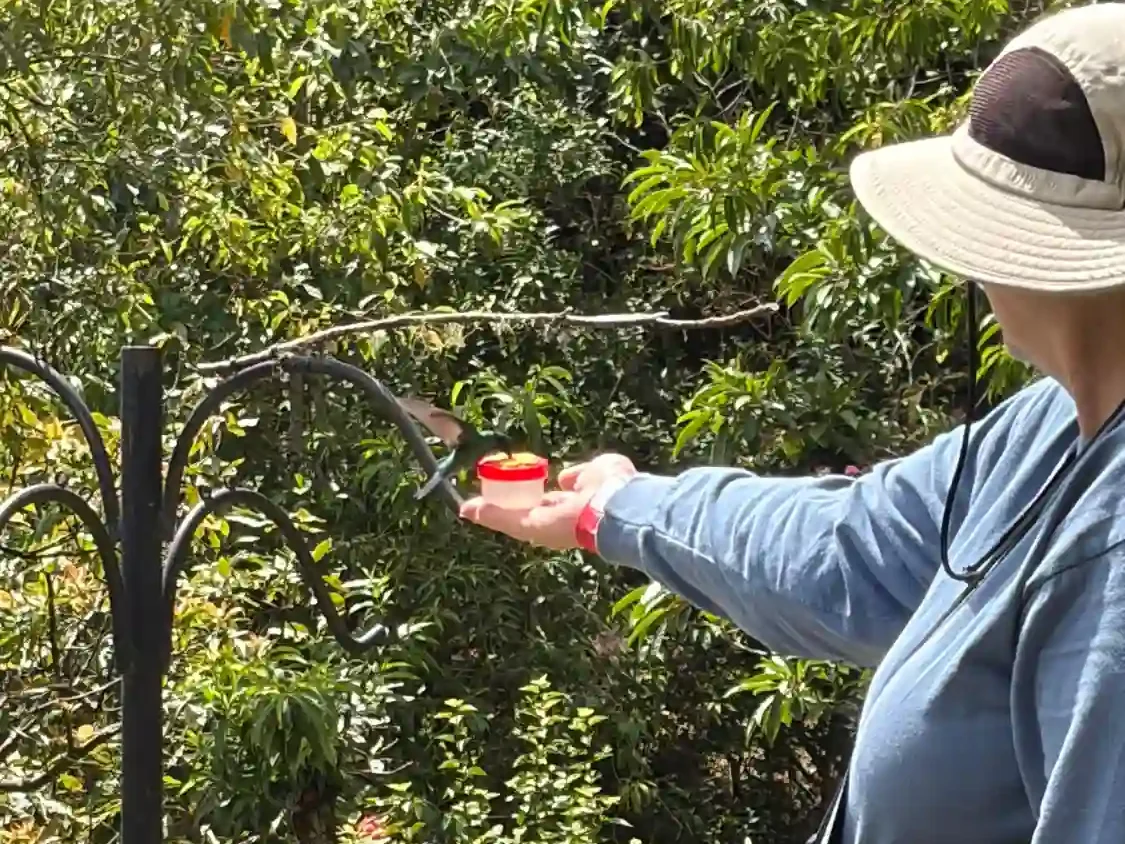
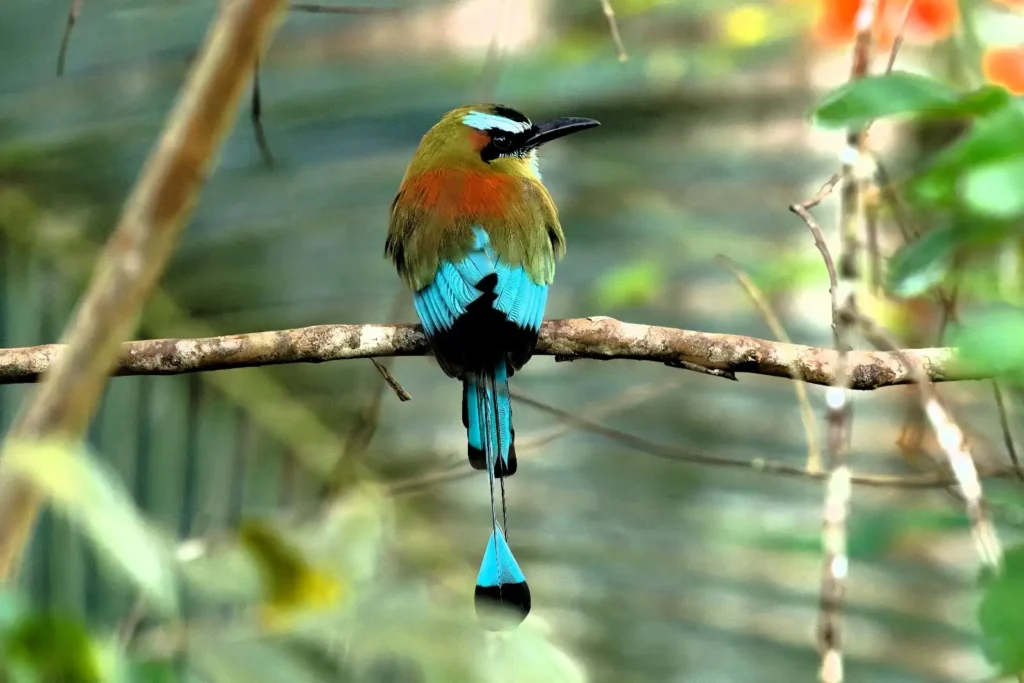
The group enjoyed comfortable, bird-rich lodging throughout the trip. At Pelícano Lodge, Alex reported “a great feeder setup with motmots, tanagers, honeycreepers, and a highlight, Isthmian Wren and White-crested Coquette.” Later at Villa Tica, he added, “Common Potoo, Red-headed Barbets, Bay-headed Tanagers right at the feeder, and with great food to compliment the birding, people had a wonderful time there.” In the highlands, guests were treated to unforgettable views of hummingbirds at Paraíso Quetzal Lodge, including a glowing Talamanca Hummingbird in the last rays of the sun.
Top Highlights from our Birding Trip
- Special moments at Los Cusingos, a historic sanctuary with strong species diversity
- Lowland specialties at La Selva, including a group favorite: Rufous-tailed Jacamar
- High-elevation birding in the Talamanca Mountains, with glowing sunset views of Talamanca Hummingbird
- Mangrove and estuary species during the Tárcoles River boat excursion
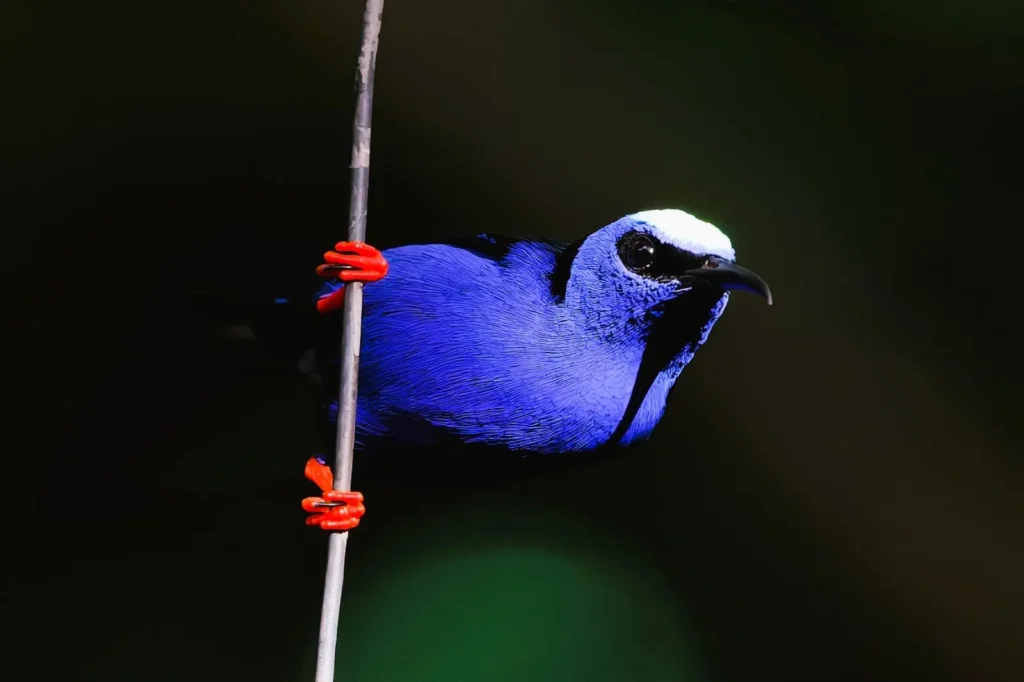
- Rich feeder activity at Pelícano Lodge and Villa Tica featuring motmots, tanagers, honeycreepers, Bay-headed Tanagers, Red-headed Barbets, and a standout White-crested Coquette
What Guests Said
Guest reflections throughout the trip highlighted just how meaningful the experience was. One guest shared:
“I am truly thankful and amazed by the birds we saw on this trip. Alex was an amazing guide and Chicho took such good care of us—from above 10,000 feet to the beaches of the Pacific. It was a dream come true filled with magical moments made possible by careful planning and superb leadership.”
Another guest reflected:
“This was my first-ever visit to Costa Rica, and almost all of the birds were lifers for me. We never had a bad experience, and everyone was incredibly kind. I’m already dreaming of my next visit.”
Others echoed the same sentiment:
“The bigger ‘lifer’ was visiting your marvelous, enchanting country. Such a wonderful smorgasbord of experiences with Alex and Chicho, outstanding in all ways. Costa Rica Focus made the trip a constant delight.”
As the tour came to a close, one guest summed up the experience perfectly:
“Thank you for the privilege of experiencing Costa Rica in such a perfect way, with ten wonderful companions. The locations were excellent, the guiding exceptional, and the memories unforgettable. Now I get to relive it all again as I process thousands of photos at home.”

Moving “station to station” allowed the group to experience Costa Rica’s incredible ecological variety in one thoughtfully designed route, an enriching, species-packed journey for birders who want to explore the very best the country has to offer.
Hummingbird Diversity
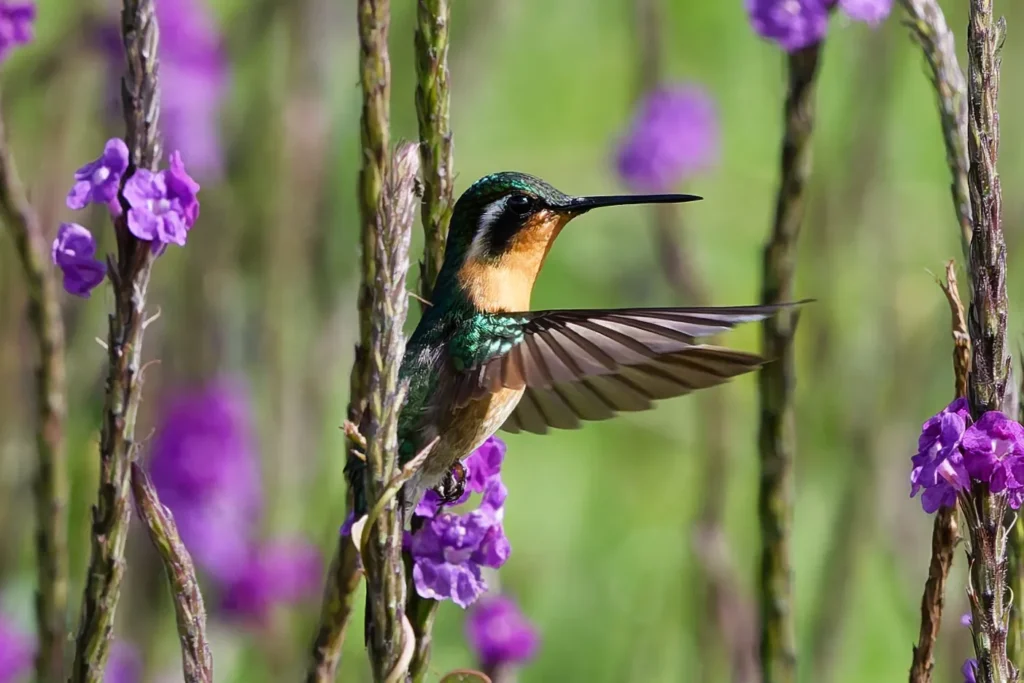
Hummingbirds were a constant presence all along the route. The group recorded around 25 hummingbird species, including:
- Hermits like Green and Long-billed Hermit in the lowlands
- High-elevation stars such as Talamanca Hummingbird, Fiery-throated Hummingbird, White-throated Mountain-gem, and Magenta-throated Woodstar
- Feeder and garden regulars like Violet Sabrewing, Bronze-tailed Plumeleteer, White-tailed Emerald, and Stripe-tailed Hummingbird
- Eye-catching lowland and coastal species including Cinnamon Hummingbird, Blue-vented Hummingbird, Snowy-bellied Hummingbird, and Rufous-tailed Hummingbird
Other Signature Species Highlights
Beside hummingbirds, a few species stand out from this Station to Station trip:
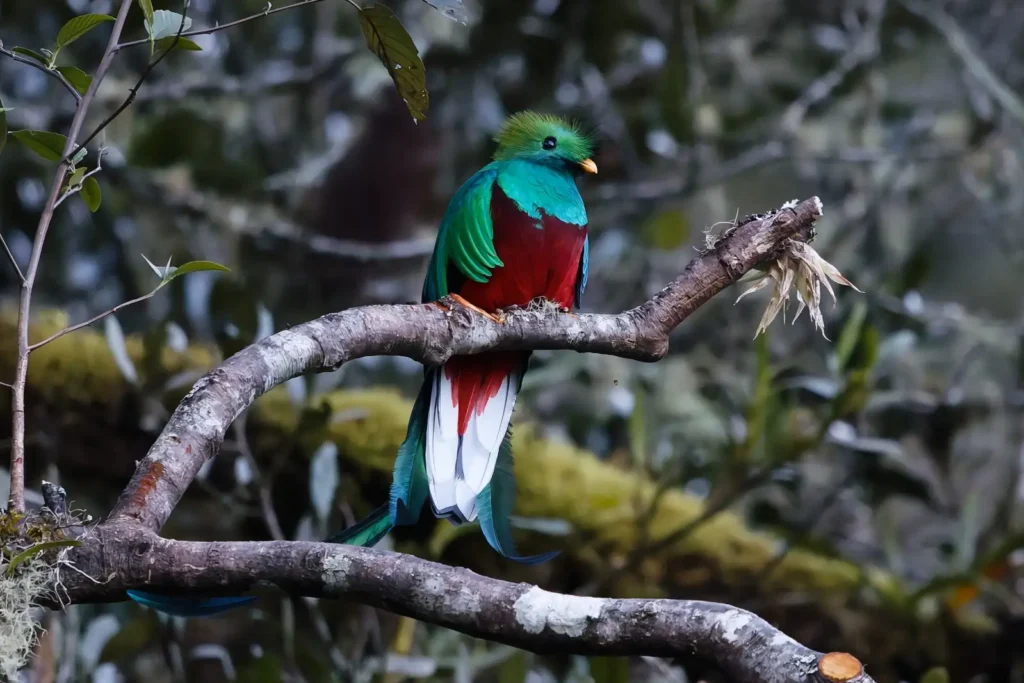
- Resplendent Quetzal – the iconic highland species that many guests rank as the top experience of the tour.
- Great Green Macaw & Scarlet Macaw – large, charismatic parrots that are also important conservation stories in Costa Rica.
- Yellow-naped Amazon – a regional parrot now under pressure across much of its range.
- Turquoise Cotinga & Snowy Cotinga – classic Neotropical targets that add real “wow” factor to the checklist.
Some species recorded — including Great Green Macaw and Yellow-naped Amazon — are under significant conservation pressure across their range, and they are reminders of why Costa Rica’s protected areas and private reserves matter so much. Traveling with experienced local guides, staying at research stations, and supporting lodges that invest in habitat protection help keep these species on the checklist for future birders.
Who Is Station to Station Ideal For?
- Intermediate to advanced birders who want a high trip list (around 230–260 species most seasons).
- First-time Costa Rica visitors who want a strong mix of habitats without changing hotels every night.
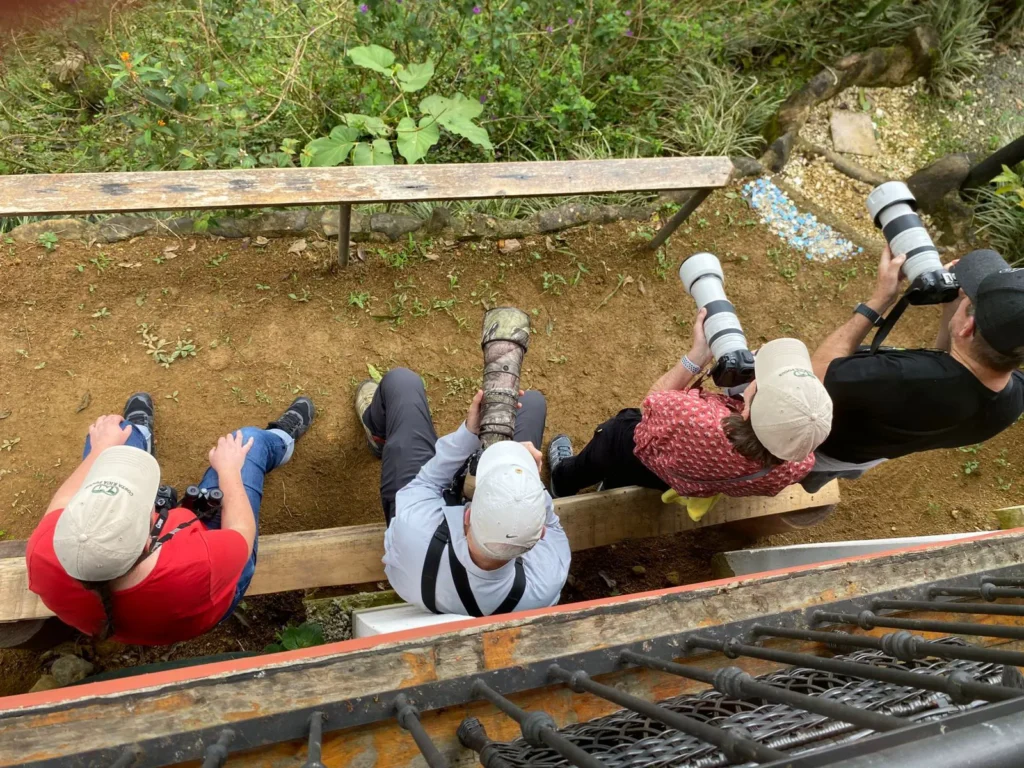
- Bird photographers who appreciate feeders, lodge-based viewing, and structured outings like the Tárcoles River boat tour.
- Repeat guests who want to go beyond a single region and spend more time at classic research sites.
If you’re looking for a Costa Rica birding experience that offers high species counts and meaningful time in several key habitats, Birding Station to Station itinerary should be at the top of your list.
Full trip report: https://ebird.org/tripreport/425076
Birding Station to Station Trip Report, Nov 2025
Get a Free Quote
See Most Recent Posts
Why slowing down makes you a better birder in Costa
Rushing through Costa Rica's rainforest means missing the birds. Learn why the slowest walkers see the most species, and how…

Costa Rica Birds and Beyond Trip Report | January 19–30,
Scarlet Macaws, Great Potoo, hummingbirds, whales, and a surprise owl at dinner—see what made our 2026 Birds and Beyond tour…

Courtship displays and bird behavior in Costa Rica
Birding in Costa Rica isn’t just a numbers game—it’s an invitation to witness some of the most fascinating bird behavior…