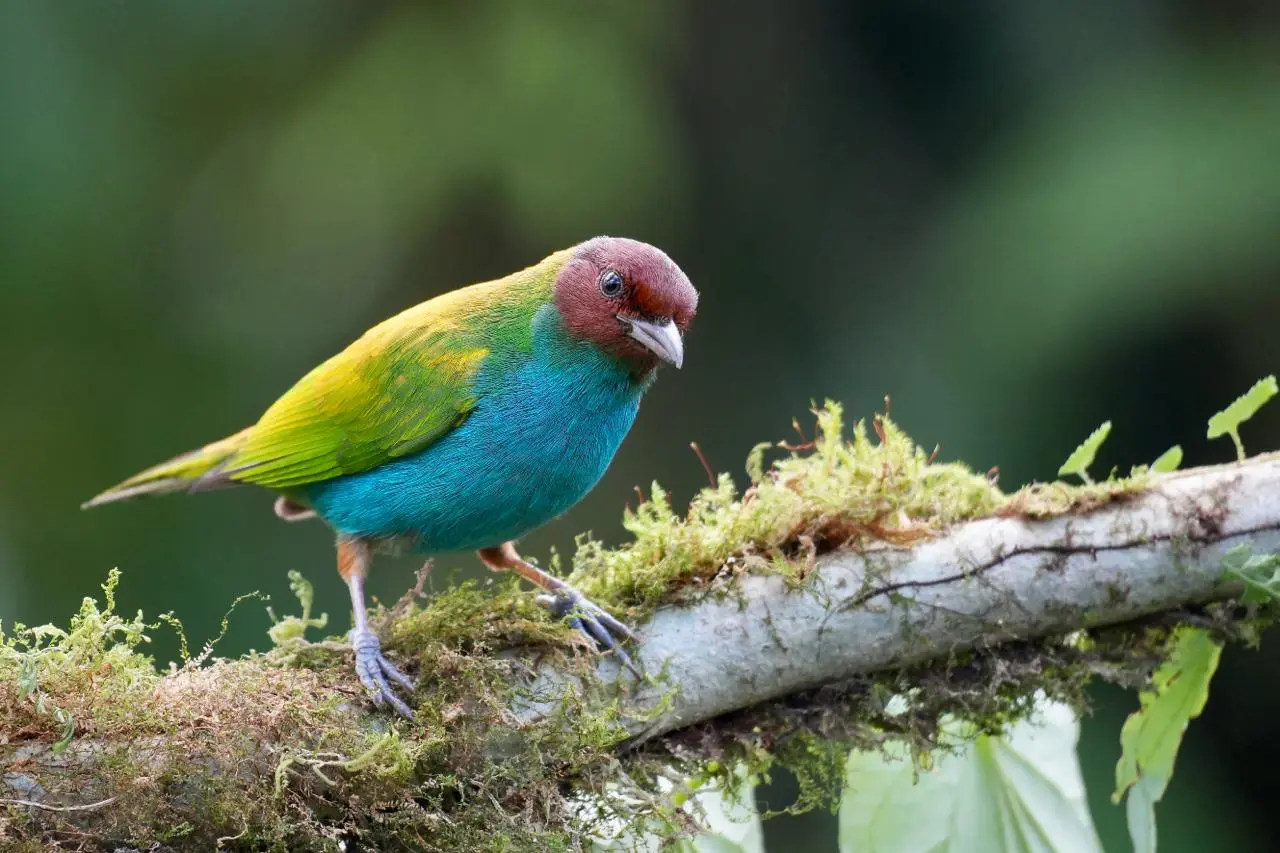
Tracking the Trogons 2026 Trip Report: 11 Days, 6 Trogon Species, 310 Birds
Tracking the Trogons 2026 was an 11-day small group birding tour across Costa Rica that successfully located six trogon species found in the country. Led by Costa Rican birding guide Mayer Jimenez, the tour covered the Central Valley, Caribbean Lowlands, Arenal, Monteverde, and the Central Pacific, finishing with a total of 310 bird species recorded.
Quick Facts – Tracking the Trogons 2026
- Tour length: 11 days
- Group size: 10 participants
- Guide: Mayer Jimenez
- Driver: Victor “Chicho” Gon
- Focus: Costa Rican trogon species
- Total species recorded: 310
Note: Our running trip list landed at 310, while the public eBird group total shows 308 based on submitted checklists. - Key habitats: Lowland rainforest, cloud forest, wetlands, dry forest, mangroves
- Signature sightings from the list excerpt include:
- King Vulture
- Ornate Hawk-Eagle
- Keel-billed Motmot
- Mangrove Hummingbird
- Streak-chested Antpitta
Tracking the Trogons 2026 was an exceptional 11-day small group birding adventure that combined outstanding guiding, diverse habitats, and a wonderfully engaged group of travelers.
Led by expert Costa Rican guide Mayer Jimenez and supported by our trusted driver Victor “Chicho” Gon, the trip brought together ten birders from the United States and Germany with a shared goal: to experience Costa Rica’s birdlife deeply and to locate all six species of trogons found in the country.
Related tour: Tracking the Trogons – Costa Rica Birding Group Tour
Trogons and Much More
This tour was built around trogons, but the route was intentionally designed to deliver far more than one bird family.
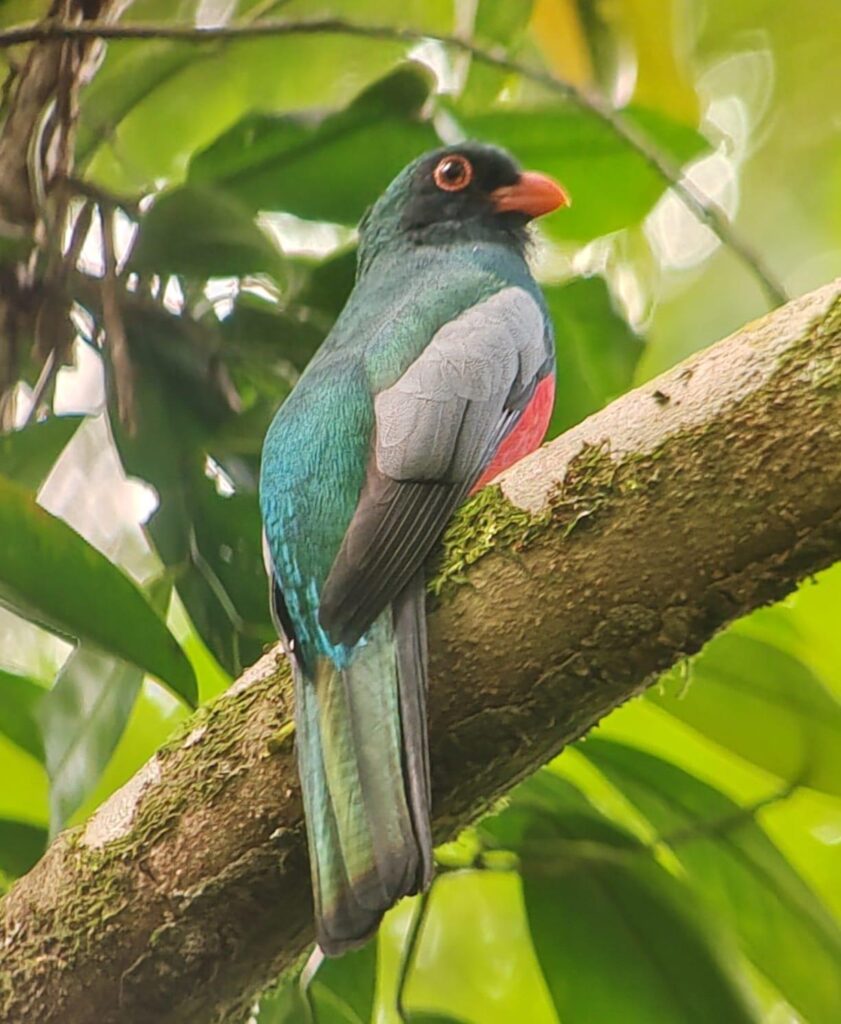
The trip produced a strong trogon showing, including:
- Slaty-tailed Trogon
- Black-headed Trogon
- Gartered (Violaceous) Trogon
- Black-throated Trogon
- Collared Trogon
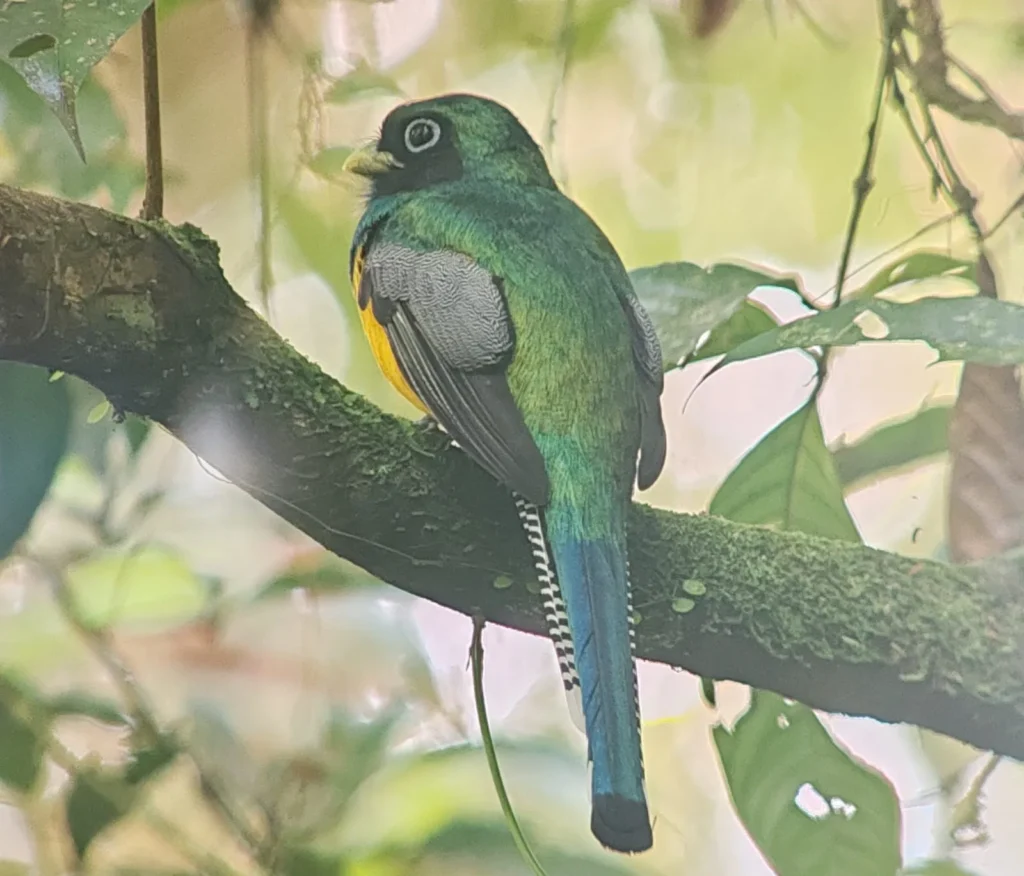
Beyond trogons, the final species list reflects exactly what this itinerary is built for: consistent birding, high diversity, and real habitat variety.
Birding Begins in the Central Valley
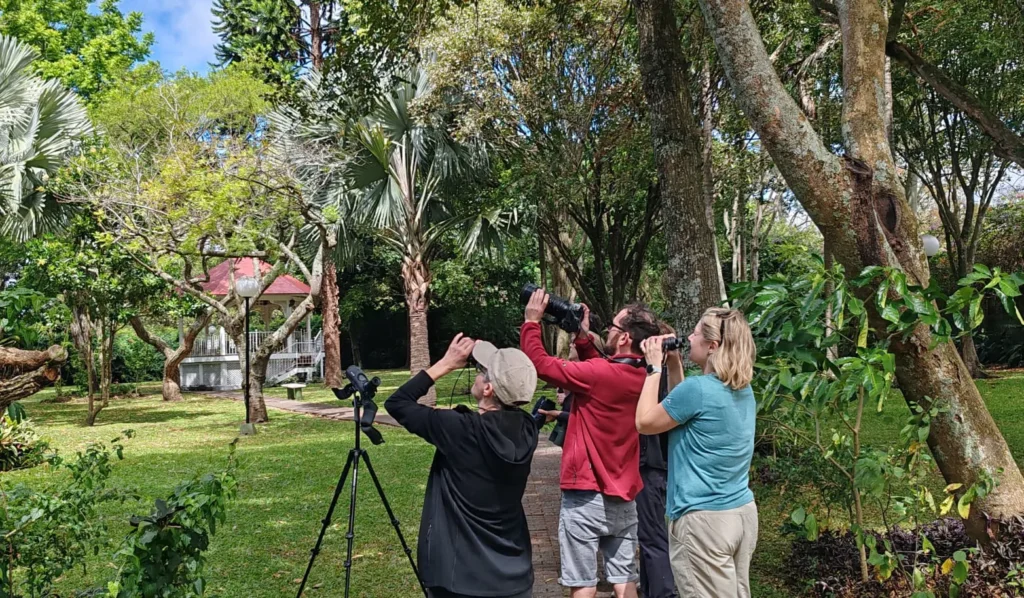
The tour began in Costa Rica’s Central Valley, where arrivals quickly turned into birding. Before the full group had even assembled, guests were already exploring the lush gardens of Hotel Bougainvillea, spotting Lesson’s Motmots, roosting owls, and garden specialties. It set the tone for the trip, birding was not confined to scheduled outings but happened naturally, often right outside the hotel doors. By the time everyone met for the welcome dinner that first evening, the group was already bonding over early sightings and shared excitement.
Caribbean Lowlands – Classic Rainforest Birds and Nonstop Activity
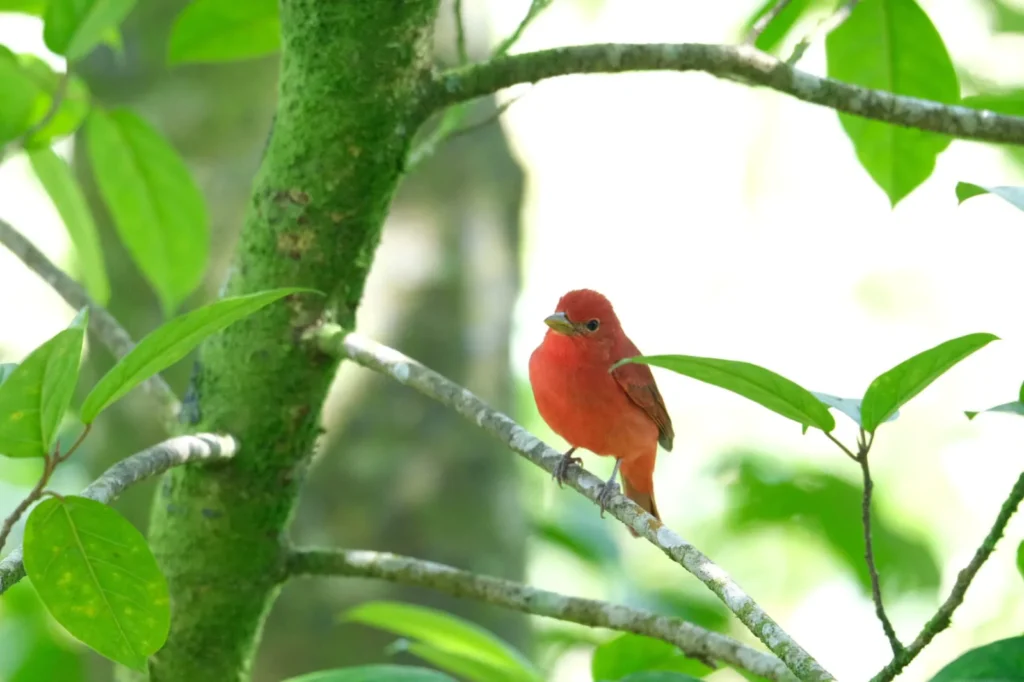
From there, the tour moved into the Caribbean Lowlands, where warm, humid forests delivered classic lowland species and an abundance of activity. Birding days were full but never rushed, with Mayer adjusting plans based on weather, bird movement, and the group’s pace.
Even rainy mornings became productive, with birding from lodge grounds and covered vantage points yielding excellent views. Highlights included:
- Multiple motmot species
- Manakins and forest understory birds
- Owls and amphibians during evening outings
The lowlands contributed significantly to the overall species count and offered steady action without rushed schedules.
Arenal Volcano – A Mix of Forest Edges, Wetlands, and Fast Species Turnover
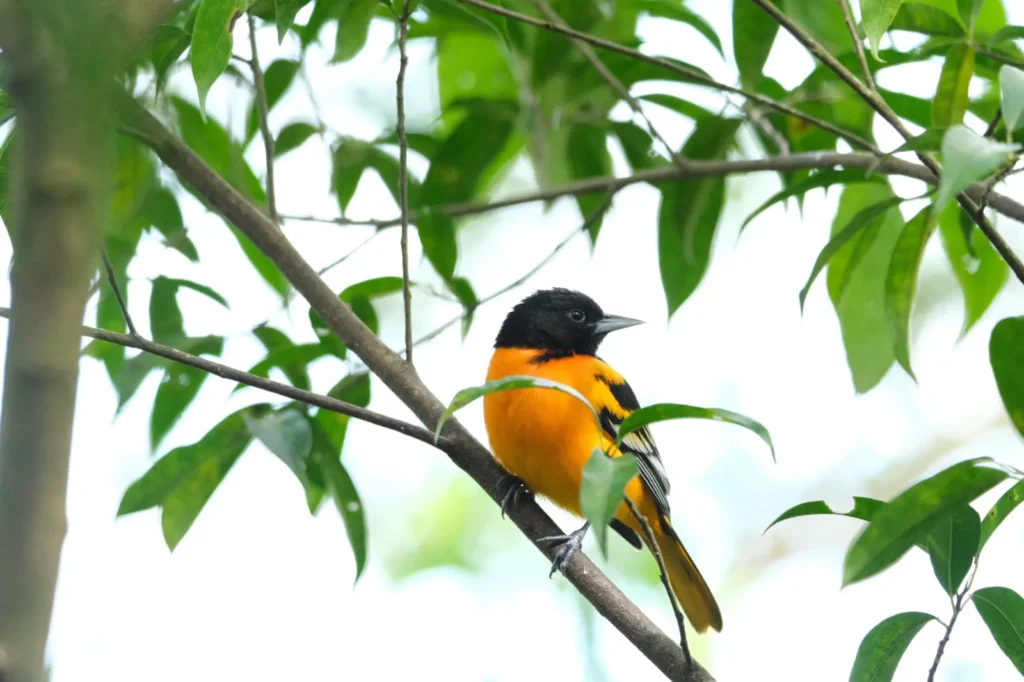
As the group transitioned to the Arenal Volcano area, birding continued across a mosaic of habitats, forest edges, wetlands, and gardens. The variety of landscapes allowed everyone to appreciate how quickly Costa Rica’s avifauna changes across short distances. Throughout the trip, Mayer’s ability to balance serious birding with humor, patience, and encouragement made the experience accessible for birders of varying experience levels. Daily species lists became a cherished ritual, with lively discussions before dinner and plenty of laughter along the way.
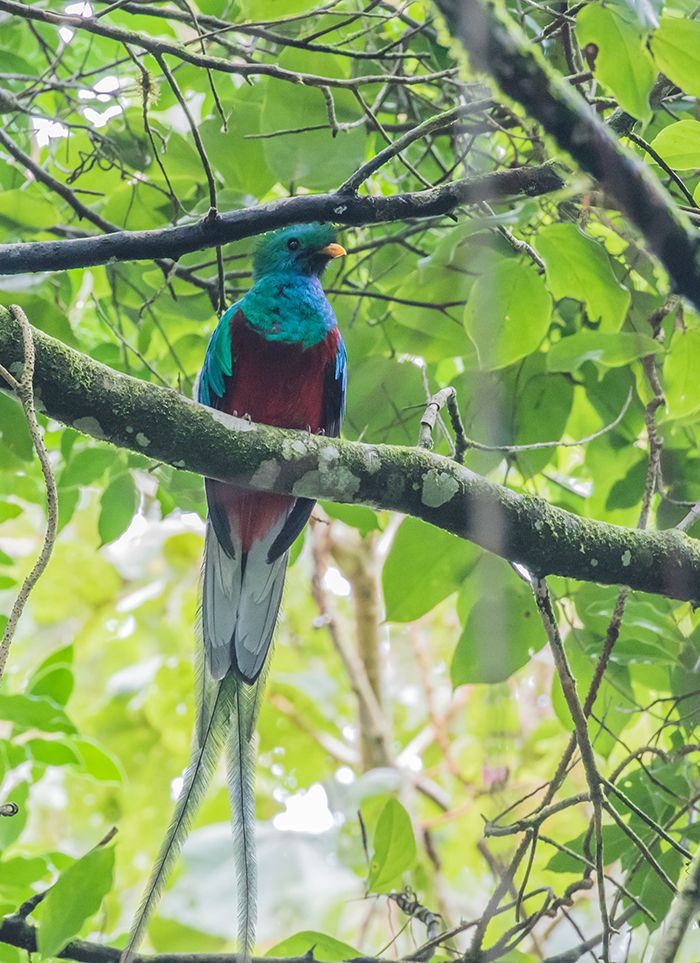
Monteverde Cloud Forest – Cloud Forest Specialties and a Quetzal Moment
Monteverde marked a shift in climate and birdlife, with cool cloud forest conditions bringing new specialties. The group enjoyed productive time at reserves such as Curicancha, where mixed flocks moved through mossy trees and long-awaited sightings finally came together.
One of the emotional highlights of the trip was relocating the Resplendent Quetzal, a species heard earlier in the journey but only seen later, a moment that perfectly captured the patience and persistence that birding so often rewards.
Additional Monteverde highlights included:
- Trogons and motmots at mid-elevations
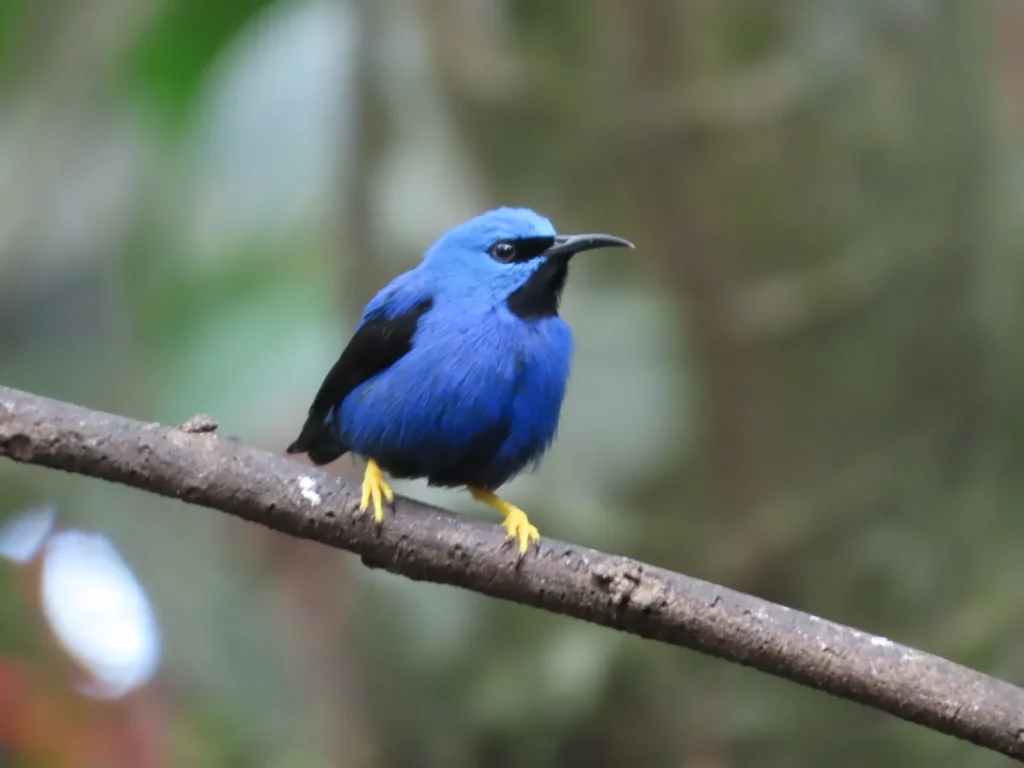
- Tanagers and hummingbirds at feeders
- Strong mixed-flock activity
The camaraderie among the group was evident, whether comparing photos, sharing snacks, or joking about early morning owl calls echoing around the lodges.
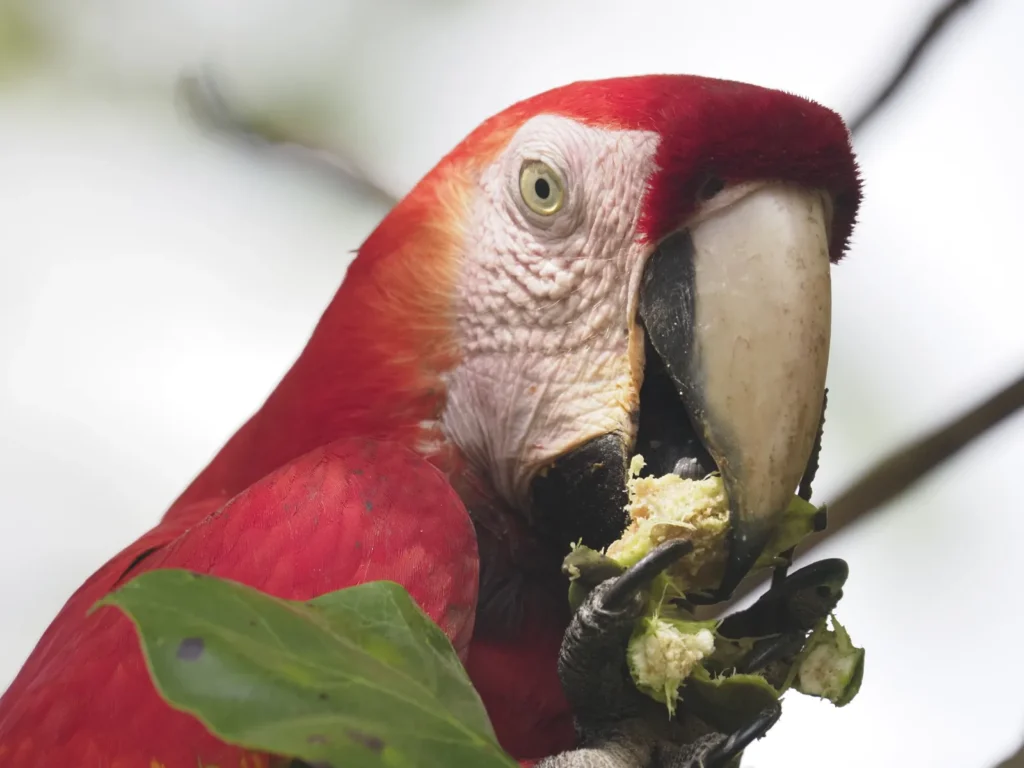
Central Pacific Finish – Scarlet Macaws, Mangroves, Dry Forest, and Coastal Birds
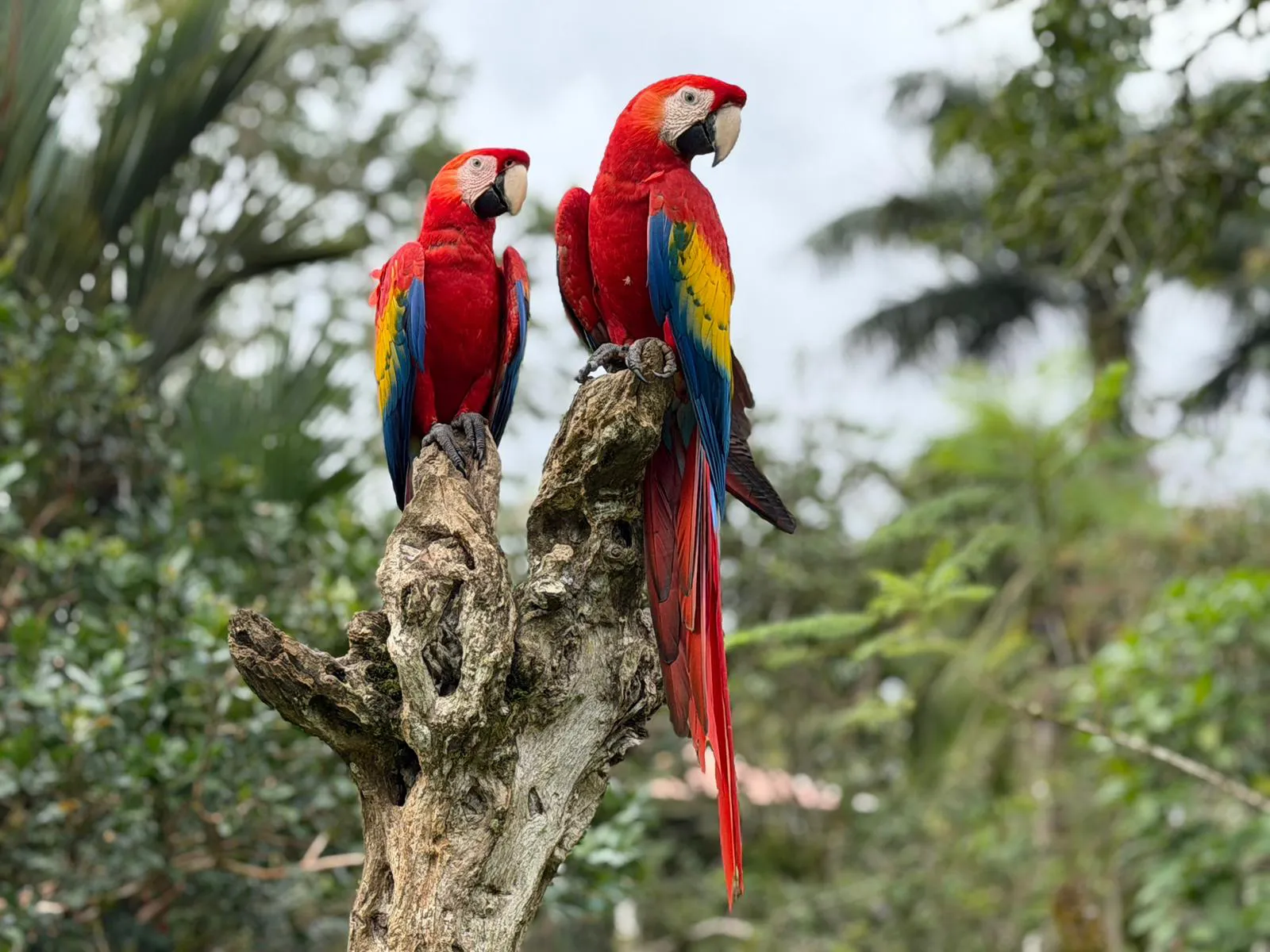
Descending to the Central Pacific, the trip shifted once again, this time to drier forests, mangroves, and coastal habitats. Visits to sites such as Ensenada Lodge and Carara National Park added new species and dramatic scenery, including nesting Scarlet Macaws, which provided unforgettable photographic moments. Even late in the trip, enthusiasm never waned; birding continued “around the clock,” as one guest joked, with Mayer always ready to follow a call, investigate a movement, or squeeze in one more stop.
Final Results – Six Trogons Found
By the end of the tour, the group had:
- Successfully located six Costa Rican trogon species
- Recorded a total of 310 bird species
- Birded across five major regions and multiple elevations
The group had not only achieved its primary goal, but had far exceeded expectations with a remarkable 310 species recorded over the course of the tour. More than the numbers, however, it was the shared experience that stood out: the early mornings, spontaneous discoveries, constant learning, and genuine joy of being immersed in Costa Rica’s natural world.
As the farewell dinner approached, there was a sense that time had passed far too quickly. Gratitude was expressed on all sides; for the birds, for the guiding, for the seamless logistics, and for the friendships formed along the way.
Tracking the Trogons 2026 was not just a successful birding trip; it was a reminder of why Costa Rica remains one of the world’s most rewarding destinations for birders and why so many guests return again and again. of focused birding.
Ready to Join a Future Tracking the Trogons Tour?
If this trip report sounds like your kind of birding—small group, full days, expert local guiding, and a route designed for high diversity—take a look at the full itinerary and upcoming dates here:
Tracking the Trogons 2026 Trip Report: 11 Days, 6 Trogon Species, 310 Birds
Get a Free Quote
See Most Recent Posts
Why slowing down makes you a better birder in Costa
Rushing through Costa Rica's rainforest means missing the birds. Learn why the slowest walkers see the most species, and how…

Costa Rica Birds and Beyond Trip Report | January 19–30,
Scarlet Macaws, Great Potoo, hummingbirds, whales, and a surprise owl at dinner—see what made our 2026 Birds and Beyond tour…

Courtship displays and bird behavior in Costa Rica
Birding in Costa Rica isn’t just a numbers game—it’s an invitation to witness some of the most fascinating bird behavior…